


West Bank Tour Kings Valley, Hatshepsut Temple, Colossi of Memnon
卢克索, 埃及
.
取消政策
预订前请查看下方的供应商政策。
时长 5 小时
时长由体验供应商提供。
语言
英语, 阿拉伯语, 西班牙语, 德语, 意大利语
团队规模
1–15 位旅行者
完整介绍
Explore the wonders of ancient Egypt with our West Bank Tour featuring the impressive Kings Valley, the majestic Hatshepsut Temple, and the renowned Colossi of Memnon. Discover the rich history and fascinating architecture of these iconic sites as you journey through the ancient Valley of the Kings.
行程
Starts with Pickup from your Hotel or Nile Cruise in Luxor by Tour guide then you will be transferred by Private A/C Vehicle to the West Bank where you will visit the Valley Of The Kings The rulers of the Eighteenth, Nineteenth, and Twentieth Dynasties of Egypt’s prosperous New Kingdom (c.1550–1069 BC) were buried in a desolate dry river valley across the river from the ancient city of Thebes (modern Luxor), hence its modern name of the Valley of the Kings. This moniker is not entirely accurate, however, since some members of the royal family aside from the king were buried here as well, as were a few non-royal, albeit very high-ranking, individuals. The Valley of the Kings is divided into the East and West Valleys. The eastern is by far the more iconic of the two, as the western valley contains only a handful of tombs. In all, the Valley of the Kings includes over sixty tombs and an additional twenty unfinished ones that are little more than pits.
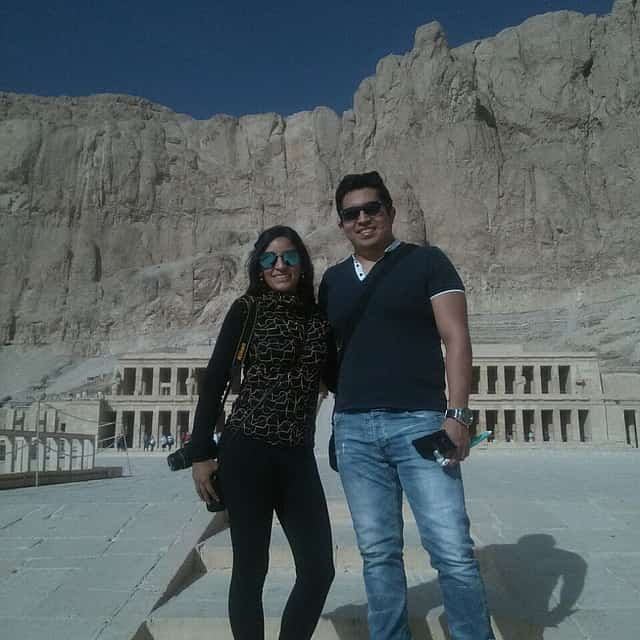
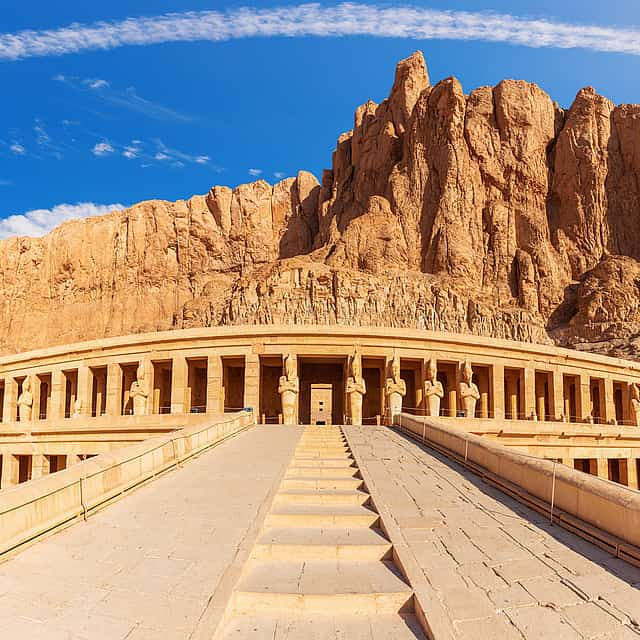
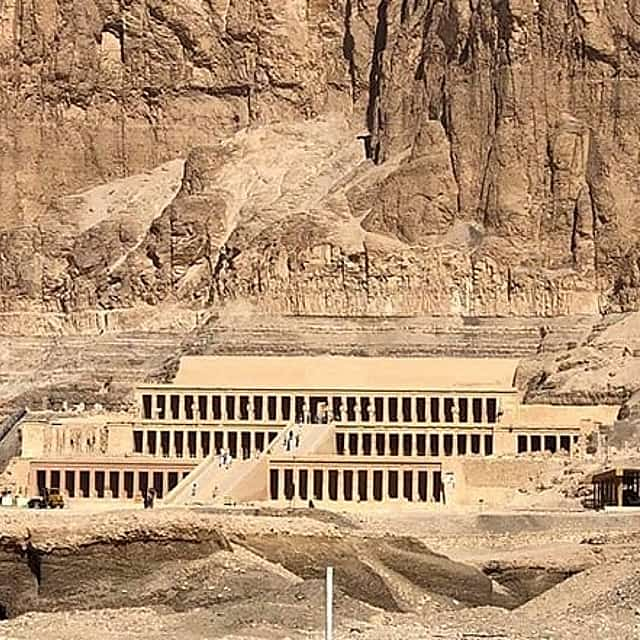
Hatshepsut (c.1473–1458 BC), the queen who became pharaoh, built a magnificent temple at Deir al-Bahari, on the west back of Luxor. It lies directly across the Nile from Karnak Temple, the main sanctuary of the god Amun. Hatshepsut’s temple, Djeser-djeseru “the Holy of Holies” was designed by the chief steward of Amun, Senenmut. The temple consists of three levels each of which has a colonnade at its far end. On the uppermost level, an open courtyard lies just beyond the portico. Mummiform statues of Hatshepsut as Osiris, the god of the dead, lean against its pillars. This is because Djeser-djeseru is Hatshepsut’s mortuary temple, where her cult was practiced after her death, when she attained the blessed state of Osiris. Far from being devoted solely to her, the temple also includes sections for the cults of her revered father Thutmose I, the goddess Hathor, and the funerary god Anubis. An altar, open to the sky and the sun, was dedicated to the cult of the solar Ra-Horakhty.
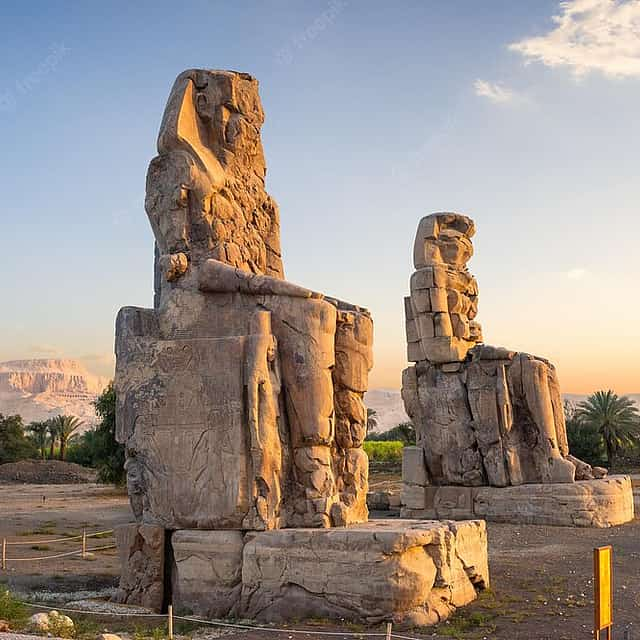
The Colossi of Memnon (Arabic: el-Colossat or es-Salamat) are two massive stone statues of the Pharaoh Amenhotep III, which stand at the front of the ruined Mortuary Temple of Amenhotep III, the largest temple in the Theban Necropolis. They have stood since 1350 BC, and were well known to ancient Greeks and Romans, as well as early modern travelers and Egyptologists. The statues contain 107 Roman-era inscriptions in Greek and Latin, dated to between AD 20 and 250; many of these inscriptions on the northernmost statue make reference to the Greek mythological king Memnon, whom the statue was then – erroneously – thought to represent. Scholars have debated how the identification of the northern colossus as "Memnon" is connected to the Greek name for the entire Theban Necropolis as the Memnonium. After tour transfer you back to your hotel or Nile Cruise in Luxor
包含哪些内容?
费用包含
- 导游
- 餐食: 1
- 接送
- 门票
- Pickup services from your hotel in Luxor and return.
- All transfers by a private air-conditioned vehicle
- Tour Guide
- Entrance fees
- Bottle of water
- All service charges & taxes
- Lunch
费用不含
- Gratuities
重要信息
集合地点
卢克索, 埃及
别忘了
Accessibility Not wheelchair accessible Near public transportation Infant seats available Entrance fees -Depending on the Tour Options Chosen
取消政策
Free cancellation if cancelled more than 24 hours before start. 100% charge if cancelled within 24 hours of start.
您的主办方
VE
Verified Local Host
自 2026 年起加入 GetExperience
您可能还喜欢




起€74.19 / 团