Tenerife, Kanárské ostrovy, Španělsko
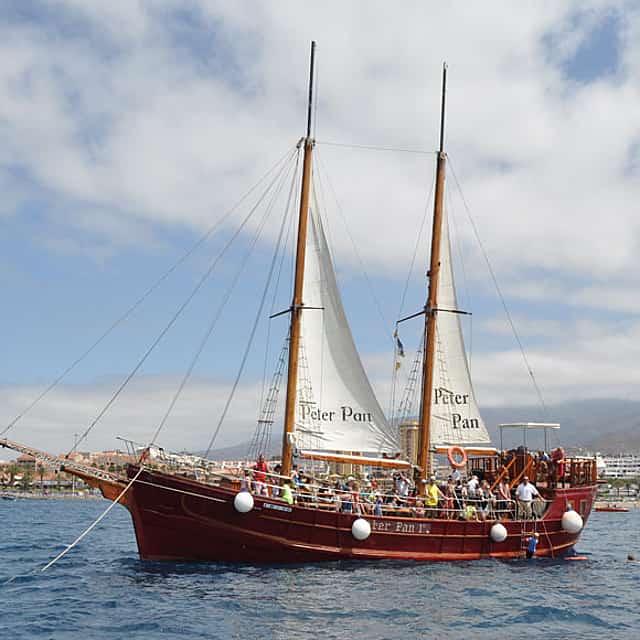
Výlet lodí Peter Pan s pozorováním velryb na Tenerife
2 hod.
zobrazení v poslední době: 20
Od€27.00/ osoba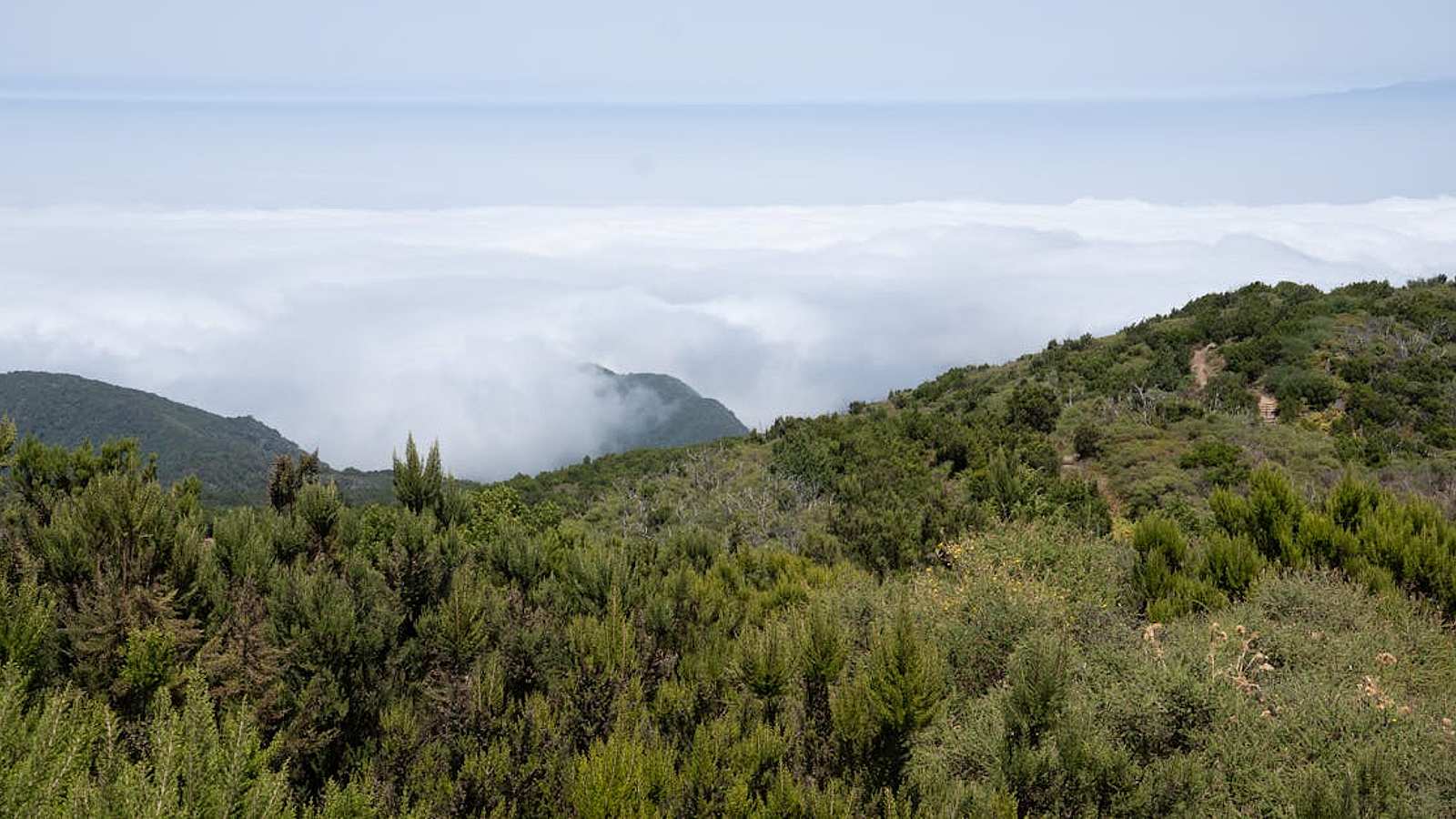
Tenerife se chová jako dva ostrovy sešité k sobě. Pasáty narážejí na sever, takže Puerto de la Cruz, údolí Orotava a hřeben Anaga jsou zelené, mokré a často pod mrakem, kdežto jižní pruh — Los Cristianos, Costa Adeje, Los Abrigos, El Médano — leží ve srážkovém stínu, suchý a jasný skoro každý den v roce. Santa Cruz je pracovní hlavní město na východním pobřeží, La Laguna za ním je na seznamu UNESCO zapsaná mřížka koloniálních ulic, kterou většina plážových návštěvníků nikdy nevidí. Na západě padají útesy Los Gigantes 500 metrů rovnou do moře a nad nimi se v soutěsce skrývá vesnice Masca. Uprostřed stojí Teide, 3 715 metrů, uvnitř kaldery široké šestnáct kilometrů, kterou silnice přejíždí ve zhruba dvou tisících metrech.
Většinu toho, co se dá dělat, mají na svědomí sopka a moře. Tichou specialitou ostrova je pozorování velryb: v kanálu mezi Tenerife a La Gomerou žije stálá populace kulohlavců, která nemigruje, takže jde o celoroční výlet. Teide funguje dvakrát — ve dne kvůli kráterové silnici a lanovce, po setmění kvůli večeřím s pozorováním hvězd, protože ostrov je rezervace Starlight a observatoř sedí na témž masivu. Podceňovanou částí je víno: réva v sopečném popelu na severních svazích a degustace, které jen zřídka působí turisticky. El Médano žije jízdou na plachetním prkně, velké zvířecí a vodní parky na jihu jsou rodinná klasika a lodě vyplouvají z Los Cristianos a Puerto Colón většinu rán.
Praktické. Obě pobřeží mají tentýž den jiné počasí, takže sever stojí za cestu i z jižního hotelu — hodinu napříč, a mračno nad Puerto de la Cruz do Los Cristianos málokdy dosáhne. Cokoli na Teide znamená výšku: na vrcholový kužel je potřeba povolení objednané dopředu, nahoře může být pod nulou, zatímco pobřeží má 22 °C, a silnice vzhůru se většinu zim na pár dní zavírá kvůli sněhu. Lodě vyplouvají ráno, před odpolední vlnou. Doprava je snadná a levná: autobusová síť Titsa dosáhne do většiny ostrova a půjčené auto stojí míň než skoro kdekoli v Evropě. Ceny jsou jako na pevnině nebo o kousek nižší — káva za euro a půl, polední menu kolem desítky — a spropitné jsou drobné, ne procenta. Ostrov běží na zimu: leden a únor jsou vrchol, karneval v Santa Cruz je nejrušnější týden roku a pokoje jsou pryč měsíce dopředu.
Tenerife, Kanárské ostrovy, Španělsko
2 hod.
zobrazení v poslední době: 20
Od€27.00/ osoba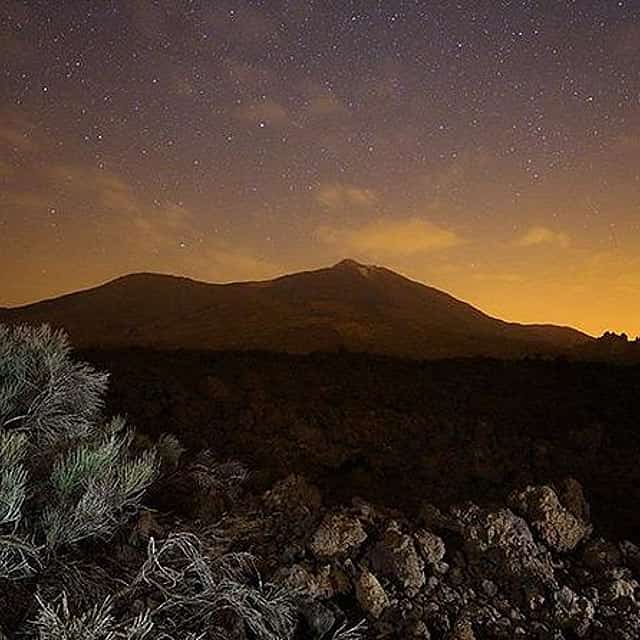
Tenerife, Kanárské ostrovy, Španělsko
8 hod.
Od€61.00/ osoba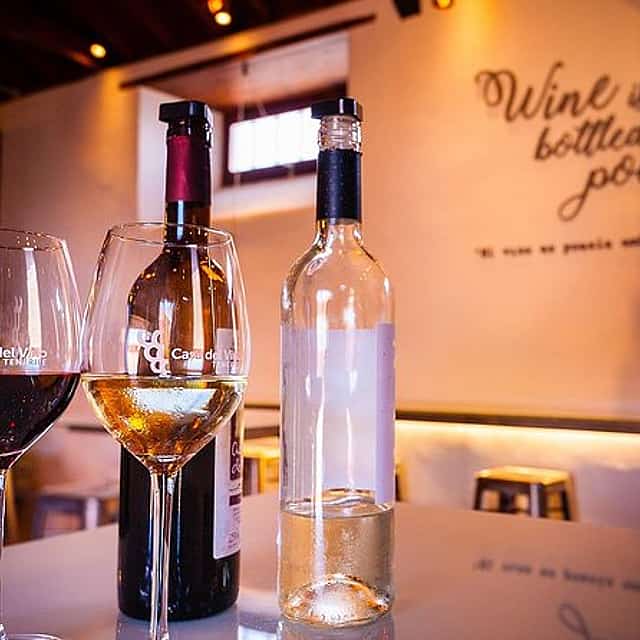
Tenerife, Kanárské ostrovy, Španělsko
8 hod.
Od€65.00/ osoba
Tenerife, Kanárské ostrovy, Španělsko
1 hodina
zobrazení v poslední době: 19
Od€350.00/ osobaNapište nám, co plánujete, a místní hostitelé vám pošlou nabídky na míru vašim termínům, skupině a rozpočtu.