
"Scopri Mtskheta: Tour Panoramico da Tbilisi in Georgia"
Mtskheta, Georgia
Tour dei siti patrimonio dell'UNESCO: Monastero di Jvari, Cattedrale di Svetitskhoveli, Monastero di Samtavro e Armaztsikhe - Bagineti, Monastero di ShioMgvime e tesori nascosti della storica città di Mtskheta.
Politica di cancellazione
Prima di prenotare, leggi le condizioni del fornitore qui sotto.
Durata 9 ore
Durata indicata dal fornitore dell'esperienza.
Lingua
inglese
Dimensione del gruppo
Da 1 a 15 viaggiatori
Descrizione completa
Il viaggio privato di un'intera giornata a Mtskheta da Tbilisi include la visita dell'antica capitale della Georgia dove l'uomo si stabilì dal 2° millennio a.C. e la scoperta dei siti Patrimonio dell'Umanità dell'UNESCO: il Monastero di Jvari costruito nel 6° secolo e sopravvissuto quasi immutato, la Cattedrale di Svetitskhoveli dove è sepolta la veste di Gesù e il Monastero di Samtavro, entrambi completati nell'11° secolo. Visiterete anche Armaztsikhe-Bagineti, una delle città più antiche dell'Era Antica, chiamata anche Acropoli Georgiana, risalente al 3° secolo a.C. e "la grotta di Shio", un complesso monastico medievale situato in uno stretto canyon calcareo con molte celle eremitiche un tempo utilizzate. Sono disponibili due opzioni per il tour. L'opzione Tour con Pranzo include la degustazione dei migliori piatti della cucina tradizionale locale. Il tour a Mtskheta è adatto a persone che desiderano viaggiare nel tempo per esplorare tutti i principali siti turistici e le gemme nascoste dell'antica capitale della Georgia, nota per i suoi eccezionali esempi di architettura medievale. Distanza totale in auto 105 km (65 miglia).
Itinerario
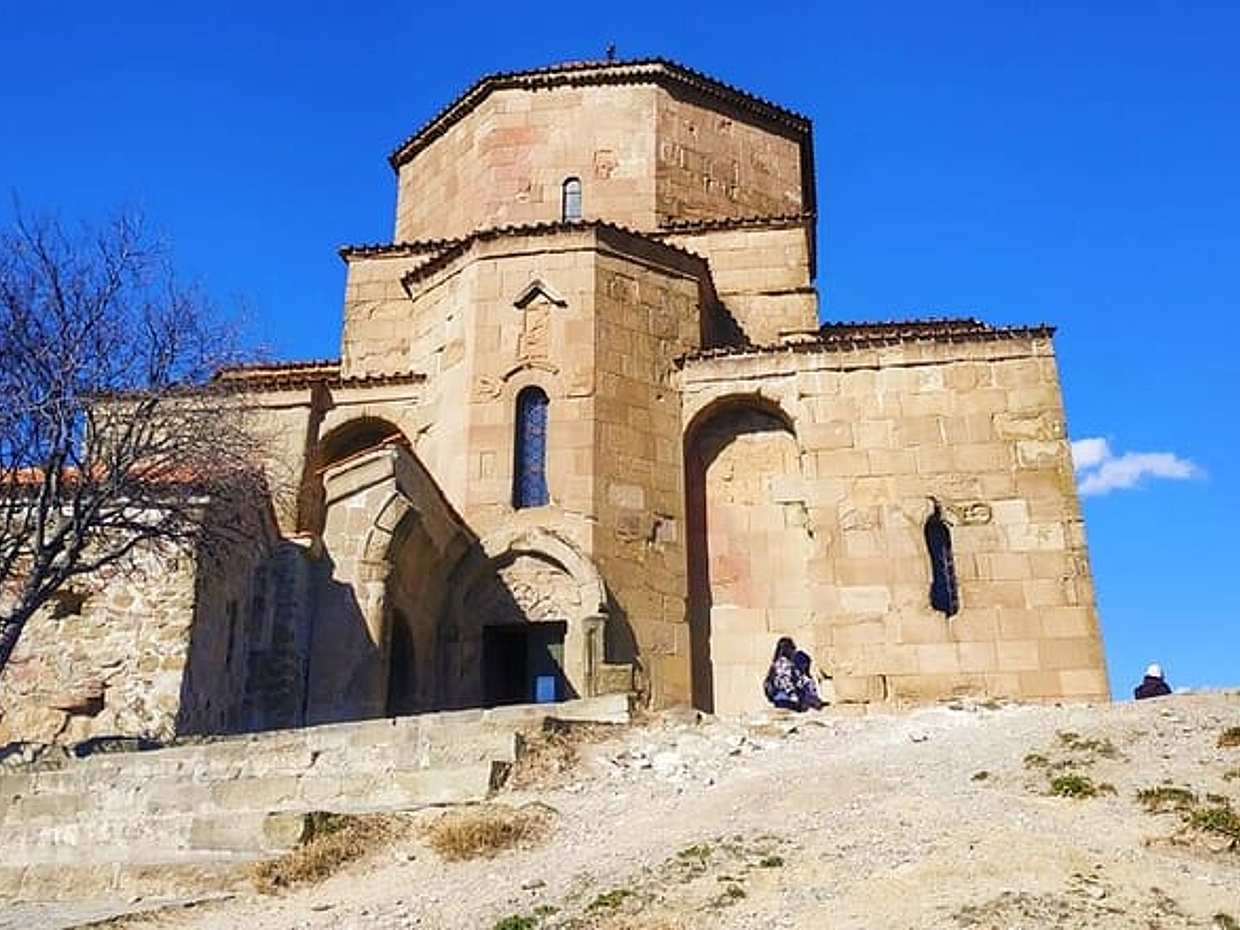
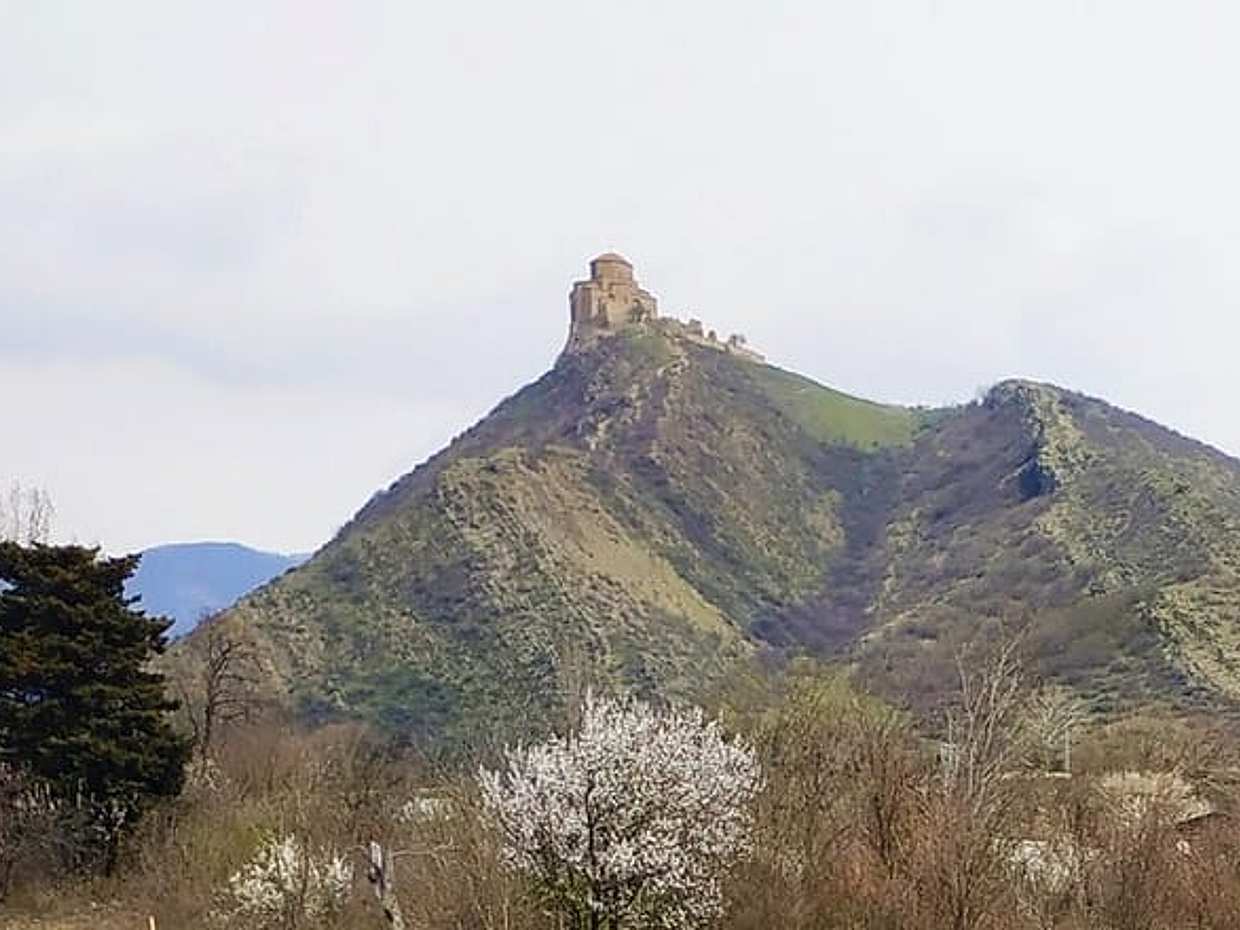
Jvari Monastery is the 6th century UNESCO site that survived almost unchanged. The church founded the Jvari type of church architecture, prevalent in Georgia and Armenia. In 4th century St. Nino, a female evangelist who converted King Mirian III to Christianity, erected a large wooden (or vine) cross on the site of a pagan temple. A small church was erected over the remnants of the wooden cross in 545 during the rule of Guaram I, and named the "Small Church of Jvari", which can still be seen to the north. "Great Church of Jvari" was built in 590- 605 by Guaram's son Erismtavari Stepanoz I.
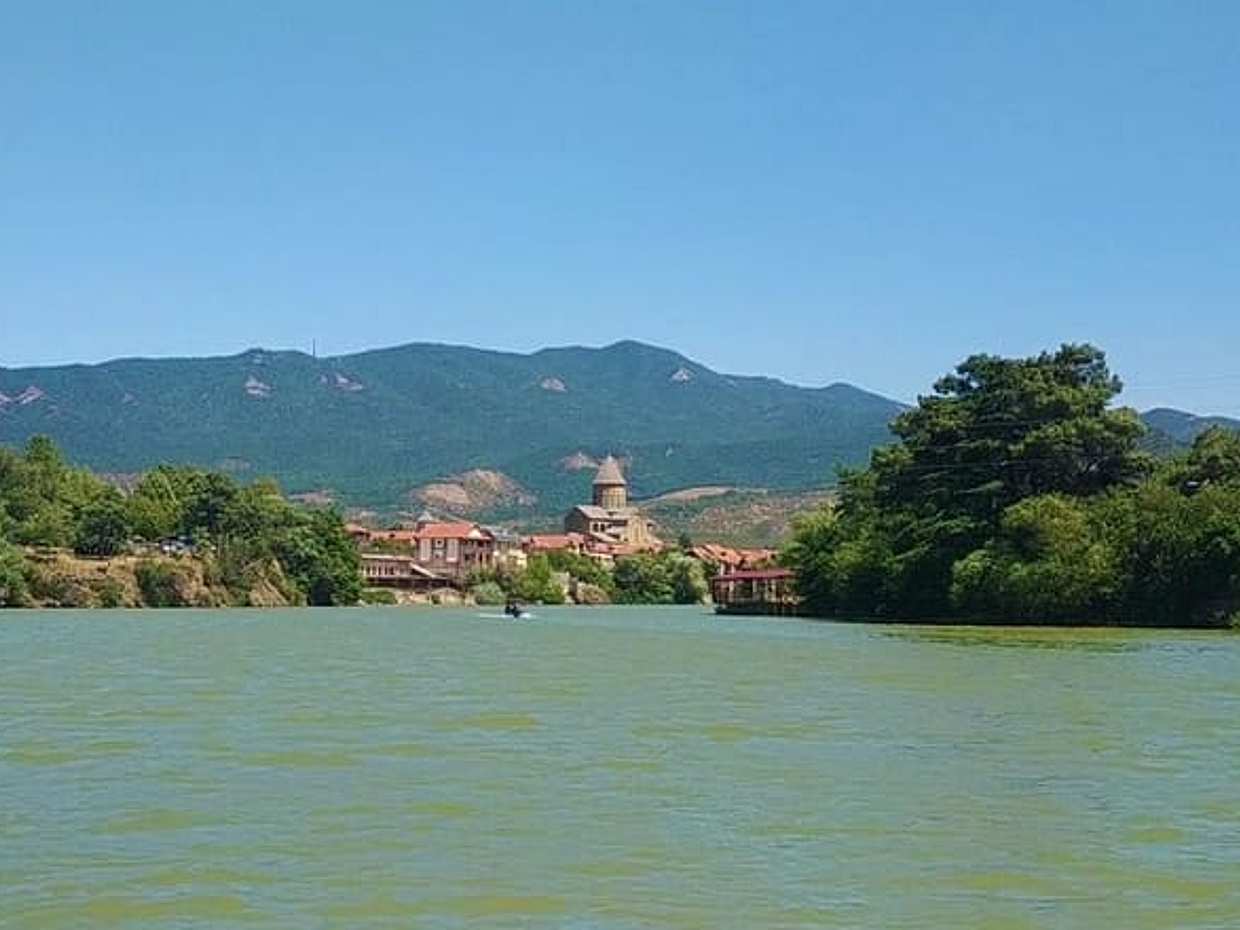
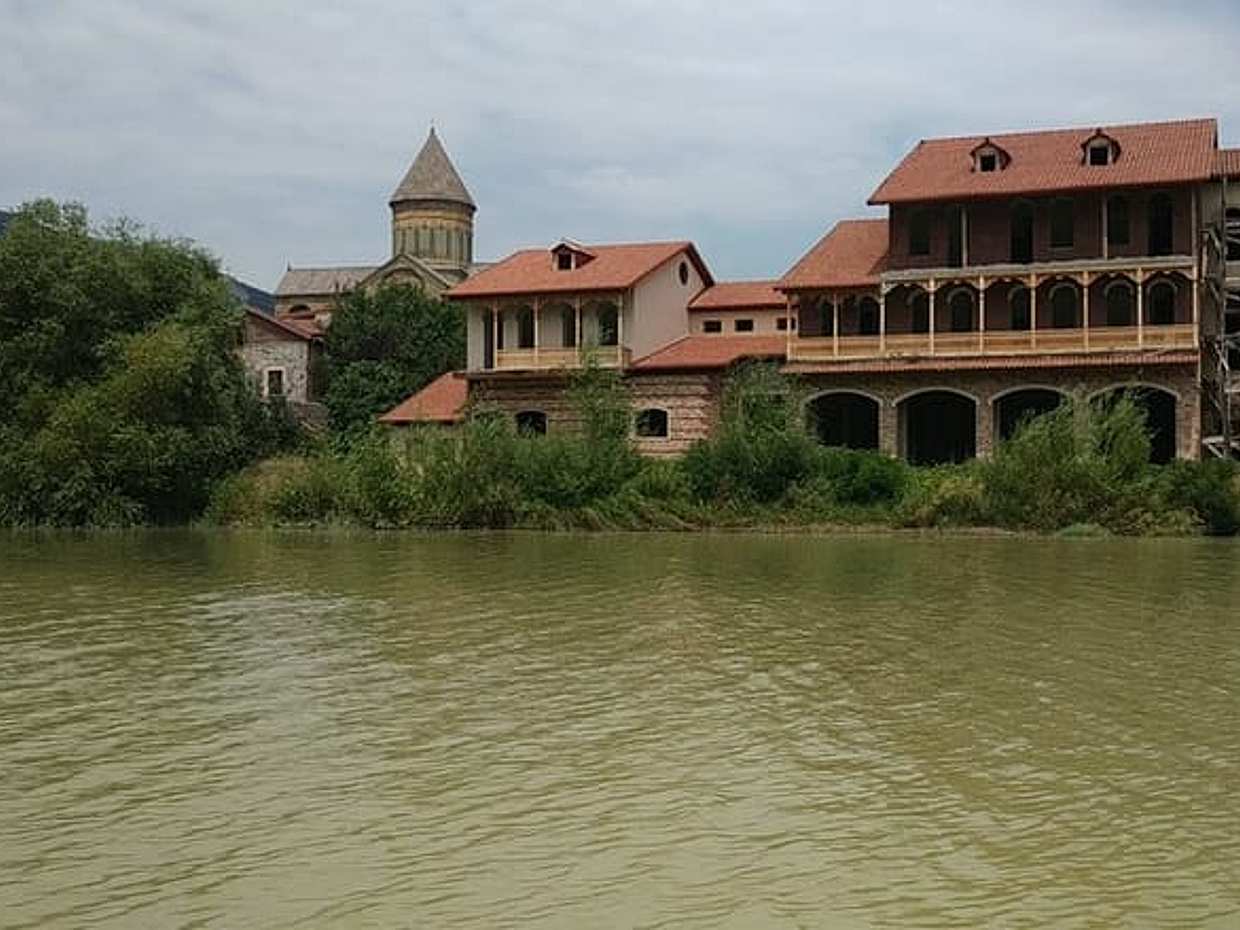
Svetitskhoveli Cathedral (the Cathedral of the Living Pillar) is the second largest church in Georgia known as the burial site of Christ's mantle and recognized by UNESCO. The present cross-in-square structure was completed in 1010-1029 by architect Arsukisdze. In 4th century A.D. during the reign of Mirian III of Kartli (Iberia), St. Nino chose the confluence of the Mtkvari and Aragvi rivers as the place of the first Georgian Church. In the 1st century AD a Georgian Jew from Mtskheta named Elias was in Jerusalem when Jesus was crucified. Elias bought Jesus’ robe from a Roman soldier at Golgotha and brought it back to Georgia. Returning to his native city, he was met by his sister Sidonia who upon touching the robe immediately died from the emotions engendered by the sacred object. The robe could not be removed from her grasp, so she was buried with it. Later, from her grave grew an enormous cedar tree. Ordering the cedar chopped down to build the church, St. Nino had seven columns made from it for the church's foundation. The seventh column, however, had supernatural properties and rose by itself into the air. It returned to earth after St. Nino prayed the whole night. It was further said that from the seventh column a sacred liquid flowed that cured people of all diseases.
Samtavro Monastery was founded in the 4th century by the King Mirian III, when a small church was built here by Saint Nino. The main temple is stylistically dated to the first half of the 11th century and was probably built or rebuilt soon after Svetitskhoveli cathedral, by the King George I and Catholicos-Patriarch Melchizedek I. It is protected by UNESCO and combines Transfiguration Church and Nunnery of St. Nino.
Shio-Mgvime Monastery was founded by the 6th century monk Shio, one of the Thirteen Assyrian Fathers who came to Georgia as Christian missionaries. St. Shio spent his last years as a hermit in a deep cave. The earliest building the Monastery of St. John the Baptist – a cruciform church, very plain and strict in its design dates to 560s-580s. The church has an octagonal dome covered with a conic floor and once housed stone iconostasis now at the Art Museum of Georgia. The monastery was altered in the 11th and 18th centuries but retained its original architecture.
Cosa è incluso?
Incluso
- Guida
- Trasferimento
- Biglietto d'ingresso
- ✔ Trasporto privato con A/C
- ✔ Guida privata parlante inglese
- ✔ Tutti i biglietti d'ingresso
- ✔ Acqua in bottiglia
Informazioni importanti
Punto d'incontro
Mtskheta, Georgia
Non dimenticare
Il Budget Tour non include il pranzo, ma è prevista una sosta in un ristorante per il pranzo. Le donne devono indossare foulard e abiti nelle chiese ortodosse georgiane. Sono vietati anche i pantaloni corti per gli uomini. Foulard e abiti possono essere trovati anche vicino ad alcuni ingressi delle chiese. Il tour include una passeggiata nel centro storico di Mtskheta con vari tipi di terreno, scale ecc. Si consigliano scarpe comode.
Politica di cancellazione
Free cancellation if cancelled more than 24 hours before start. 100% charge if cancelled within 24 hours of start.
Il tuo host
VE
Verified Local Host
Su GetExperience dal 2026
Potrebbe interessarti anche

Mtskheta, Georgia
Mtskheta, Jvari, gori, uflistsikhe, history and panorama (Private tours)
9 ore
Da€160.16/ persona
Mtskheta, Georgia
Private Day Tour: Tbilisi, Mtskheta and Jvari Monastery
6 h 30 min
Da€131.21/ personaDa€248.84 / gruppo