



Porto Guided Tuk Tuk Tour
Rua de Augusto Rosa 180, Porto, 4000-528
Come and discover Porto in a Tuk Tuk, we will visit the main points and monuments of the city, the oldest neighborhoods and finally, we will cross the river to glimpse the wonderful landscape over Porto and the Douro river.
Politica di cancellazione
Prima di prenotare, leggi le condizioni del fornitore qui sotto.
Durata 2 ore
Durata indicata dal fornitore dell'esperienza.
Lingue
portoghese, inglese, spagnolo
Dimensione del gruppo
Da 1 a 50 viaggiatori
Descrizione completa
This experience starts next to the São João National Theater, the guide will start by doing a short briefing to inform you how the tour will develop and to check the comfort and safety of the group.
On this tour you will discover the medieval origins of the city of Porto, walk through the alleys of the old neighborhoods where the city was founded, glimpse some of the most iconic monuments, all this in a relaxed atmosphere but always with the proper explanations by a local and experienced guide.
We will cross the Infante bridge and make a brief stop on the left bank of the Douro River, next to the Serra do Pilar Monastery to enjoy a glass of Port Wine, while we contemplate the Douro River and the city of Porto on the other side, surely one of the most beautiful views of Portugal!
A private and exclusive tour, with an unique itinerary, in a mix between Tuk Tuk, short walks and the best places to take pictures.
Come and discover with us the history, culture, gastronomy and some curiosities of Porto.
Discover the Essence of Porto.
Itinerario
S. João National Theater. This classic building was constructed in 1910 on top of the ruins of the Real Theatre which burned down in 1908. With stylistic emblems representing pain, quality, hate and love. The main façade is inspired by its renovation in the style of Luís XVI, which is typical of the early years of the 20th Century, namely in France. Designed by Marques da Silva, it is considered a building of public interest.
Fernandine Walls. This Romanesque wall was constructed in the 12th century, demarcating the administrative and urbanistic extent of Porto, after a long period of dispersed population. Of this structure, there are important remains that were not destroyed in the intervening years.
Monastery of Serra do Pilar. The Monastery of Serra do Pilar is a former monastery located in Vila Nova de Gaia, Portugal, on the opposite side of the Douro River from Porto. The monastery is situated on an outcrop overlooking the Dom Luís I Bridge and the historic centre of Porto. The monastery is notable for its church and cloister, both of which are circular.
D. Luiz I Bridge. Planned by the engineer Teófilo Seyrig, a disciple of Eiffel, it was inaugurated in 1886 and it is composed by two overlapping iron decks. The bridge has 395 metres long and 8 metres wide, and its arch is still considered to be the world's biggest one in forged iron. Nowadays the upper deck is used by the Metro of Porto, connecting the area of Porto's Cathedral to the Garden of Morro and to the Avenida da República in Vila Nova de Gaia.
São Francisco Church. The city's most important Gothic temple, whose construction began in the fourteenth century. It is one of the most important works of the Baroque, by its gilded interior from the seventeenth and eighteenth centuries. It was the exuberance of its gild carved wood work that led Count Raczinsky to describe it as the 'Church of Gold'. And, overwhelmed, he adds: 'The gild of this church is so beautiful and rich that goes far beyond everything I have seen in Portugal and in the whole world'.
Stock Exchange Palace. A National Monument, the Palácio da Bolsa (Stock Exchange Palace) is the property and headquarters of the Commercial Association of Porto. It was designed by Joaquim da Costa Lima in a neoclassical style in 1842. Situated in the historical centre, it is one of the most visited monuments with the famous Arabian Room being its major highlight.
Alfândega do Porto. A neoclassical building, built in the 19th century, according to a project carried out by the engineer Jean F. G. Colson. It has two facades, one facing the Douro river and one facing the city. Note the structural solutions that resorted to the use of iron in conjunction with other materials - stone, brick or wood - depending on the functionality of the different spaces.
Ponte do Infante D. Henrique. The bridge was inaugurated in 30 March 2003 following a project by the engineer Adão da Fonseca. It was built to replace the upper deck lane of the D. Luís I Bridge, used now by the metro line D . With a 371 metres long and 20 metres wide deck, it is a Maillart-type arch bridge, built at a high altitude level, presenting a span-rise ratio of 11,2, with a 280 m arch span - a world record, it is considered by the world experts to be one of the most elegant of its type. It connects the Fontaínhas area to the Parish of Oliveira do Douro in Vila Nova de Gaia.
Mercado Ferreira Borges. This market was built in 1885, by order of the City Council, in order to replace the old Mercado da Ribeira (Ribeira Market). It operated as a market for a very short period of time, having been used for various purposes. It represtents an important example of iron architecture in Porto, which was later renovated to become an entertainment venue, where Hard Club is now located.
Cosa è incluso?
Incluso
- Port Wine Glass
Non incluso
- Monuments Entrance
Informazioni importanti
Punto d'incontro
Rua de Augusto Rosa 180, Porto, 4000-528
Non dimenticare
Not wheelchair accessible Children must be accompanied by an adult A minimum of 2 people per booking is required This is a private tour/activity. Only your group will participate Times are subject to change due to local traffic conditions. Infant seats unavailable
Politica di cancellazione
Free cancellation if cancelled more than 24 hours before start. 100% charge if cancelled within 24 hours of start.
Il tuo host
VE
Verified Local Host
Su GetExperience dal 2026
Potrebbe interessarti anche

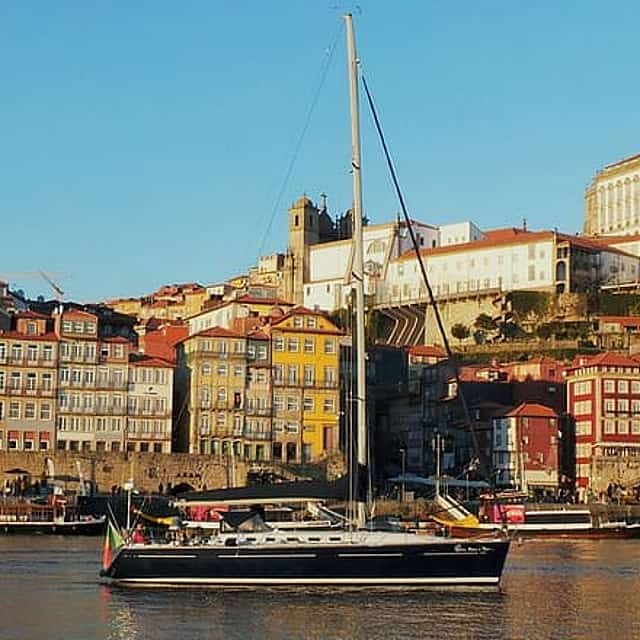
Porto, Portugal
Porto: Boat Tour by the Douro River with Wine and Snacks included
2 ore
Da€43.00/ persona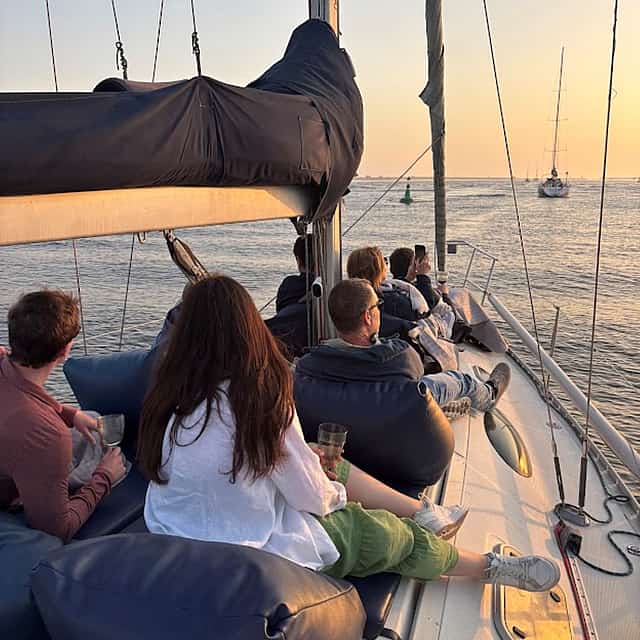
Porto, Portugal
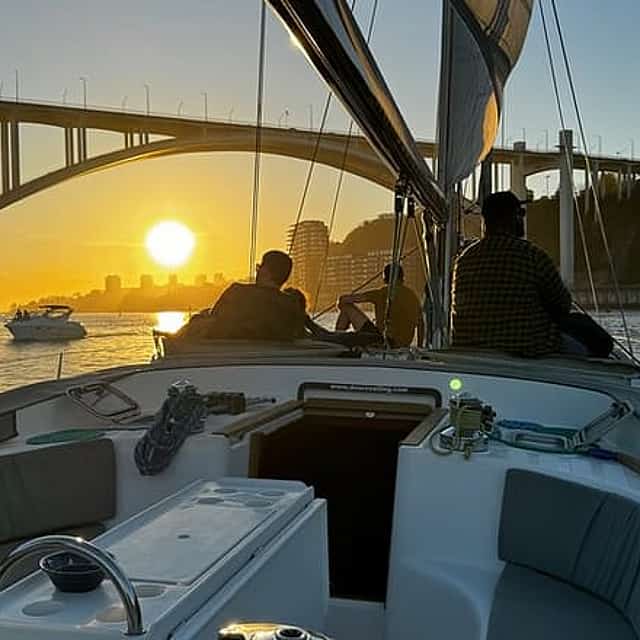
Porto Boat tours, 6 bridges with sunset option
2 ore
20 visualizzazioni di recente
Da€50.00/ persona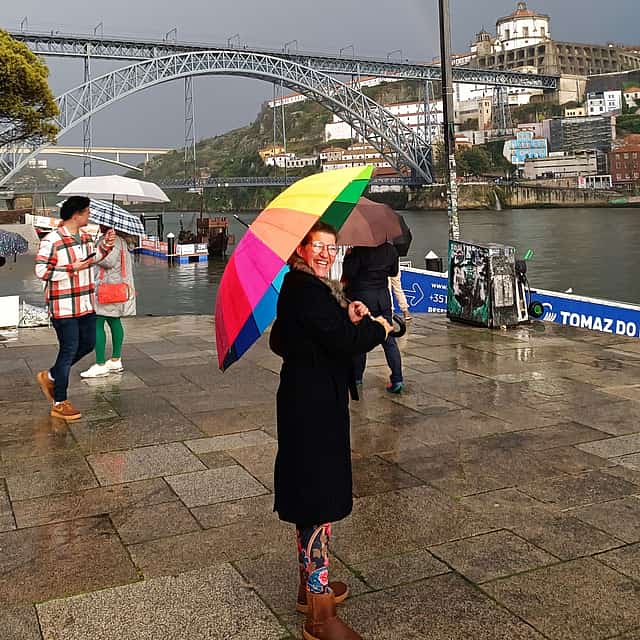 Solo su richiesta
Porto, Portugal
Invincible City of Porto Walking Tour
2 h 30 min
16 visualizzazioni di recente
Da€50.00/ personaDa€39.00 / persona