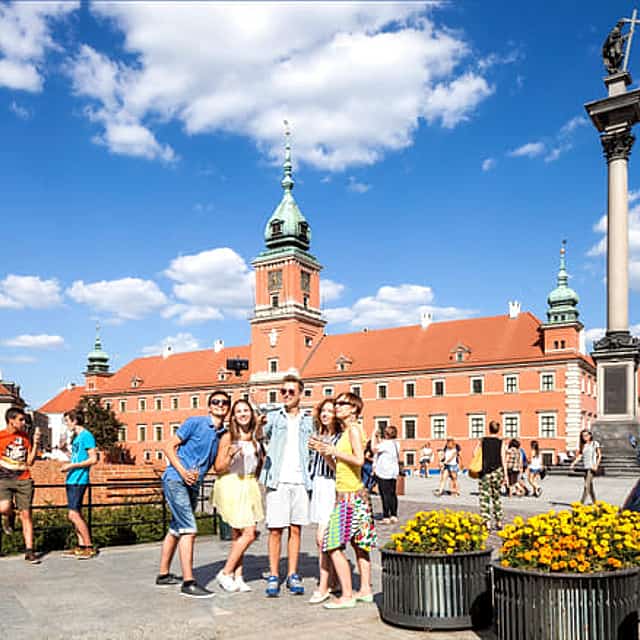
Poznań., Polska.
Warsaw – The Capital of Poland - PRIVATE tour from Poznan by train (12h)
12 godz.
wyświetleń w ostatnim czasie: 33
Od€366.00/ os.This is a fully private tour with a private guide and private transportation.
Polityka anulacji
Przed rezerwacją zapoznaj się z poniższymi zasadami dostawcy.
Czas trwania 8 godz.
Czas trwania podany przez organizatora przeżycia.
Języki
angielski, hiszpański, włoski, francuski, niemiecki, polski, rosyjski
Rozmiar grupy
1–15 podróżnych
Your guide will greet you at the hotel and invite you for the fully private sightseeing.
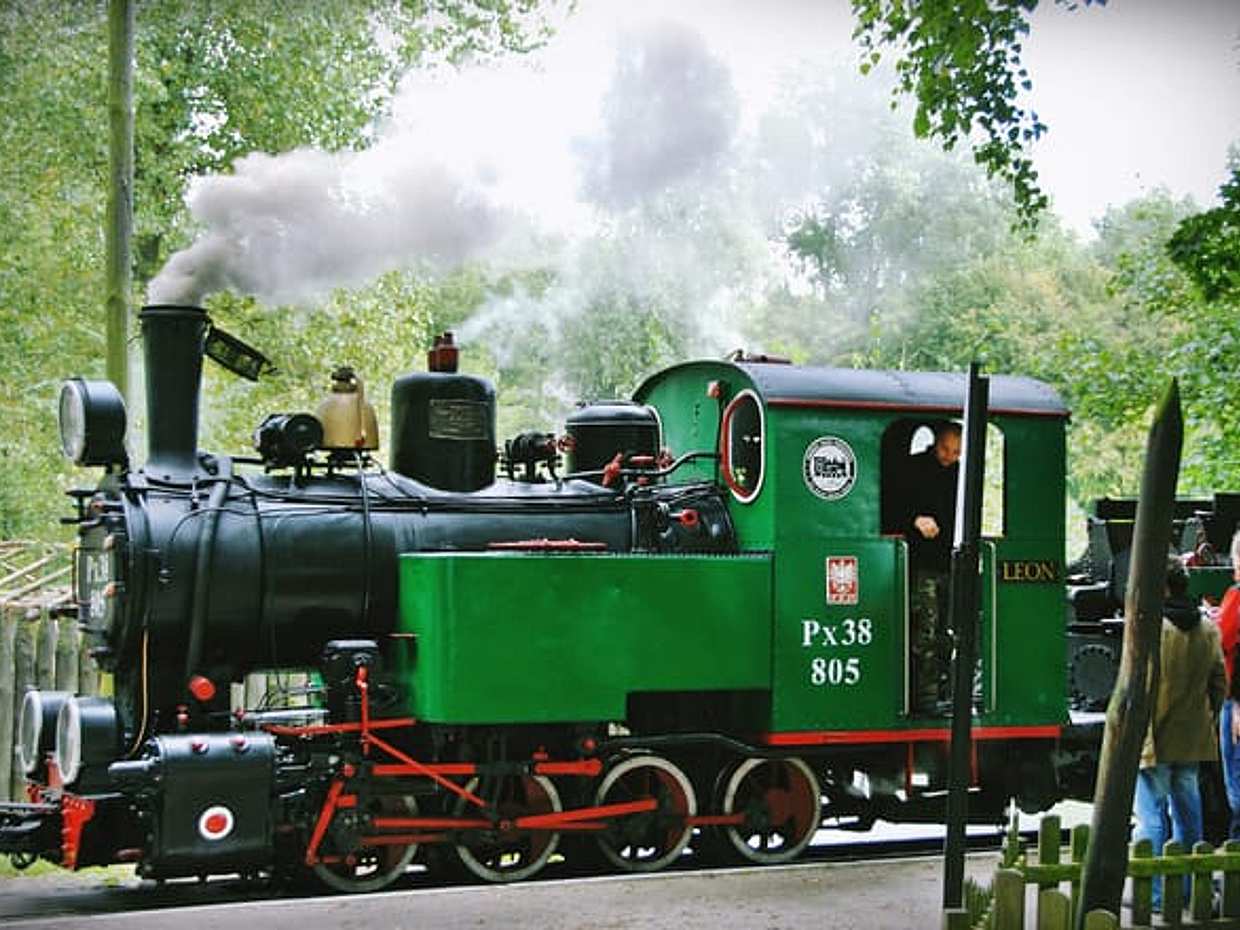
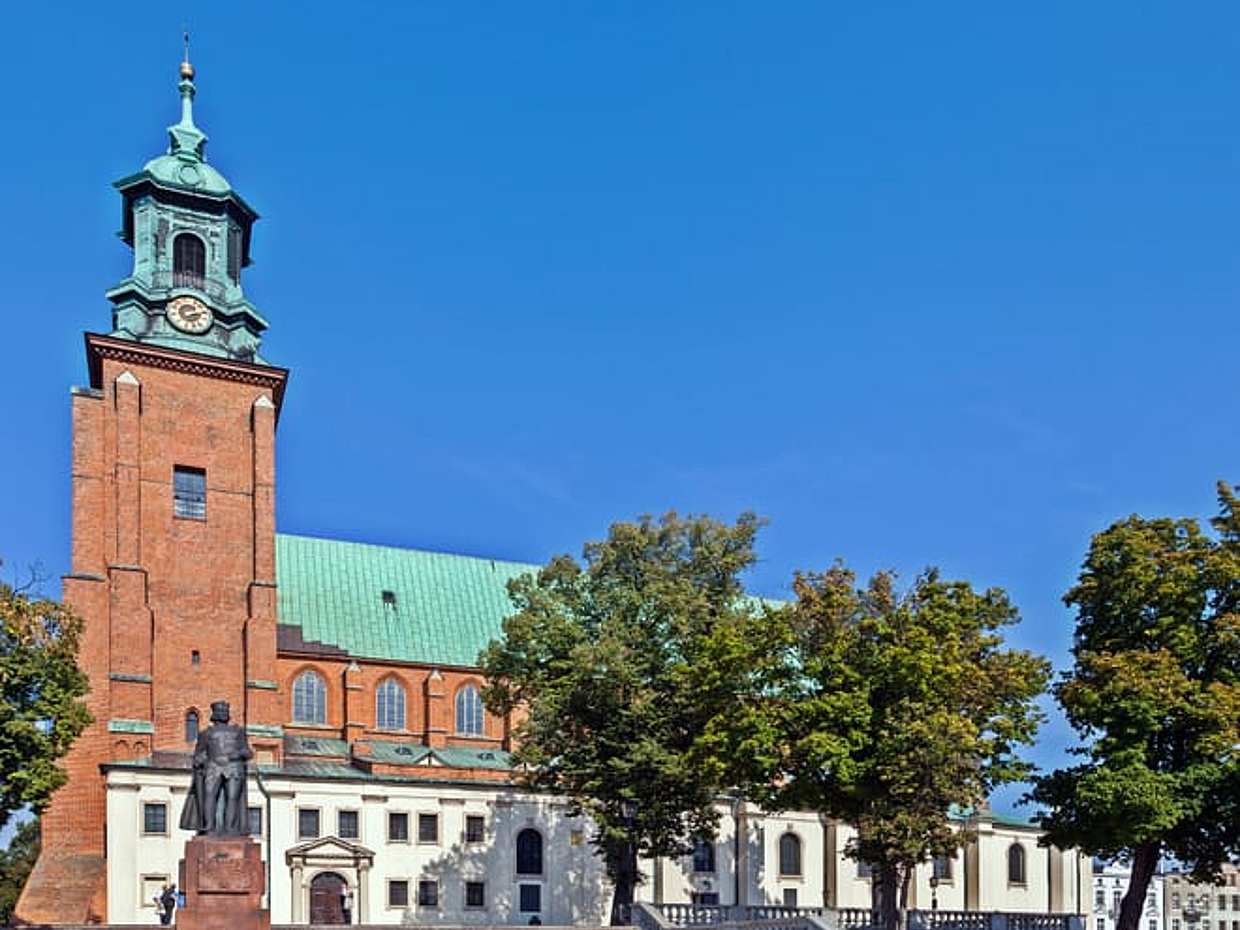
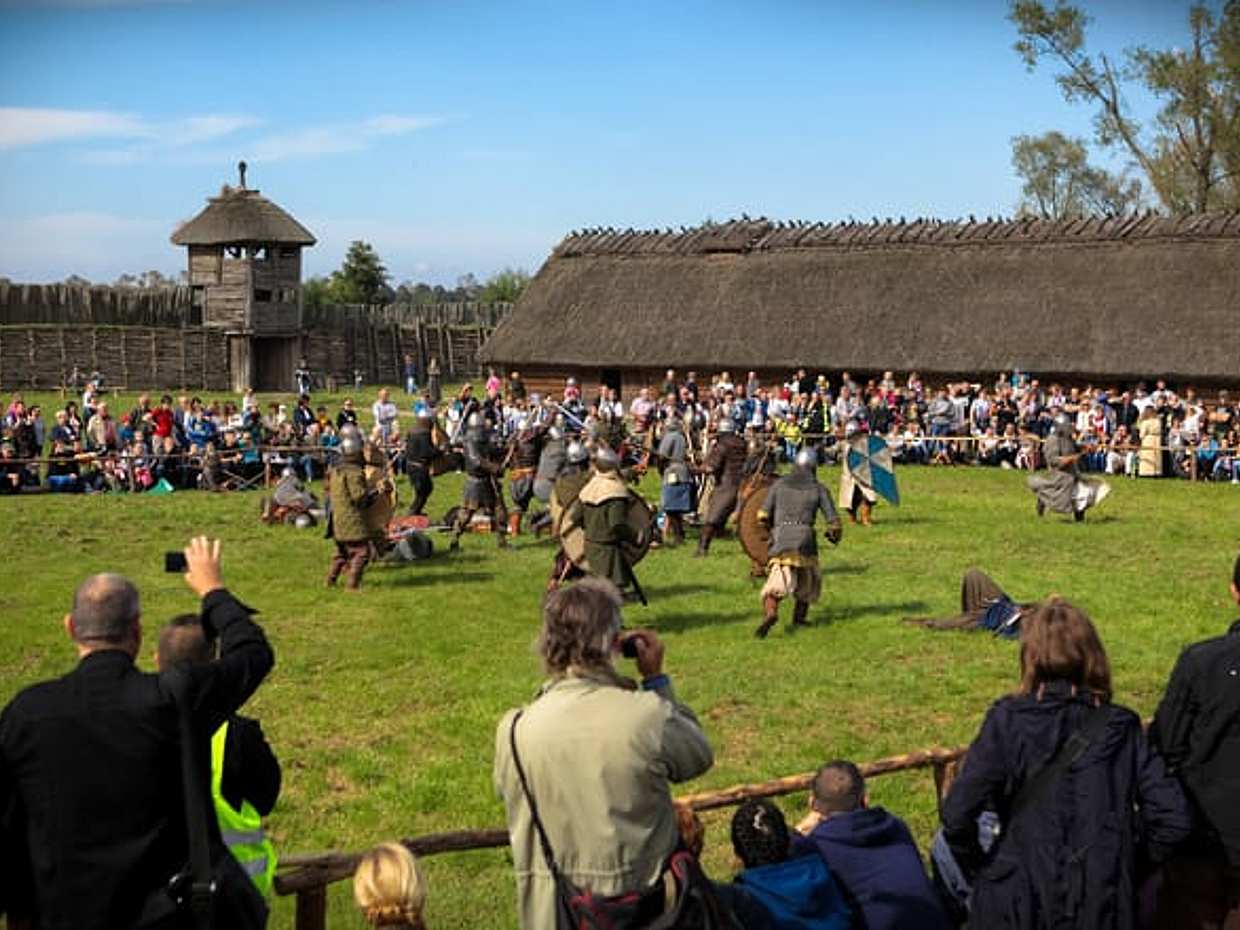
Transfer from Poznan to Gniezno, the first capital of Polish state. Visit to the Cathedral, famous for the bronze Romanesque doors depicting the scenes from St. Adalbert’s life. Further drive to Biskupin, the oldest settlement in Poland dating back to the 8th century BC and sightseeing of the museum – the impressive town reconstructed without a single nail. After lunch break if you are lucky, take a joyful ride by narrow gauge railway to Wenecja village. Visit the Narrow Gauge Train Museum with a stylish waiting room and many kinds of old locomotives and carriages. At the end hear the interesting legend of the Wenecja devil and see the ruins of his castle. Admire Polish beautiful countryside on the way back to your hotel in Poznan.
Wielkopolska Region – a cradle of Polish State – is located in the western part of Poland. Poznań, the region's capital, is one of the biggest cities in Poland. The city attracts with its architecture and history. In Wielkopolska particularly worth visiting are numerous castles, palaces and mansions which today hold charming hotels and unique museums. Wielkopolska enchants you with its landscape of slightly undulating plains and lusciously green open space with numerous rivers, lakes and forests, and moraine hills adding variety to its landscape. Here, you can take a break from your hectic life, and just relax or you can choose active tourism.
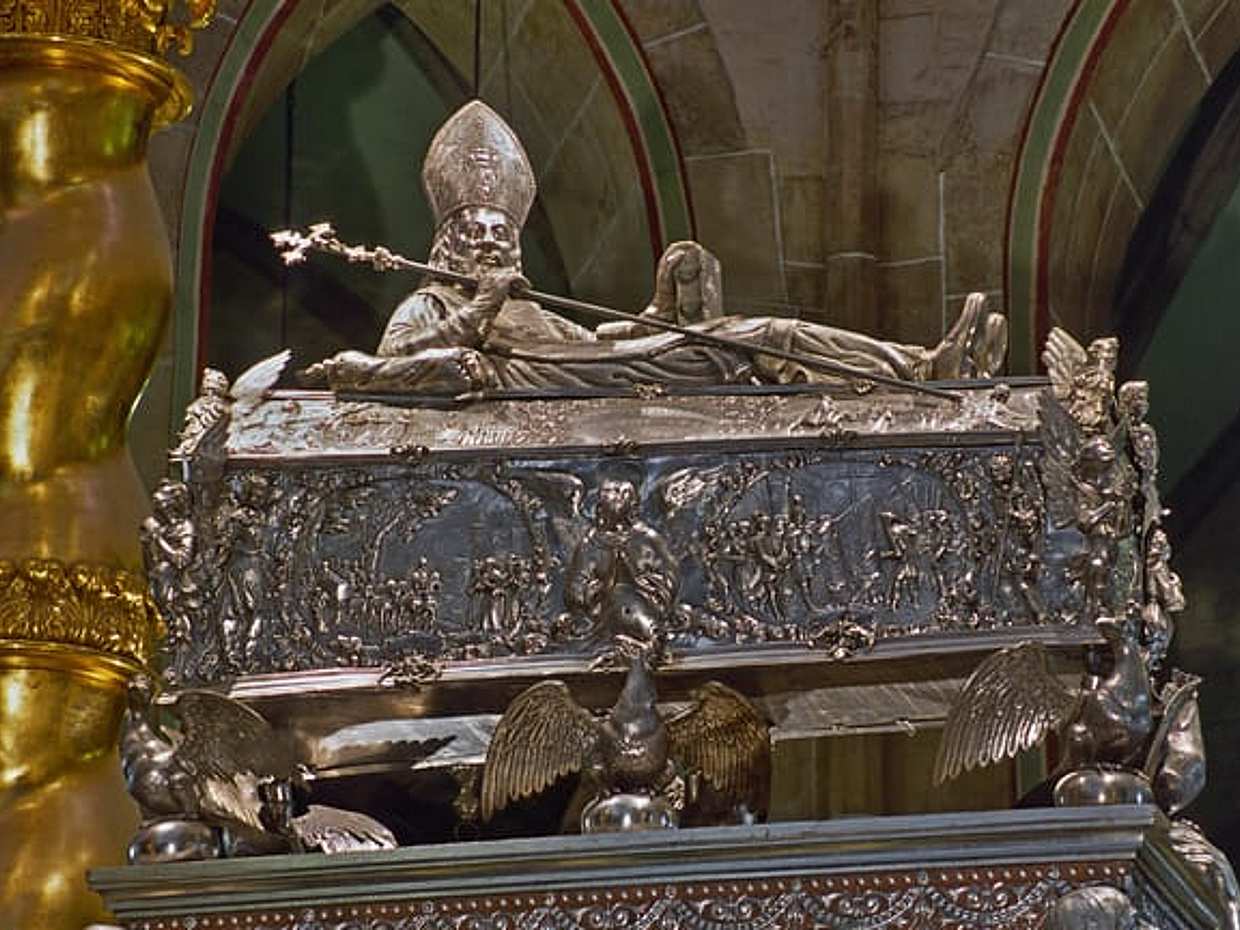
Gniezno is one of the largest cities in Wielkopolska and an important point on the Piast Trail. Although the precise origins of the first settlement of Gniezno are not known, but already in 8th century a fortified establishment was in here, so it is associated with the beginnings of the Polish state. It is in here where the baptism of Poland took places in 966 changing pagan country into Christian state. Bishop Wojciech (Adalbert) left here on his missionary expedition to the Prussians in 997. In 1000, the new church that Boleslaus the Brave had built around the grad was elevated to the status of a metropolitan cathedral and oversaw the dioceses of Cracow, Wroclaw and Kolobrzeg. Holy Roman Emperor Otto III also made a pilgrimage to Gniezno in 1000 to visit the grave of St. Wojciech. Poland’s first king, Boleslaus the Brave, was crowned in the cathedral in 1025, as was his son Mieszko II soon afterwards. Being a capital of Poland and a place of coronations of Polish kings the importance of Gniezno grew. Although later on the state capital was moved to Krakow, Gniezno still plays an important role in religious hierarchy being the religious capital of Poland and the archbishops of Gniezno is also a primates of Poland. Gothic Gniezno cathedral is one of the historically most important Polish churches. It contains the Gniezno Doors, one of the most important works of Romanesque art in Poland, as well as the coffin of Saint Wojciech (known as Adalbert of Prague). Apart of it Gniezno Old Town filled with historic townhouses, buildings and churches is worth a visit as well.
Biskupin is a fortified lake village built around 700 BC by a tribe belonging to the Lusatian culture. This Iron Age village was built on a flat island and surrounded by a barricade consisting of a wooden framework filled with earth and sand. The well-known Biskupin excavations are located on a peninsula encircled by lakes and swamps. Nowadays the whole complex serves as open air museum presenting reconstruction of Iron Age Biskupin wooden village as well as other wooden building from 8th up to 18th century. In the museum you can also learn about the habits of the people who used to live here, their work and crafts. However, you do not gain this knowledge by listening to lengthy lectures, but by yourself participating in the daily activities of our ancestors and, as it were, going back to their era. An educational archaeological fair is held here annually in September. The museum pavilion offers a permanent historical display. From Biskupin you can take a joyful ride by narrow gauge railway to the nearby Wenecja village.
Wenecja. In village of Wenecja you can visit a narrow-gauge railway museum with a stylish waiting room and many kinds of old locomotives and carriages. During the summer, the 19th century train travels between Znin and Gasawa passing through Biskupin and Wenecja. After visiting the museum you can see the ruins of Wenecja castle and discover the interesting legend of the Wenecja devil who used to live there.
Poznań., Polska.
Verified Local Host
W GetExperience od 2026 roku
Poznań., Polska.
12 godz.
wyświetleń w ostatnim czasie: 33
Od€366.00/ os.
Poznań., Polska.
10 godz.
wyświetleń w ostatnim czasie: 29
Od€471.00/ os.
Poznań., Polska.
12 godz.
wyświetleń w ostatnim czasie: 38
Od€507.00/ os.
Poznań., Polska.
5 godz.
wyświetleń w ostatnim czasie: 29
Od€174.00/ os.
Poznań., Polska.
4 godz.
wyświetleń w ostatnim czasie: 35
Od€298.00/ os.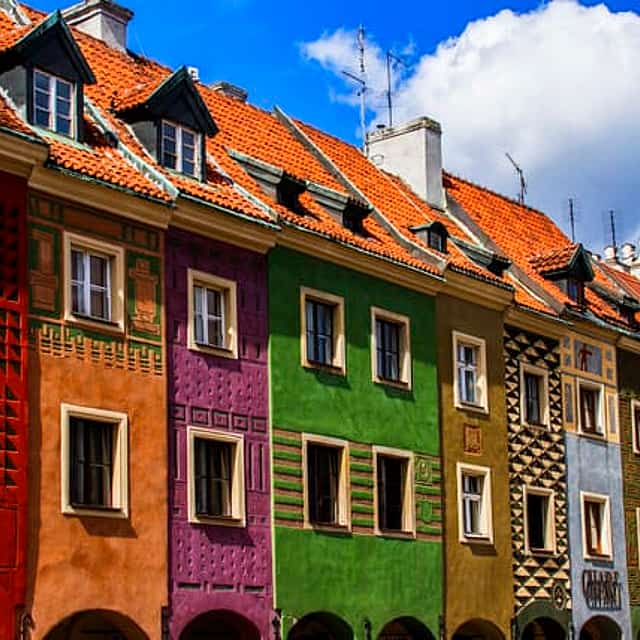
Poznań., Polska.
4 godz.
wyświetleń w ostatnim czasie: 36
Od€198.00/ os.Od€469.00 / grupa