Montpellier, Frankreich
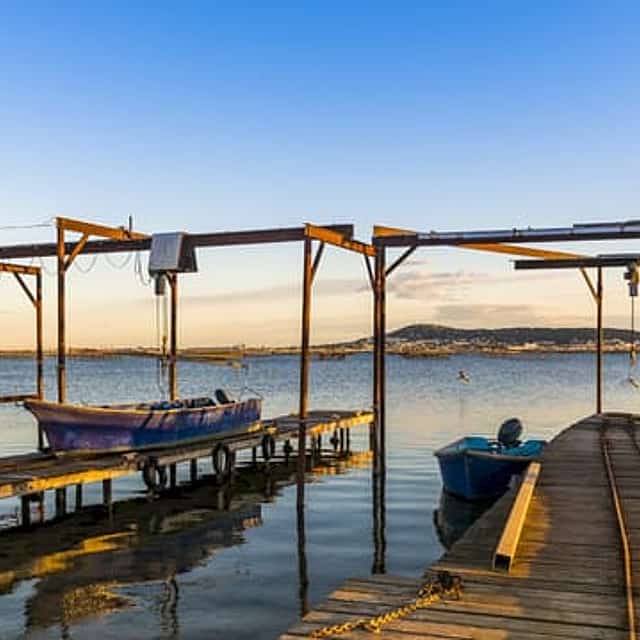
Sète Private Shore Excursion: Oyster Tasting and Languedoc Wine Experience
7 Stunden
Ab€1,391.64/ PersonExperience the enchanting medieval charm of Carcassonne on this exclusive full-day shore excursion tailored for cruise guests arriving in Sète. Explore Europe’s largest fortified city, steeped in history, breathtaking architecture, and picturesque.
Annullierungspolitik
Lies vor der Buchung die Bedingungen des Anbieters weiter unten.
Dauer 8 Stunden
Dauer laut Angabe des Anbieters.
Sprachen
Englisch, Italienisch
Größe der Gruppe
1–8 Reisende
Embark on a Private Shore Excursion from Sète Port and discover the captivating medieval charm of Carcassonne, one of France’s most iconic UNESCO World Heritage Sites. This exclusive day trip is designed for cruise passengers seeking a seamless and immersive experience in southern France’s historic heart.
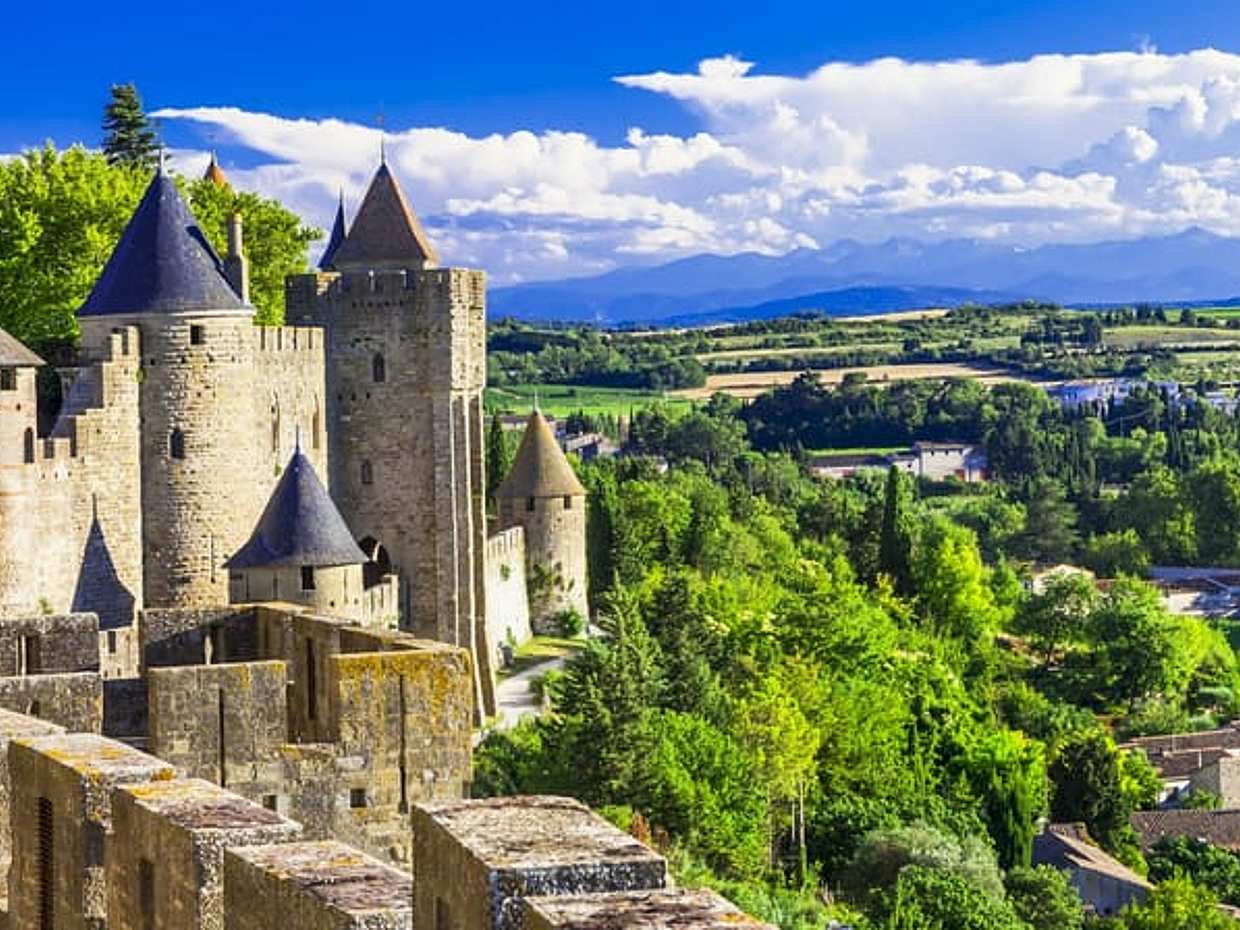
Your journey begins with a convenient pick-up directly from Sète Cruise Port. Board a comfortable, air-conditioned vehicle and enjoy a scenic drive through the picturesque Languedoc region, passing through vineyards, sunflower fields, and the stunning Canal du Midi. Your first destination is the walled city of Carcassonne, where you’ll step back in time to explore Europe’s largest fortified medieval city.
With the help of a knowledgeable, English-speaking guide, wander through La Cité’s cobbled streets, marvel at the double ramparts, and visit the magnificent Saint Nazaire Basilica with its stunning stained-glass windows. Hear tales of Carcassonne’s fascinating history, from Roman times to the Cathar Crusades.
Enjoy free time for lunch in the medieval town, where you can savor local specialties like Cassoulet. The tour concludes with a scenic return to Sète Port, leaving you with lasting memories of this historical gem. This private shore excursion is perfect for history buffs, photography enthusiasts, and anyone looking to experience Carcassonne’s unique beauty.
Pick-up:- Port de Sète. Pick-up:- Port de Sète
Carcassonne. Carcassonne: Detailed DescriptionCarcassonne is a breathtaking medieval fortress town located in the Occitanie region of southern France. Renowned for its striking walled city, La Cité, this UNESCO World Heritage site is one of the best-preserved medieval fortifications in Europe, drawing visitors from all over the world.The town’s history spans over 2,500 years, with its roots dating back to Roman times. Initially a fortified settlement, Carcassonne became an important strategic location throughout history due to its position on the border between the French and Spanish territories. Over the centuries, it evolved into a fortified city that played a key role in regional and religious conflicts, including the Cathar Crusades in the 13th century.The Walled City – La CitéThe most iconic feature of Carcassonne is its massive double wall, which surrounds the old town. With 52 watchtowers, La Cité looks like a fairy-tale fortress perched atop a hill, with stunning views over the surrounding countryside. The ramparts, which stretch over 3 kilometers, were designed for defense and protection, and walking along them allows you to take in panoramic views of the city and its surroundings.Inside the fortress, you’ll find narrow cobblestone streets lined with charming medieval shops, cafes, and restaurants. The entire area has a magical, almost time-travel-like atmosphere, and it’s easy to imagine what life was like during the Middle Ages.Saint Nazaire BasilicaA must-visit landmark in Carcassonne is the Saint Nazaire Basilica, a Gothic cathedral built between the 11th and 14th centuries. The basilica is known for its stunning stained-glass windows, some of which date back to the 13th century. The interior is equally impressive, with beautiful arches and intricate stone carvings. It’s a peaceful and awe-inspiring place to visit while in the fortress.History and LegendsThe history of Carcassonne is filled with legends and tales. One of the most famous is the story of Dame Carcas, the wife of a Saracen leader who is said to have outsmarted the besieging Frankish army in the 8th century. According to the legend, she threw a piece of meat from the city’s walls to make the enemy believe the city still had plenty of food. This clever ruse supposedly caused the besieging army to abandon their siege, and the city was saved. The name Carcassonne is believed to be derived from “Dame Carcas.”Modern Day CarcassonneToday, Carcassonne is a popular tourist destination that retains much of its medieval charm. The town outside the fortified walls, La Bastide Saint-Louis, is vibrant and modern, with wide streets, markets, and a lively town square. The contrast between the ancient fortress and the modern town offers a unique experience, blending history with contemporary French life.Whether you are interested in history, architecture, or simply taking in the beauty of the surroundings, Carcassonne offers a captivating glimpse into the past. Its historical significance, striking architecture, and enchanting atmosphere make it one of the most unforgettable destinations in France.
Carcassonne's Medieval Fortress. Carcassonne's Medieval Fortress:Carcassonne's Medieval Fortress, known as La Cité, is one of the most impressive and well-preserved fortified cities in Europe. Located in the Occitanie region of southern France, this UNESCO World Heritage site is a remarkable testament to medieval military architecture and has a fascinating history that spans over 2,500 years.The Walls and Towers:The fortress is renowned for its double walls, which stretch for over 3 kilometers (about 2 miles) around the old city. The outer wall is punctuated by 52 watchtowers that stand guard over the surrounding landscape. The walls were designed not only for defense but also to intimidate enemies, showcasing the strength and resilience of the city.There are two main gates that allowed access to the city in medieval times: the Narbonne Gate (the main entrance) and the Aude Gate. These gates are impressive examples of medieval fortifications and provide a glimpse into the tactical genius behind the design of the fortress.The Ramparts:The ramparts of Carcassonne offer breathtaking views of the surrounding area, including the Aude River, the Corbières Mountains, and the plains stretching toward the Pyrenees. Walking along the ramparts is one of the highlights of visiting the fortress. It’s easy to imagine soldiers keeping watch for approaching invaders while taking in the panoramic scenery.The History of La Cité:Carcassonne's origins date back to the Roman era, but the fortress as we see it today was primarily developed during the Medieval period. It played a crucial role in the region’s defense, particularly during the Cathar Crusades in the 13th century. The fortress was besieged multiple times, but its formidable walls and military strategies kept it safe.One of the most significant events in the history of the fortress was the siege of Carcassonne in 1209 during the Cathar Crusade, when the city was captured by forces led by Simon de Montfort. Afterward, the city became part of the French crown’s domain.Saint Nazaire Basilica:Inside the fortress, you'll find the Saint Nazaire Basilica, a stunning example of Gothic architecture with beautiful stained-glass windows dating back to the 13th century. This basilica is one of the key historical and religious landmarks in Carcassonne and offers a peaceful and awe-inspiring atmosphere amidst the bustle of the medieval town.Medieval Streets and Buildings:Inside the fortified walls, you’ll discover a maze of narrow, cobbled streets lined with medieval houses, shops, cafes, and restaurants. The old town retains much of its original charm, with buildings dating back to the Middle Ages. Some parts of La Cité feel like stepping back in time, where you can almost hear the sounds of medieval life.Restoration and Preservation:In the 19th century, the fortress was nearly demolished but was saved by the efforts of Eugène Viollet-le-Duc, a French architect known for his work in restoring medieval monuments. Viollet-le-Duc’s meticulous restoration work ensured that La Cité would survive for future generations to enjoy, preserving its stunning medieval character.Visiting Carcassonne's Medieval Fortress:A visit to Carcassonne offers a unique opportunity to step into the past. Whether you’re exploring the ramparts, visiting the Château Comtal (a medieval castle within La Cité), or simply strolling through the quaint streets, the experience feels like something out of a medieval storybook.Today, La Cité is one of the most popular tourist destinations in France and continues to captivate visitors with its history, architecture, and enchanting atmosphere.Carcassonne’s Medieval Fortress remains a symbol of strength, beauty, and the timeless appeal of medieval architecture, making it a must-see destination for history and architecture lovers alike.
Saint Nazaire Basilica. Visit to Saint Nazaire Basilica in CarcassonneThe Saint Nazaire Basilica is one of the most significant landmarks within Carcassonne's Medieval Fortress, known as La Cité. This stunning Gothic and Romanesque church, dating back to the 11th century, is a must-see for any visitor to the fortified city.Architectural Beauty:The basilica is a striking example of Gothic architecture combined with elements of Romanesque style, which is evident in its exterior and interior designs. Its impressive stone façade, adorned with intricate carvings, is just the beginning of its beauty. As you enter, you’ll be welcomed by high vaulted ceilings, tall columns, and expansive arches that create a sense of grandeur.Stained-Glass Windows:One of the basilica's most breathtaking features is its stained-glass windows. The windows date back to the 13th century, showcasing incredible medieval artistry. These vibrant, colorful windows depict religious scenes and stories from the Bible, and they illuminate the church with natural light, creating a serene and awe-inspiring atmosphere.Some of the windows are considered among the most beautiful in France, and their craftsmanship is exceptional. The play of light on the stained-glass adds to the magical ambiance inside the basilica.History and Significance:Saint Nazaire Basilica has played an important role in the history of Carcassonne. The church was originally founded as a small chapel in the 6th century, but the current basilica structure was built between the 11th and 14th centuries. It was originally dedicated to Saint Nazaire, a Christian martyr, and it has remained a central place of worship for the people of Carcassonne throughout the centuries.During the Cathar Crusades in the 13th century, the basilica served as a key religious and cultural hub for the people of Carcassonne. The basilica's survival through the ages is a testament to the city’s resilience and the church’s importance in medieval life.Inside the Basilica: The Nave and Choir: As you walk through the basilica, you’ll be able to admire the intricate carvings on the pillars and the wooden stalls in the choir area, where medieval monks once gathered for prayer. The nave is spacious, and its soaring arches provide a sense of verticality, making the space feel vast. The Organ: The basilica also houses a baroque organ, which is an important part of the church's musical heritage. You might be lucky enough to hear a concert or service, where the music echoes throughout the ancient walls. Relics and Statues: Inside, there are also religious relics, including statues of saints and figures important to the church’s history. The basilica has long been a place for pilgrims and worshippers, and the relics add to its spiritual significance.Panoramic Views:The basilica’s elevated position within the walls of Carcassonne offers stunning views of the surrounding area. From the church, you can look out over the fortified town, the countryside, and even the Pyrenees Mountains in the distance, adding a visual layer to the spiritual and historical experience.Visiting Saint Nazaire Basilica:When visiting Saint Nazaire Basilica, you can enjoy: Guided Tours: Take a guided tour to learn more about the basilica’s architecture, history, and role in the Cathar Crusades. Quiet Reflection: The basilica is still an active place of worship, so visitors can also take some time for quiet reflection or prayer. Photographic Opportunities: The interplay of light through the stained-glass windows and the basilica's stunning design makes it a photographer’s paradise.Saint Nazaire Basilica is not only a key historical monument but also an emotional and spiritual experience. It’s a beautiful blend of art, history, and religion, and a visit to this basilica provides a deeper understanding of Carcassonne's rich medieval heritage.
Drop-off:- Port de Sète. Drop-off:- Port de Sète
Rue de la Peyrade, Sète, 34200
Small group, personalized experiencesWorry free shore Excursion, guaranteed return to ShipEntrance fees to Count's Castle can be booked as extraPrices are per person from 2 to 8 persons Comfortable ShoesCameraWaterSunscreenSunhat
Verified Local Host
Bei GetExperience seit 2026
Montpellier, Frankreich
7 Stunden
Ab€1,391.64/ Person
Montpellier, Frankreich
8 Stunden
Ab€1,427.63/ Person
Montpellier, Frankreich
4 Std. 30 Min.
15 Aufrufe in letzter Zeit
Ab€1,045.00/ Person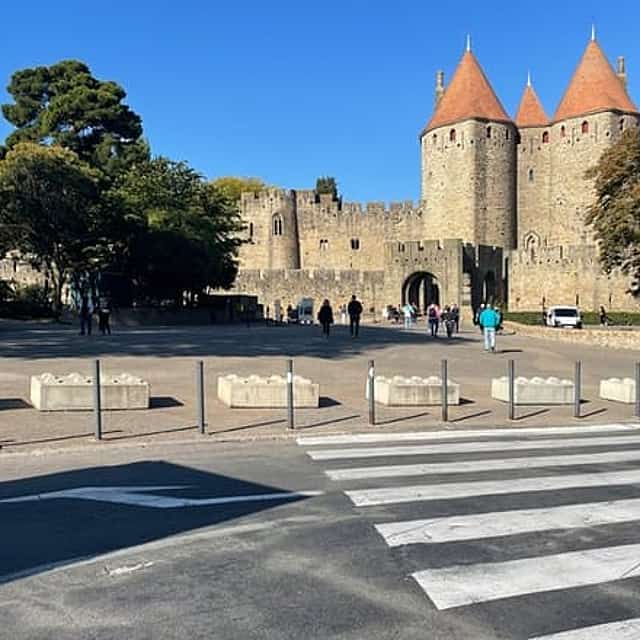
Montpellier, Frankreich
7 Stunden
Ab€1,100.00/ Person
Montpellier, Frankreich
2 Std. 30 Min.
24 Aufrufe in letzter Zeit
Ab€938.00/ PersonAb€1,665.57 / Gruppe