The Top Art And Culture in Turkey 2026: GetExperience
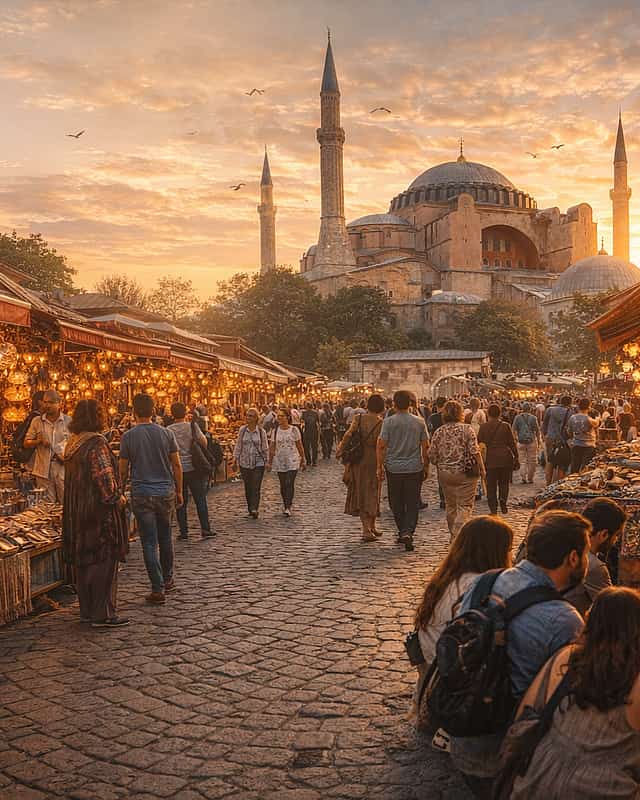
The cultural side of Turkey, on this page, is assembled from three different things. First come the museums and palaces of Istanbul, where half the job is not standing in line: Hagia Sophia with an audio guide, Topkapı in a group or privately, the Basilica Cistern with its lit columns and the Medusa heads set at their base, Dolmabahçe either alone or paired with the Spice Bazaar or a two-hour run on the Bosphorus. Second comes ritual — the whirling dervish ceremony, held both in Istanbul and in Cappadocia, with Konya adding the city of Rumi, where the order began.
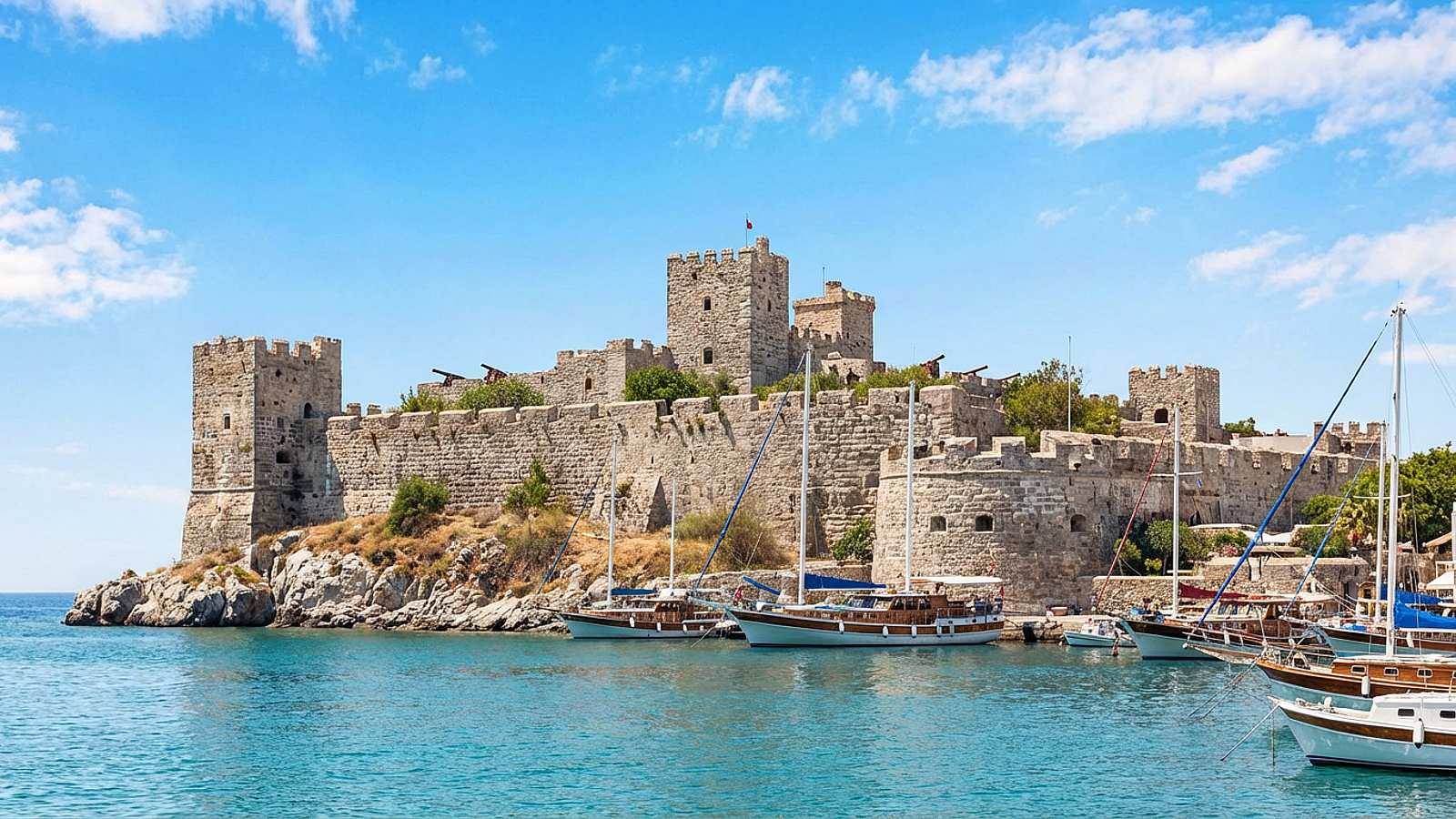
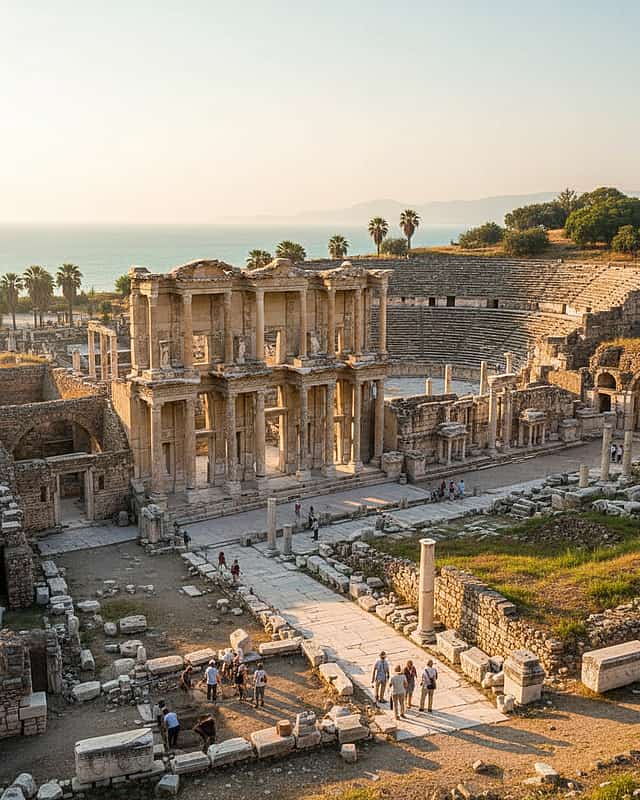
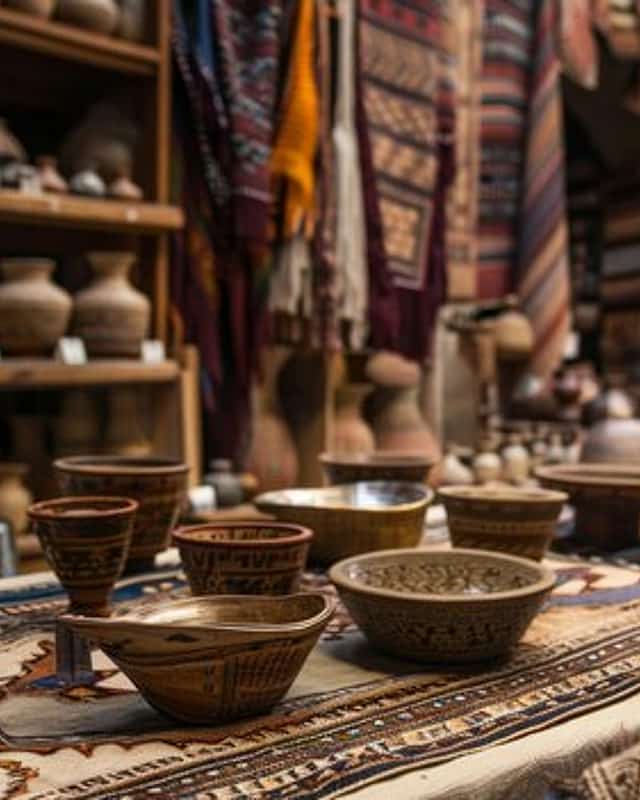
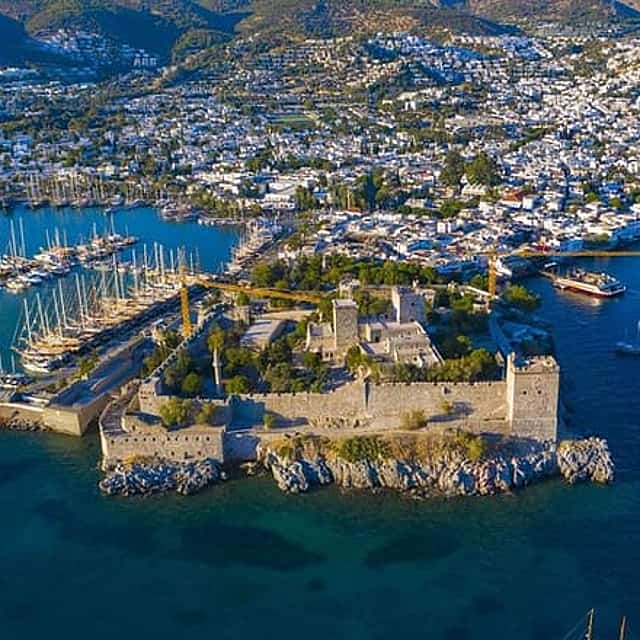
Third are hands and ruins. In Cappadocia you sit at the potter's wheel: first watch the master work, then try it yourself. In Istanbul you paint quartz ceramics along Iznik outlines. The Cappadocia red route runs through the open-air museum at Göreme and the Zelve valley. Antiquity is scattered across the country: Troy as a day out of Istanbul, Ephesus from Bodrum, Aspendos with a theatre that still takes performances from Side and Alanya, Demre and Myra combined with a boat leg to Kekova. Istanbul also has guided city routes, including one in Russian, and a walk along the Golden Horn from Istiklal Square up to the Pierre Loti hill.
Practical notes. Topkapı and Hagia Sophia are busy from opening to closing, and a skip-the-line ticket saves you forty minutes in low season and well over an hour in summer. The dervish ceremony is a rite rather than a show: applause and flash photography are out of place. Mosques ask for covered shoulders and knees, a scarf for women, and shoes off at the door. Troy and Ephesus run ten to twelve hours with the driving, so keep them off your arrival day.