Rhodes, Greece
Rhodes Backcountry Shore Excursion: Mountains, Monasteries, and Local Flavors
7 hours
From€ 115.00/ person
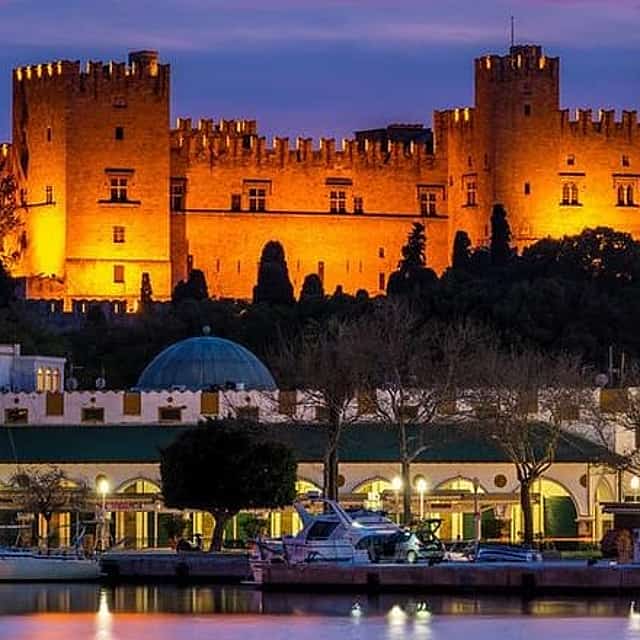
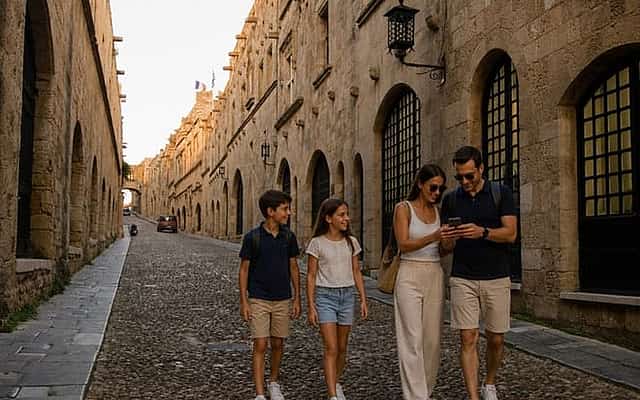
Rhodes is the largest of the Dodecanese, eighty kilometres long, and lies closer to the Turkish coast than to the Greek mainland. That position set its history: a Hellenistic city-state rich enough to commission the Colossus, then two centuries as headquarters of the Knights of St John, then Ottoman rule, then Italian until the Dodecanese passed to Greece in 1947. The walled city at the northern tip is what most people picture; the rest of the island is another place entirely. Lindos, halfway down the east coast, is a white village under an acropolis on a rock, above the bay where St Paul is said to have come ashore. The Valley of the Butterflies collects Jersey tiger moths in their thousands each summer. Crusader castles stand above the sea at Monolithos and Kritinia, the Italians built a spa in Moorish style at Kallithea, and at Prasonisi on the southern tip the Aegean and the Mediterranean meet across a sandbar.
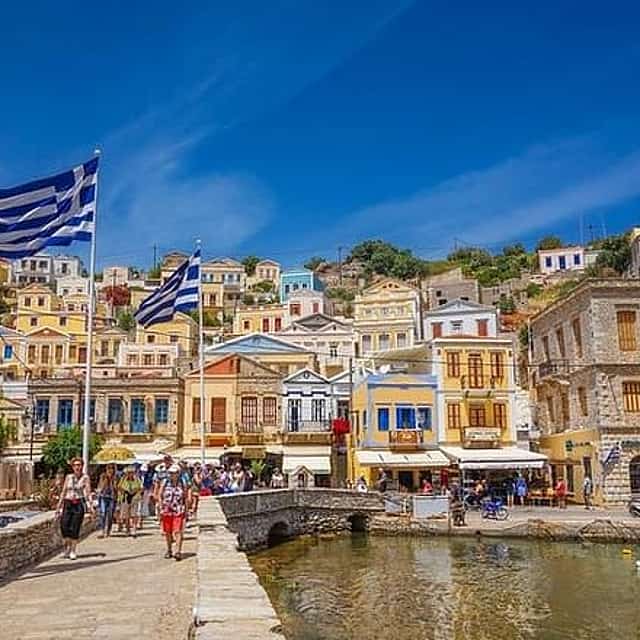
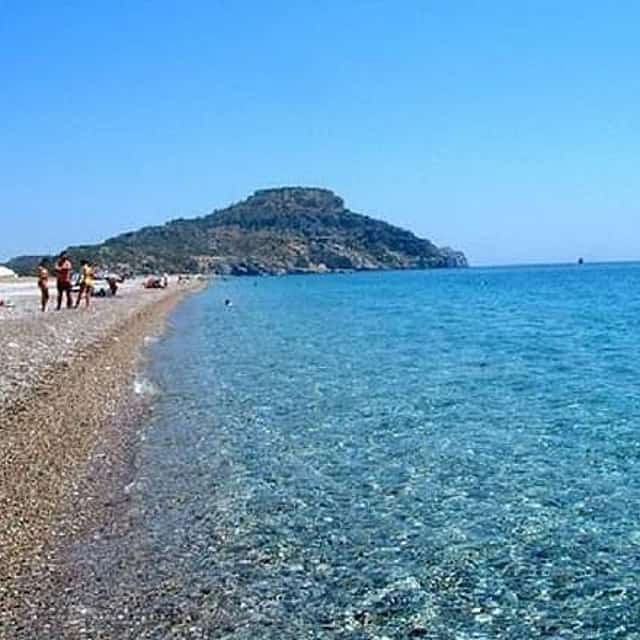
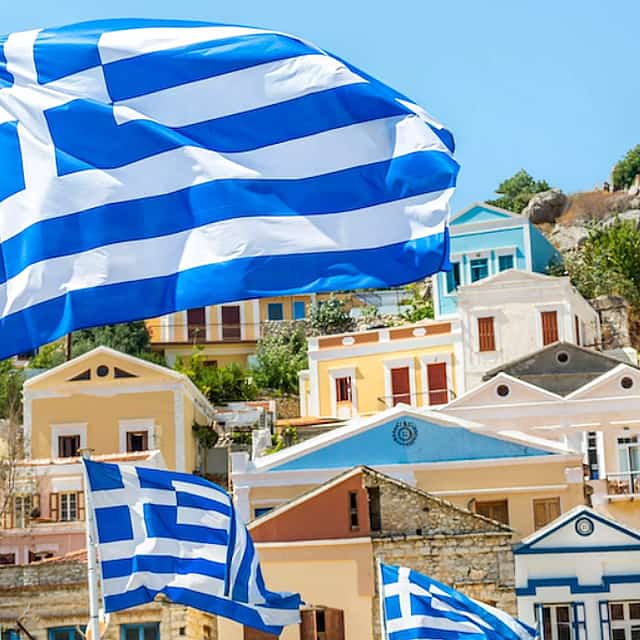
Getting around means a car, a coach or a boat. The east-coast day runs to Lindos, where the acropolis is climbed on foot or by donkey, and carries on to the sand at Tsambika and Agathi. The west-coast day goes inland instead: the castles, the wine villages around Embonas under Mount Attavyros, the frescoes at Thari monastery. By sea, Symi is an hour and a half north, an island of neoclassical houses around a harbour; Halki beyond it is quieter still. Water sports sort themselves by coast — the east is sheltered and shallow enough for families and for snorkelling over the rocks, the west takes the wind, which is why the windsurfing and kitesurfing schools are all there.
Practical. Rhodes has one of the longest seasons in Greece, April to early November, with July and August in the mid-thirties and the sea still swimmable into late October. The meltemi blows from the northwest through high summer, so the rule is to pick a beach by which coast is sheltered that day, not by which is nearest. A hire car is near-essential once you leave the northern tip; buses reach the main resorts but run a few times a day down the west side and stop early. Food and fuel cost less in the villages than along the resort strip. Cards are normal in the towns; mountain tavernas, monastery boxes and the donkey men at Lindos are cash. Tipping is not obligatory; five per cent covers it. Archaeological sites keep shorter hours outside summer and several close one weekday.
Rhodes, Greece
7 hours
From€ 115.00/ personRhodes Island, Greece
7 hours
From€ 115.00/ personRhodes Island, Greece
7 hours
From€ 135.00/ personRhodes Island, Greece
6 hours
From€ 120.60/ personTell us what you are planning and local hosts will send options tailored to your dates, group and budget.