Tour di un giorno intero ad Atene e Capo Sounio con pranzo
Atene, Grecia
"Quale modo migliore per combinare un tour di un'intera giornata con il luogo "imperdibile" di Atene!".
Politica di cancellazione
Prima di prenotare, leggi le condizioni del fornitore qui sotto.
Durata 11 ore
Durata indicata dal fornitore dell'esperienza.
Lingua
inglese
Dimensione del gruppo
Da 1 a 50 viaggiatori
Descrizione completa
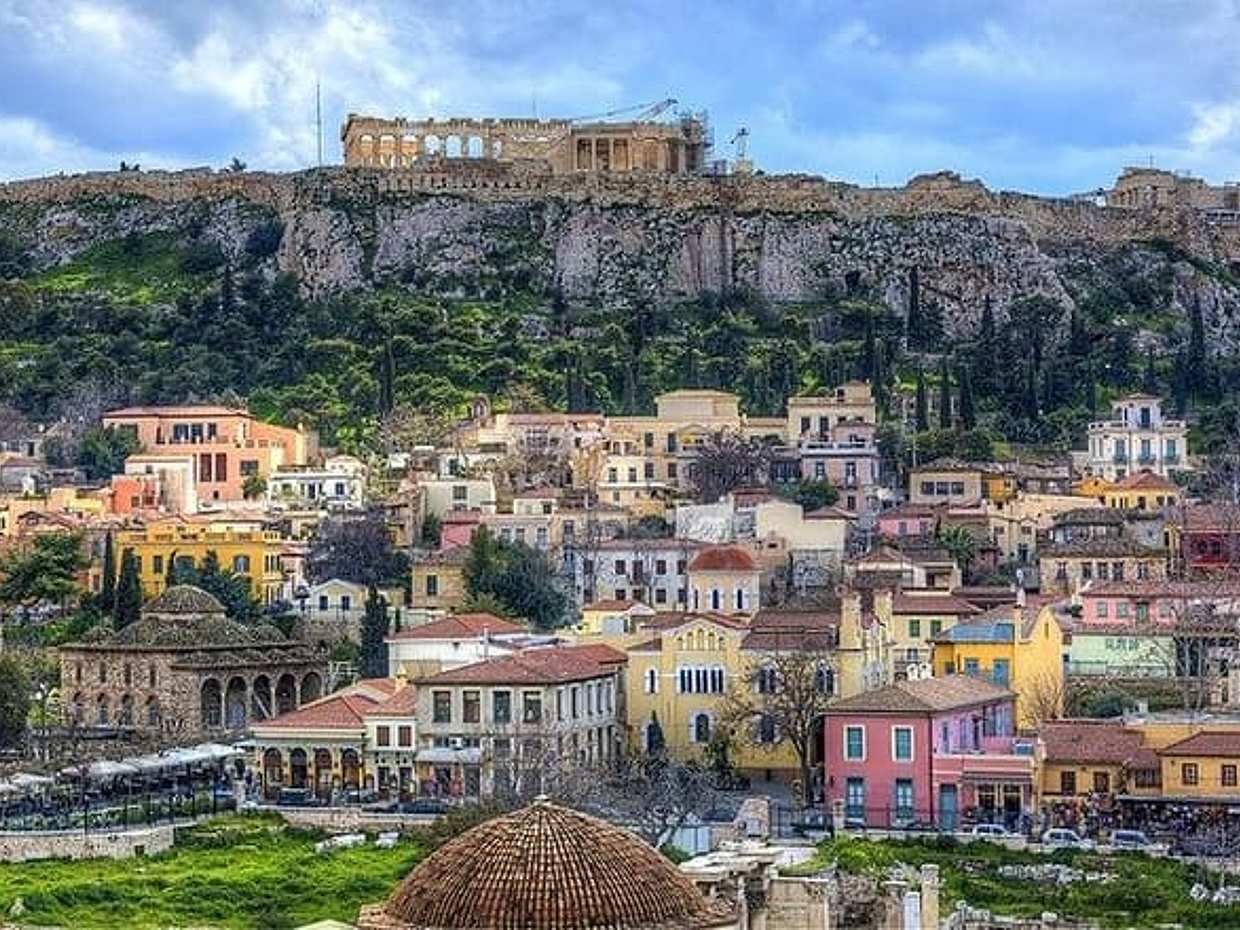
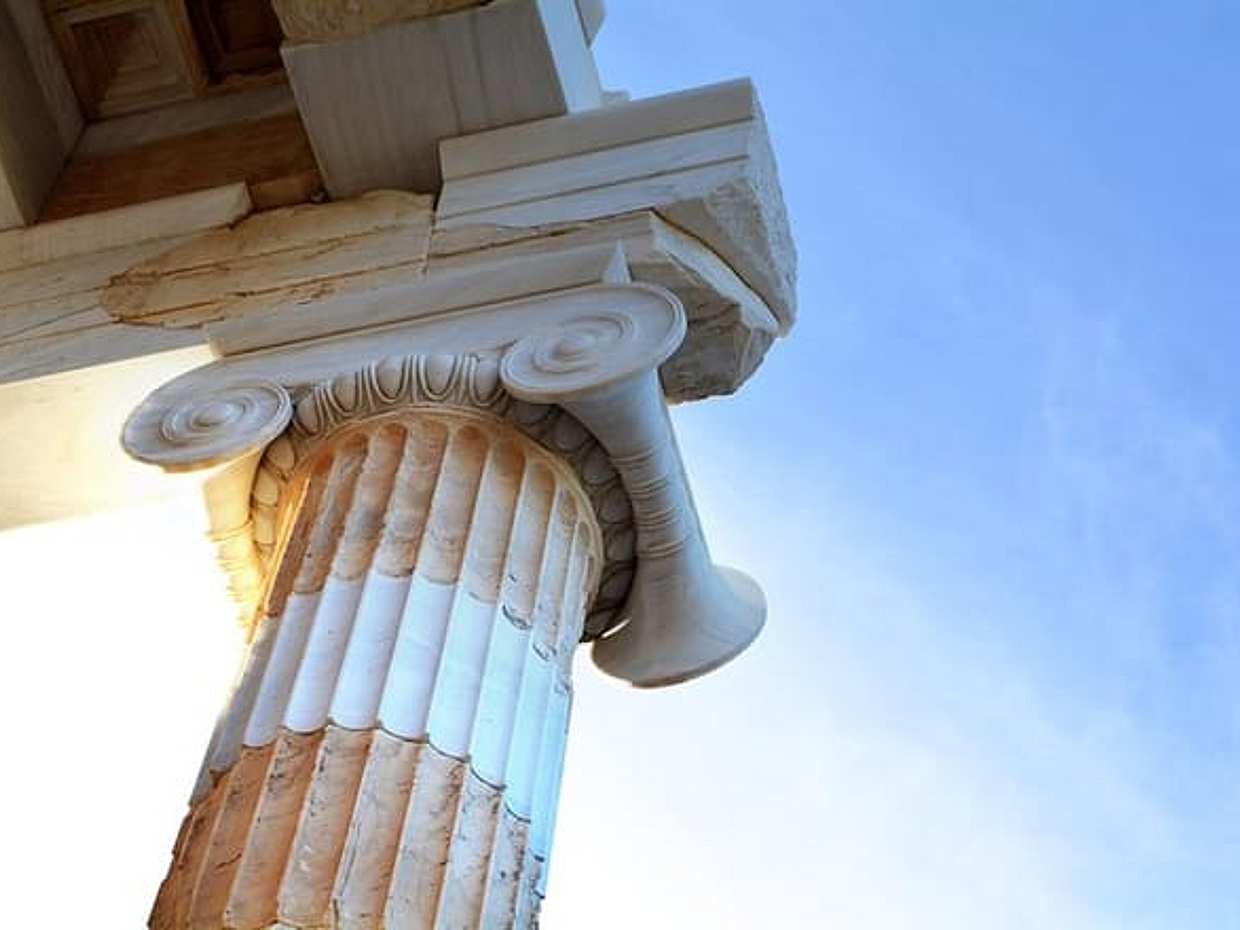
Questo tour ti darà l'opportunità di osservare i sorprendenti contrasti che rendono Atene una città così affascinante. Le nostre guide esperte ti condurranno a vedere lo Stadio Panatenaico, dove si tennero i primi Giochi Olimpici dell'era moderna nel 1896 (breve sosta). Prosegui e passa davanti al Tempio di Zeus Olimpio, l'Arco di Adriano, il Parlamento e il monumento al Milite Ignoto, l'Accademia, l'Università, la Biblioteca Nazionale, Piazza della Costituzione (Syntagma). Sull'Acropoli visita i Capolavori Architettonici dell'Età d'Oro di Atene: i Propilei, il Tempio di Atena Nike, l'Eretteo e infine "l'armonia tra materia e spirito", il monumento che "mette ordine nella mente", il Partenone. Continua e visita il luogo dove finalmente le statue hanno trovato casa e ammira le meraviglie dell'era classica: il nuovo Museo dell'Acropoli.
Prosegui in un ristorante locale per il pranzo.
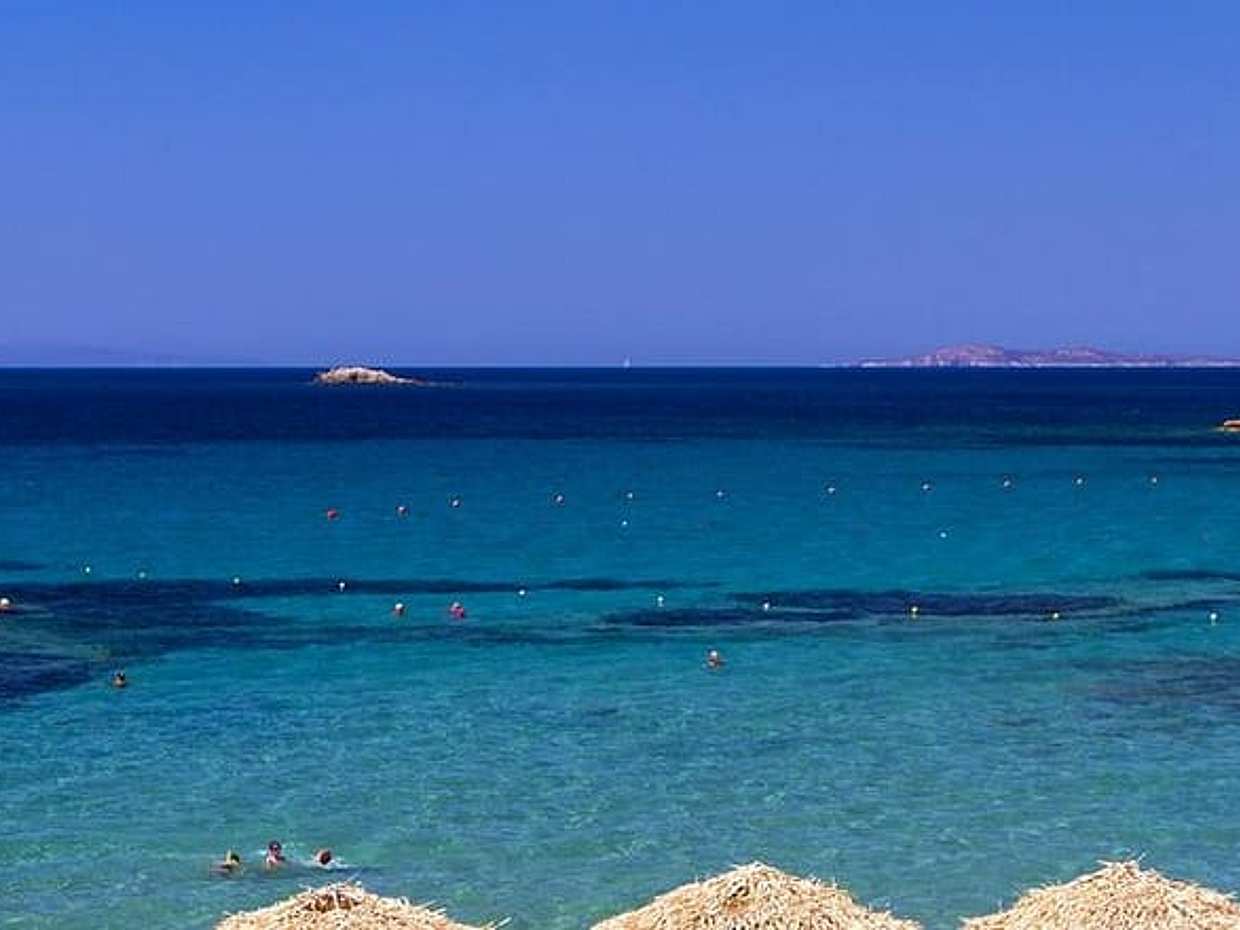
Dopo pranzo, percorri la strada costiera, passando per le meravigliose spiagge di Glyfada, Vouliagmeni e Varkiza fino al punto più meridionale dell'Attica, Capo Sounio, dove si ergono i pilastri in marmo bianco del Tempio di Poseidone. Lungo la strada, godrai di una splendida vista sul Golfo Saronico e sulle piccole isole al largo. Dopo aver visitato il Tempio di Poseidone, avrai tempo per passeggiare tranquillamente sul promontorio roccioso di Sounio.
Itinerario
Panathenaic Stadium. The Panathenaic Stadium is a classical cultural monument of Greece. Its history is directly connected to the Modern Olympic Games, from their revival in 1896 until the Athens Olympic Games in 2004. It is also the place from which the Olympic Flame is delivered to all the Olympic Games, Winter, Summer and Youth, as well as the Athens Authentic Marathon.
Temple of Olympian Zeus. The Temple of Olympian Zeus in Athens, also known as the Olympieion, was built over several centuries starting in 174 BCE and only finally completed by Roman emperor Hadrian in 131 CE. Its unusually tall columns and ambitious layout made the temple one of the largest ever built in the ancient world.
The Greek Parliament or Hellenic Parliament is the parliament of Greece, located in the center of Athens City. Moreover it is the Old Royal Palace, an austere Neoclassical building, overlooking Syntagma Square in Athens. In addition it is the supreme democratic institution that represents the citizens through an elected body of Members of Parliament.
Academy of Athens. With its perfect proportions and harmonious lines, it is regarded by some experts as the most beautiful neoclassical building in the world. The Academy’s monumental sculptures and murals, which took a decade to complete, depict ancient Greek mythology, 19th century Hellenism, as well as visions of how the artists imagined the future.
Acropolis of Athens. The greatest and finest sanctuary of ancient Athens, dedicated primarily to its patron, the goddess Athena, dominates the centre of the modern city from the rocky crag known as the Acropolis.
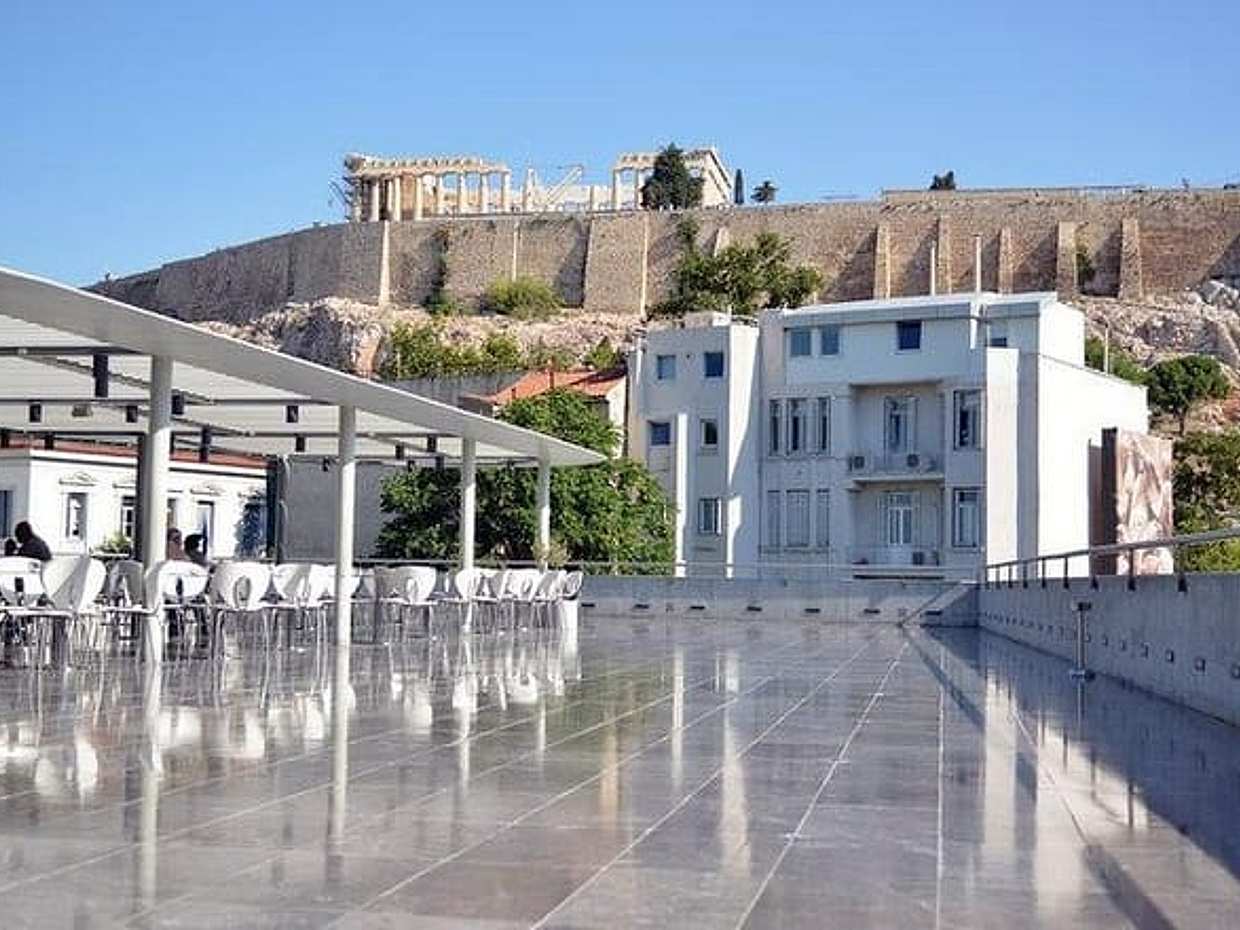
New Acropolis Museum. The Acropolis Museum is an archaeological museum focused on the findings of the archaeological site of the Acropolis of Athens. The museum was built to house every artifact found on the rock and on the surrounding slopes, from the Greek Bronze Age to Roman and Byzantine Greece. It also lies over the ruins of part of Roman and early Byzantine Athens. It opened to the public on 20 June 2009.[1] More than 4,250 objects are exhibited over an area of 14,000 square metres.
Cape Sounion. According to legend, Cape Sounion is the spot where Aegeus, king of Athens, leapt to his death off the cliff, thus giving his name to the Aegean Sea. Cape Sounion is noted as the site of ruins of an ancient Greek temple of Poseidon, the god of the sea in classical mythology. The remains are perched on the headland, surrounded on three sides by the sea. The ruins bear the deeply engraved name of English Romantic poet Lord Byron (1788–1824).
Temple of Poseidon. The temple at Sounion, was a venue where mariners, and also entire cities or states, could propitiate Poseidon, by making animal sacrifice, or leaving gifts.
Cosa è incluso?
Incluso
- Guida
- Pasti: 1
- Trasferimento
- Biglietto d'ingresso
- Pranzo
- Costo del biglietto per il sito dell'Acropoli
- Ingressi Nuovo Museo dell'Acropoli
- Tariffe d'ingresso Sounion
- Veicolo con aria condizionata
- Guida
Non incluso
- "Dal 24 al 26 dicembre, il 31 dicembre e dal 1 al 2 gennaio verrà applicato un supplemento à la carte del 30% a causa delle festività stagionali".
- Mance
- Consumo Extra
Informazioni importanti
Punto d'incontro
Atene, Grecia
Non dimenticare
La conferma verrà ricevuta al momento della prenotazioneNon accessibile in sedia a rotelleLa maggior parte dei viaggiatori può parteciparePuoi presentare un voucher cartaceo o elettronico per questa attività.Si prega di notare che il servizio di prelievo è offerto da posizioni specifiche nel centro di Atene. A seconda della posizione della proprietà di ciascun cliente, offriamo il prelievo nel modo più conveniente possibile.
Politica di cancellazione
100% charge if cancelled within 24 hours of start.
Il tuo host
VE
Verified Local Host
Su GetExperience dal 2026
Potrebbe interessarti anche
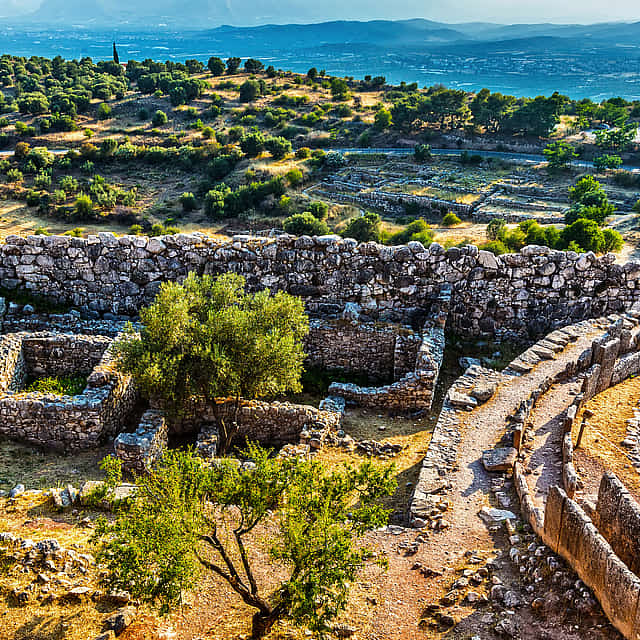
Teatro antico di Epidauro, Athens, Grecia
Tour di Epidauro e Micene di un'intera giornata da Atene
10 ore
Da€104.00/ persona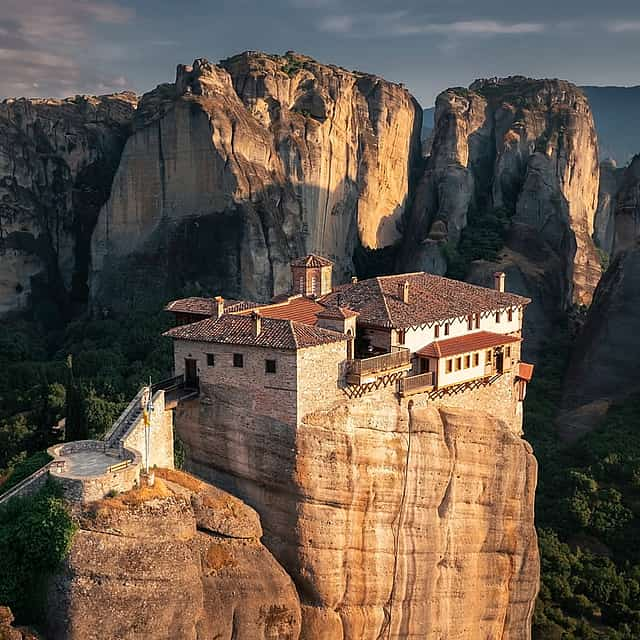
Atene, Grecia
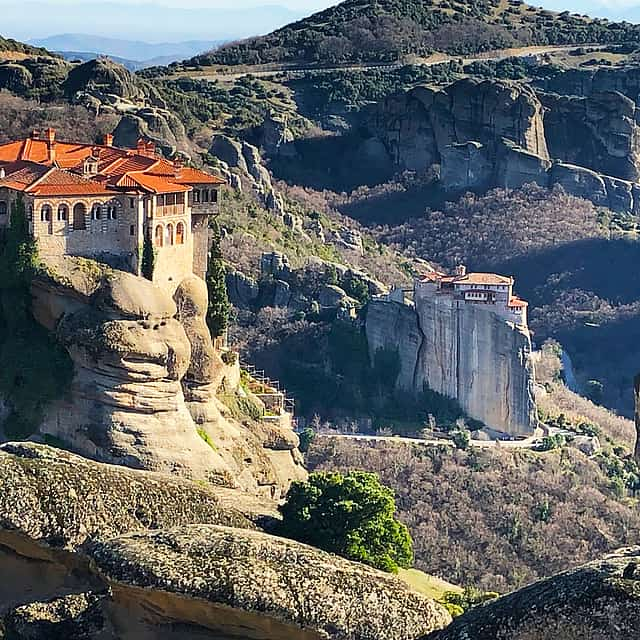
2-дневный тур в Метеоры из Афин на поезде
2 giorni
36 visualizzazioni di recente
Da€185.00/ persona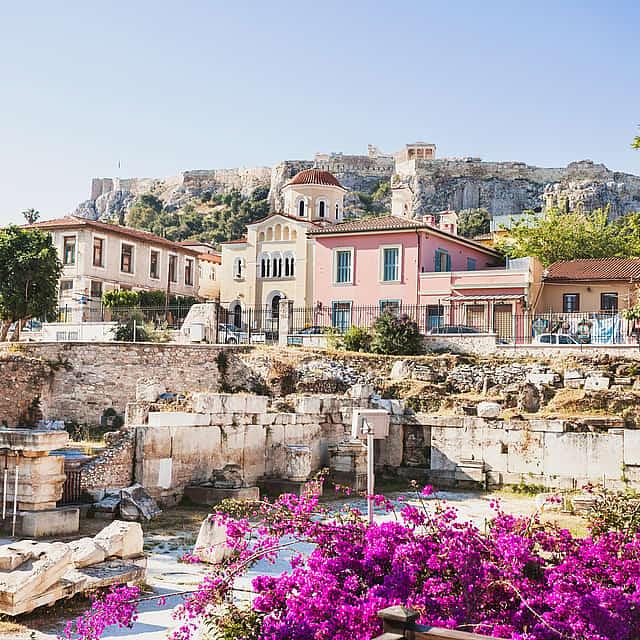
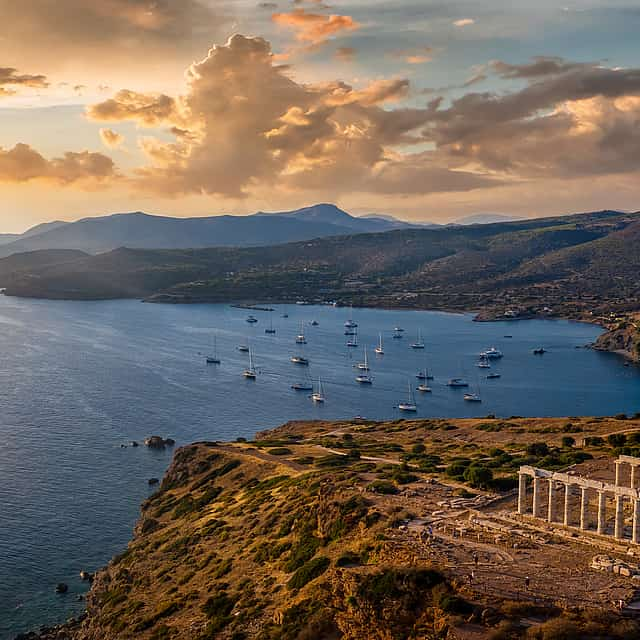
Capo Sunio, Athens, Grecia
Excursão Privada ao Cabo Sunião saindo de Atenas com Comida Tradicional Grega
5 h 30 min
Da€225.00/ persona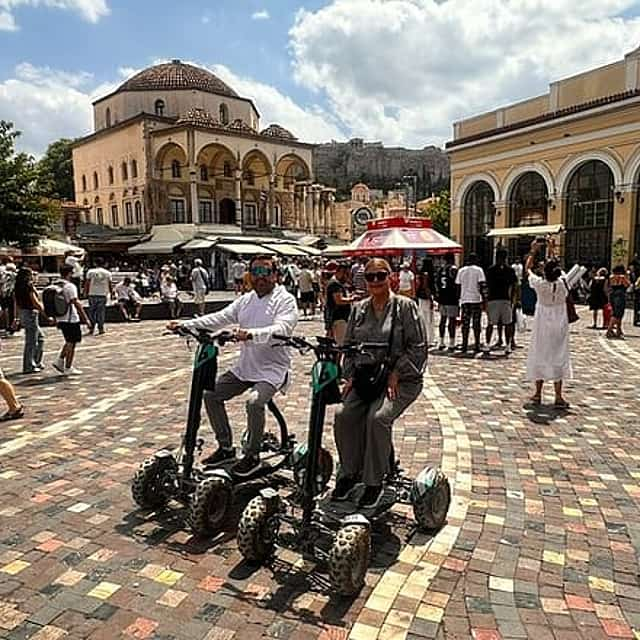

Atene, Grecia
Athens Luxury Catamaran Cruise with Greek Meal & Drinks
5 ore
21 visualizzazioni di recente
Da€150.00/ persona
Atene, Grecia
Private Athens and Acropolis Mythology Guided Tour
2 ore
18 visualizzazioni di recente
Da€219.00/ persona
Atene, Grecia
Acropolis 'GOLDEN-HOUR' Private Tour with Licensed Expert Guide
1 h 30 min
24 visualizzazioni di recente
Da€219.00/ persona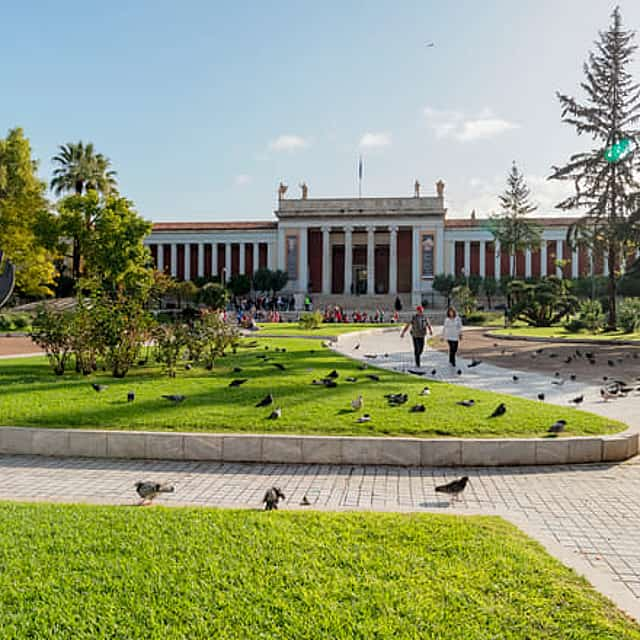
Atene, Grecia
National Archaeological Museum Private Tour with Licensed Expert Guide
2 ore
21 visualizzazioni di recente
Da€267.00/ persona
Atene, Grecia
Acropolis Skip The Line Private Tour with Licensed Expert Guide
2 ore
24 visualizzazioni di recente
Da€219.00/ persona
Atene, Grecia
Acropolis & Plaka Neighbourhood Private Tour with Licensed Expert
3 ore
21 visualizzazioni di recente
Da€219.00/ personaDa€187.00 / persona