

Country guide
History in Italy
44 experiences
Book Unique History in Italy 2026. Top Tours, Activities, and Excursions in IT. Pick from our wide selection of top-rated activities for your trip.
History in nearby cities
Discover other History
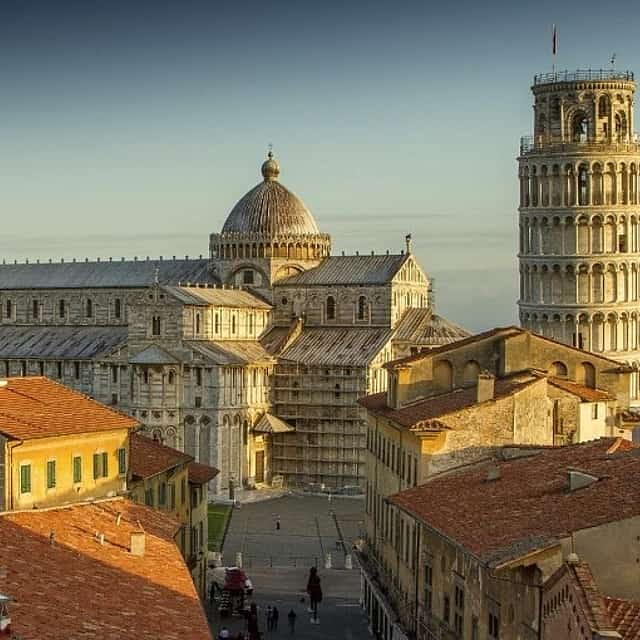
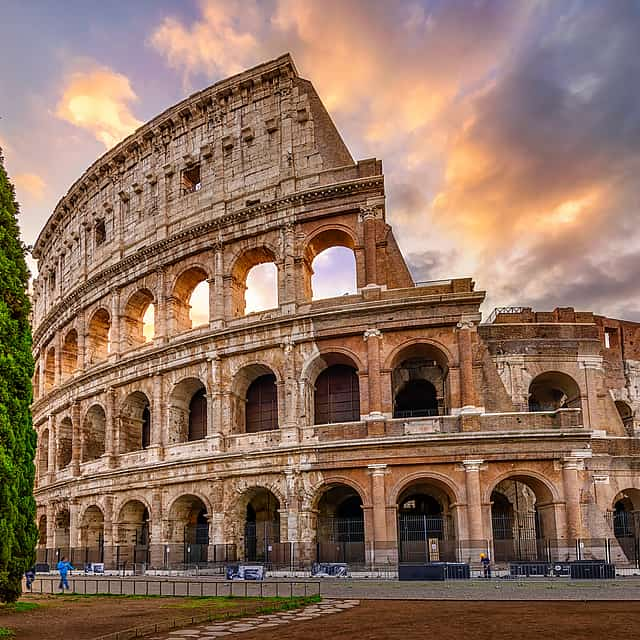
Colosseum, Rome, Italy
1-hour Colosseum Tour with Local Guide
1h 15m
18 views recently
From€62.00/ person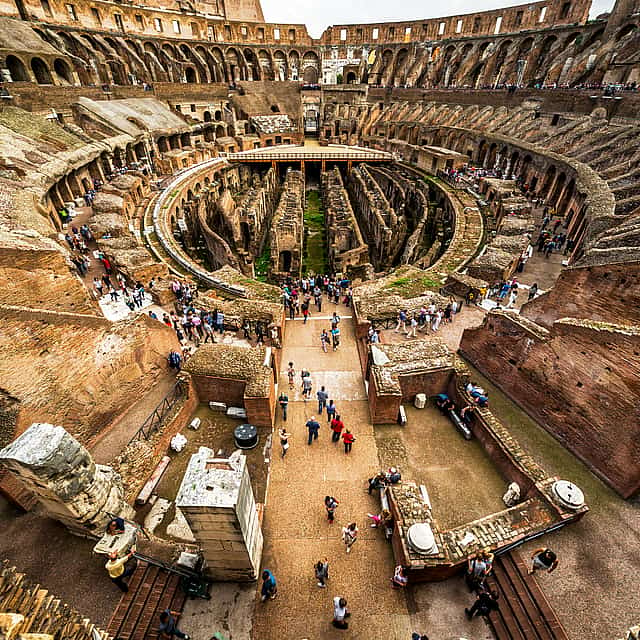
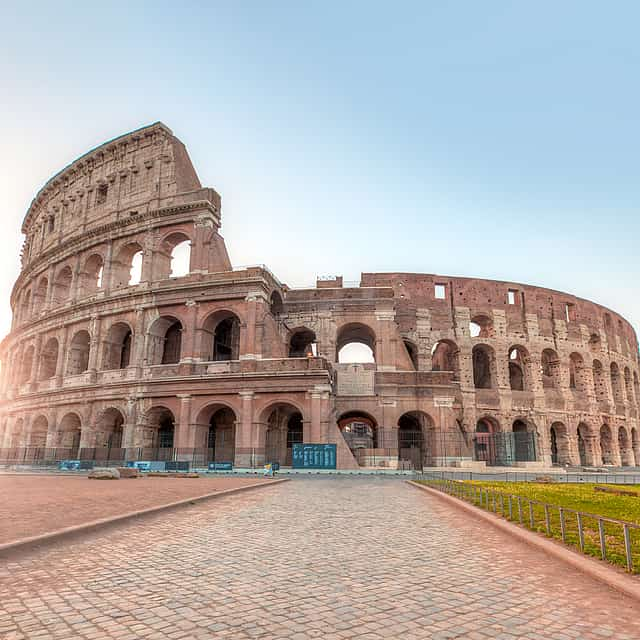
Colosseum, Rome, Italy
Special Tour of the Colosseum with Access to the Gladiators' Gate and the Arena
1h 30m
18 views recently
From€140.00/ person
Colosseum, Rome, Italy
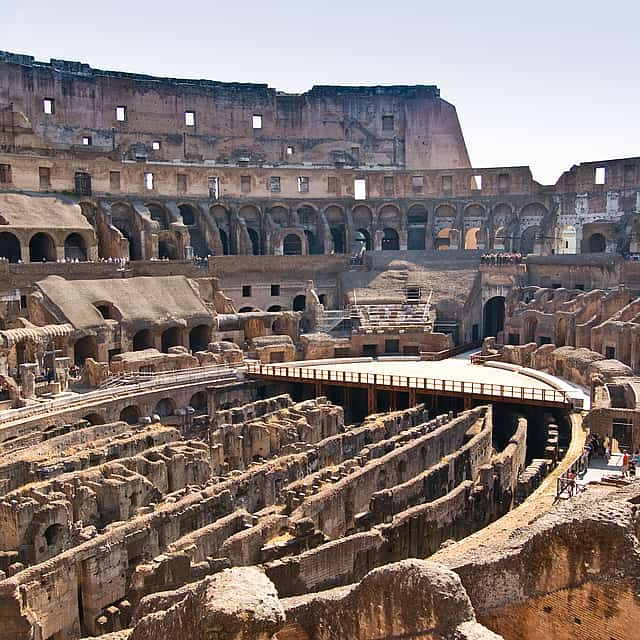
Colosseum Arena Floor Tour with Ancient Rome Priority Access
2h 20m
23 views recently
From€488.00/ person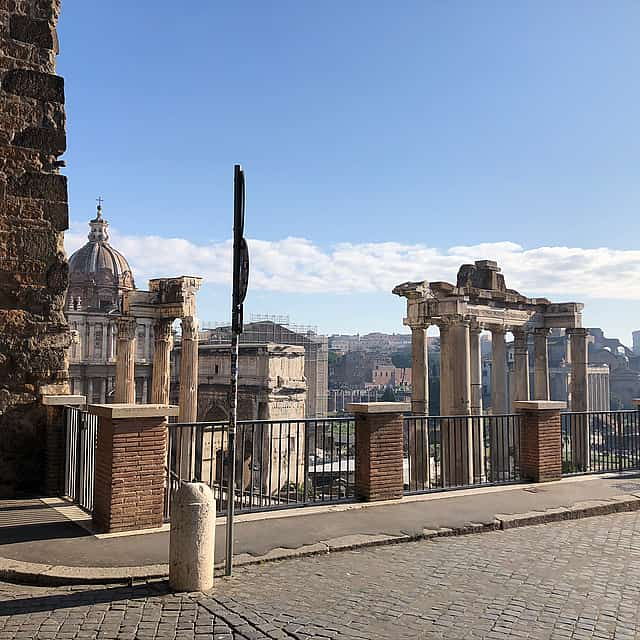
Colosseum, Rome, Italy
Accessible Private Tour of Colosseum and Ancient Rome
3 hours
16 views recently
From€676.00/ person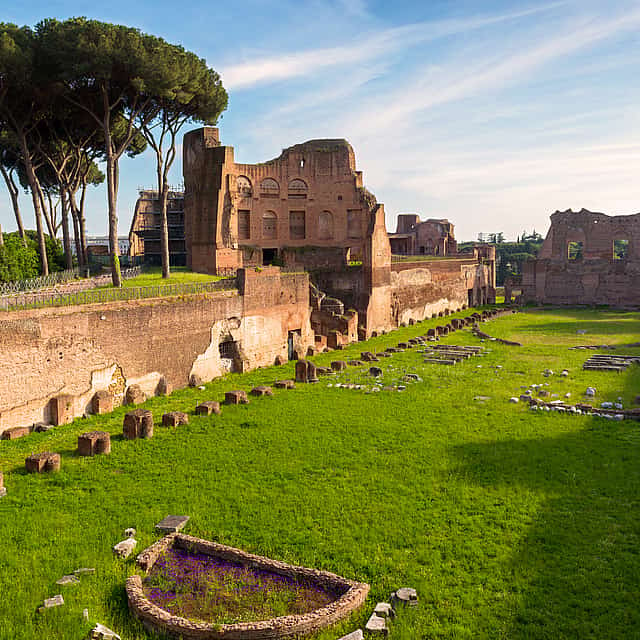
Palatine Hill, Rome, Italy
Colosseum Private Tour with Roman Forum and Palatine Hill
3 hours
From€550.00/ person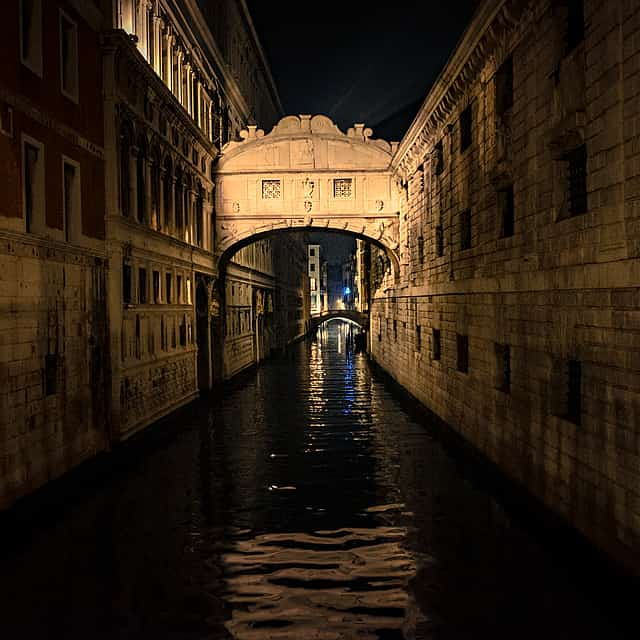
Palazzo delle Prigioni, Venice, Italy
Venice Lords of the Night Prison Palace Escorted Visit
1 hour
From€15.00/ person
Venice, Italy
Private Venice Art & History Tour: Accademia Masterpieces to St. Mark’s Square
3h 30m
10 views recently
From€164.00/ person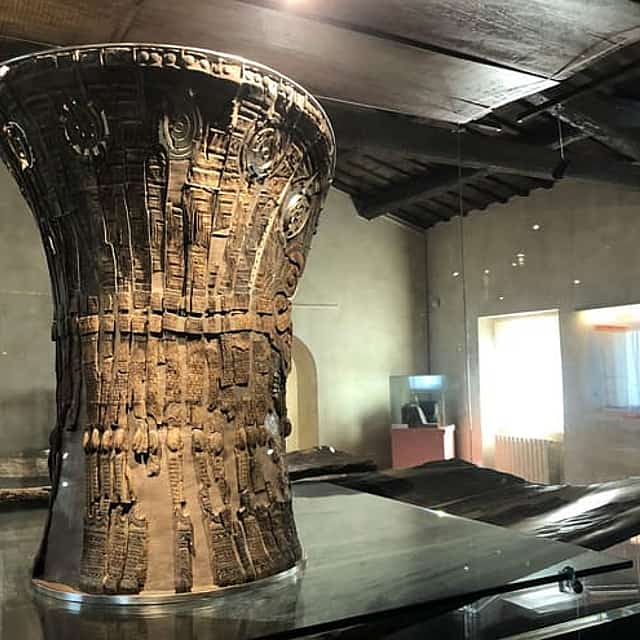
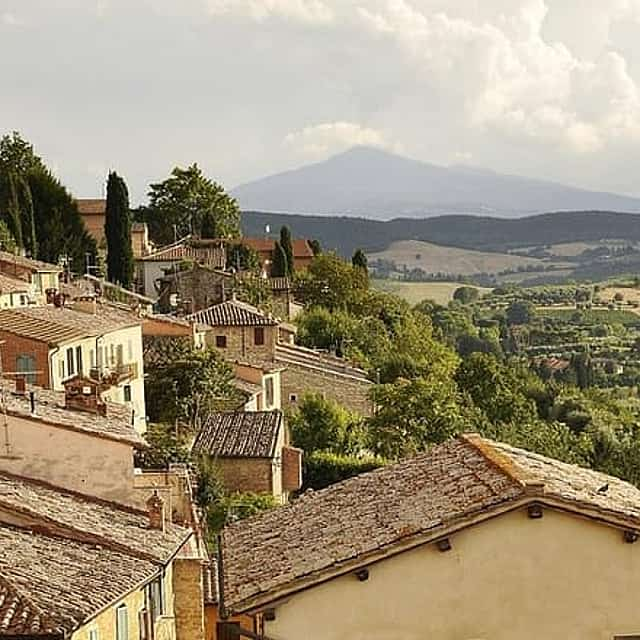
Montepulciano, Italy
Montepulciano - Private Historic Walking Tour
2 hours
19 views recently
From€400.00/ person

Questions travelers ask
Ten days make the classic first trip: three in Rome, two or three in Florence, two in Venice, and the rest on trains. A week works if you drop one city. Add the Amalfi Coast, Puglia or Sicily and you need two weeks. Fast trains join Rome, Florence and Venice, so that route needs no car.
Not in the cities, where a car is a liability. Historic centres are restricted traffic zones, marked ZTL, and cameras fine every car that enters without a permit, rentals included. Trains join Milan, Venice, Florence, Rome and Naples. A car earns its keep in the Tuscan hill towns, Puglia, Sicily and the Dolomites, where buses are few.
For cities, no. Around Ferragosto, the holiday on 15 August, Italians leave for the coast: family-run restaurants and shops in Rome, Florence and Milan close for a week or more, and the heat passes 30C. Most museums and the main sights stay open, though the Vatican Museums shut on the 15th itself. For beaches August works, at the highest prices of the year. May, June, September and October are easier everywhere.
For cities and museums, yes. Rome, Florence and Venice are at their emptiest from November to February, outside Christmas and Carnival, and hotel prices fall. Days are short, and the Amalfi Coast, the lakes and the small islands largely shut down. The Alps and Dolomites run the other way: the ski season lasts from December to early April.
Two companies, Trenitalia and Italo, run fast trains on the same main line, so compare both. Seats are reserved and fares climb as the date approaches. Regional trains have fixed prices and no reservations. A paper regional ticket must be stamped in the machine on the platform before you board, or the conductor can fine you.
Yes. Tap water is safe across the country, and towns keep public drinking fountains running: Rome alone has more than two thousand of the small iron ones called nasoni. Carry a bottle and refill it. Restaurants bring bottled water by default; you can ask for tap water, though some will refuse.
Most Italian towns charge visitors a tax per person per night. It is paid at the hotel, usually on top of the price you booked, and runs from about one euro to ten depending on the town and the hotel's star rating, with Rome at the top of the range. Venice also charges day visitors an entry fee on its busiest days.
Many are. State museums close one day a week, most often Monday: the Uffizi and the Accademia in Florence both do. The Vatican Museums close on Sundays instead, except the last Sunday of the month, when entry is free. The Colosseum and Pompeii open seven days a week. Check the closing day before you fix the order of your cities.
A drink before dinner, taken between about six and nine, that arrives with something to eat. In Turin, where vermouth was invented, and in Milan the snacks can stand in for a light meal; elsewhere expect crisps and olives. A spritz or a Negroni is the standard order, and standing at the bar costs less than a table.
Yes: shoulders and knees covered, for men and women alike. St Peter's enforces it strictly, and St Mark's in Venice and Florence cathedral can turn people away at the door. Smaller churches rarely check but expect the same. In summer a light scarf or shirt in your bag solves it.
In the big tourist cities, yes, while violent crime against visitors is rare. The classic spots are Rome's metro and the 64 bus, the main stations in Rome and Milan, and the crowds at the Trevi Fountain and outside the cathedrals. Keep your phone out of back pockets and wear your bag zipped and in front.
More things to do in Italy
Can’t find the right experience?
Tell us what you are planning and local hosts will send options tailored to your dates, group and budget.