Tours in Muscat

City guide

Tours in Muscat

27 experiences Oman

Plan your trip to Muscat

Muscat is a low city. It runs forty kilometres along the coast in white two- and three-storey blocks. There is no skyline, which surprises people arriving from other Gulf capitals.

The old harbour end

The part worth walking is the eastern end, around Mutrah and Old Muscat.

  • Mutrah Souq. A covered market of frankincense, silver and Kashmiri shawls, behind the fish harbour.
  • Al Alam Palace. The ceremonial palace, framed by the Portuguese forts Jalali and Mirani of the 1580s.
  • National Museum. Opened in 2016 opposite the palace, and the best hour in the city for context.
  • Sultan Qaboos Grand Mosque. Finished in 2001. Non-Muslims are admitted mornings, and not on Fridays.
  • Royal Opera House. Opened in 2011; the season runs autumn to spring.

Where the day trips go

Muscat is a base more than a destination. The good ground lies two to three hours out. A day trip means a whole day.

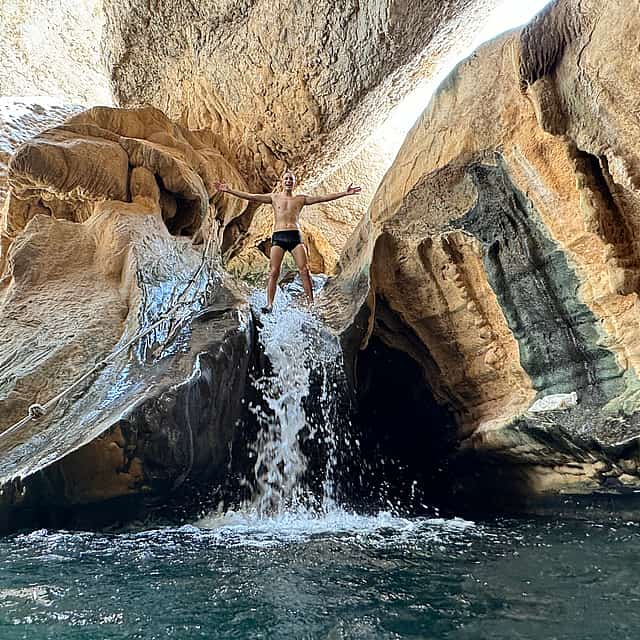
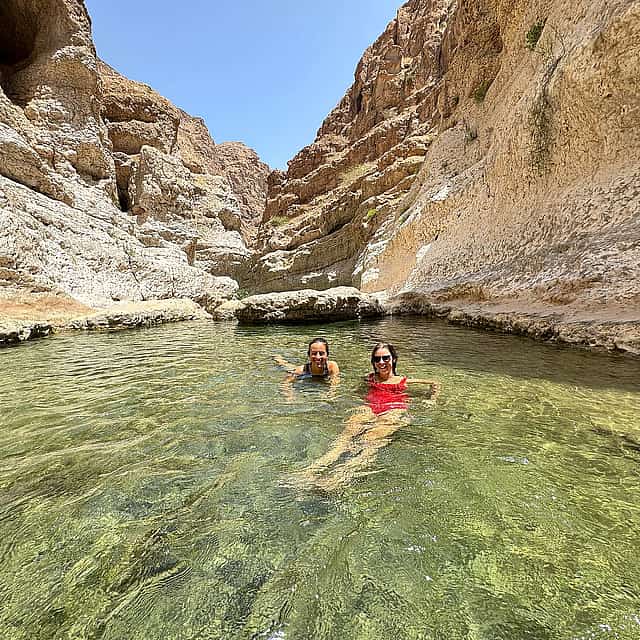
  • Wadi Shab. Two hours south. A boat across the pool, an hour up the gorge, then a swim into a cave with a waterfall in it. The Bimmah sinkhole is twenty minutes up the road.
  • Nizwa. The old interior capital, its fort raised in the 1650s around a drum tower wider than it is tall.
  • Bahla and Jabrin. A mud-brick fortress, World Heritage since 1987, with a decorated castle nearby.
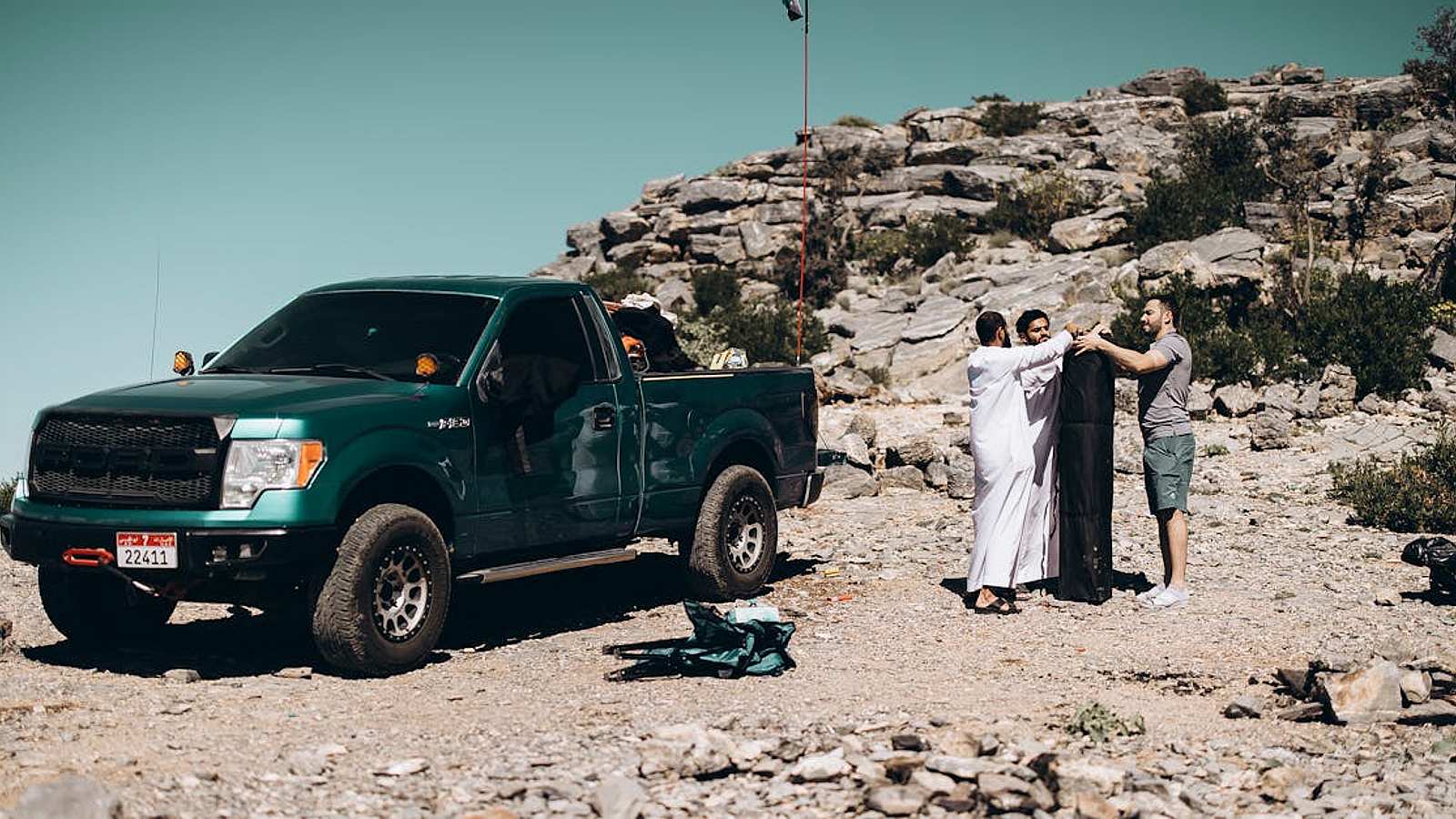
  • Jebel Akhdar. Terraced villages and rose fields above two thousand metres. Police at the foot of the road turn back anything without four-wheel drive.
  • Jebel Shams. Oman's highest mountain at just over three thousand metres, with a canyon under it.
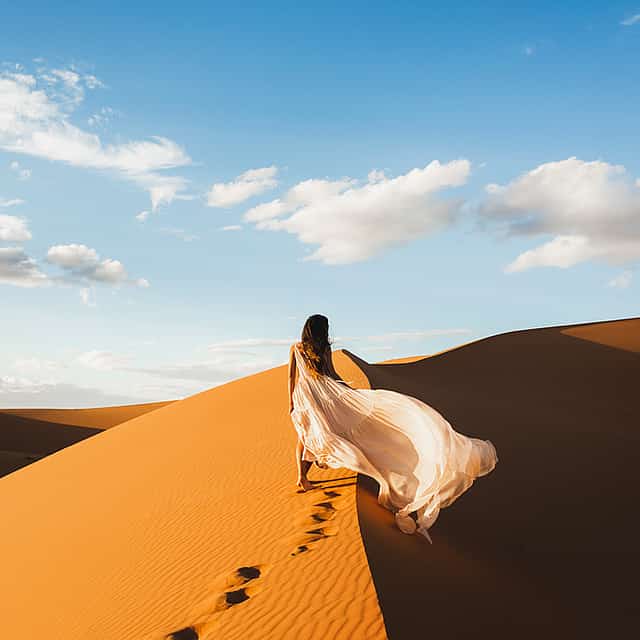
  • Wahiba Sands. Dune camps and a night out, usually paired with the pools of Wadi Bani Khalid.

The coast and what lives in it

The sea does a second kind of day. Dolphins turn up most mornings, and the diving beats the region's reputation.

The Daymaniyat islands are a reserve an hour offshore. Permits are needed. Landing is closed from May to October while turtles nest.

Practical

  • Season. October to April. Summer here is hot and humid at once, and the wadis empty.
  • Distances. Nizwa is under two hours, Wadi Shab about two, Jebel Shams closer to three.
  • Cars. Ride-hailing runs on local apps, not the international ones. Agree taxi fares before setting off.
  • Wadi swimming. These are village water sources. A T-shirt and shorts over swimwear, for both sexes.
  • Dress. Shoulders and knees covered in town, and a scarf over the hair for the Grand Mosque.
  • Shoes. Wadi walking is wet rock, so sandals with grip beat trainers.
  • Prices. A shawarma costs small change; a hotel dinner costs European money.

Top experiences in Muscat

Can’t find the right experience?

Tell us what you are planning and local hosts will send options tailored to your dates, group and budget.