Things to do in Azores

Region guide

Things to do in Azores

13 experiences Portugal

Plan your trip to Azores

The Azores are nine islands, not one, spread across more than 600 kilometres of open Atlantic. They split into three groups. Flights fill the gaps a ferry can't reach.

Three groups, nine islands

  • Eastern group. São Miguel and Santa Maria; São Miguel is the largest island and holds most of the archipelago's flights and hotels.
  • Central group. Terceira, Pico, Faial, São Jorge and Graciosa, close enough that Pico and Faial share a 30-minute ferry across an 8-kilometre channel.
  • Western group. Flores and Corvo, the remotest pair, over 500 kilometres from the eastern group and reached by their own separate flights.
  • Between groups. Inter-island flights run 30 to 45 minutes; island-hopping here means building a route, not picking a single base.

What the islands are made of

  • Volcanoes. All nine are volcanic; Pico's cone reaches 2,351 metres, the highest point in Portugal, and still shapes the island's weather more than the calendar does.
  • Craters and springs. São Miguel's Sete Cidades holds twin lakes inside one caldera; nearby Furnas cooks a slow stew underground using the same heat that fills its thermal pools.
  • The vineyards of Pico. Grapevines grown inside thousands of small stone-walled plots along the coast, a UNESCO-listed pattern built to block salt spray rather than to look the way it does.
  • Angra do Heroísmo. Terceira's old port town, a UNESCO World Heritage centre since 1983 and a routine stop for ships crossing the Atlantic from the 15th century into the age of steam.

Practical

  • Weather. Summer rarely passes 26C and winter days hold near 16C; the weather changes by the hour more than by the season.
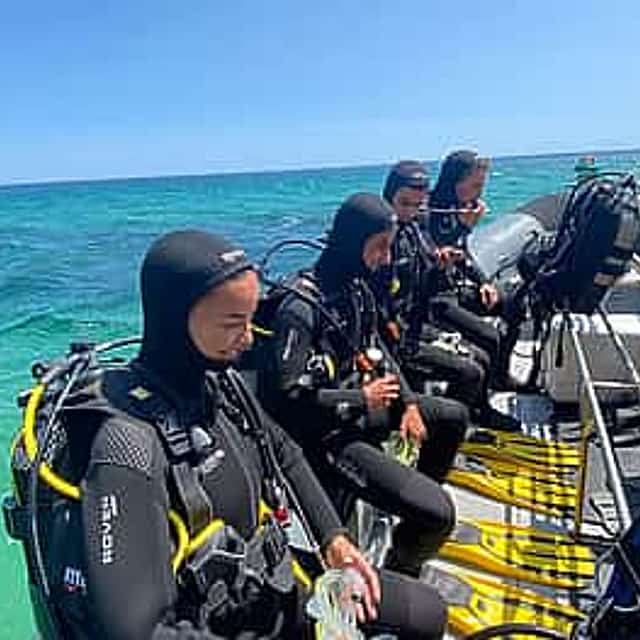
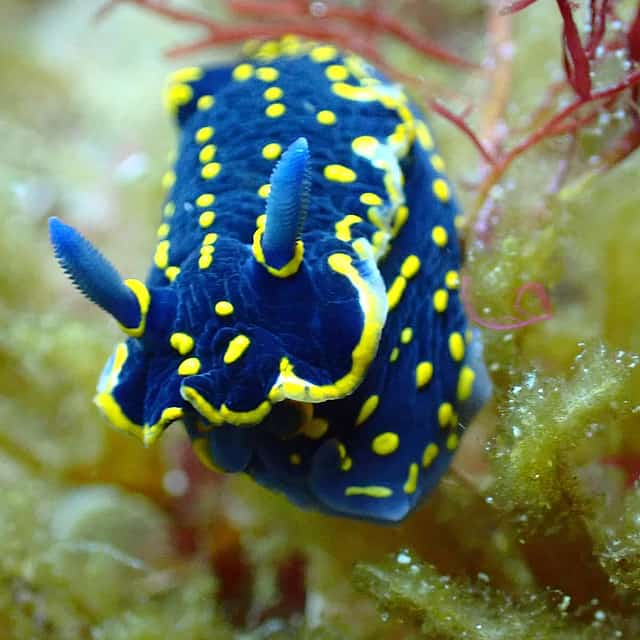
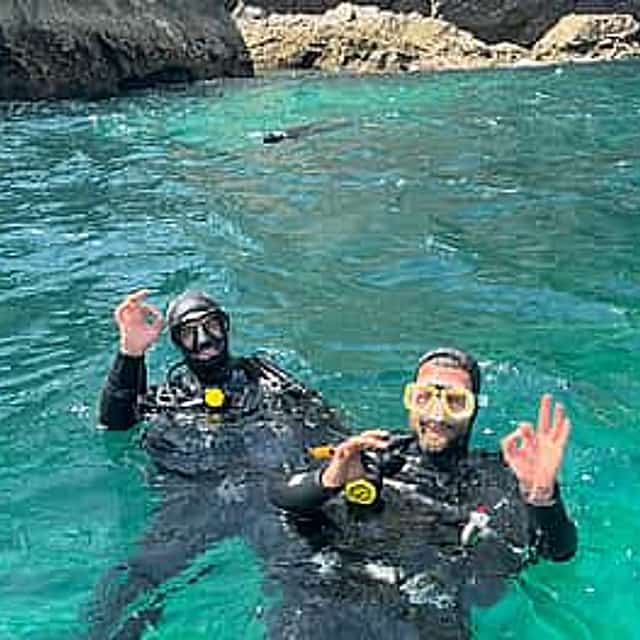
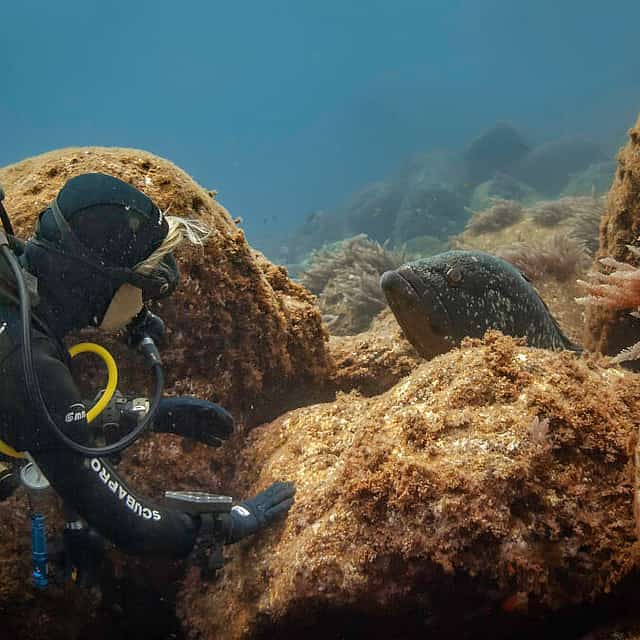
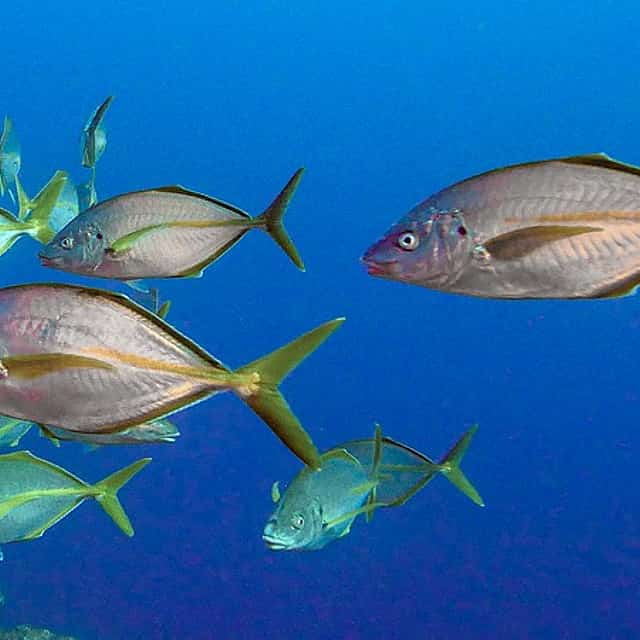
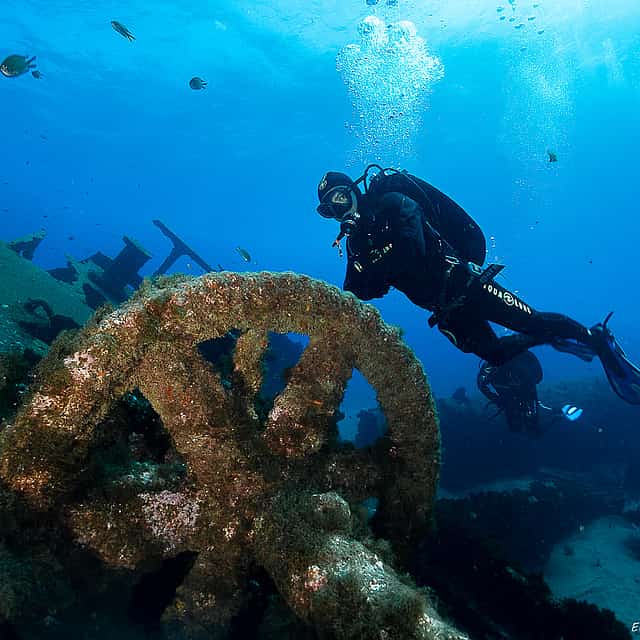
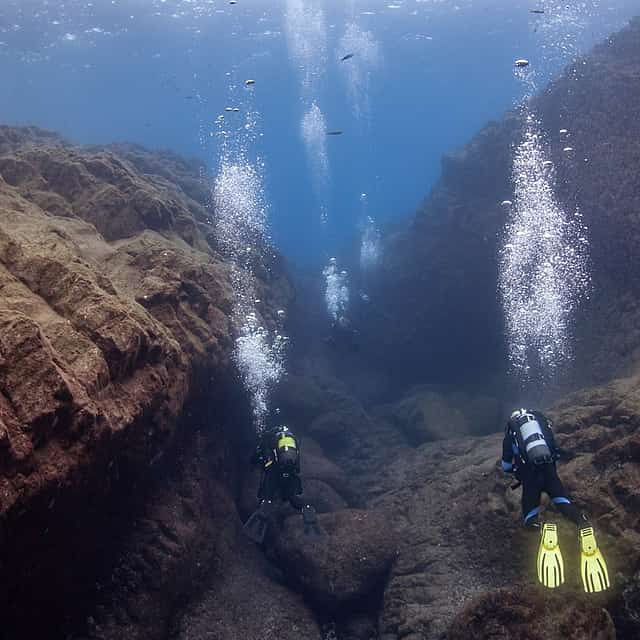
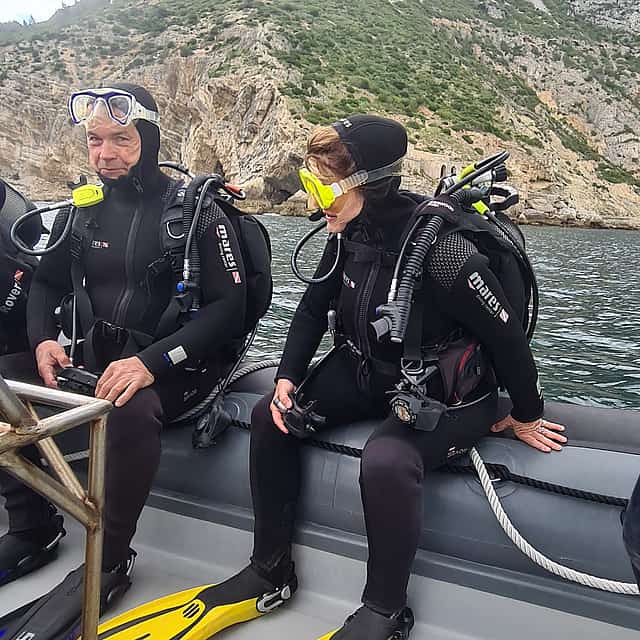
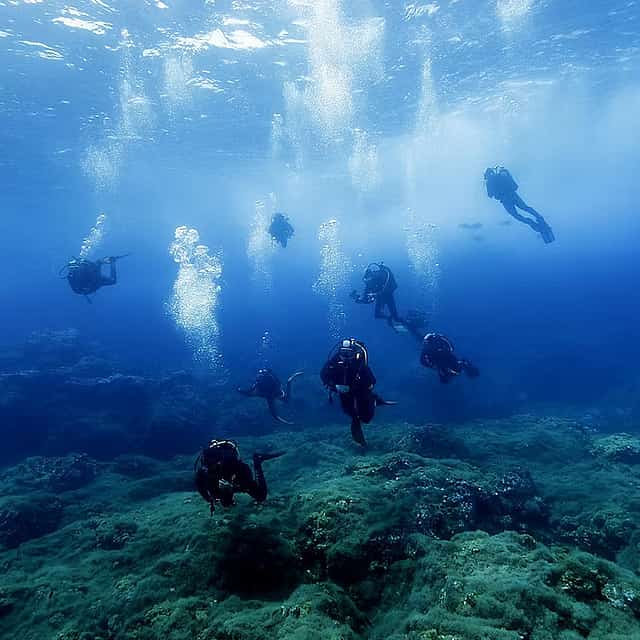
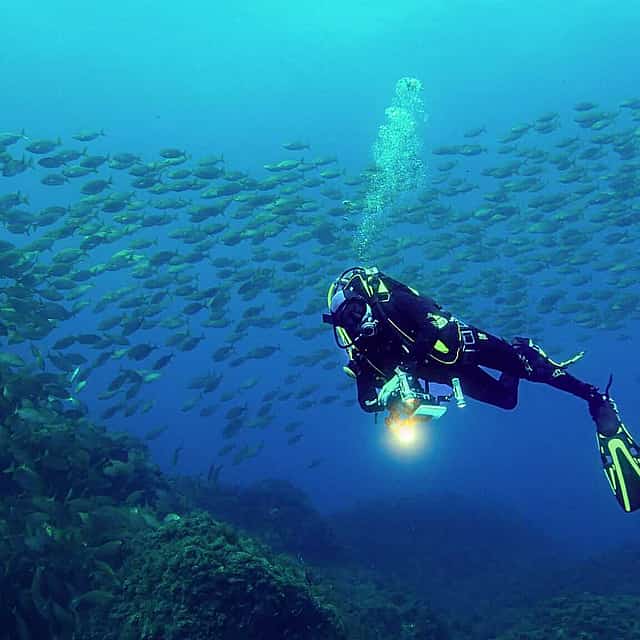
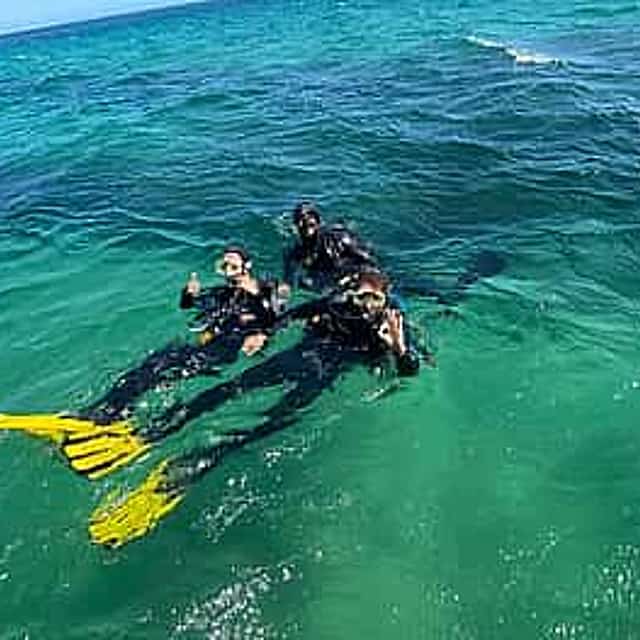
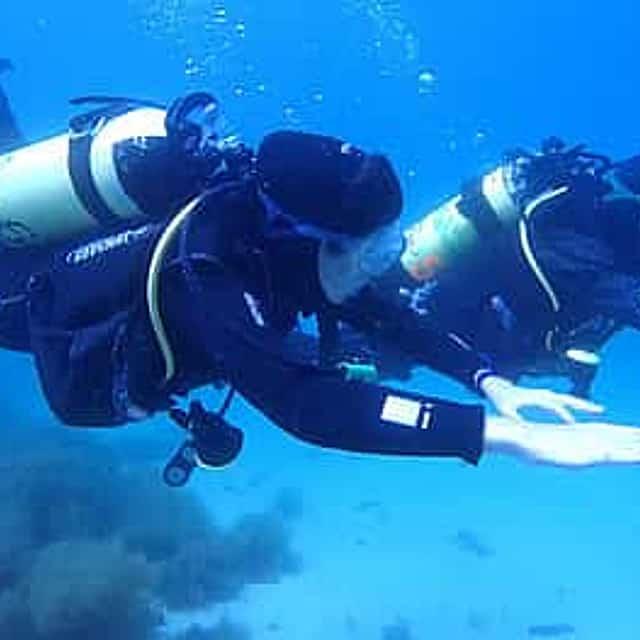
  • Diving and whales. The water around Pico and Faial is a known route for whales and dolphins; the diving season and the calmest crossings both run roughly April to October.
  • Getting between islands. Book inter-island flights early in summer; they run on small planes and a limited schedule, and weather cancels them more often than on the mainland.
  • What to bring. Layers and a waterproof shell rather than beachwear; the Azores are a green, cool Atlantic climate, not a tropical one.

Top experiences in Azores

More things to do in Azores

Can’t find the right experience?

Tell us what you are planning and local hosts will send options tailored to your dates, group and budget.