 Request only
Plan your trip to Douro
The Douro Valley is the river, not the city at its mouth. Porto sits where it reaches the Atlantic. The valley runs on for a hundred kilometres inland, terraced from the water almost to the ridgeline.
Two towns, one valley
- Peso da Régua. The valley's old river-trade capital, where the Museu do Douro covers the wine's history; the town marks roughly where the terraces begin in earnest heading east.
- Pinhão. Further upriver, in the Cima Corgo, the valley's densest run of quintas; the train station's blue-and-white tiled panels show the harvest the surrounding hills still produce.
- The terraces. Vineyards cut into schist slopes too steep for almost anything else, some walled by hand centuries before the region had a name for the practice.
Moving through the valley
- By train. The Douro line follows the river itself from Porto to Pocinho; the stretch approaching Pinhão is the part most people come for.
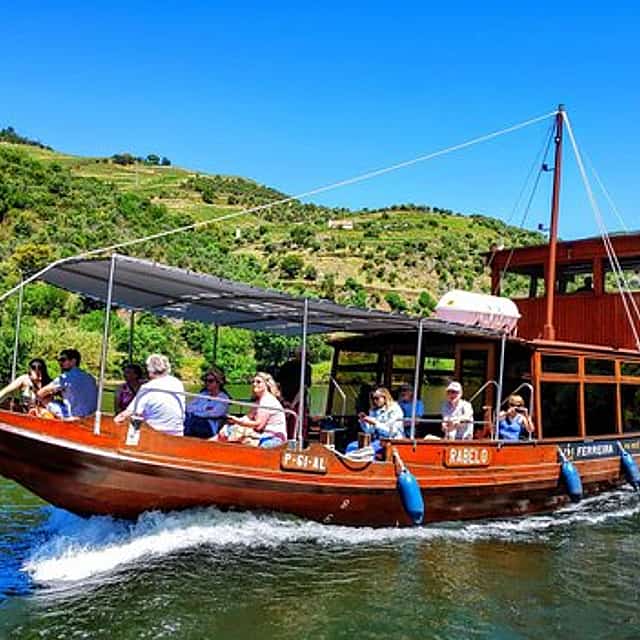
- By boat. Rabelo boats, once used to carry wine barrels downriver to Porto's cellars, now run short cruises past the terraces instead.
- By road. Roads on both banks link the quintas directly; a driver or a tour matters more here than in most wine regions, given how the roads climb.
Practical
- Weather. July and August regularly pass 35C around Pinhão, far hotter than coastal Porto; harvest runs from September into October.
- Demarcated since 1756. The Alto Douro was regulated as a wine region well before most others existed as one, and UNESCO listed the terraced landscape itself in 2001.
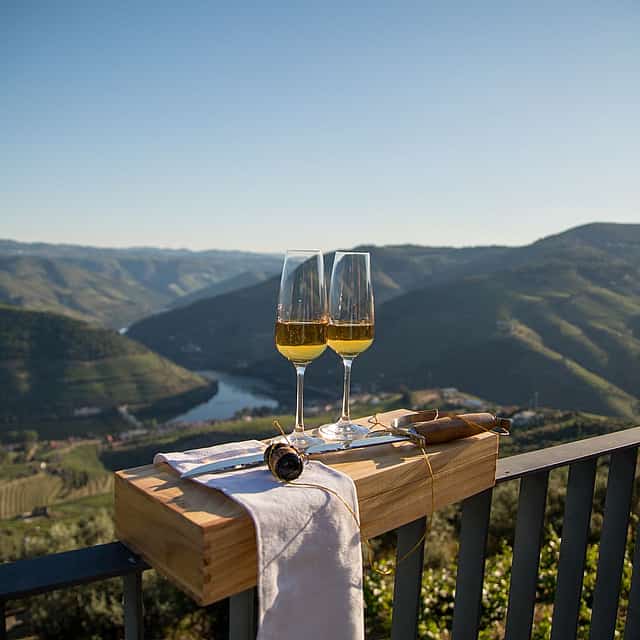
- Where to taste. Most quintas pair a tasting with a short tour or a lunch; a few also offer rooms, for a night among the terraces rather than a single afternoon.
- Getting around. A car or a tour covers the valley properly; the train is scenic but stops only at the main towns, not at the quintas themselves.
Top experiences in Douro
Request only Request only
 Request only
Can’t find the right experience?
Tell us what you are planning and local hosts will send options tailored to your dates, group and budget.