Tenerife, Canary Islands, Spain
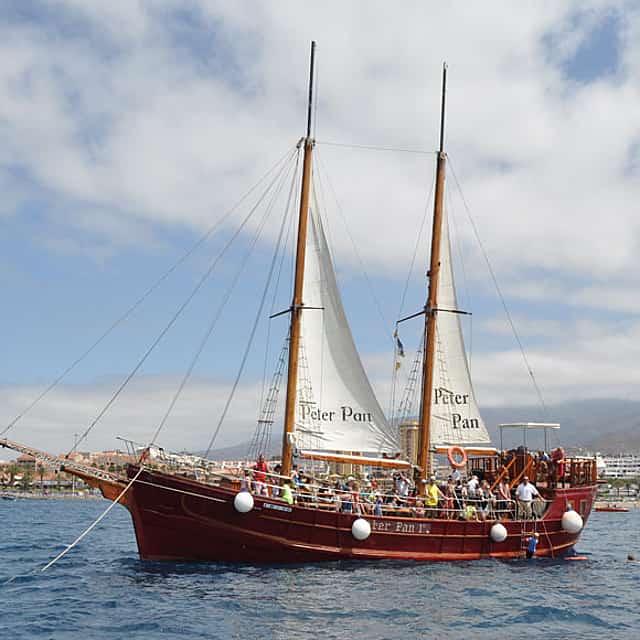
Tour with Whale Watching in Tenerife Peter Pan Boat
2 hours
21 views recently
From€27.00/ person
The Canaries are eight inhabited volcanic islands, a hundred kilometres off Morocco and a long way from Spain, and they divide the work between them. Tenerife is the biggest and busiest, carrying Teide — 3,715 metres, the highest ground in Spain — the whale channel on its southern flank, and resorts from Los Cristianos to Costa Adeje. Gran Canaria has the Maspalomas dunes, the Guayadeque ravines and Las Palmas, a capital with a real old town. Lanzarote is the strangest to look at: the lava fields of Timanfaya, the white villages around Teguise, and an island aesthetic one architect, Cesar Manrique, more or less designed. Fuerteventura is wind and beach, Morro Jable at its tip. The western islands are quieter and greener: La Palma for stars, La Gomera for the laurel forest of Garajonay, El Hierro and La Graciosa for anyone escaping the other seven.
The trade winds set the terms here. Volcanoes are the headline — the crater road across Teide, the fire pits of Timanfaya, and stargazing evenings that exist because the altitude and the air beat almost anywhere in Europe. The sea provides the rest: whale and dolphin watching in any month, because the pods off Tenerife do not migrate, plus sailing, diving and the long beaches. The food and wine side is better than its reputation, with vines in black volcanic ash and bottles that mostly never leave the islands. Add ravine hikes and a week fills.
Practical. Island-hopping means a flight or a ferry, not a day trip, so decide where you are staying first; the offer is island-specific. The weather is the whole point and more complicated than the brochures suggest: the trade winds hold the coast between roughly 18 and 26C all year, but every island has a wet green north and a dry bright south, often on the same afternoon, and a few times a year the calima blows Saharan dust across everything and takes the visibility with it. Nights on Teide are cold whatever the coast is doing. The islands are cheaper than mainland Spain, partly because the local sales tax is a fraction of Spanish VAT — a coffee around a euro and a half, a set lunch ten to twelve. Tipping follows the Spanish habit of loose change and rounding, never a percentage. The summit cone of Teide needs a free permit booked weeks ahead; the cable car reaches 3,555 metres without one. And winter is high season here: January fills in a way June does not.
Tenerife, Canary Islands, Spain
2 hours
21 views recently
From€27.00/ person
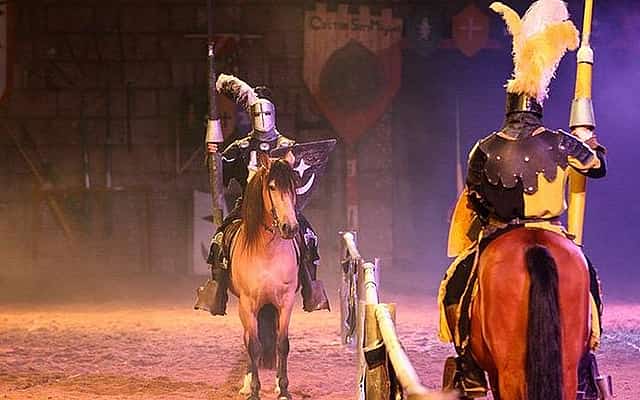
Castillo de San Miguel, Canary Islands, Spain
2 hours
24 views recently
From€51.50/ person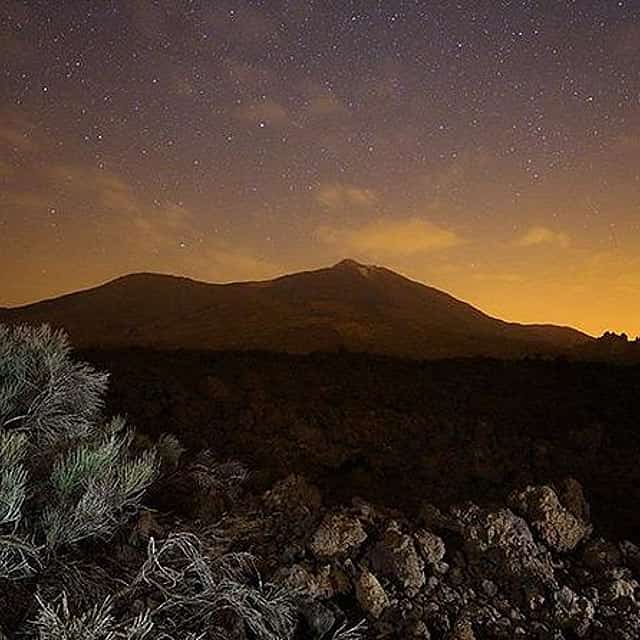
Tenerife, Canary Islands, Spain
8 hours
From€61.00/ person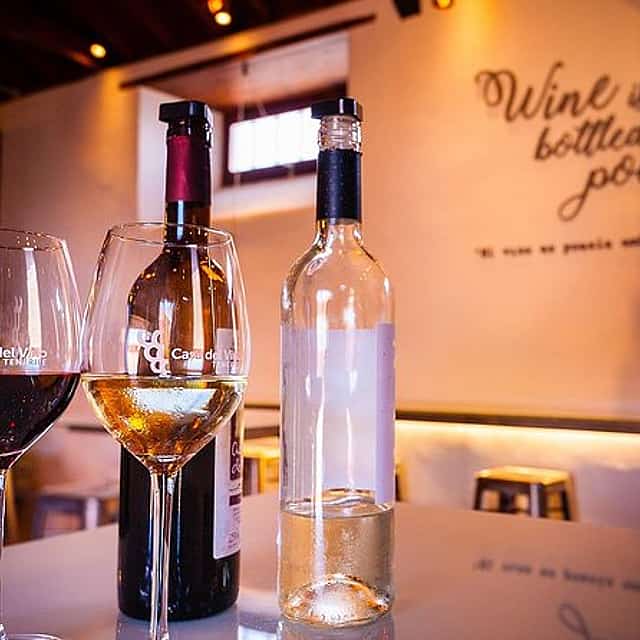
Tenerife, Canary Islands, Spain
8 hours
16 views recently
From€65.00/ person
Tenerife, Canary Islands, Spain
1 hour
21 views recently
From€350.00/ person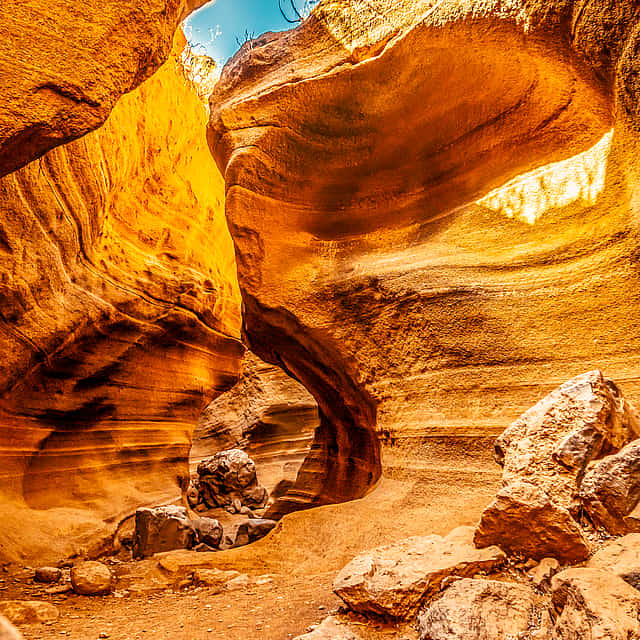
Spain, Canary Islands, Gran Canaria
8 hours
34 views recently
From€115.00/ personTell us what you are planning and local hosts will send options tailored to your dates, group and budget.