


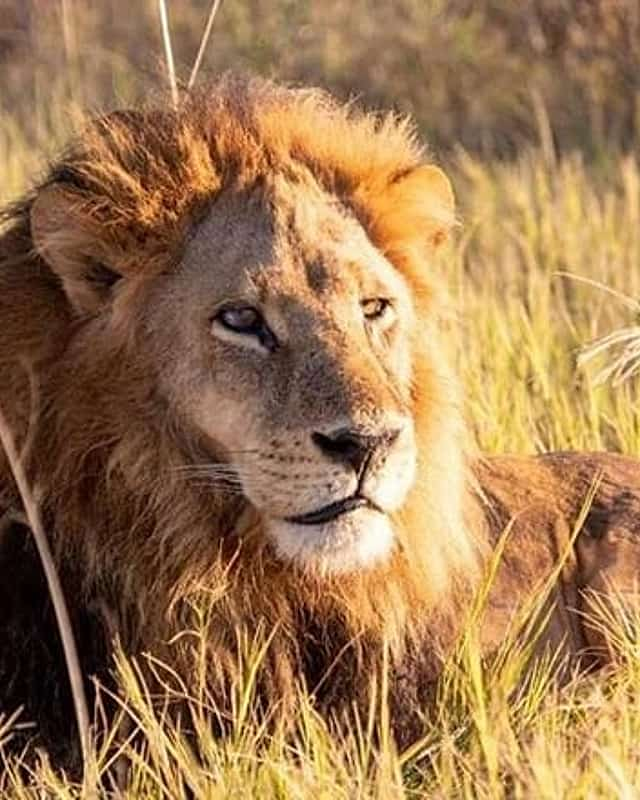


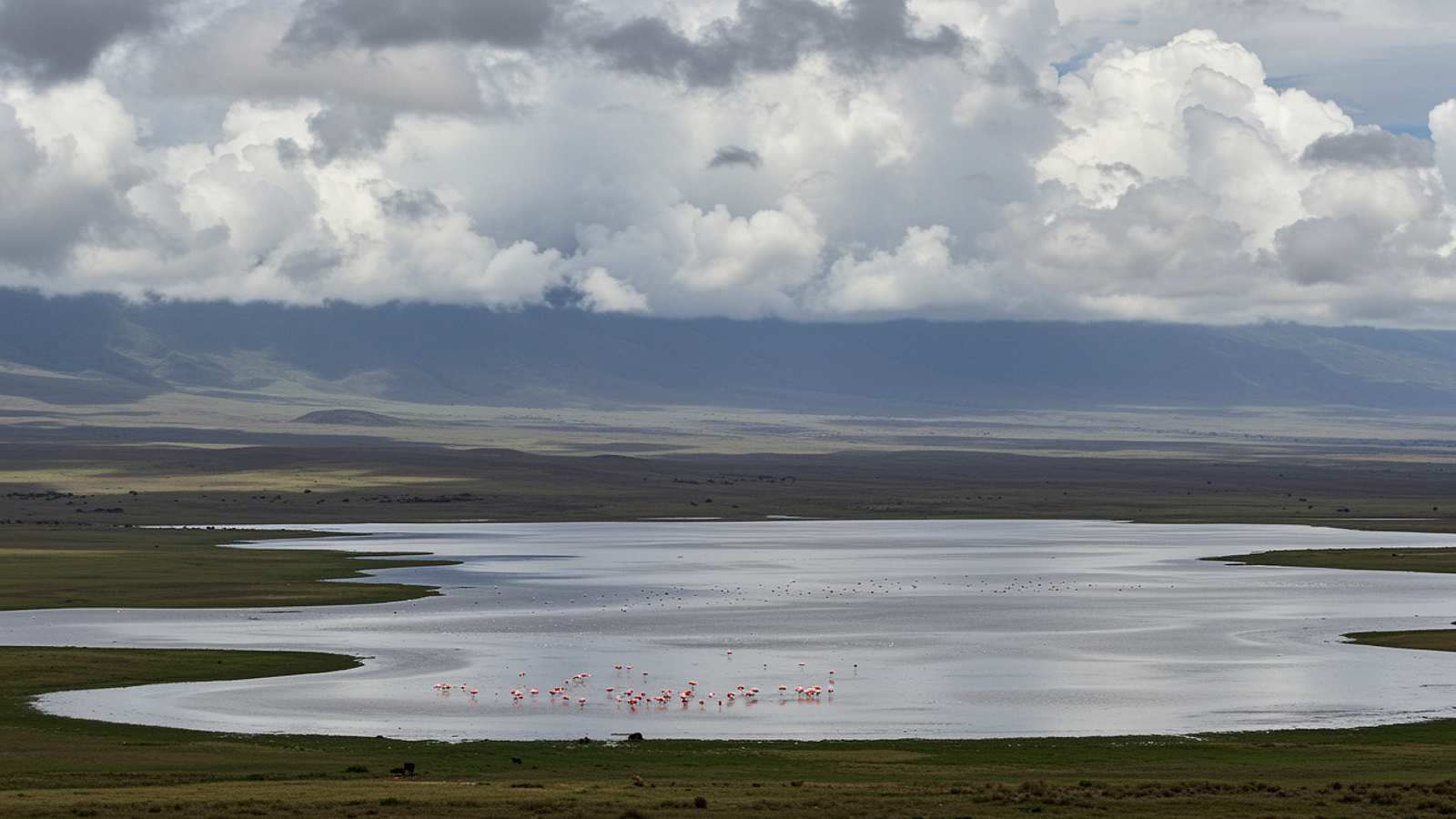
Sightseeing in Arusha is a short walk through town and a ring of day trips. The town keeps the Old Boma, a German fort of 1900 that now holds the Natural History Museum, the Uhuru Monument with a small museum on the 1967 Arusha Declaration beside it, and the clock tower. The rest is parks. Arusha National Park is compact, 137 square kilometres and protected since 1960, and splits into three: the forested Meru Crater, the grassy Ngurdoto Crater, and the shallow alkaline Momella Lakes, where flamingos feed. Giraffe and buffalo are common, black-and-white colobus live in the forest, and walking is allowed with an armed ranger. Lake Manyara has a groundwater forest of fig and mahogany beside the soda lake and is known for its tree-climbing lions. Tarangire, with its baobabs and elephants along the river, is fullest from June to November.
The city tour takes about four hours. Arusha National Park fills half a day or a full one, with a walk on the plains and canoes on the Momella Lakes as options. Lake Duluti, a crater lake outside town, is a canoe-and-birds morning. Tarangire takes about ten hours door to door, Manyara twelve, and Ngorongoro Crater about thirteen, a long single day that two days make easier. Most are private 4x4 days with a driver-guide, sold per vehicle, and a van with a driver can also be hired by the day.
Practical. Afternoons in town run from about 20C in July to 28C in January, and the long rains of March to May turn park tracks soft. Day trips leave at first light, when the animals are moving. Bring binoculars, a hat and layers, since mornings on the road to the crater are cold. Arusha National Park is the easiest first outing, under an hour from town.
Sightseeing in nearby cities
Discover other Sightseeing

More things to do in Arusha
Can’t find the right experience?
Tell us what you are planning and local hosts will send options tailored to your dates, group and budget.