


Half Day - Private TukTuk All Around Porto
Rua de Augusto Rosa 180, Porto, 4000-528
A half-day adventure in Porto. Come and discover the history of the city, it's main monuments, stroll through the charming gardens and discover viewpoints with incredible views.
นโยบายการยกเลิก
โปรดอ่านนโยบายของผู้ให้บริการด้านล่างก่อนจอง
ระยะเวลา 3 ชม. 30 น.
ระยะเวลาตามที่ผู้ให้บริการประสบการณ์แจ้ง
ภาษา
โปรตุเกส, อังกฤษ, สเปน
ขนาดกลุ่ม
2–12 คน
รายละเอียดทั้งหมด
This experience begins at the São João National Theatre, where the guide will give a brief introduction to explain the itinerary and ensure the group’s comfort and safety.
During this tour, you will discover the medieval origins of Porto, wander through the alleys and narrow streets of the ancient neighborhoods where the city was founded, and admire some of its most iconic monuments. All of this in a relaxed atmosphere, always accompanied by the insights of a knowledgeable local guide.
We will cross the Infante Bridge for a short stop on the left bank of the Douro River, near the Serra do Pilar Monastery, where you can enjoy a glass of Port wine while taking in one of the most stunning views in Portugal – the Douro River and the city of Porto on the opposite side.
In the Bolhão Quarter, we will take a short walk to visit the traditional Bolhão Market, filled with local products and traditions, as well as the charming Chapel of Souls, famous for its magnificent blue tiles.
From there, we head to the Cordoaria area, where we will take a short walk to visit Clérigos, the Churches of Carmo and Carmelitas, the iconic Lello Bookstore, and the Cordoaria Garden. This emblematic green space, located behind the University Rectory, is close to the Portuguese Photography Center, the Palace of Justice, and Santo António Hospital.
The next destination is the Crystal Palace Gardens, a magnificent botanical garden that hosts cultural events and offers unique views of the Douro River.
We then proceed to Infante Square, where you’ll find the Stock Exchange Palace, the Church of São Francisco, and the old Ferreira Borges Market.
Finally, we’ll cross the Brige for a stop at the Serra do Pilar Monastery viewpoint, where we will enjoy a glass of Port wine while admiring the breathtaking panorama of one of the most stunning views in Portugal – the Douro River and the city of Porto on the opposite side of the river.
This is a private and exclusive tour with a unique itinerary that combines Tuk Tuk rides, short walks, and the best spots for photography. Come and discover the history, culture, gastronomy, and some of Porto’s curiosities with us.
Come and discover the Essence of Porto!
กำหนดการ
S. João National Theater. This classic building was constructed in 1910 on top of the ruins of the Real Theatre which burned down in 1908. With stylistic emblems representing pain, quality, hate and love. The main façade is inspired by its renovation in the style of Luís XVI, which is typical of the early years of the 20th Century, namely in France. Designed by Marques da Silva, it is considered a building of public interest.
Fernandine Walls. This Romanesque wall was constructed in the 12th century, demarcating the administrative and urbanistic extent of Porto, after a long period of dispersed population. Of this structure, there are important remains that were not destroyed in the intervening years.
Monastery of Serra do Pilar. The Monastery of Serra do Pilar is a former monastery located in Vila Nova de Gaia, Portugal, on the opposite side of the Douro River from Porto. The monastery is situated on an outcrop overlooking the Dom Luís I Bridge and the historic centre of Porto. The monastery is notable for its church and cloister, both of which are circular.
D. Luis I Bridge. Planned by the engineer Teófilo Seyrig, a disciple of Eiffel, it was inaugurated in 1886 and it is composed by two overlapping iron decks. The bridge has 395 metres long and 8 metres wide, and its arch is still considered to be the world's biggest one in forged iron. Nowadays the upper deck is used by the Metro of Porto, connecting the area of Porto's Cathedral to the Garden of Morro and to the Avenida da República in Vila Nova de Gaia.
São Francisco Church. The city's most important Gothic temple, whose construction began in the fourteenth century. It is one of the most important works of the Baroque, by its gilded interior from the seventeenth and eighteenth centuries. It was the exuberance of its gild carved wood work that led Count Raczinsky to describe it as the 'Church of Gold'. And, overwhelmed, he adds: 'The gild of this church is so beautiful and rich that goes far beyond everything I have seen in Portugal and in the whole world'.
Stock Exchange Palace. A National Monument, the Palácio da Bolsa is the property and headquarters of the Commercial Association of Porto. Situated in the historical centre, it is one of the most visited monuments with the famous Arabian Room being its major highlight.
Alfândega do Porto. A neoclassical building, built in the 19th century, according to a project carried out by the engineer Jean F. G. Colson. It has two facades, one facing the Douro river and one facing the city. Note the structural solutions that resorted to the use of iron in conjunction with other materials - stone, brick or wood - depending on the functionality of the different spaces.
Palácio de Cristal Gardens. The Palácio de Cristal Gardens are a pleasant green space located in the heart of Porto, from which you can enjoy stunning views of the Douro River and the sea. These romantic gardens were designed in the 1860s. The romantic gardens of the Palácio de Cristal have always been a privileged stage for various cultural, social, spectacles and public amusements of various kinds.
Lions Square. The Fountain of the Lions (Portuguese: Fonte dos Leões), is a 19th-century fountain built by French company Compagnie Générale des Eaux pour l'Etranger. Cast by the Val d’Osne foundry in France, it is a copy, in most part, of the fountain in the Town Hall Square of Leicester, England
Carmo Church. Church built in the second half of the eighteenth century. Due to its architecture and interior carvings, it is considered to be one of the most remarkable buildings of Porto rococo. In 1912, its lateral façade was covered with tiles. The drawings on those tiles were designed by Silvestre Silvestri. They are figurative compositions alluding to the cult of Nossa Senhora (Our Lady). Building designated national monument.
Carmelitas Church. Seventeenth century church whose classical façade dates from the 1850s. The project has been attributed to the architect/painter Nicolau Nasoni. The altarpiece, of Porto rococo style, was considered to be a stylistically revolutionary piece. Building designated national monument.
Cordoaria Garden. The name by which it is best known is due to the activity of the rope makers who stayed here for about 200 years. In the nineteenth century, the Municipality decided to transform the Praça da Cordoaria into a public area. The project, by the German landscaper Emile David, was built in 1865/1866. In the garden there are statues of Ramalho Ortigão and António Nobre and a set of sculptures by Juan Muñoz "thirteen laughing at each other"
Clérigos Tower & Church. The Clérigos Church is a Baroque church in the city of Porto, in Portugal. Its tall bell tower, the Torre dos Clérigos, can be seen from various points of the city and is one of its most characteristic symbols.
Lello BookStore. On the inside, the library is decorated in painted plaster imitating wood and presents a magnificent staircase linking it to the upper floor - one of the first reinforced concrete works in Porto. Also worthy of attention is the huge stained-glass skylight, bearing the library's monogram and motto: 'Decus in Labore'.
Forte de São Franciso Xavier. In a dominant position over the Atlantic Ocean and a short distance from the mouth of the Douro River, it is also known as Castelo do Queijo because, according to tradition, it was built on a rounded granite rock, with a shape similar to a cheese (Boulder of Cheese).
Casa da Música. The Casa da Música is a concert hall in Porto, Portugal. It was designed by architect Rem Koolhaas and opened in 2005. Designed to mark the festive year of 2001 in which the city of Porto was designated European Capital of Culture, it was the first building in Portugal aimed from its conception to be exclusively dedicated to music, either in public performances or in the field of artistic training and creation.
มีอะไรรวมอยู่?
รวมในราคา
- Port Wine Glass
ไม่รวมในราคา
- Monuments entrance
ข้อมูลสำคัญ
จุดนัดพบ
Rua de Augusto Rosa 180, Porto, 4000-528
อย่าลืม
Not wheelchair accessible Children must be accompanied by an adult A minimum of 2 people per booking is required This is a private tour/activity. Only your group will participate Times are subject to change due to local traffic conditions. Infant seats unavailable
นโยบายการยกเลิก
Free cancellation if cancelled more than 24 hours before start. 100% charge if cancelled within 24 hours of start.
เจ้าบ้านของคุณ
VE
Verified Local Host
อยู่กับ GetExperience ตั้งแต่ปี 2026
คุณอาจชอบสิ่งเหล่านี้ด้วย

ปอร์โต, โปรตุเกส
Cruise Shore Excursion - Private Tuk Tuk Tour to the Historic Center
3 ชม. 30 น.
จาก€89.00/ คน

ปอร์โต, โปรตุเกส
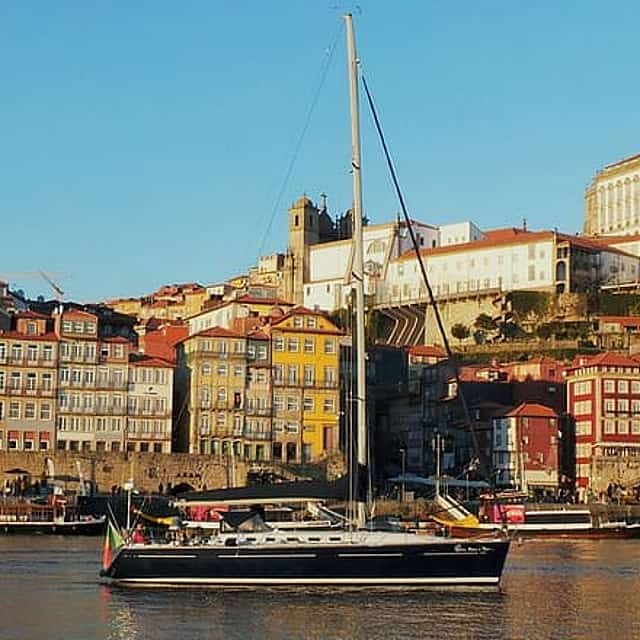
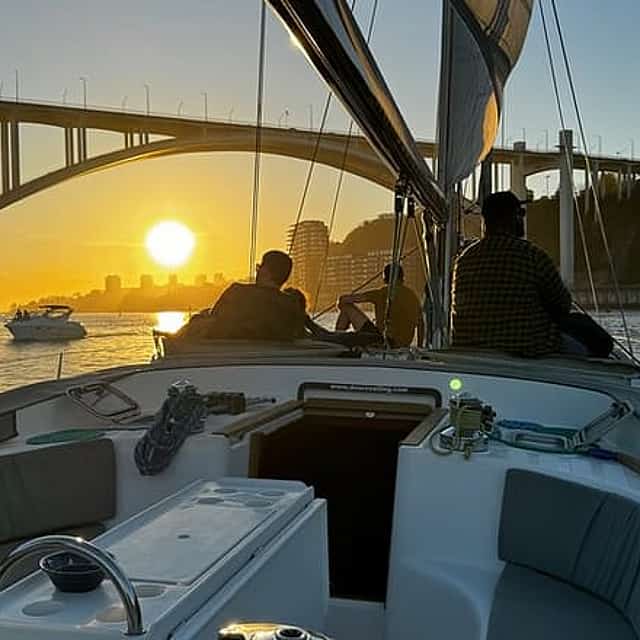
Porto: Boat Tour by the Douro River with Wine and Snacks included
2 ชั่วโมง
จาก€43.00/ คน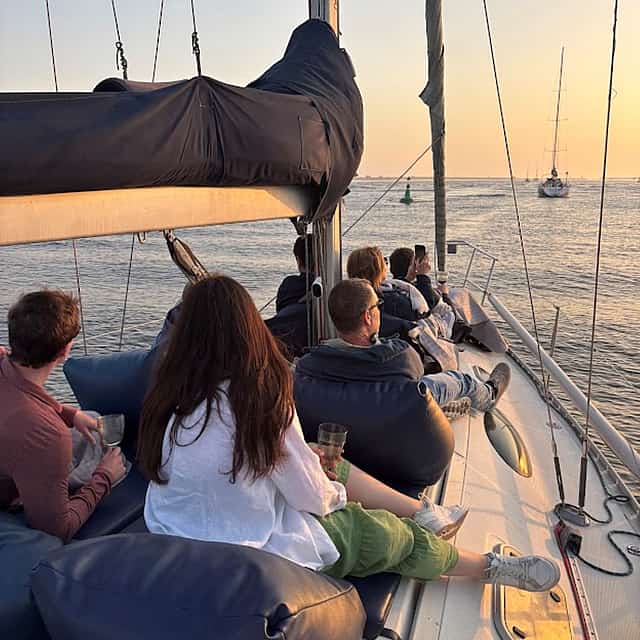
ปอร์โต, โปรตุเกส
ทัวร์เรือปอร์โต, 6 สะพาน พร้อมชมพระอาทิตย์ตก
2 ชั่วโมง
20 การเข้าชมเมื่อเร็ว ๆ นี้
จาก€50.00/ คน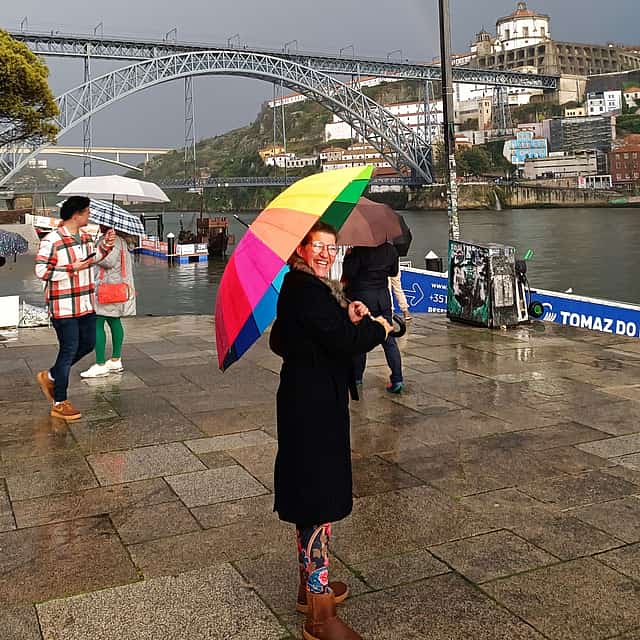 เฉพาะคำขอ
จาก€69.00 / คน