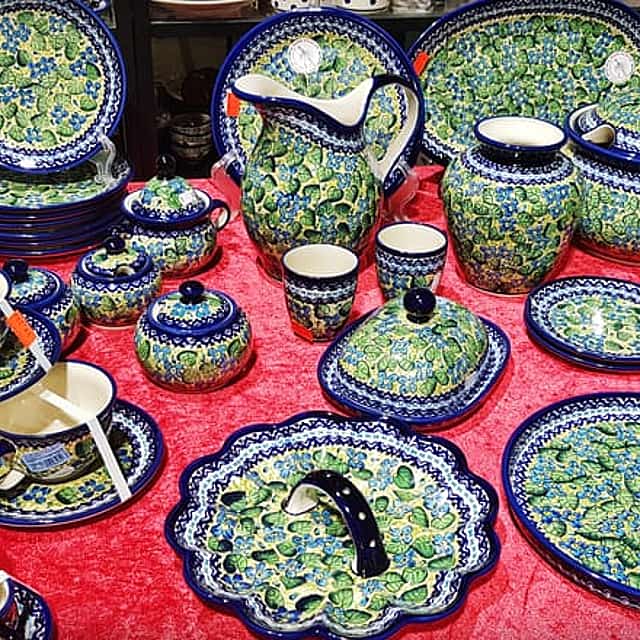
Varsovia, Polonia
Unique ceramic workshop - Bolesławiec Pottery Decorating (1,5h)
1 sa 30 dk
İtibaren€124.00/ kişiThis is a fully private tour with a private guide and private transportation.
İptal politikası
Ayırtmadan önce aşağıdaki tedarikçi koşullarını inceleyin.
Süre 4 saat
Süre, deneyim sağlayıcısı tarafından bildirilmiştir.
Dil
İngilizce
Grup büyüklüğü
1–50 kişi
Your guide will greet you at the hotel and invite you for the fully private sightseeing.
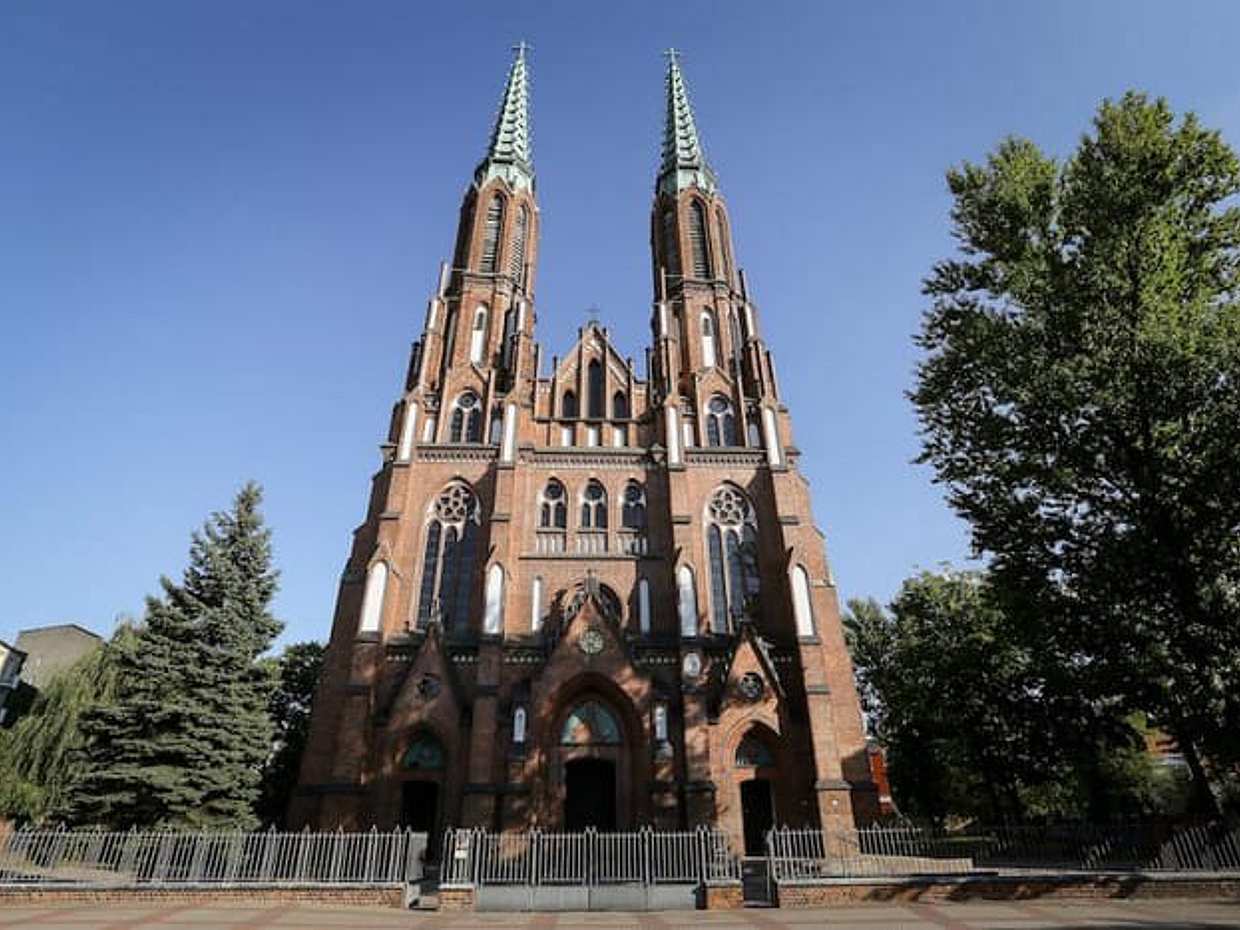
Cross the bridge to east side of Vistula River and discover different face of the Polish capital! This part of Warsaw was culturally, ethnically and religiously diverse for centuries. Nowadays Praga is considered to be the most authentic part of the city, as it miraculously was not destroyed during World War II. See two historical churches: St. Florian's Cathedral (Catholic) and the Cathedral of St. Mary Magdalene (Orthodox) and the Monument to the Prague Backyard Band.
Pass through the most popular streets in Praga – such as Zabkowska street. Stroll along cobbled roads, among old pre-war tenement houses. Feel as if have stepped back in time by several dozen years!
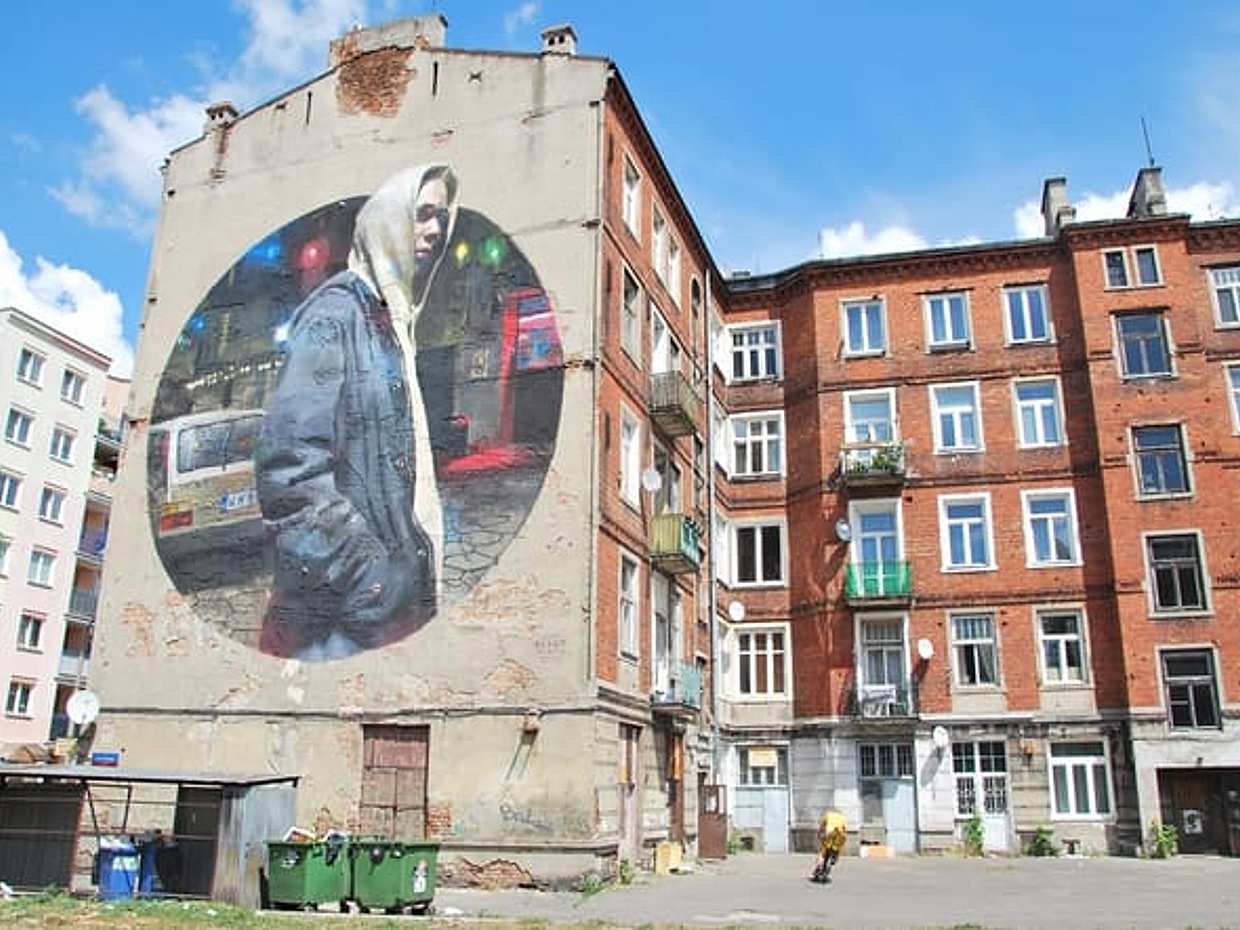
Seek out famous little shrines hidden everywhere and the original murals on the old buildings.
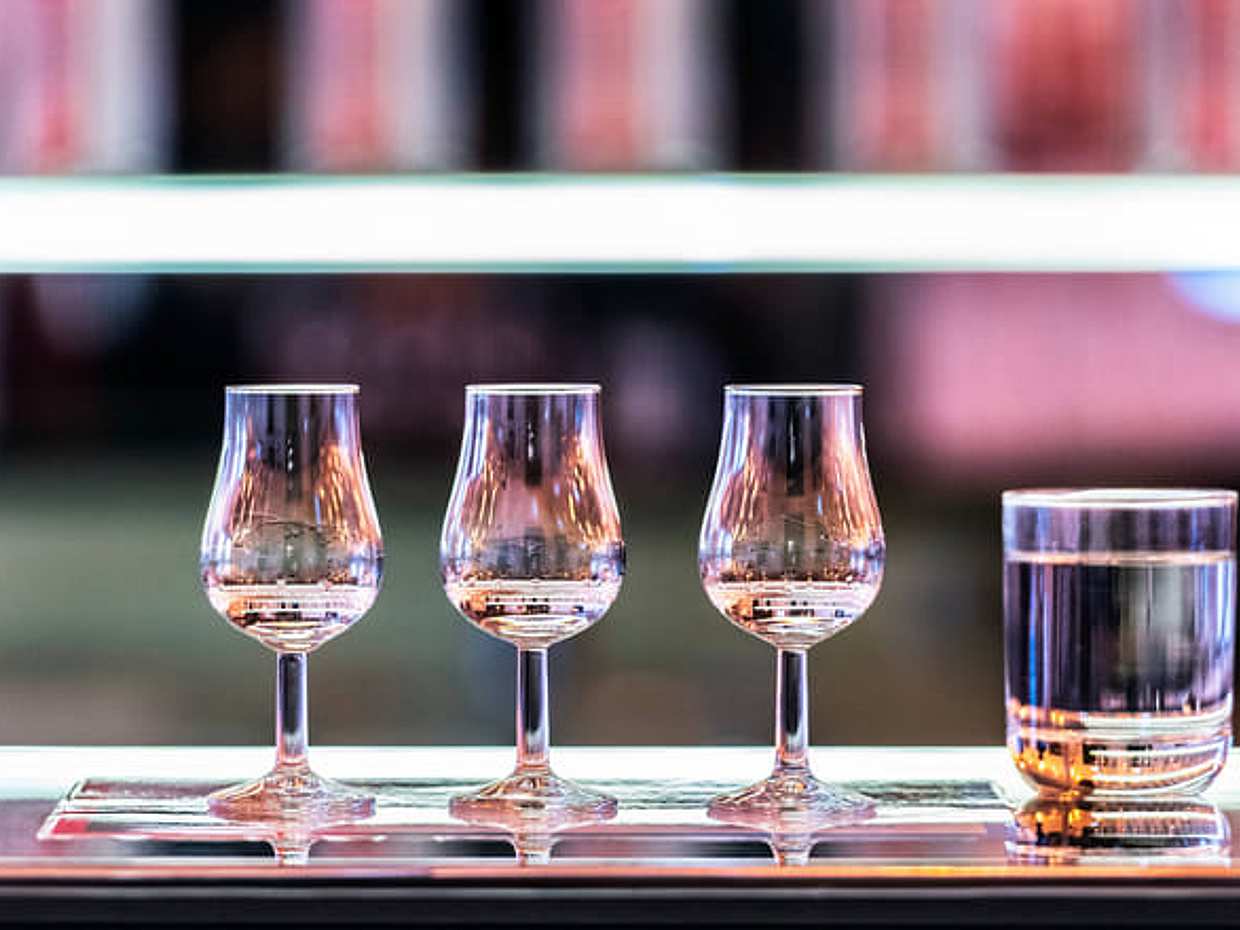
In the end, visit the Polish Vodka Museum in the renovated Koneser centre. Here explore the interactive exhibition, walk through over 500 years of history and tradition connected to Polish national beverage and learn what made Polish Vodka famous worldwide. Learn ins and outs of alcohol tasting and experience the taste of three different Polish Vodkas. Na zdrowie!
Warsaw's Praga. For a unique ambience with the idiosyncratic “Praga folklore”, visit the part of Warsaw on the River Vistula’s right bank – Praga Północ district, historically encompassing the area of Old Praga. Undergoing serious revitalization in recent years, it has become extremely popular with Warsaw’s residents, artists and tourists. This part of the Polish capital has come alive also thanks to a new metro line guaranteeing fast and “jam-free” travel from the city centre. Praga Północ is home to such establishments as the Praga Museum of Warsaw, the Polish Vodka Museum at the Praga Koneser Centre, the Neon Museum, and the Warsaw Zoo.
St. Florian's Cathedral. Cathedral church for the Warsaw-Praga diocese located at 3 Floriańska Street in Warsaw. It was built in 1887 – 1904 and consecrated in 1901. The church has the form of a three-nave basilica with a transept. It has two tall towers and a third lower one (turret). In the front facade, made of raw brick, several mosaics were placed above the entrances, including the figure of Christ, the coat of arms of Praga or the coat of arms of the first bishop of Warsaw and Praga, Kazimierz Romaniuk. There is a baroque figure of St.Florian – the patron saint of firefighters, who, together with St.Michael the Archangel is the patron saint of the temple. The temple is considered by architecture experts as a model of Polish sacred architecture and that is why many designers of other churches followed its example.
Orthodox Cathedral of St. Mary Magdalene. Constructed between 1867 and 1869 to a design by Mikołaj Syczew, St. Mary Magdalene’s was originally built for the large congregation of Russians living around Jagiellońska as well as people arriving from the East at the nearby Wileńska train station. Now belonging to the independent Polish Autocephaly Orthodox Church, this stunning, five-domed building features a breathtaking golden interior and some unusually cheerful abstract designs. One of only two Orthodox churches to survive a demolition campaign in the 1920s, it’s easily the best-smelling church in Praga thanks to the heavy burning of rich incense.
Zabkowska Street. Nowhere is Praga’s revival better illustrated than ulica Ząbkowska, the natural gravitational point for all the Boho and artistic types who have recently materialised to upgrade the district. Originally lined with timber frame houses, Ząbkowska experienced a fierce blaze in 1868 that led to wooden lodgings being replaced with tall tenements, all but one surviving WWII. Post-war neglect hit the street hard, with Ząbkowska allowed to fall into such disrepair that plans for wholesale demolition were seriously considered. However it survived, and today restoration work has seen many of the buildings returned to their former glory, or currently undergoing redevelopment, streets repaved and galleries opened. For some the very name Ząbkowska is synonymous with lively bars (W Oparach Absurdu, Łysy Pingwin etc.) filled with student revolutionaries.
Rozycki market. Różycki Market is a fair and market area in the Praga district that was founded in the 17th century. In the 19th century it was used for the transhipment of goods from Eastern and Western Europe. The market itself was founded in 1874 and kept on developing. After a difficult time during World War I and World War II, it came to host 200 shops, 500 stands and lots of pavement traders. The era of the market's most vivid development, however, was the 1990s. This was the time when, due to the activities of local criminal gangs, it was seen as part of the so-called "Bermuda Triangle" of crime that also included the Stadium of the Decade trade area and the Eastern train station.
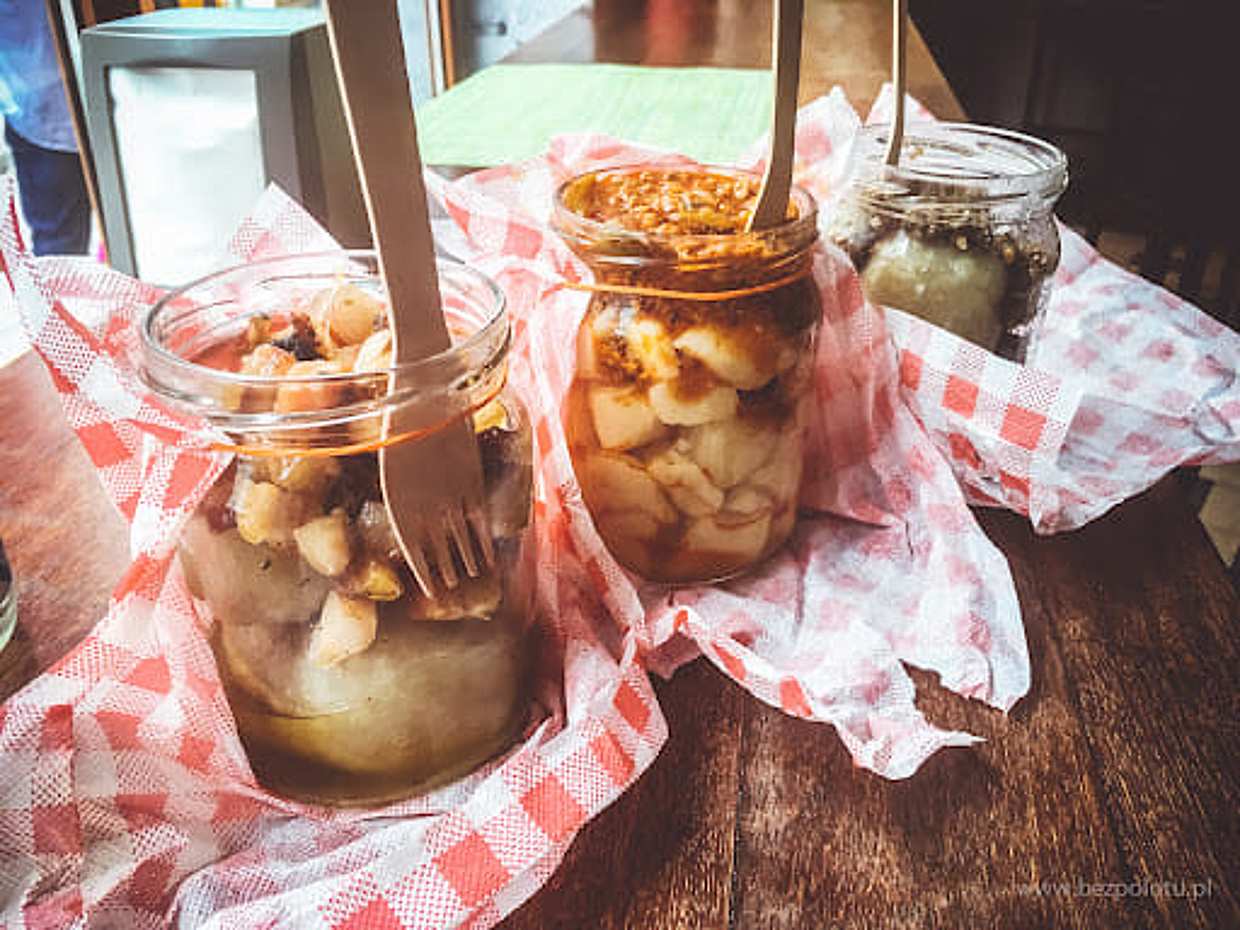
Exciting flavours from Praga. On the streets of Warsaw’s Praga district you simply must try flaki (tripe) and pyzy (potato dumplings)… In any corner of Poland, you can find pierogi, bigos (a cabbage and meat dish), żurek (sour rye soup), bread with smalec (a pork fat spread), kiełbasa (sausage), strawberries, apples… Be sure also to try some refreshing craft beer, delicious mead or colourful liqueurs made from Polish fruit.
Polish Vodka Museum - Koneser. The Museum is housed in a historic distillation and rectification plant within the premises of the Koneser Praga Centre. The location was not chosen at random. This is where the Warsaw Vodka Factory “Koneser” used to operate, a building complex in neo-Gothic style taking up 50 thousand square meters. Polish Vodka is not only a national heritage, but it is also an essential attribute of ‘Polishness’ recognised all across the world. It also is a crucial element of Polish culture, which has been served on Polish tables during celebrations for centuries. During the visit with a local guide we will discover the local tradition of vodka production and will learn about Polish Vodka’s international career. After the visit we will take part in a tasting of Polish Vodka which will be a perfect closing point of this Polish experience.
PGE Narodowy Stadium. The most modern and largest of its kind in Poland, as well as one of the symbols of Warsaw, built for the European Football Championship in 2012. It is located on the site of the historic Tenth Anniversary Stadium, which from the mid-fifties hosted the most important sporting events in Poland: international football matches, Polish football cup finals, the Warsaw Derby, the Peace Race, as well as huge propaganda rallies. After the collapse of the Polish People’s Republic in 1989, around the top of the stadium and later on the surrounding land, the gigantic Jarmark Europa market operated.
Varşova, Polonya
Verified Local Host
2026 yılından beri GetExperience'ta
Varsovia, Polonia
1 sa 30 dk
İtibaren€124.00/ kişi
İtibaren€230.00 / grup