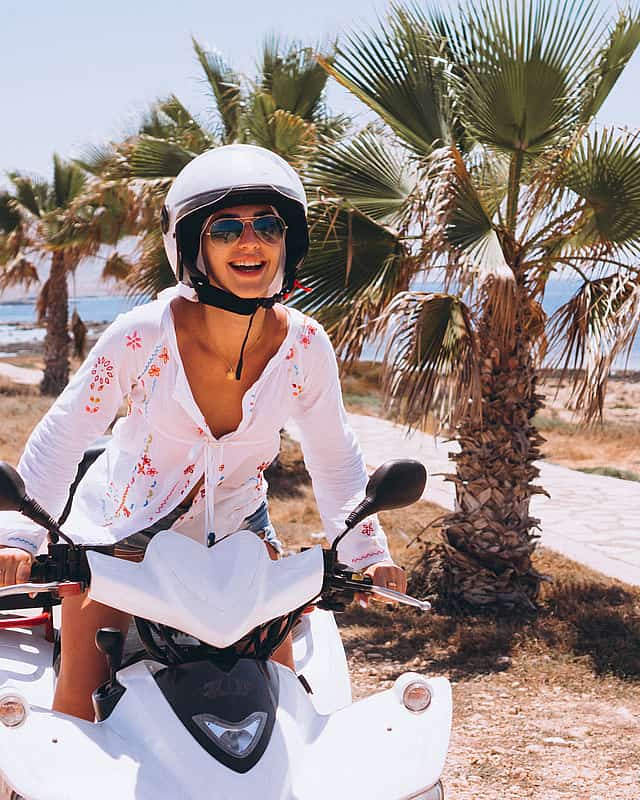
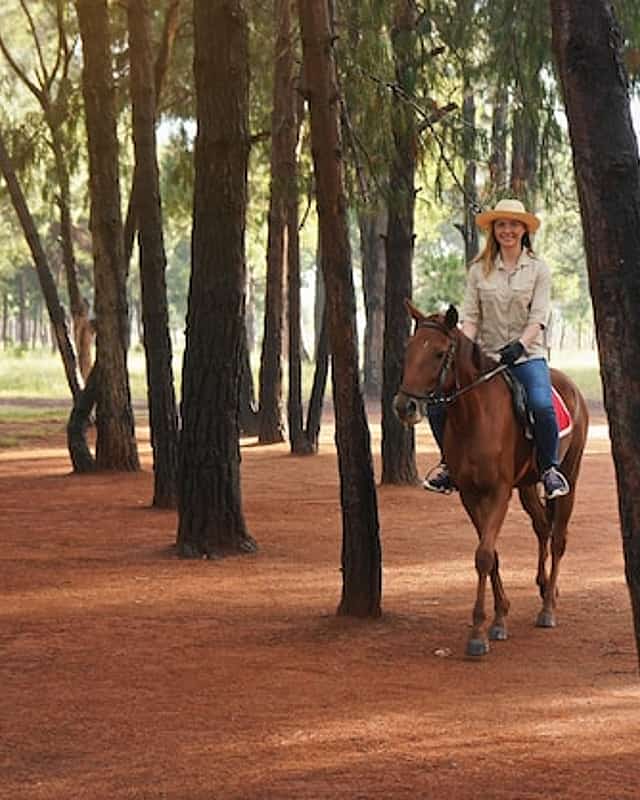



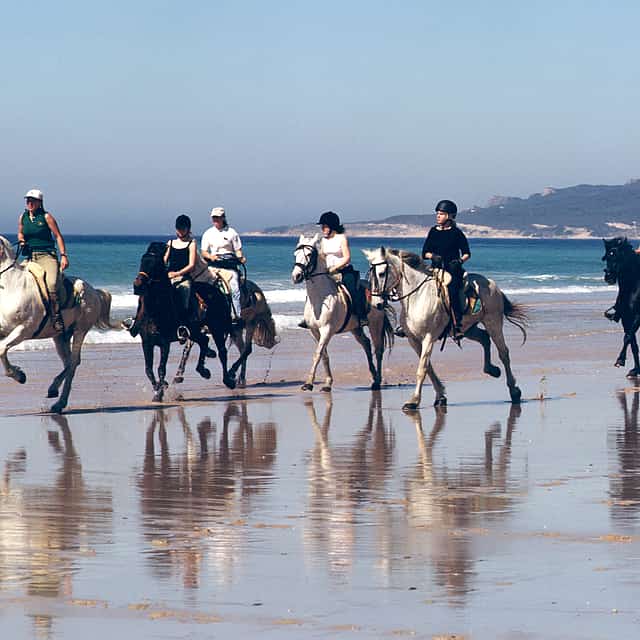
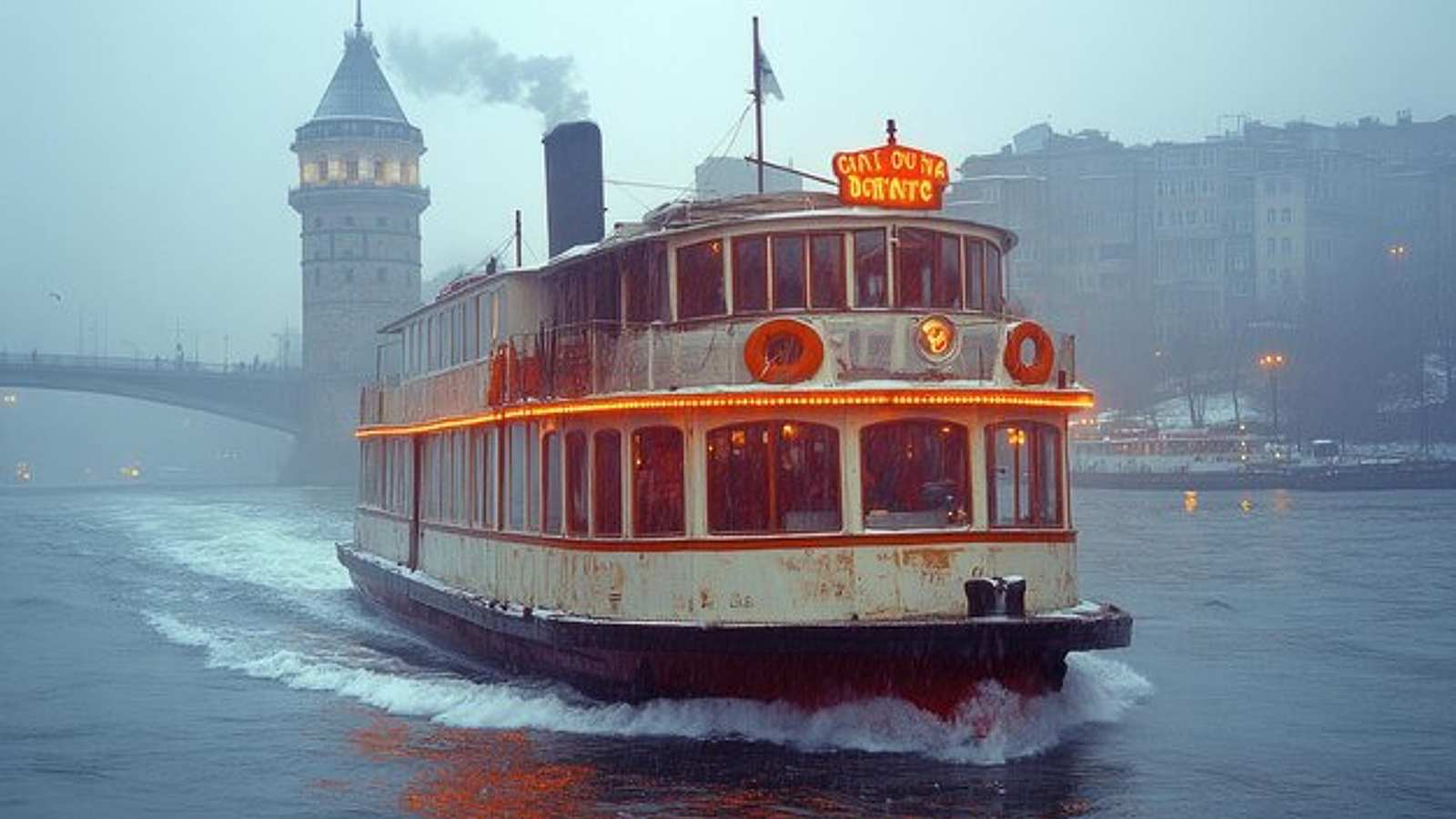
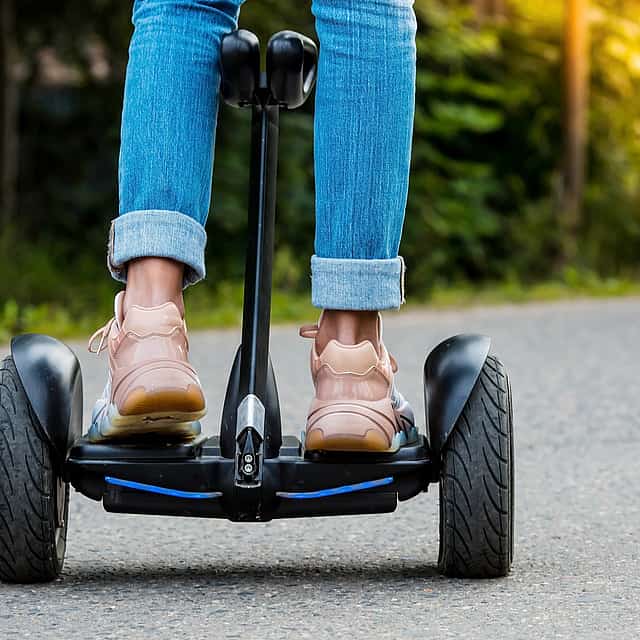
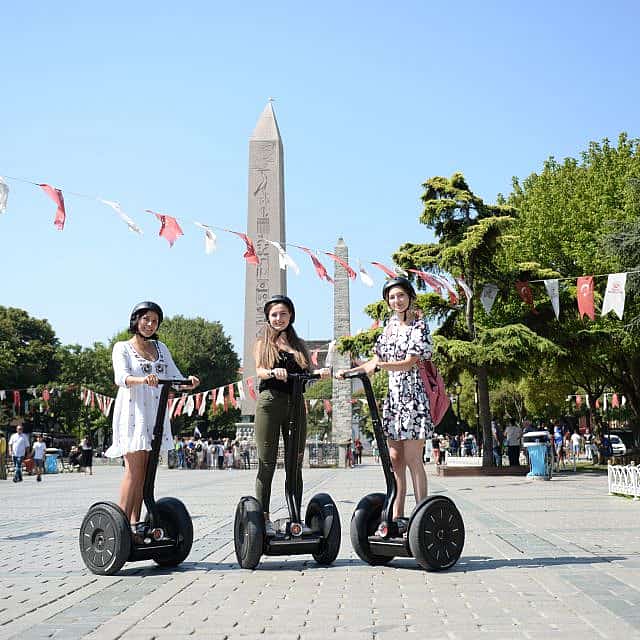
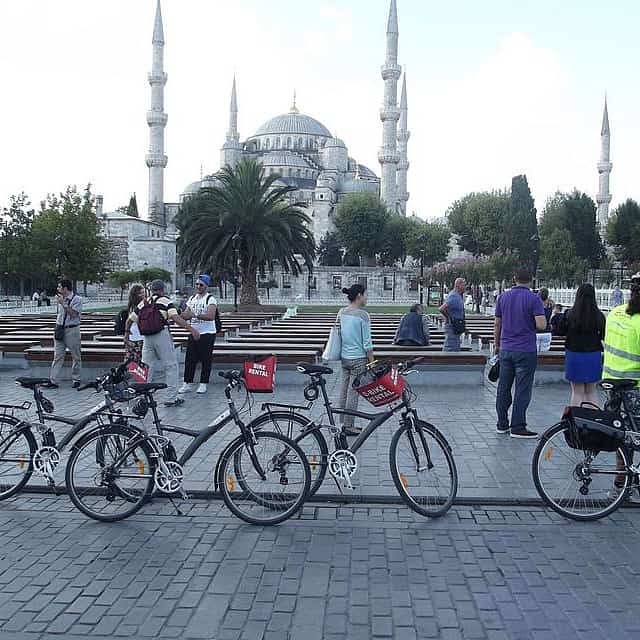
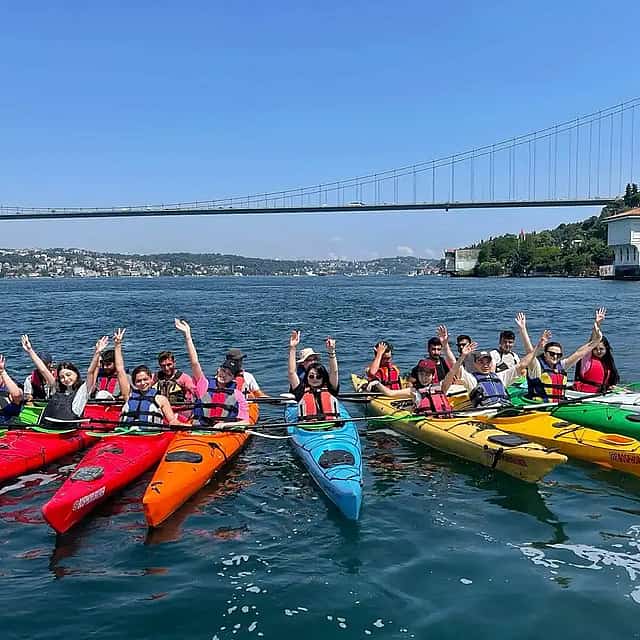
Riding around Istanbul means moving through the city rather than off-road: here the city itself is the terrain. The segway runs in the evening past lit mosques and along the waterfront, the bicycle tour covers the old town, where five hundred metres and one slope separate the landmarks. Water counts as transport too: an hour of canoeing on the Bosphorus and a water bike along the shore, from where bridges and palaces are seen from below. Horses work right at the waterline, with rides of thirty or sixty minutes.
The second tier is air and the long road. Helicopter flights over the city run on Sundays and privately: fifteen minutes above the Bosphorus show what takes a week to assemble in pieces from the ground. Bus routes go further — the two continents tour with a crossing to the Asian side and a cruise, and the run to Cappadocia overnight or over two days. Standing apart is the self-guided scavenger route through the centre: the same sightseeing, at your own pace and without a guide.
Practical notes. Segways and bicycles cross cobblestones and gradients, so wear closed shoes and leave heels behind. Helicopters carry a weight limit and require registration in advance, and flights are cancelled for weather. Canoes and water bikes go out in calm water, which in summer usually means morning. Bus tours to Cappadocia involve an overnight drive, so do not plan much for the following day.
Rides in nearby cities
Popular Rides
Discover other Rides
 Request only
Istanbul, Turkey
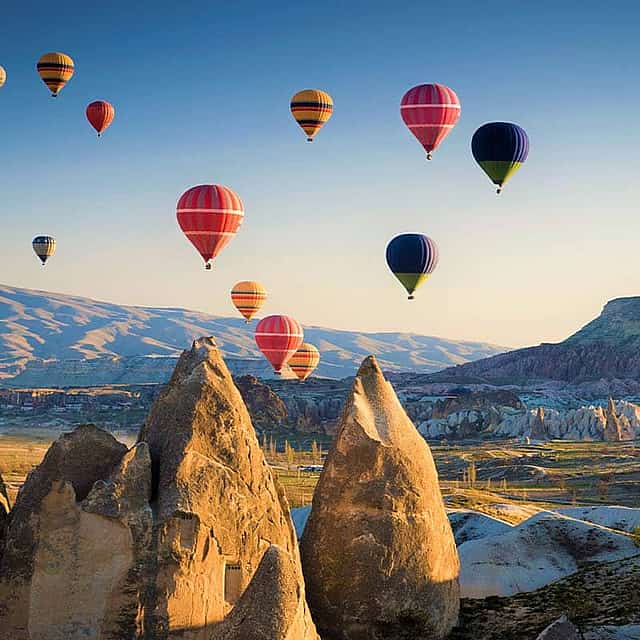
Tour from Istanbul to Cappadocia by bus with accommodation in an unusual hotel and a hot air balloon flight
3 days
26 views recently
From€500.00/ person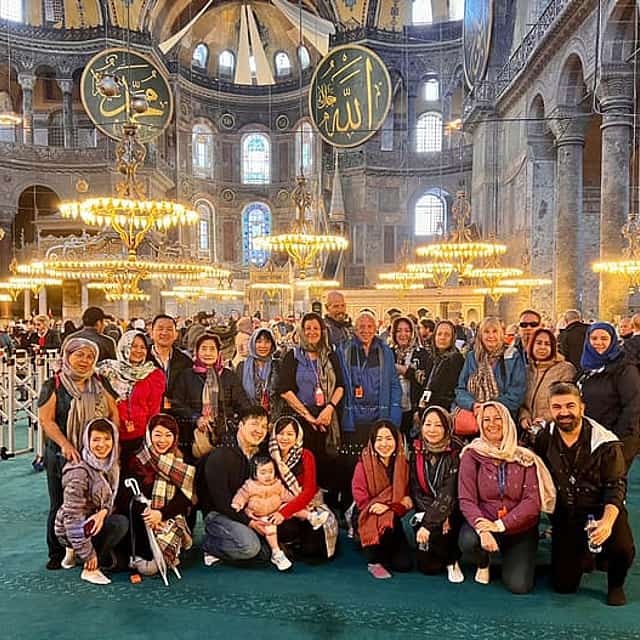
Istanbul, Turkey
Highlights of Turkey&Blue Escape - 14 Days
14 days
33 views recently
From€3,426.84/ person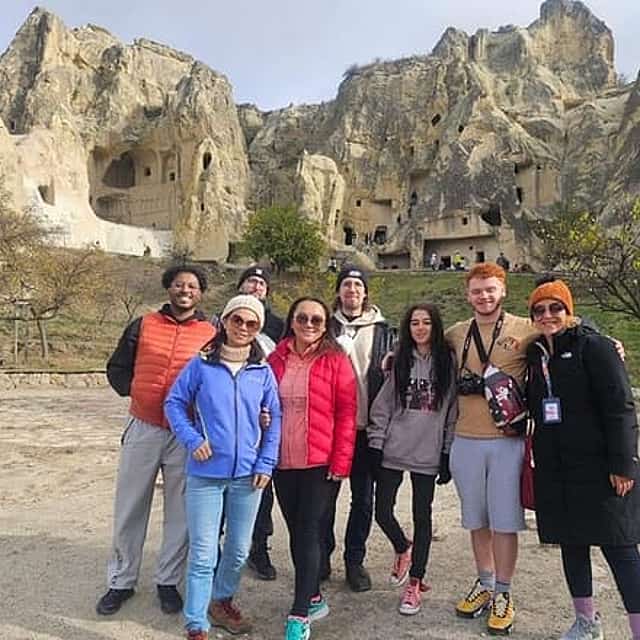
Istanbul, Turkey
4 Days Istanbul&Cappadocia w/cave hotel+optional balloon
4 days
30 views recently
From€716.93/ person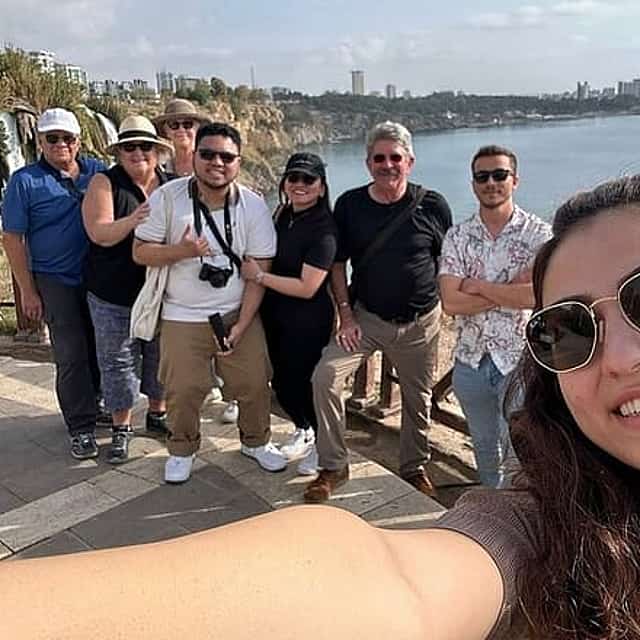
Istanbul, Turkey
9 Days Istanbul,Cappadocia, Antalya, Ephesus, Pamukkale by Plane
9 days
32 views recently
From€1,848.69/ person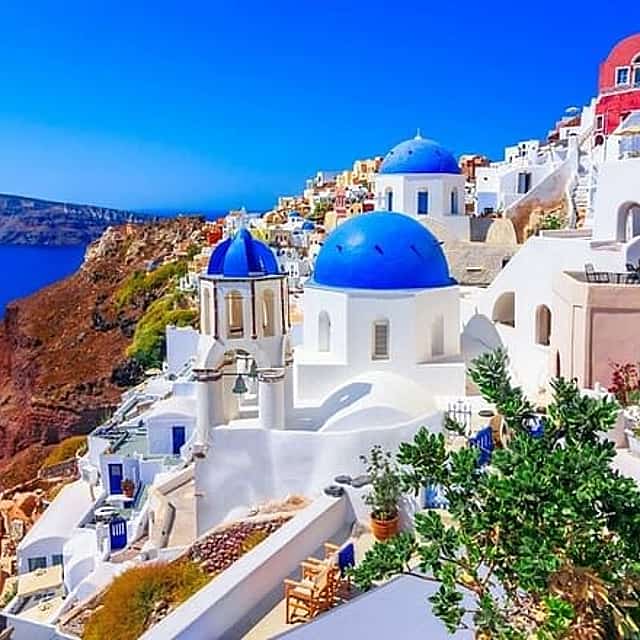
Istanbul, Turkey
14-Days Turkish Breeze with 4 Nights Iconic Aegeans
14 days
30 views recently
From€4,148.29/ person
Istanbul, Turkey
10-Day Western Turkey Explorer with 3 Nights Iconic Aegeans
10 days
35 views recently
From€3,787.56/ person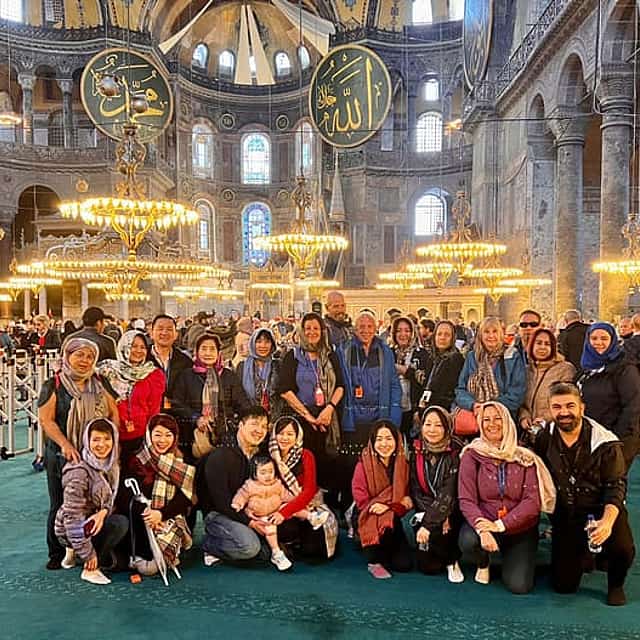
Istanbul, Turkey
Istanbul, Ephesus, Pamukkale, Cappadocia 8 Day Package
8 days
36 views recently
From€1,352.70/ person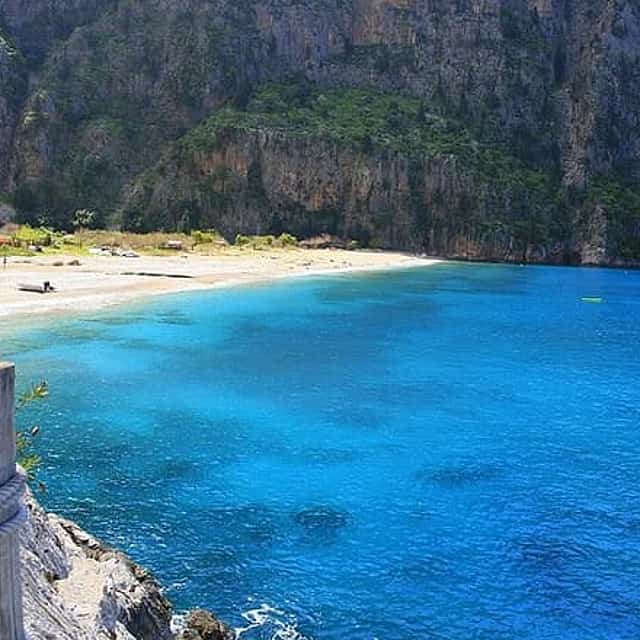
Istanbul, Turkey
12 Days - Highlights of Turkey / by Plane
12 days
26 views recently
From€1,717.93/ person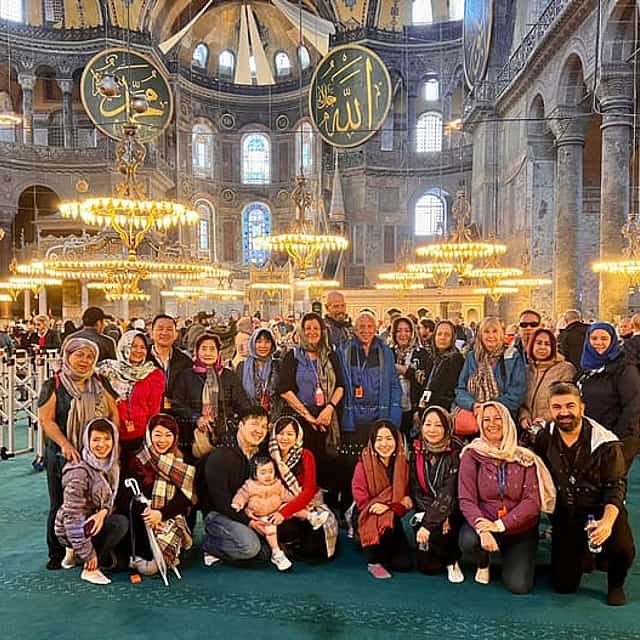
Istanbul, Turkey
6 Days Istanbul&Cappadocia w/cave hotel+optional balloon
6 days
28 views recently
From€1,064.13/ person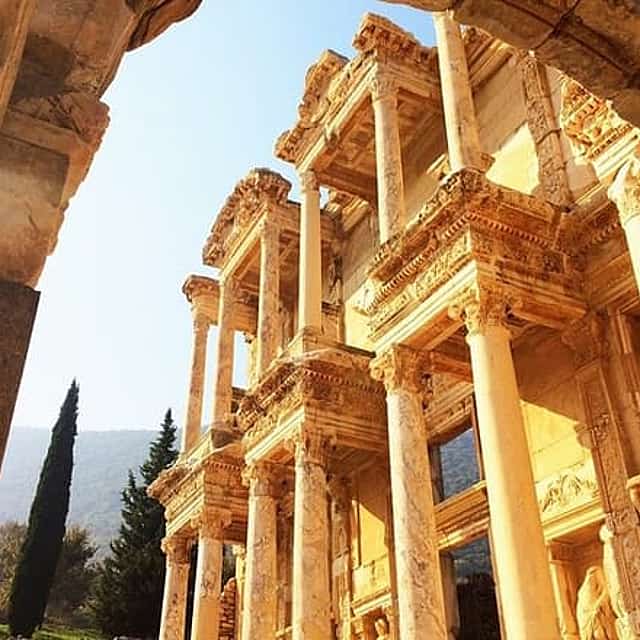
Istanbul, Turkey
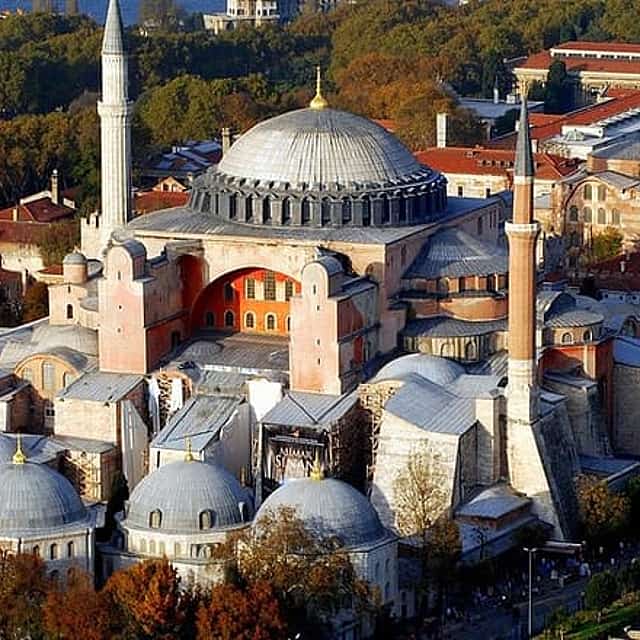
6 Days - Istanbul, Kusadasi (Ephesus), Pamukkale / by Plane
6 days
25 views recently
From€1,077.65/ person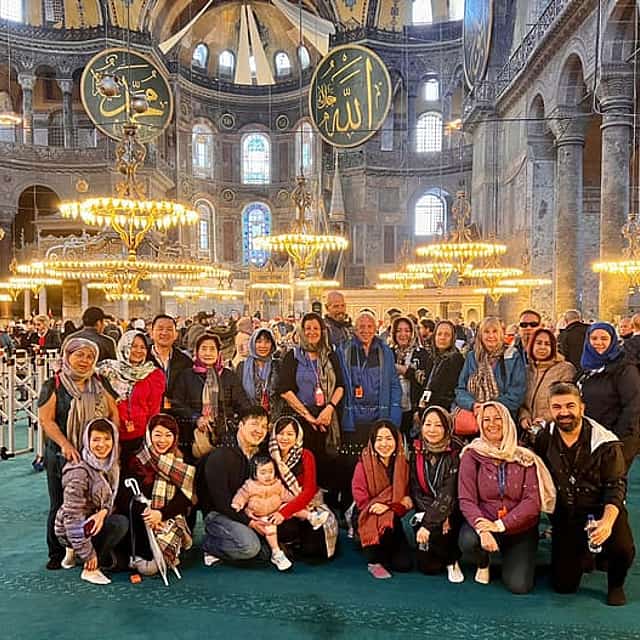
Istanbul, Turkey
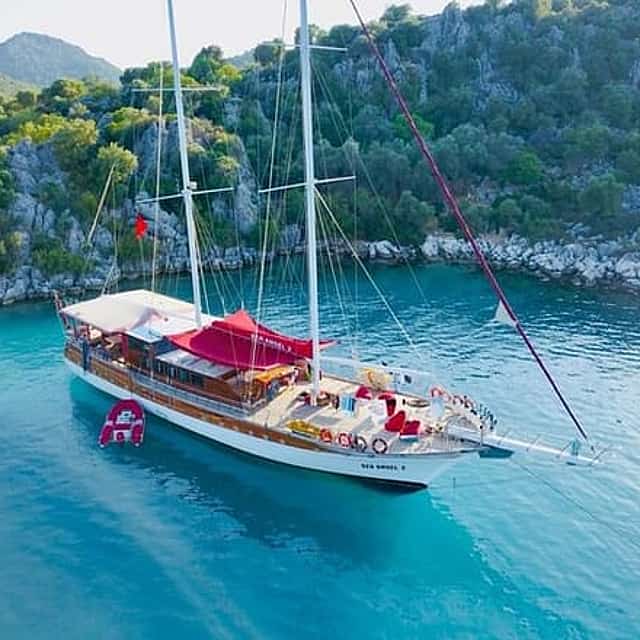
Jewel's of Turkey&Blue Escape - 10 Days
10 days
31 views recently
From€2,795.58/ person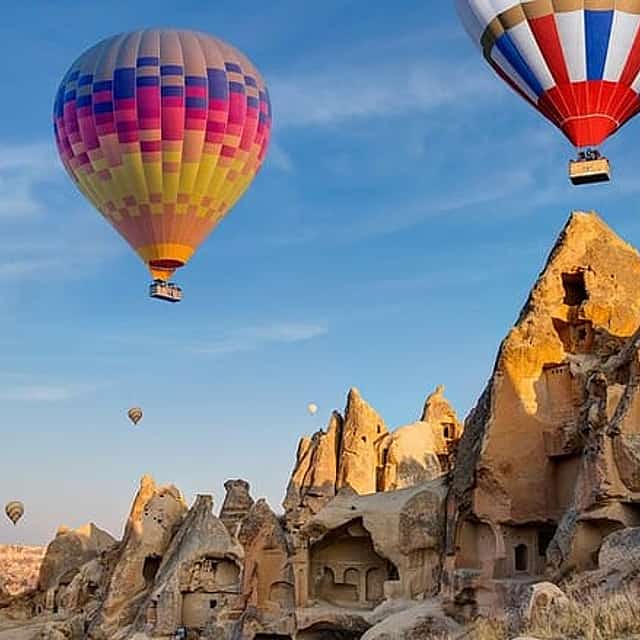
Istanbul, Turkey
13 Days Patterns of Turkey Tour from/to Istanbul by Plane
13 days
30 views recently
From€1,740.48/ person
Istanbul, Turkey
Istanbul, Cappadocia, Pamukkale, Ephesus 7 Day Package
7 days
28 views recently
From€1,149.80/ person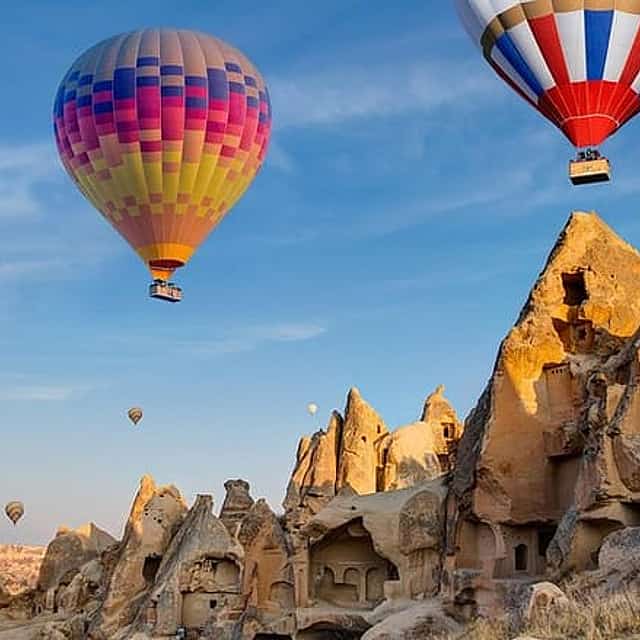
Istanbul, Turkey
2 Days Cappadocia from Istanbul w/cave hotel+optıonal balloon
2 days
27 views recently
From€446.39/ person

Istanbul, Turkey
2-Day / 1-Night Cappadocia Tour from Istanbul
2 days
10 views recently
From€500.00/ person
More things to do in Istanbul
Can’t find the right experience?
Tell us what you are planning and local hosts will send options tailored to your dates, group and budget.