

Princes Islands, Istanbul, Turkey
Excursion to Princes' Islands from Istanbul
8 hours
24 views recently
From€25.00/ person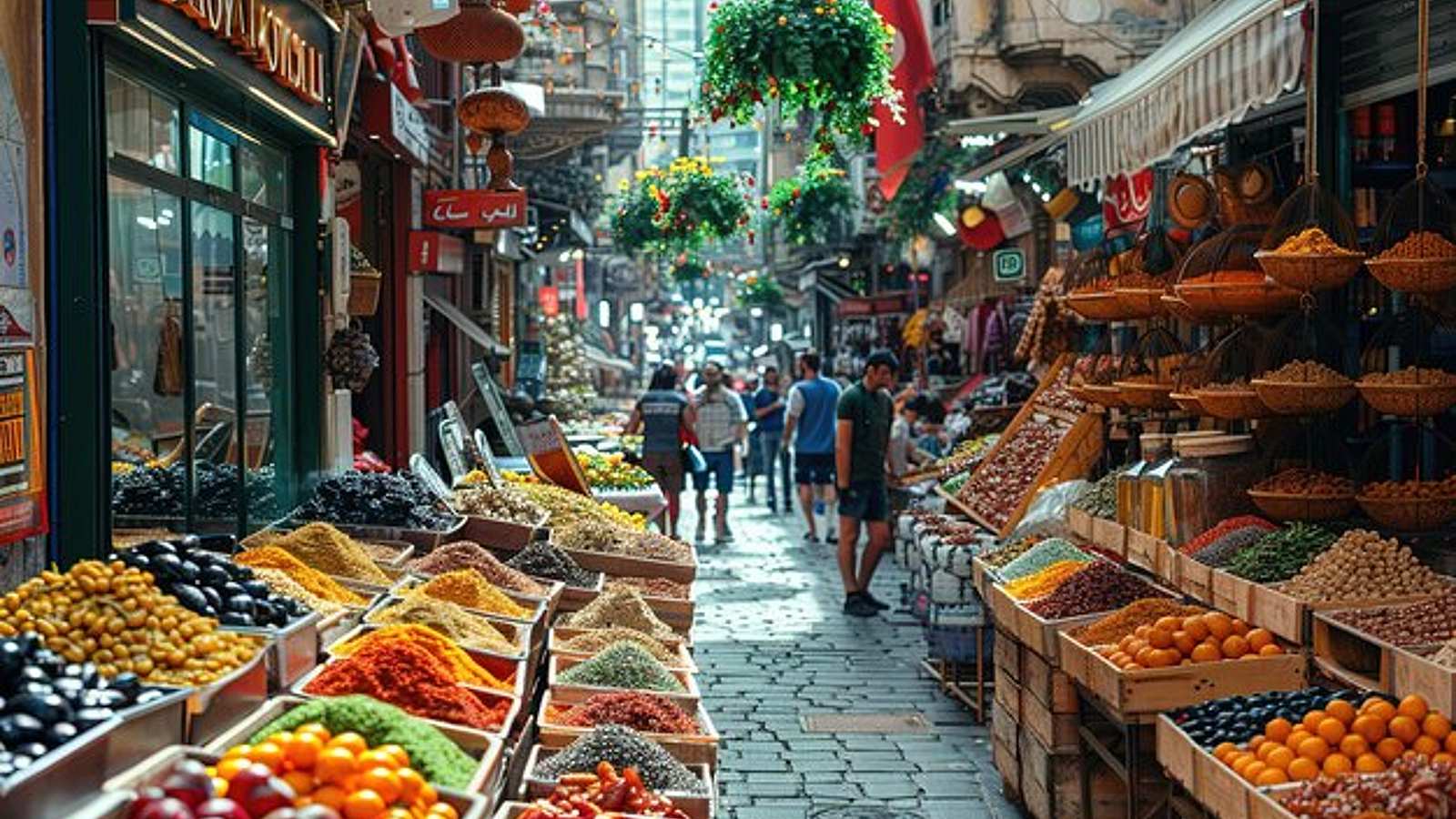
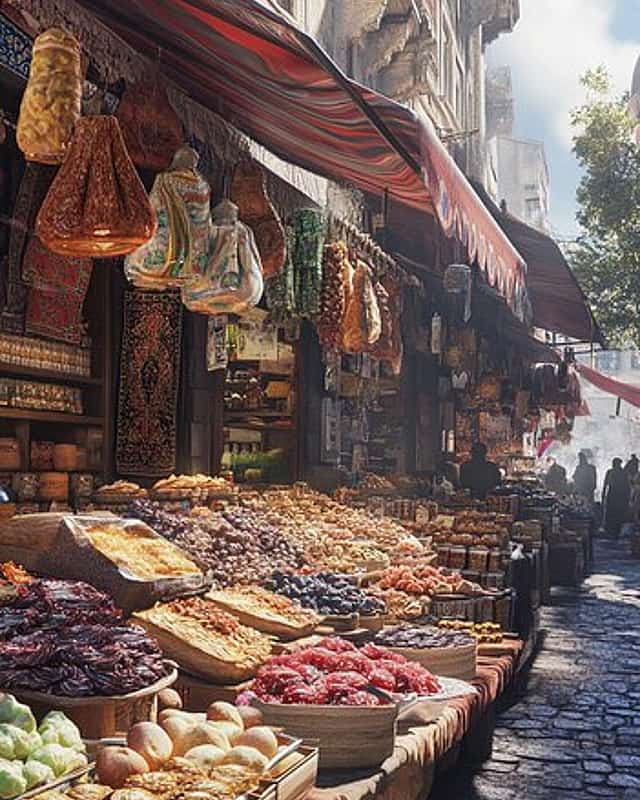
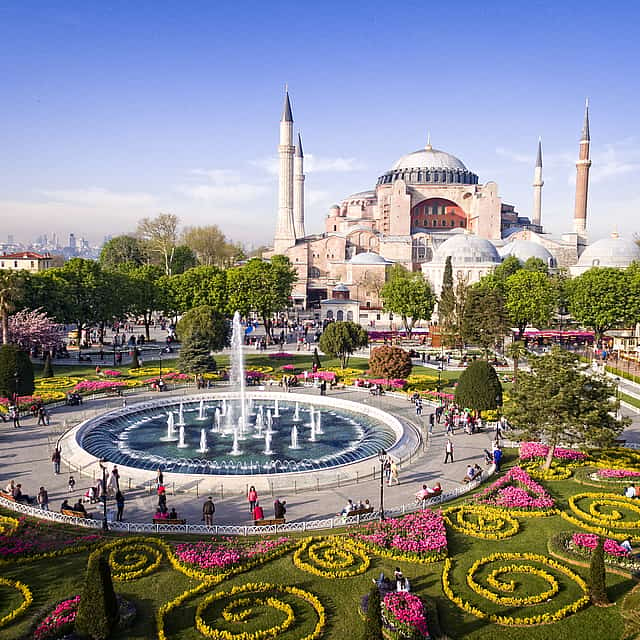
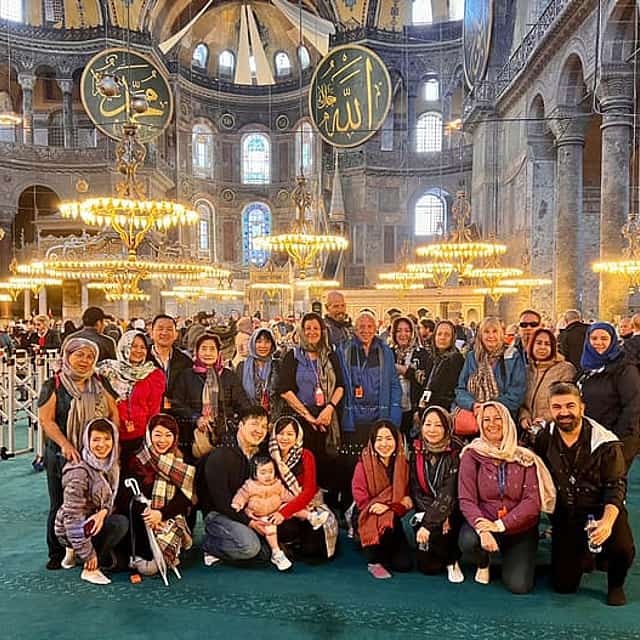
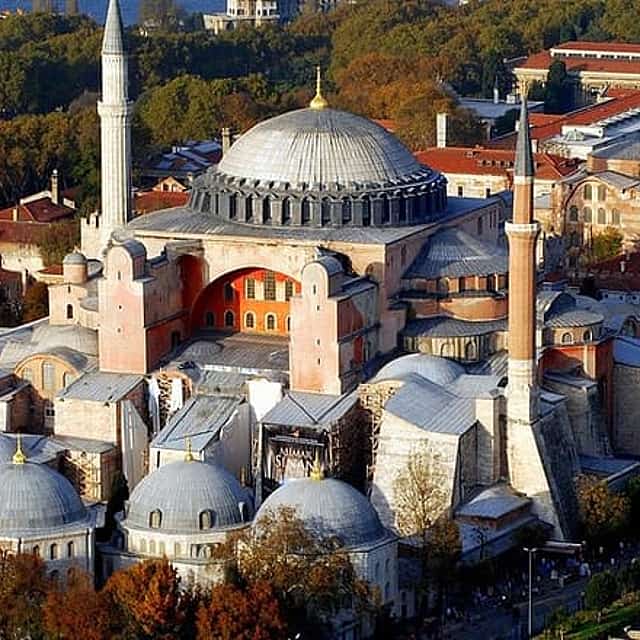
Shopping in Istanbul is rarely sold on its own: the bazaar belongs inside a route rather than replacing it. The Egyptian spice market is taken together with a morning Bosphorus cruise — water first, then the rows of spices, lokum, dried fruit and cheese; the whole thing fills half a day. The Grand Bazaar turns up inside private walks across the historic peninsula, following Hagia Sophia, the Cistern and the Blue Mosque, with an hour or so left for it — enough to cover the main lanes without getting lost among four thousand shops.
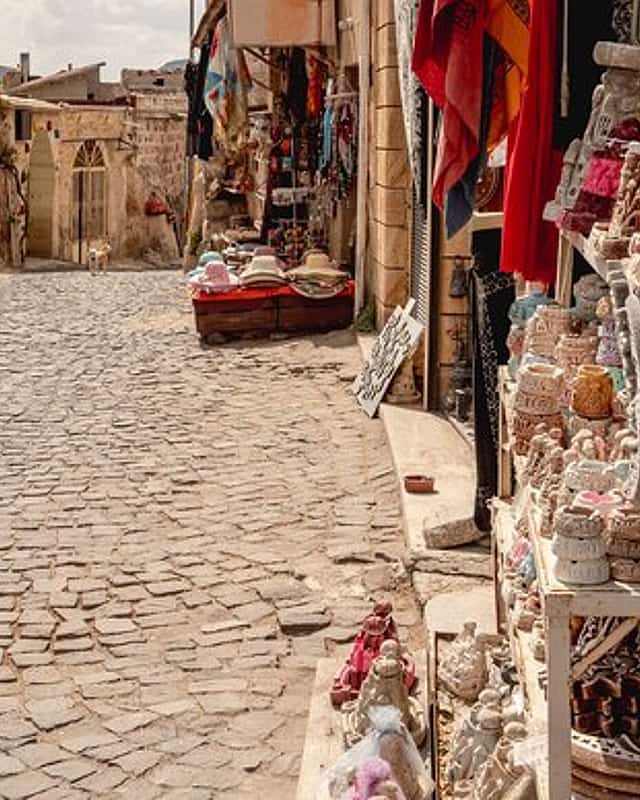
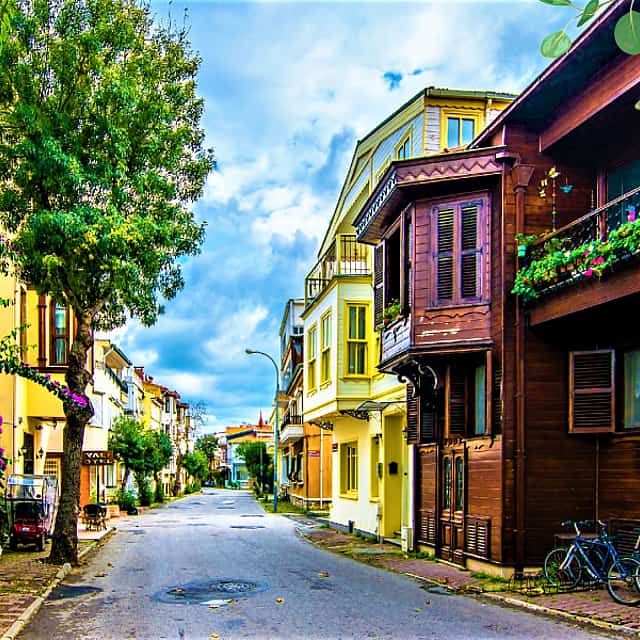
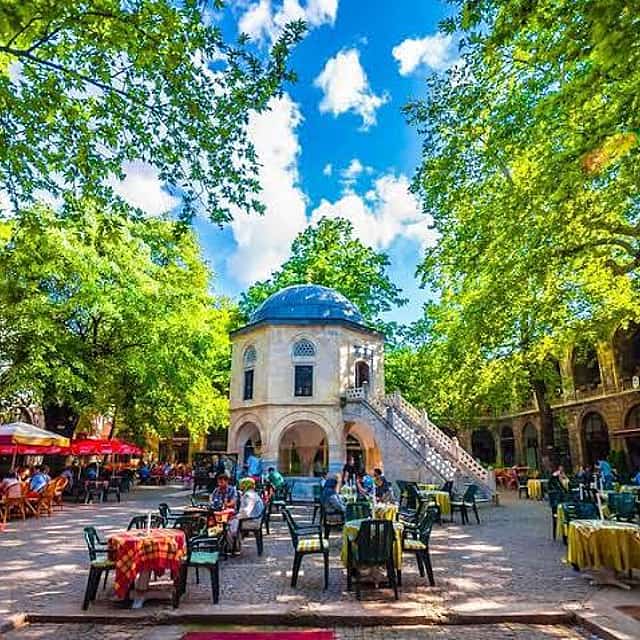
Outside the city the logic holds. Bursa, visited as a day trip with the Uludağ cable car, historically traded in silk, and its covered market is still about cloth rather than souvenirs. The Princes' Islands are the opposite case: no trading rows at all, only small shops along the streets, browsed between the ferry and lunch.
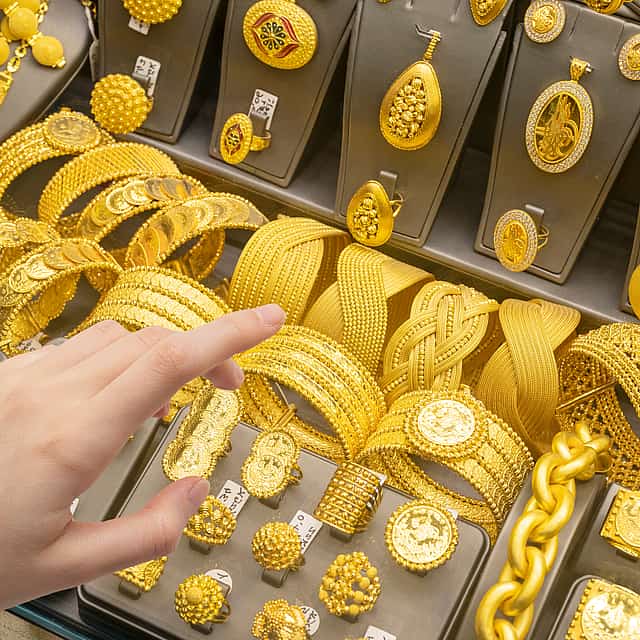
Practical notes. Haggling is expected at the bazaars — starting around half the quoted price is normal, though not in shops with price tags. Carpets, leather and gold come with a certificate: ask for it on the spot, since without one export can raise questions at customs. The Grand Bazaar closes on Sundays; the spice market works but on shorter hours. And count the weight: spices and ceramics are heavier than they look on the counter.
Princes Islands, Istanbul, Turkey
8 hours
24 views recently
From€25.00/ person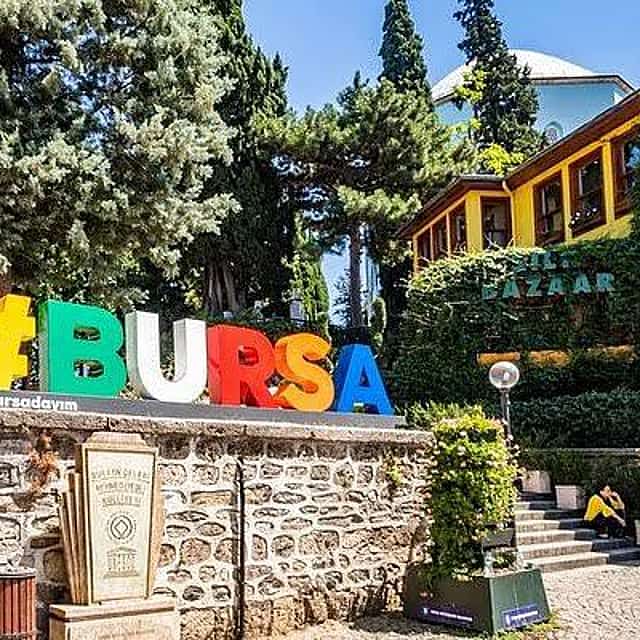
Istanbul, Turkey
10 hours
22 views recently
From€30.00/ personPrinces Islands, Istanbul, Turkey
8 hours
24 views recently
From€25.00/ person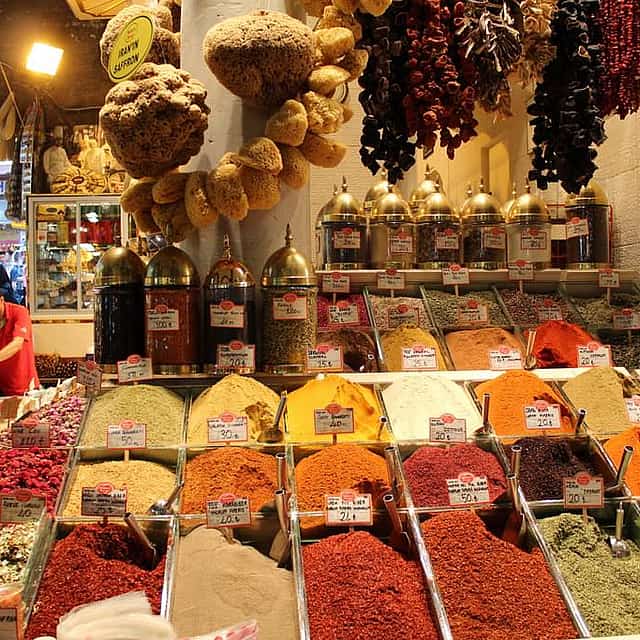
Istanbul, Turkey
3 hours
17 views recently
From€59.00/ person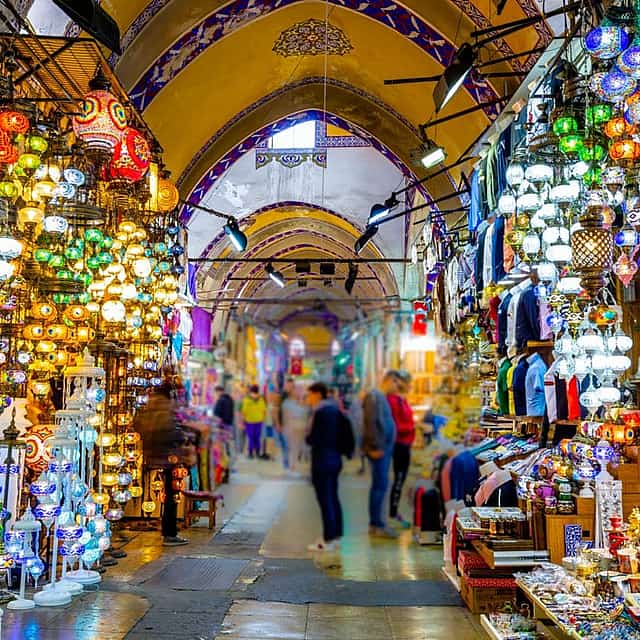
 Request only
Istanbul, Turkey
14 days
34 views recently
From€3,446.16/ person
Istanbul, Turkey
4 days
32 views recently
From€720.97/ person
Istanbul, Turkey
9 days
32 views recently
From€1,859.11/ person
Istanbul, Turkey
7 days
34 views recently
From€1,351.26/ person
Istanbul, Turkey
14 days
30 views recently
From€4,171.67/ person
Istanbul, Turkey
10 days
36 views recently
From€3,808.91/ person
Istanbul, Turkey
8 days
36 views recently
From€1,360.33/ person
Istanbul, Turkey
12 days
26 views recently
From€1,727.61/ person
Istanbul, Turkey
6 days
29 views recently
From€1,070.12/ person
Istanbul, Turkey
6 days
26 views recently
From€1,083.73/ person
Istanbul, Turkey
4 days
34 views recently
From€616.68/ person
Istanbul, Turkey
10 days
31 views recently
From€2,811.34/ personTell us what you are planning and local hosts will send options tailored to your dates, group and budget.