

规划你的Amalfi之旅
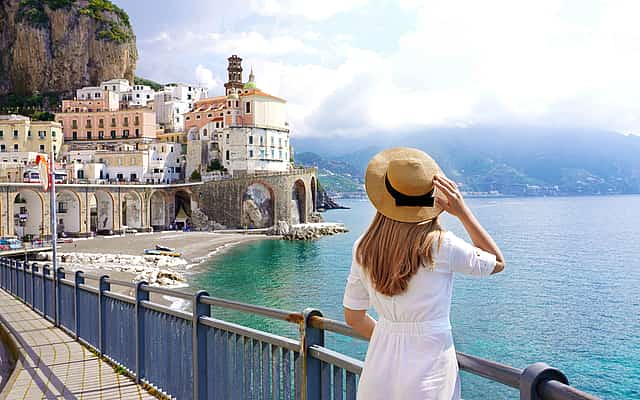
Amalfi gave its name to the whole coast. For two centuries its ships traded from Byzantium to North Africa under its own maritime code, the Tabula de Amalpha. A storm in 1343 wrecked the harbour, and most of that power went with it.
What the old republic left behind
The Duomo di Sant'Andrea tops a long stair. Its bronze doors were cast in Constantinople and shipped here in the eleventh century. Below it sits the town's only flat ground.
- The Paper Museum. A working mill turned museum, still making paper by hand from cotton rag the old way.
- The cloister. Moorish arches beside the cathedral, built as a burial ground for the town's elite.
- The lemon terraces. Steep groves above town growing the Sfusato Amalfitano, the fruit behind most limoncello on the coast.
A day here
Amalfi works as a walk more than an excursion. Cathedral, cloister, the lanes behind the piazza, then the small pebble beach for a swim. Boats, buses and the coast road all meet here, the coast's one real transport knot.
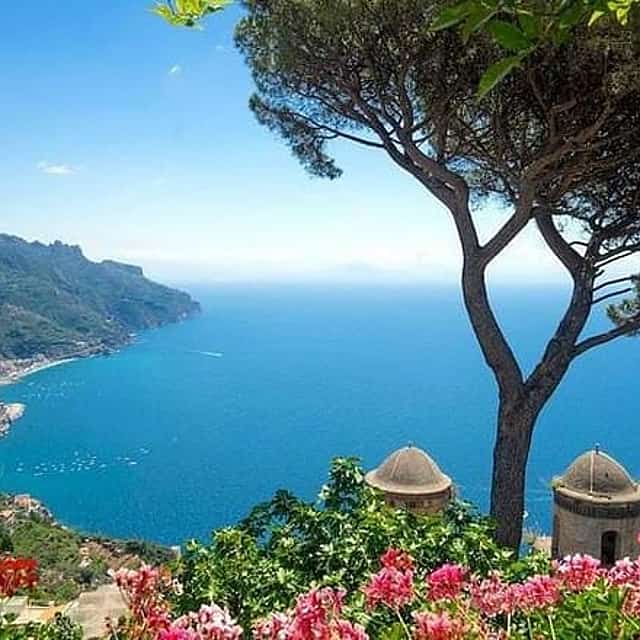
Ravello sits on the ridge above. A short bus ride gets you there. Its cathedral and the gardens of Villa Cimbrone draw a quieter, cooler crowd than the seafront below.
Practical
- Weather. Summer days average around 28C, the sea near 26C; winter stays mild, rarely below 10C, but rain picks up from November.
- Getting here. SITA buses run the coast road from Sorrento and Salerno; ferries are faster and skip the jams.
- The stairs. The Duomo's steps and the lanes behind it are all on foot, with no way around them.
- Money. Cafes on the piazza charge double for a table with the view; the alleys behind sit at normal prices.
- Paper. The museum shop sells the genuine article; souvenir stalls along the front mostly do not.
Italy的其他城市
Amalfi的热门体验

更多值得探索的目的地
SicilyPisaPositanoSienaMateraBardolinoVerucchioSirmioneVeronaLivornoLa SpeziaCerviaTurinIschiaAlberobelloRavennaColosseumTaorminaEmilia-RomagnaCivitavecchiaComoMarcheSan GimignanoGenoaParmaLecceVenetoTriestePaduaBagno di RomagnaLinguaglossaCataniaGradaraNocelleCefalùBorgonovoPedemonteLuccaMontepulcianoTrapaniLa MaddalenaBergamoVatican CityRome E-Bike TourMilan E-bikeMurano and Burano TourCasertaNormaMarina GrandeUrbinoCastel GandolfoBolzanoCorinaldoRiva del GardaPalatine HillVatican MuseumsGolf Cart TourHop-on Hop-off Bus RomeVespa tour of RomeTruffle huntingGondola RideMassa LubrenseFrascatiMessinaPiazza VeneziaCampo de' FioriRome by NightMontalcinoWine Experience in TuscanyGlass blowing FactoryVenice Bike TourSyracuseTerniFiumicinoLiguriaManarolaCortina d'AmpezzoAostaMalcesineLidoTuscanySistine ChapelSt. Peter’s BasilicaRoman ForumPantheonTrevi FountainAppian WayCatacombs of Saint SebastianClassical Rome Walking TourRoman Food MarketPasta Cooking ClassComo LakeComo CityHop-on Hop-off CruiseFlorence Bike TourChianti TourTuscany TourFish ShoppingVenice Wine TourPalazzo delle PrigioniBacaro TourVenice TourSt. Mark's BasilicaAccademia GalleriesCa'RezzonicoLagoon TourKayak TourCraftsmen WorkshopMilan TourAgrigento
Amalfi的更多玩法
没找到合适的体验?
告诉我们您的计划,当地主办方会根据您的日期、人数和预算发送定制方案。