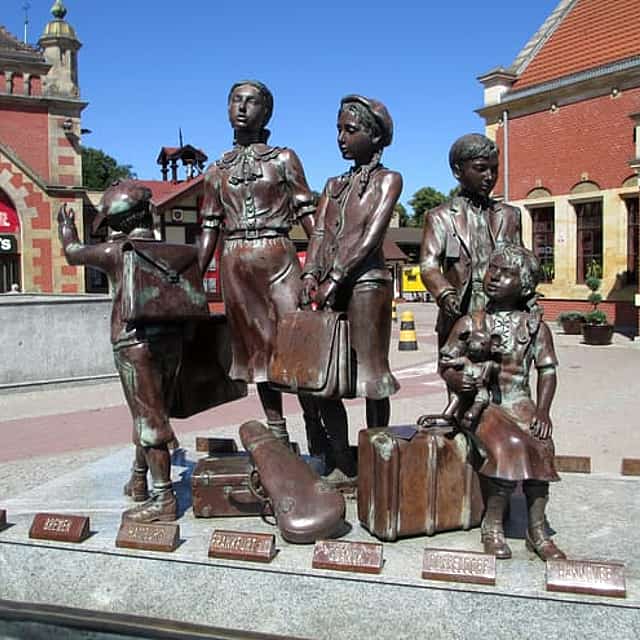
Gdansk History Tour: WWII & Solidarity Movement - PRIVATE (4h)
Gdańsk, Poland
This is a fully private tour with a private guide and private transportation.
Cancellation policy
Review the supplier policy below before booking.
Duration 4 hours
Duration supplied by the experience provider.
Languages
English, Spanish, Italian, French, German, Polish, Russian, Portuguese
Group size
1–50 travelers
Full description
Discover the places where the fight for freedom began and where the course of modern European history changed forever. This private 4-hour tour of Gdańsk takes you to the most important sites connected with the outbreak of World War II and the rise of the Solidarity movement. Travel comfortably with your guide and explore Westerplatte, the Gdańsk Shipyard, and other meaningful landmarks at your own pace.
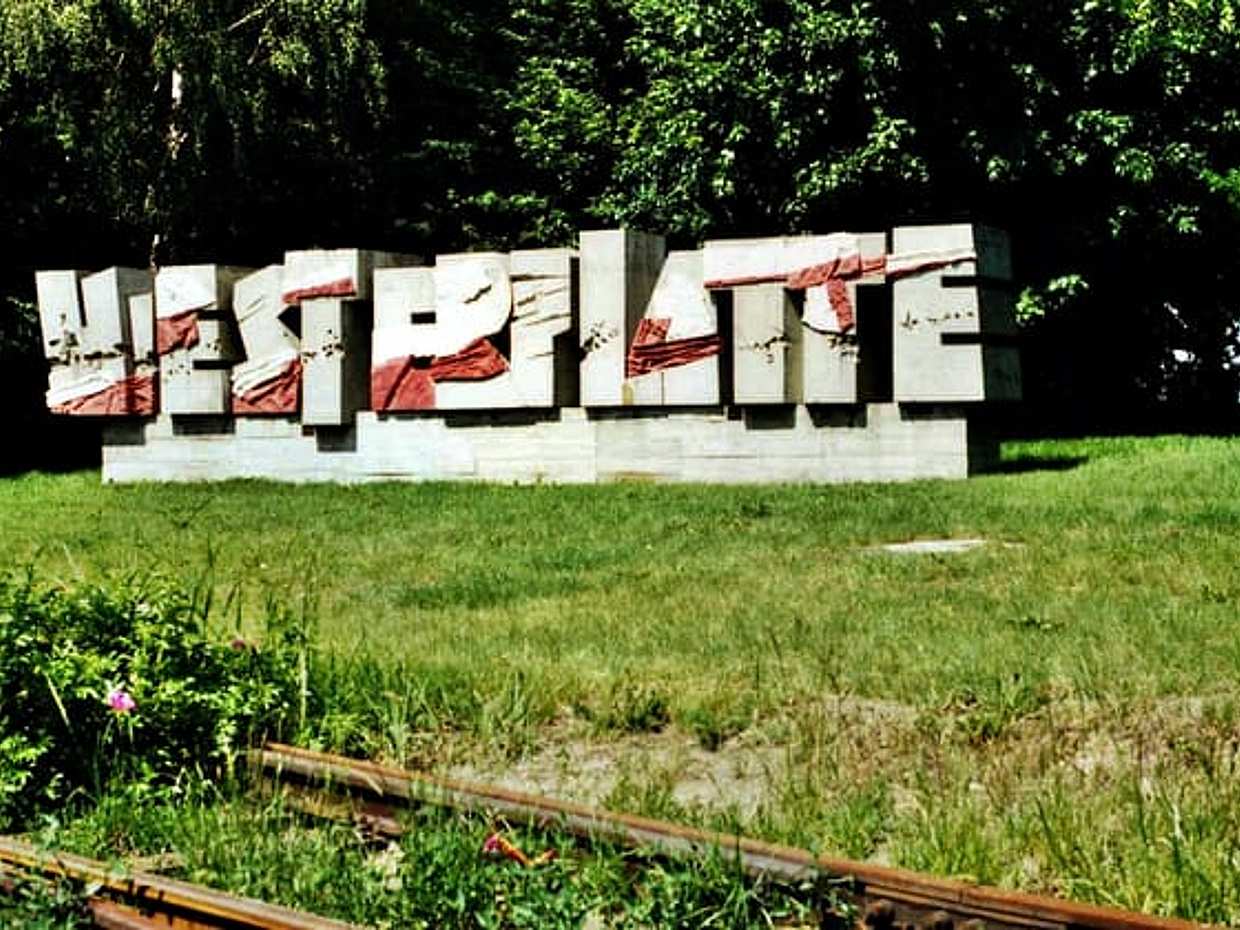
Meet your guide at the hotel and begin your journey from Westerplatte, the symbolic site where the first shots of World War II were fired on September 1st, 1939. Walk through the former military outpost, see the guardhouses and barracks ruins, and learn how a small Polish garrison held out for seven days against overwhelming German forces. Your guide will bring these dramatic moments to life with stories of bravery and sacrifice.
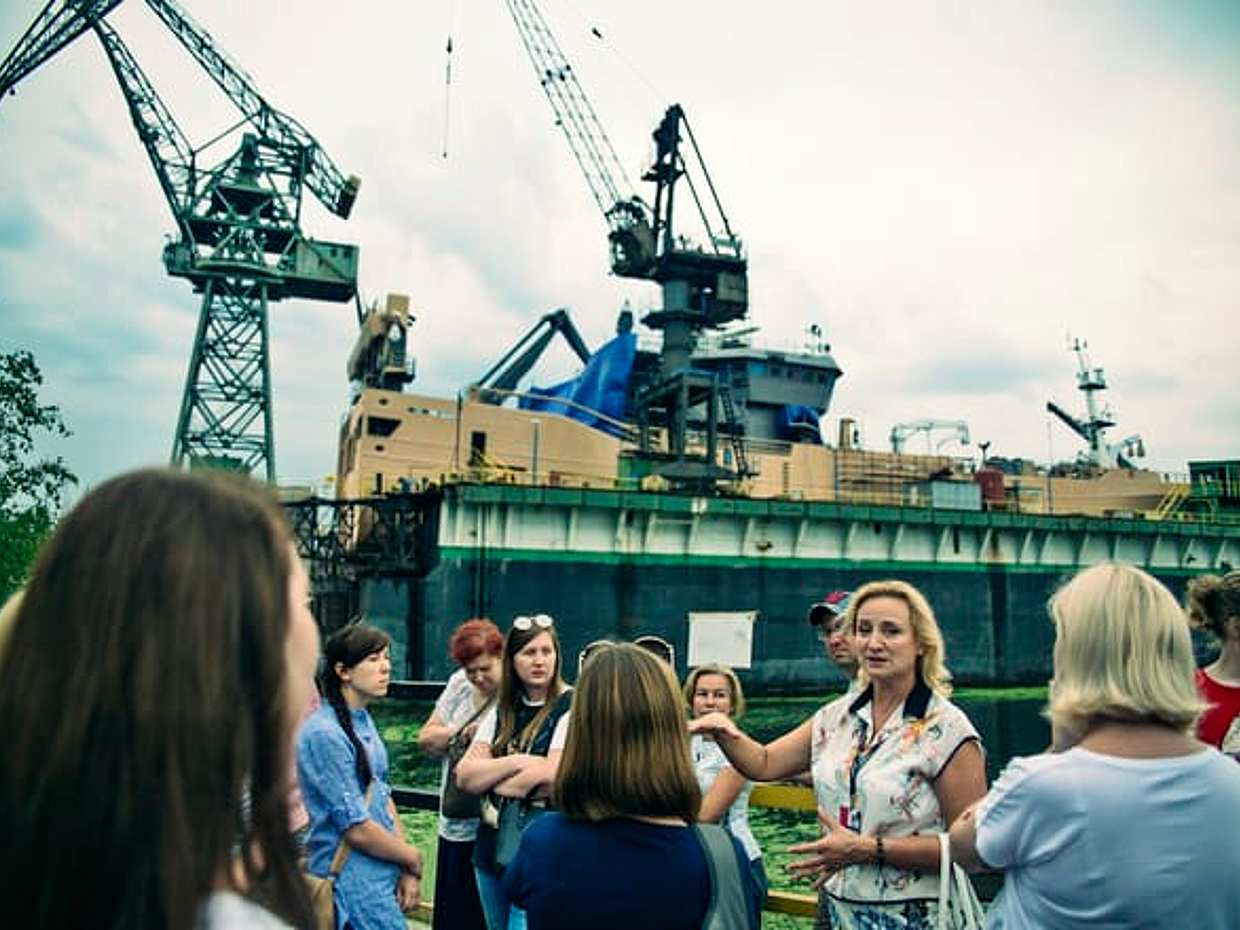
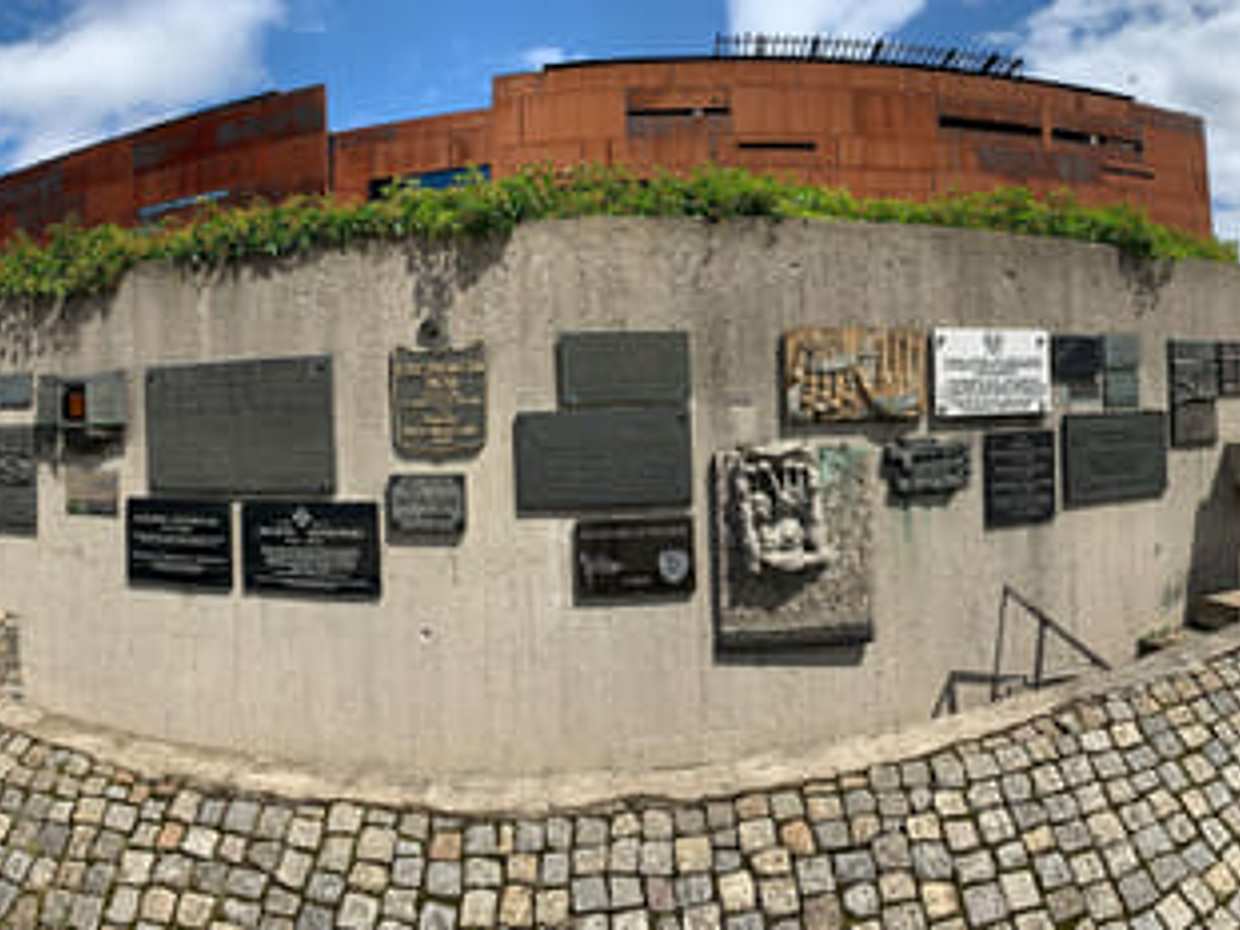
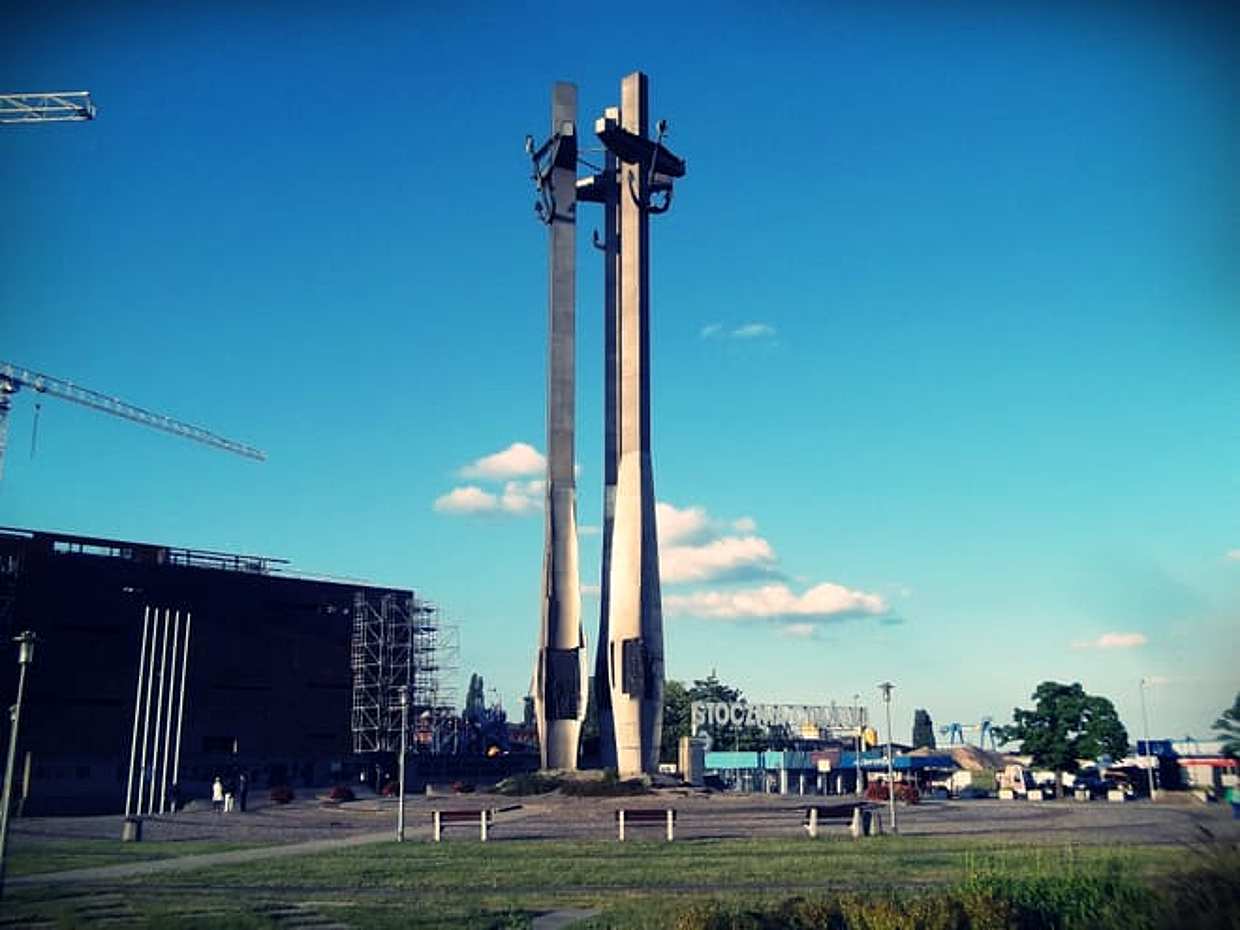
Continue to the Gdańsk Shipyard, the birthplace of the Solidarity movement. Stand before the historic Gate No. 2, explore the areas where the iconic strikes of 1980 took place, and discover how a local workers’ protest grew into a nationwide movement that contributed to the fall of communism across Central Europe. Visit the Monument to the Fallen Shipyard Workers, a powerful memorial honoring the victims of the 1970 protests.
This tour is ideal for history lovers, families, and anyone who wants to understand how Gdańsk shaped the world we live in today. With a private guide and flexible pace, you’ll enjoy a comfortable, enriching experience tailored entirely to your interests.
Itinerary
Gdansk is a city on the Baltic coast of northern Poland Gdańsk is the capital and largest city of the Pomeranian province and one of the most prominent cities within the cultural and geographical region of Kashubia. It is Poland's principal seaport and the centre of the country's fourth-largest metropolitan area together with Gdynia and Sopot, with a population approaching 1.4 million.
Gdansk Shipyard (Stocznia Gdanska, formerly Lenin Shipyard) is a large Polish shipyard, located in the city of Gdańsk. The yard gained international fame when Solidarity (Solidarnosc) was founded there in September 1980. It is situated on the left side of Martwa Wisla and on Ostrow Island. Gdansk Shipyard, was where, in August 1980, the famous strike began that “set Poland on fire” and forced the communist authorities to make numerous concessions, including the legalisation of the Solidarity Trade Union. Gdansk’s residents have always been courageous, have always valued their independence and, justifiably, have remained fiercely proud of their city. Abolition of communism in Poland started changes in the whole European continent leading to liberation of other countries from USSR domination and unification of Germany.
Monument to the Fallen Ship Workers. December 1970 in Gdansk, Gdynia, Szczecin and Elblag was a time of labor strikes. A sudden increase in prices was the direct cause. The coastal areas were brutally pacified by the government. Ten years later, to commemorate the victims, a monument was erected – three crosses with anchors attached. Every cross weighs 36 tons and is 138 ft tall. Official delegations visiting Gdansk usually place flowers at the foot of this monument. In the aptly named Solidarity Square, three solemn 42-metre-high crosses tower overhead with anchors attached to them. This striking Monument to the Fallen Shipyard Workers of 1970 stands right next to the European Solidarity Centre, an interactive museum recounting the Polish people’s aspirations to freedom. There is a fascinating story about the long, hard fight against the communist regime, about the many sacrifices made by nations imprisoned behind the Iron Curtain and above all, about hope. Ultimately, it’s a story about their greatest victory; one that forever changed the history of Poland and, in fact, the whole world.
Westerplatte is a peninsula at the mouth of the so-called Dead Vistula river. Although there is not a lot to see here, the history of this place makes a visit worthwhile. It was here, on September 1, 1939, that the first shots of World War II were fired by the German Battleship Schleswig-Holstein. Polish garrison of just 205 ill-equipped soldiers held out against two warships, aircraft, heavy guns and over 3,000 German troops for a week, losing only 14 men and killing 300 of the enemy.
What’s included
Included
- Guide
- Transfer
- Foreign language speaking local city guide 4h
- Transportation
Important information
Meeting point
Gdańsk, Poland
Cancellation policy
100% charge if cancelled within 24 hours of start.
Your host
VE
Verified Local Host
With GetExperience since 2026
You might also like
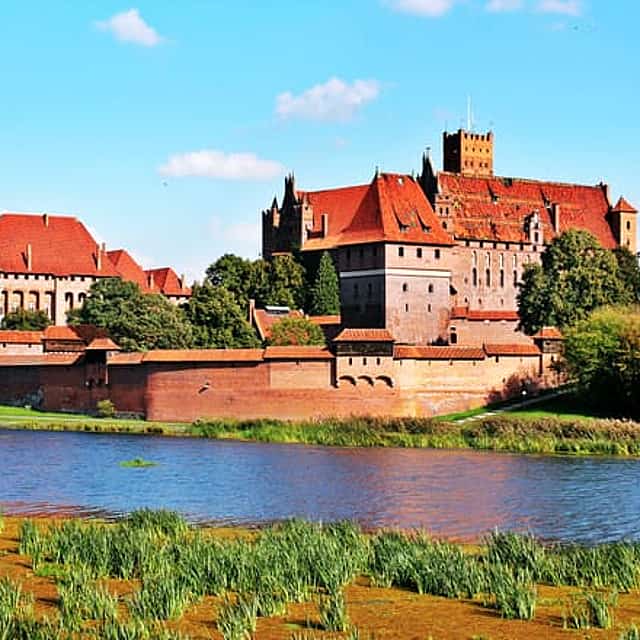
Gdańsk, Poland
Malbork Castle - PRIVATE tour from Gdansk (6h)
6 hours
37 views recently
From€234.00/ person
From€192.00 / group