
Things to do in Gdańsk

City guide

Things to do in Gdańsk

Plan your trip to Gdańsk

Gdańsk was a Hanseatic trading port from the 14th century. The Second World War began on its edge in 1939, and Solidarity was born in its shipyard in 1980. Things to do in Gdańsk follow those three stories.

The Main Town and the Royal Way

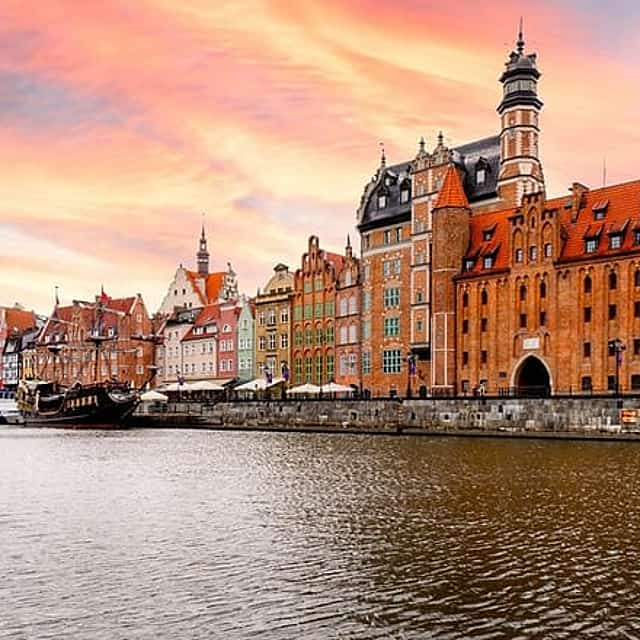
Visitors call the Main Town the Old Town. The fighting and fires of March 1945 destroyed most of it, by some counts nine buildings in ten. The Royal Way runs through the rebuilt streets, from the Golden Gate to the Motława.

  • Long Market. Neptune's Fountain, opened in 1633, stands before the Artus Court, a former merchants' hall.
  • St Mary's. Among the largest brick churches ever built, 105 metres long and finished in 1502. The tower has over 400 steps and no lift.
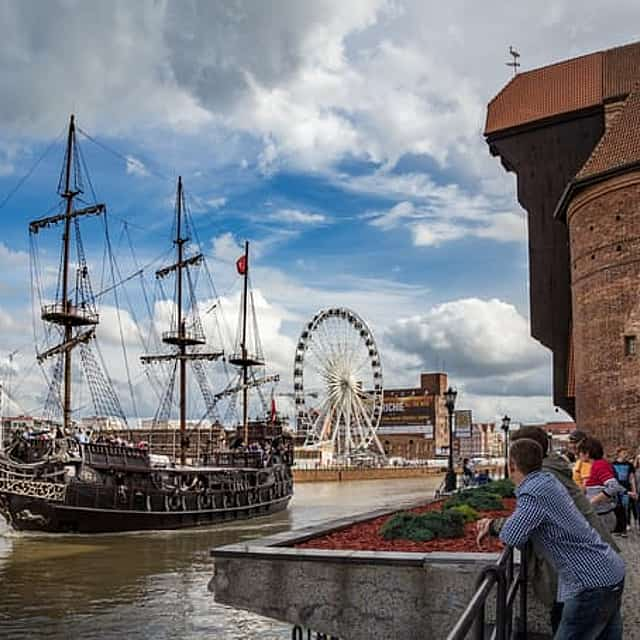
  • The Crane. A harbour crane and gate of 1442 to 1444, which let four men lift two tonnes.
  • Mariacka Street. Rebuilt after the war, and lined with amber galleries.

Westerplatte and the shipyard

The shipyard lies about a kilometre and a half north of the Main Town. Westerplatte is at the harbour mouth.

  • Westerplatte. Just before five in the morning on 1 September 1939 the battleship Schleswig-Holstein opened fire on the Polish depot here. About 180 soldiers held out for seven days.
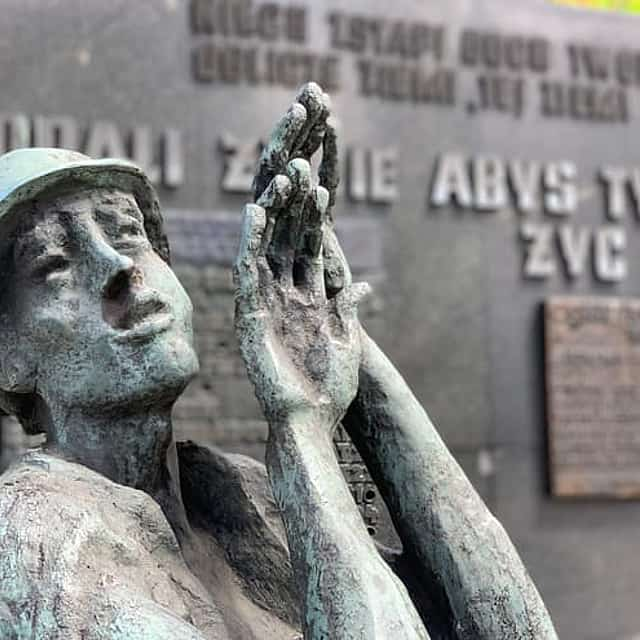
  • The shipyard. Strikers at Gate No. 2 won the right to form Solidarity in August 1980. The European Solidarity Centre, near the gate, tells the story.
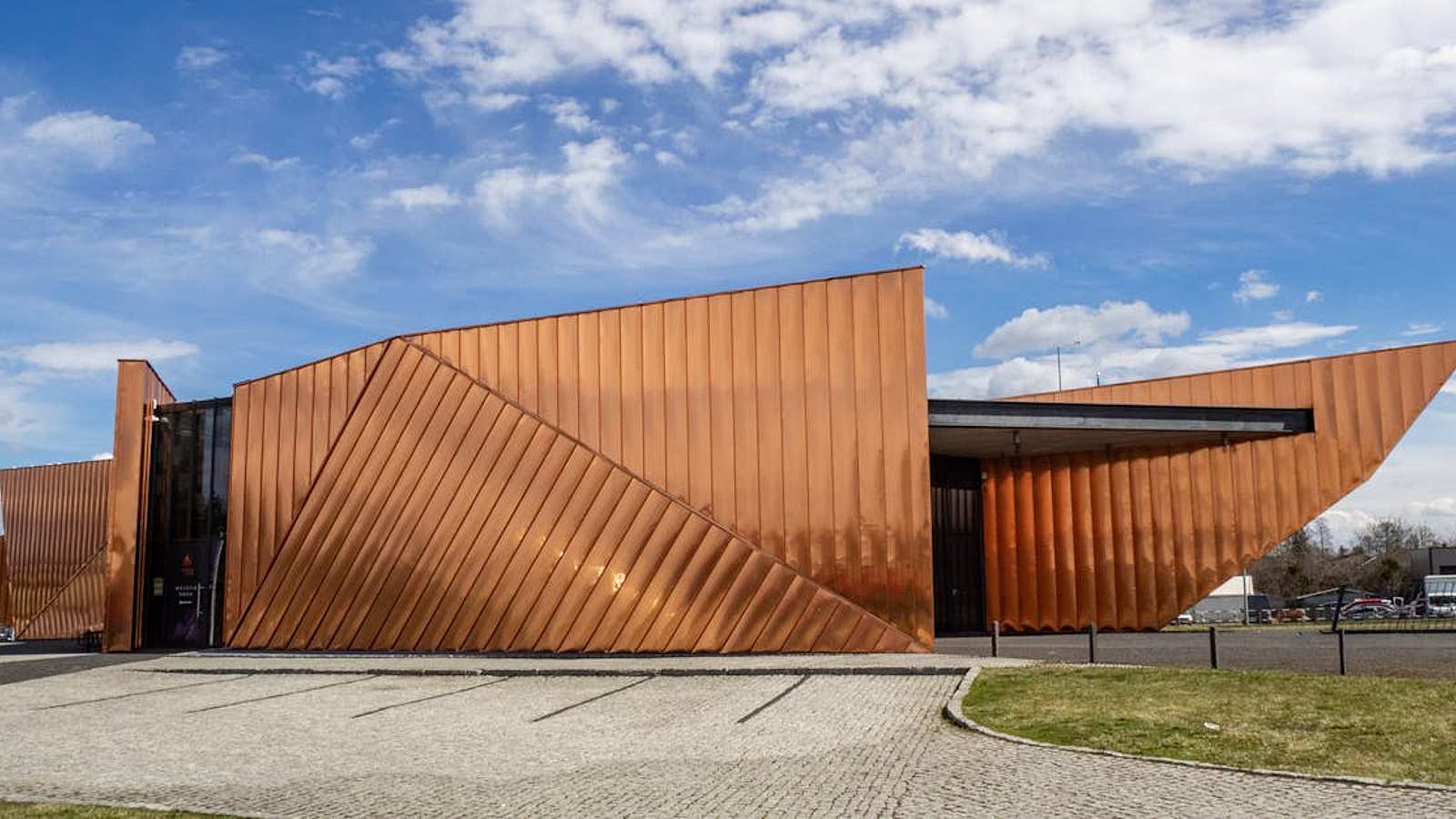
  • Museum of the Second World War. Its main exhibition lies 14 metres underground and takes at least three hours.

Day trips beyond the city

Every guided tour from Gdańsk is private, booked for your party alone. Days run from four hours to ten.

  • Oliwa, Sopot and Gdynia. Oliwa Cathedral has a Rococo organ completed in 1788. Sopot and Gdynia are a short fast-train ride up the coast.
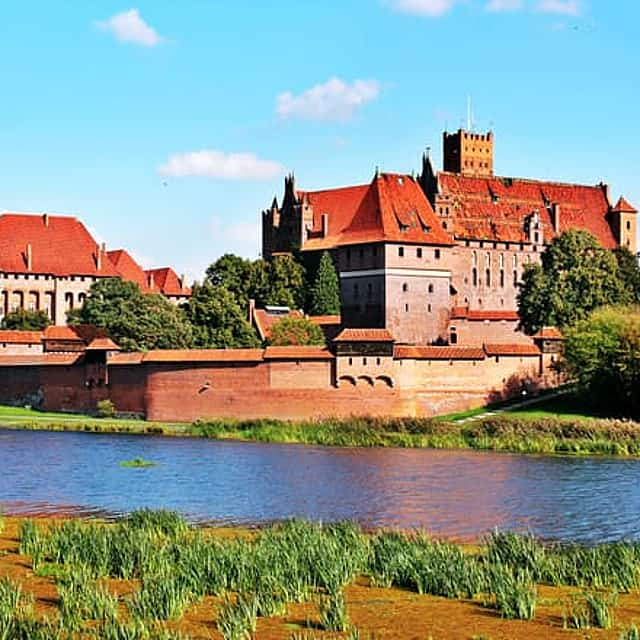
  • Malbork. The Teutonic castle, about 55 km away.
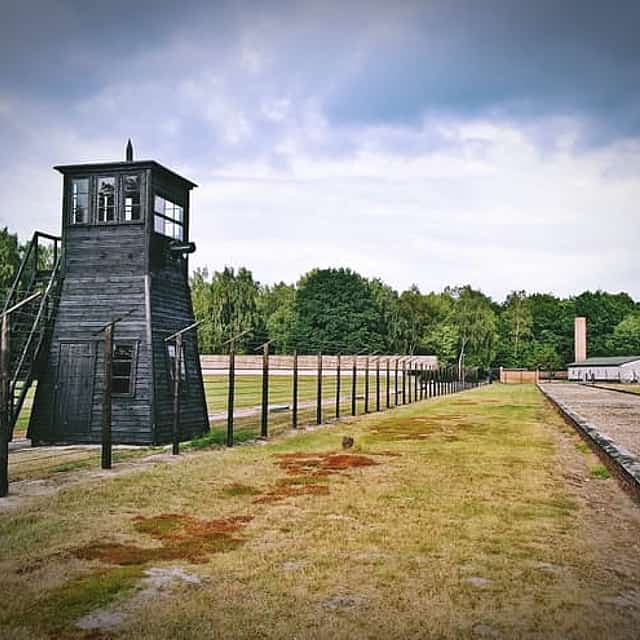
  • Stutthof. The former Nazi concentration camp, now a museum, about an hour's drive east.
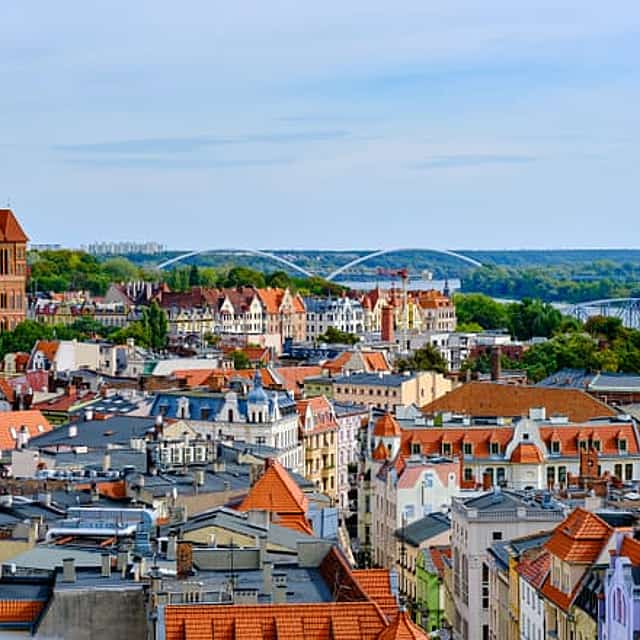
  • Toruń. Copernicus's birthplace, in the next voivodeship, a ten-hour day.

Practical

  • Weather. Afternoons average 23C in July and August and 2C in January. Rain peaks in July.
  • Closed days. The Museum of the Second World War shuts on Mondays and is free on Tuesdays, when the queue can run to two hours. The Solidarity Centre closes on Tuesdays from October to April.
  • To Westerplatte. Buses 106 and 138 run there, 106 from the Museum of the Second World War and 138 from the main station.
  • Airport. The terminal has its own station. From the main station change at Wrzeszcz, or take bus 210, about 40 minutes.

Other cities in Poland

Top experiences in Gdańsk

More destinations to explore

Can’t find the right experience?

Tell us what you are planning and local hosts will send options tailored to your dates, group and budget.