
Osaka, Giappone
Osaka Food Quest: Avventura Culinaria e Storica Autoguidata
1 hour
20 views recently
From€8.52/ personAudioguided Routes throughout JapanAudio guides with 6 languages available (Spanish, Portuguese, German, Italian, French, English.)Walking routes in the diff…
Cancellation policy
Review the supplier policy below before booking.
Duration 8 days
Duration supplied by the experience provider.
Language
English
Group size
1–8 travelers
Tokyo
Minato, Tokyo, is a vibrant, cosmopolitan neighborhood that offers a wide variety of attractions for visitors of all ages. On a sunny day, you can visit Shiba Park and enjoy a walk through the gardens or take a boat ride on the lake. In the evening, you can visit the Roppongi neighborhood to enjoy the nightlife or see a show at Tokyo Tower. Minato is a perfect place to experience the culture and history of Japan, as well as enjoy the latest trends and fashion.
Bunkyo, Tokyo, is a historic and cultural neighborhood that is home to a wide variety of attractions, from traditional Japanese gardens to ancient temples. A day in Bunkyo could include a visit to Rikugien Gardens, a beautiful Japanese garden with bridges, ponds and pagodas. You could also visit Nezu Shrine, an 18th-century Shinto shrine that is known for its spring azalea festival. Another option would be to visit the University of Tokyo, one of the most prestigious universities in the world.
Chiyoda, Tokyo, is the political and cultural heart of the city. Here is the Imperial Palace, the seat of the Japanese government, as well as a variety of museums, temples and shrines. A visit to Chiyoda could include a walk through the Imperial Palace Gardens, a visit to the Tokyo National Museum, or a visit to the Meiji Jingu Shrine.
Chuō, Tokyo, is the financial and commercial center of the city. The Tokyo Stock Exchange and the headquarters of many Japanese companies are located here. However, Chuō is also home to a variety of tourist attractions, including Tsukiji Fish Market, Sensō-ji Temple, and Hamarikyu Gardens.
Edogawa, Tokyo, is a residential and cultural neighborhood that is home to a wide variety of attractions, from parks and gardens to museums and temples. A day in Edogawa could include a visit to Kasai Rinkai Park, a beautiful park with an aquarium, zoo, and bird-watching center. You could also visit the Edogawa Art Museum, which houses a collection of Japanese and Western art, and Kan'ei-ji Temple, a 14th-century Buddhist temple.
Koto, Tokyo, is a coastal neighborhood that is home to a wide variety of attractions, from parks and gardens to temples and shrines. It is also home to Odaiba Island, a man-made island that is home to shopping malls, museums and theme parks. A day in Koto could include a visit to Odaiba Marine Park, a park with an aquarium, bird-watching center, and Japanese garden. You could also visit the Asakusa Tenmangu Temple, a Shinto shrine dedicated to the deity of literature and writing.
Shibuya, Tokyo, is a vibrant and lively neighborhood that is known for its lively pedestrian crossing, fashion shops and restaurants. A day in Shibuya could include a visit to the pedestrian crossing, where you can experience the energy of the city in its maximum expression. You could also visit Shibuya 109 shopping mall, Tokyo's most popular fashion district, or Yoyogi Park, an oasis of tranquility in the middle of the city.
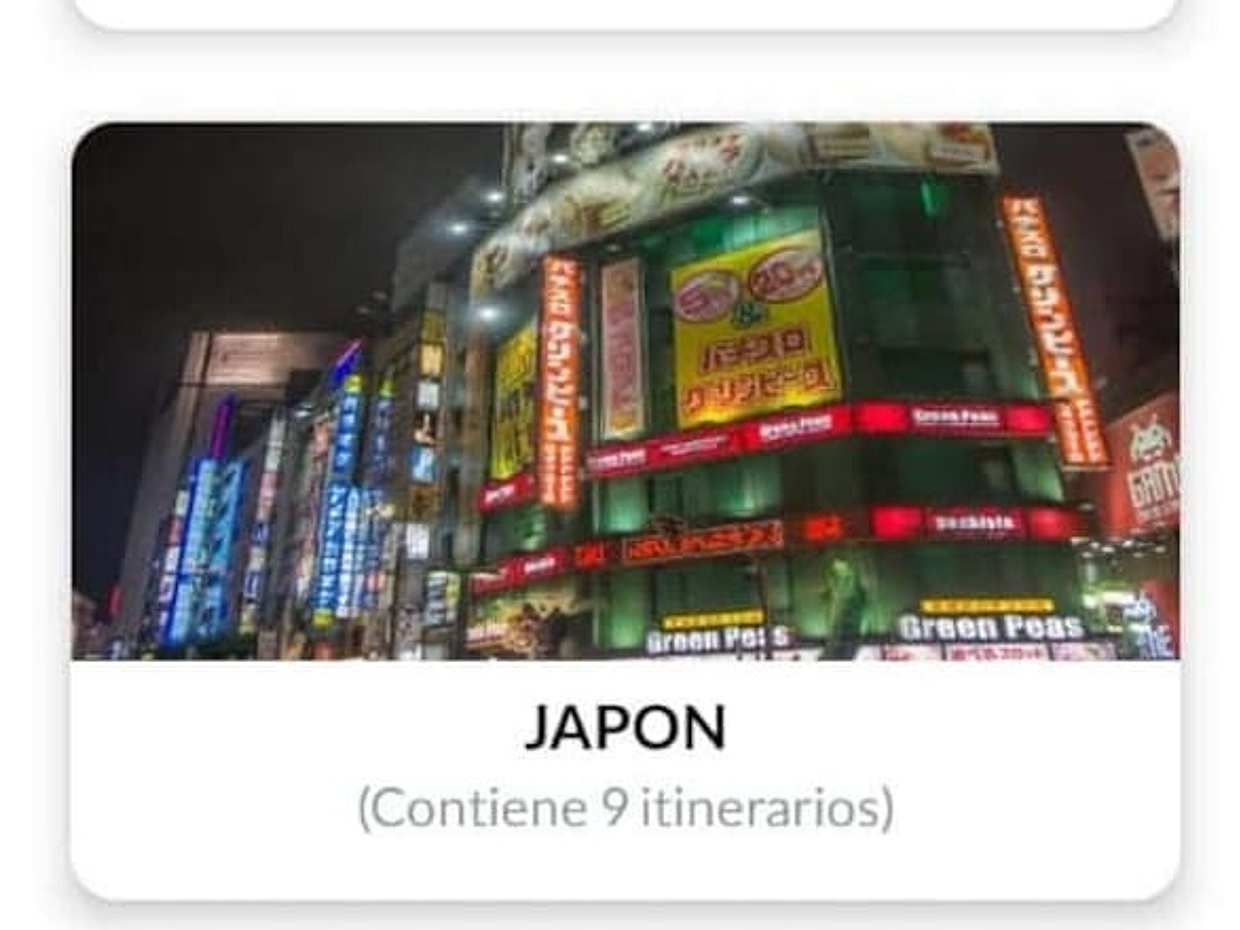
Shinjuku is a district of Tokyo, the capital of Japan. It is known for being a very lively shopping and entertainment center. When visiting Shinjuku, you will find a wide variety of shops, restaurants, bars and entertainment venues. It is also famous for its lively nightlife and impressive skyscrapers. One of the most prominent attractions in Shinjuku is the Shinjuku Train Station, which is the busiest station in the world. You can also visit Shinjuku Central Park, which is a green oasis in the middle of the bustling city.
Taito is a district in Tokyo, Japan, known for its rich history and culture. When visiting Taito, you will find several places of interest that will immerse you in Japanese tradition. One of the most notable places to visit in Taito is the Asakusa neighborhood. Here you will find the famous Senso-ji Temple, the oldest Buddhist temple in Tokyo. Walking along the Nakamise shopping street, which leads to the temple, is a unique experience where you can find a wide variety of souvenir shops and traditional food stalls.
Kyoto
Kinkaku-ji Temple, also known as the Temple of the Golden Pavilion, is a landmark located in the city of Kyoto, Japan. It is famous for its impressive golden structure and beautiful natural environment. The original temple was built in the 14th century as a rest villa for the shogun Ashikaga Yoshimitsu. However, after his death, the building was converted into a Zen temple of the Rinzai sect, according to his will.
Ryoan-ji Temple is a Zen temple located in the city of Kyoto, Japan. It is famous for its rock garden, considered one of the most famous and appreciated gardens in Japan. Ryoan-ji rock garden is known for its minimalist design and visual harmony. The garden consists of a rectangular area covered with white gravel, in which fifteen large rocks are arranged surrounded by moss. The interesting thing about this garden is that no matter what angle you view it from, only fourteen of the fifteen rocks can be seen at a time. This feature has generated various interpretations and debates about the meaning and intent of the design.
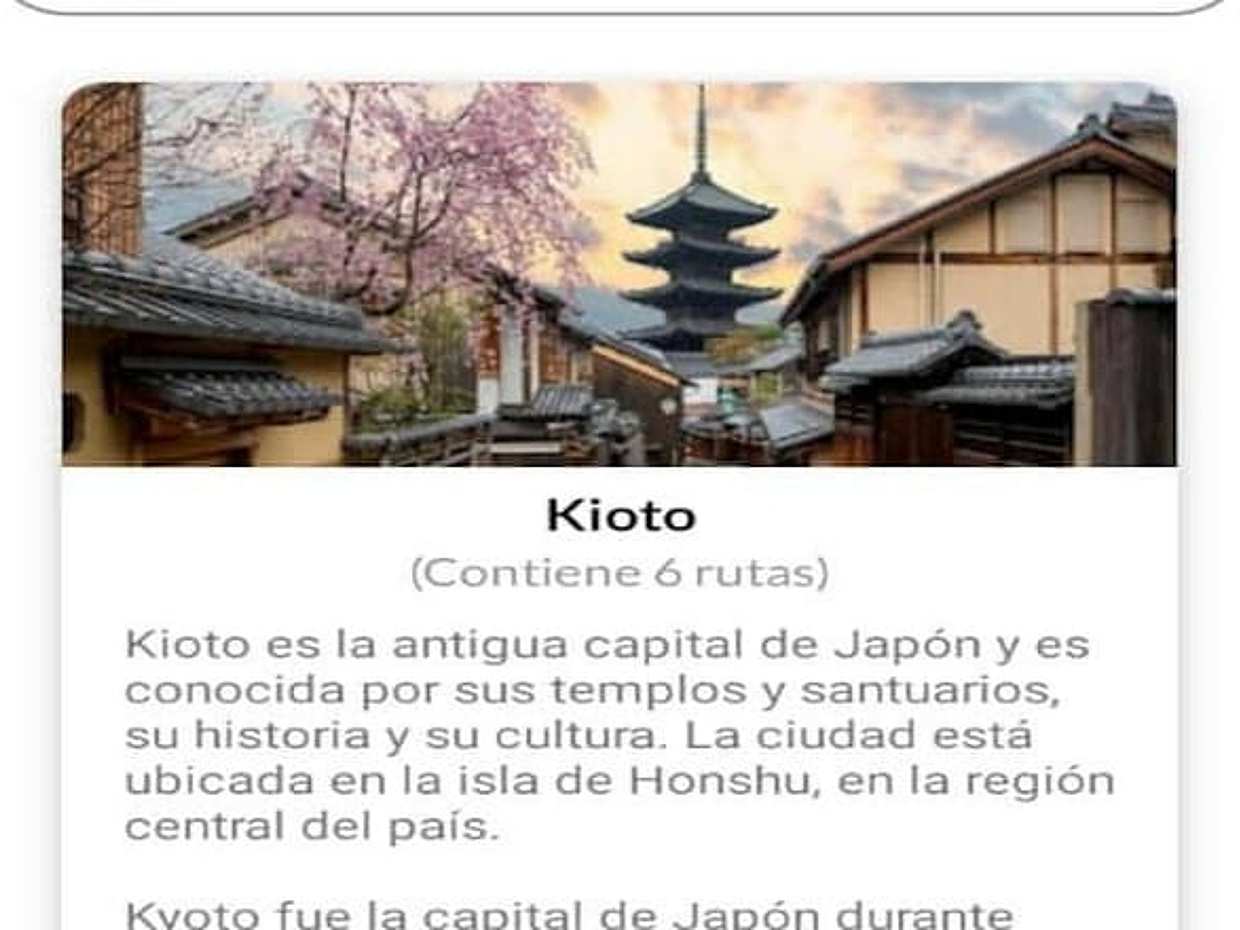
Fushimi Inari-Taisha is a Shinto shrine located in Fushimi-ku, Kyoto, Japan. It is the main shrine of Inari, the Shinto god of rice, grains, abundant harvests, business success and fortune. The shrine is famous for its thousands of torii, or shrine gates, which span a network of trails that wind up Inari Mountain. The bright red color of the torii is a symbol of Inari's divinity.
Daigo-ji (醍醐寺) is a Buddhist temple of the Shingon sect in Fushimi-ku, Kyoto, Japan. Its honzon (main deity) is Yakushi Nyorai, the Medicine Buddha. Daigo-ji is a UNESCO World Heritage Site and is known for its beautiful gardens, historic buildings, and collection of Buddhist art.
Higashiyama is a district in the city of Kyoto, Japan, known for its rich history and traditional beauty. The Higashiyama district covers a wide area that includes hills, temples and impressive cityscapes. In Higashiyama, you'll find several UNESCO World Heritage temples, including Kiyomizu-dera Temple and Ginkaku-ji Temple. These temples are famous for their traditional architecture and beautiful gardens. Kiyomizu-dera Temple, in particular, offers a stunning panoramic view of the city from its wooden platform.
Arashiyama is a district located in the northwest of Kyoto, Japan. It is known for its natural beauty and famous bamboo forest. The district offers an authentic and memorable experience of Japanese culture. The main attraction of Arashiyama is its impressive bamboo forest. Walking among the tall, thin bamboo stalks creates a magical and peaceful atmosphere. The sound of the wind blowing through the bamboos is considered one of the "one hundred sounds to preserve in Japan." The Arashiyama Bamboo Forest is a much-photographed place and a must-see for nature lovers.
Gion is a neighborhood in Kyoto, Japan, known for its tradition as a geisha district. The district is located on the east side of the Kamo River, and is full of narrow streets, traditional wooden houses, and high-end restaurants and shops. Gion is a popular destination for tourists from all over the world, and is a place to see geishas. Geisha are traditional Japanese performers who specialize in entertainment such as dance, music and conversation. There are many places to see geisha in Gion, but the best places are restaurants and tea houses. Geishas can often be seen walking the streets of Gion, especially at night.
nara
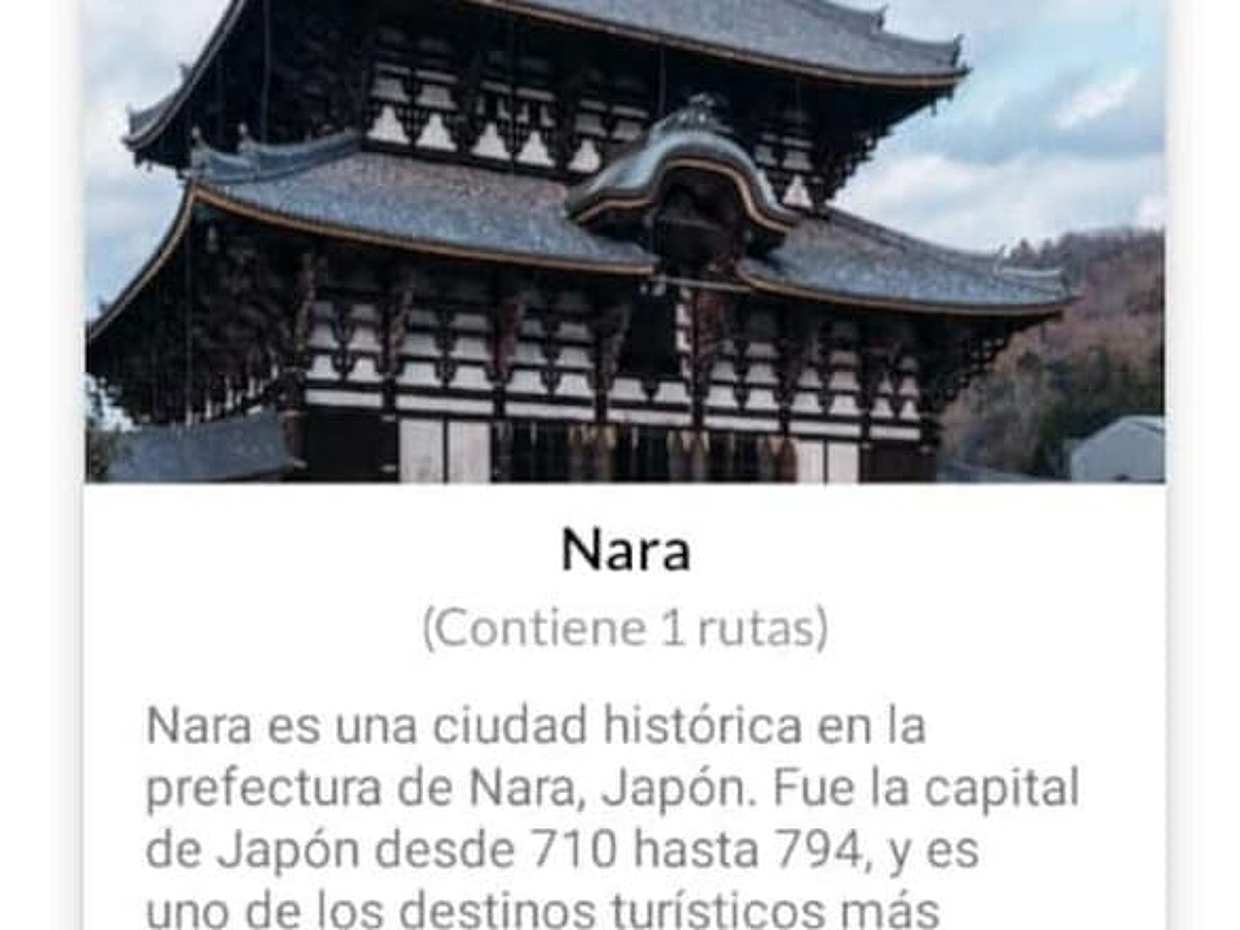
The Todaiji Temple is a Buddhist temple located in the city of Nara, Japan. It is one of the most famous and iconic temples in the country, and houses the largest bronze Buddha statue in Japan. The temple was founded in 752 during the Nara period and has been rebuilt several times over the centuries. Its main building, known as Daibutsuden, is an impressive structure that houses the statue of the Great Buddha Vairocana, also known as Daibutsu. The statue has a height of approximately 15 meters and is an important symbol of Buddhism in Japan.
The Daibutsuden is the main building of the Todaiji Temple in Nara, Japan. It is a massive wooden structure that houses the statue of the Great Buddha Vairocana, also known as Daibutsu. The Daibutsuden is one of the largest wooden structures in the world and is an important landmark in Japanese history and architecture.
Kasuga Grand Shrine, also known as Kasuga Taisha, is a Shinto shrine located in Nara, Japan. It is one of the most sacred and revered shrines in Japan and is known for its thousands of stone lanterns and beautiful natural surroundings. The sanctuary was founded in 768 and has been rebuilt several times over the centuries. Upon entering the sanctuary, one of the first things you notice are the thousands of stone lanterns surrounding it. These lanterns, more than 2,000 in total, create a magical and unique atmosphere. Kasuga Grand Shrine is also famous for its 3,000 auxiliary shrines scattered throughout the country.
Takayama
Sanmachi Suji District is located in the city of Takayama, located in Gifu Prefecture, Japan. It is known for its historic atmosphere and traditional architecture, and is said to be a small version of Kyoto due to its similar aesthetic to Kyoto's Gion district.
Nakabashi Bridge is an iconic bridge in the city of Takayama, Japan. With its distinctive red color and strategic location, it is a recognizable landmark and popular tourist attraction in the city. It is an ideal place to stroll, take photographs and enjoy the historical charm of Takayama.
Sakurayama Hachimangu Shrine is a Shinto shrine located in Takayama, Japan. It is the main shrine for the Takayama Festival, a traditional festival held every spring and autumn. The shrine was founded in the 14th century and is dedicated to Hachiman, the god of war and agriculture. The shrine is built in a traditional Japanese style and features a large main hall, a stone shrine and a series of Torii gates. During the Takayama Festival, the shrine is the scene of a series of events, including parade floats, traditional dances, and fireworks. The festival floats, known as Yatai, are one of the main attractions of the festival. They are made of wood and decorated with elaborate designs.
Kanazawa
Higashi Chaya District is a geisha district located in the city of Kanazawa, Japan. It is one of three well-preserved geisha districts in Kanazawa, along with Nishichayagai and Kazuemachi. Higashi Chaya is a popular destination for tourists from all over the world, and is a place to see geisha. Geisha are traditional Japanese performers who specialize in entertainment such as dance, music and conversation. There are many places to see geisha in Higashi Chaya, but the best places are the restaurants and tea houses. Geishas can often be seen walking the streets of Higashi Chaya, especially at night.
Myoryuji, also known as the Ninja Temple, is a Buddhist temple located in Kanazawa, Japan. It was built in the 17th century by the Maeda clan, who ruled the region during the Edo period. Although the temple is not actually associated with ninjas, it earned its nickname due to its many deceptive defenses.
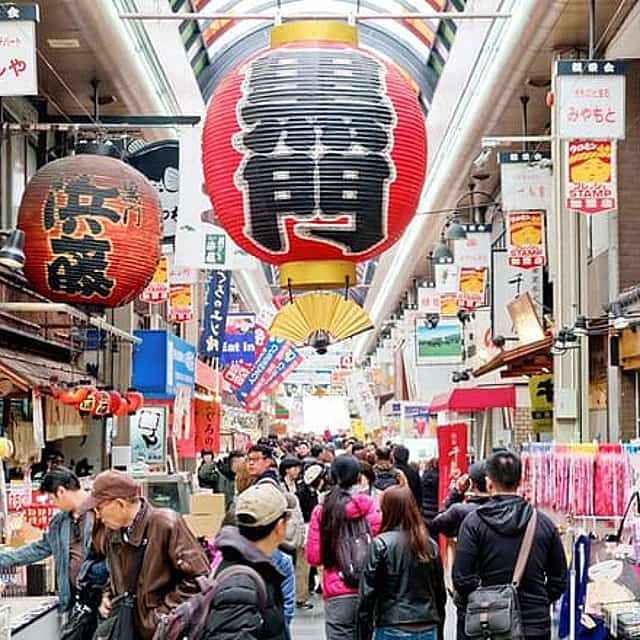
Osaka, Japan
Not wheelchair accessibleNo public transportation nearbyInfants must not sit on lapsOnce you have purchased Premium Access to Self-Guided Routes in Japan, you will receive an ACCESS CODE that will allow you to access the Premium area and have access to the Web Panel to customize the route Download the application: Tourist Road Guide
Verified Local Host
With GetExperience since 2026
Osaka, Giappone
1 hour
20 views recently
From€8.52/ personFrom€9.00 / group