
Silk Road Station: Art and Craft Tour in Bukhara by Car in Uzbekistan
Bukhara, Uzbekistan
Explore Bukhara's Silk Road culture by car, meeting generational artisans. Experience traditional crafts, lively bazaars, and cook plov - a hands-on journey into Uzbekistan's heritage.
Free cancellation
Cancel at least 24 hours before the start.
Duration 8 hours
Duration supplied by the experience provider.
Languages
English, Russian
Group size
2–2 travelers
Full description
Highlights:
- Experience the traditional art and culture of Bukhara
- Explore craft centers and workshops
- Savor the delights of Uzbek cuisine
Includes:
- Hotel pick-up and drop off
- Transportation by a/c vehicle
- Guide
- Dinner with PLOV
- Entrance fees
Itinerary:
- Visit Samanids mausoleum from the 10th c.
- Visit metal embossing workshop and talk to masters of 5th-6th generation. Get aquanted with the prosses of their work.
- Visit Bolo Havz mosque
- Registan square and the Ark fort ( from outside)
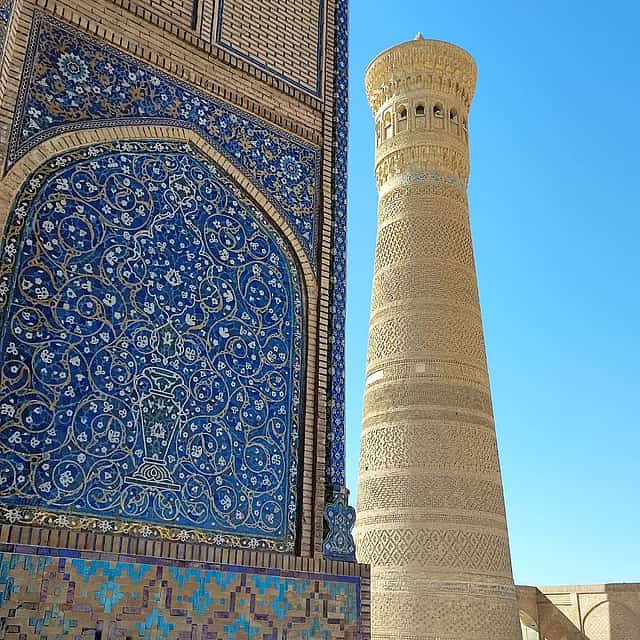
- Visit Poi Kalon complex - Spiritual heart of Bukhara
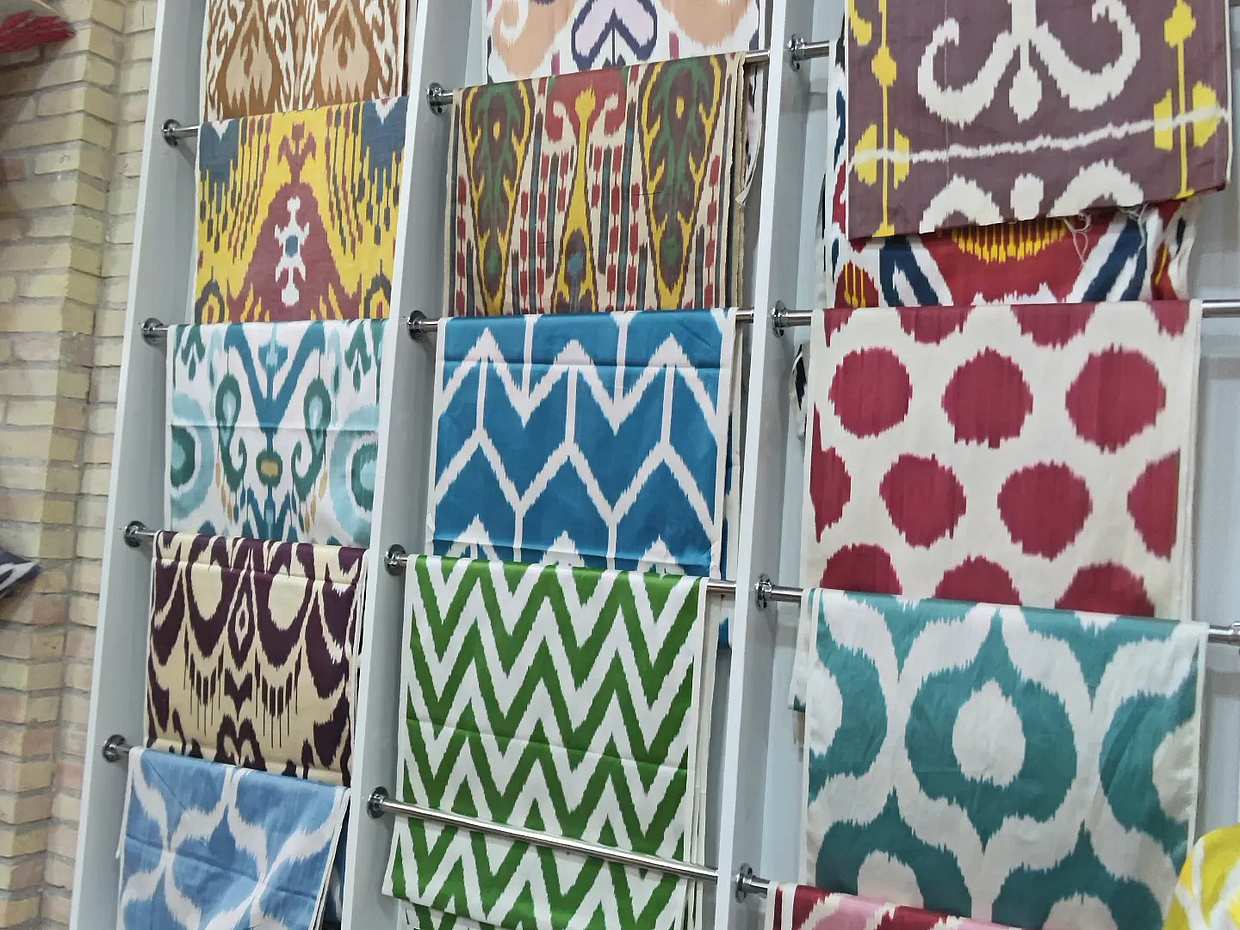
- Visit the craft center for traditional silk carpet and ikat center to get aquanted with the prosess and history of Bukhara carpet school and ikat technique
- Lunch time
- Visit 16c bazaars and have idea about traditional trade in the bazaars
- Meet with the 7-8 th generation of blacksmith family and have idea about what they produce
- Labi Havz complex which used to be a trading center of Bukhara
- Visit the house of the master embroiderer and cook PLOV - king dish of Uzbek cuisine and have dinner there
- End of the tour
Bukhara Art and Craft Tour by Car: Meet the City's Living Artisans
The bukhara art and craft tour by car is the experience that separates travelers who visit a place from those who actually get under its skin. Bukhara, at its medieval peak, was home to over 200 types of crafts, each tied to a specific neighborhood, or mahalla, where families of artisans passed their knowledge from generation to generation. This tour, conducted by car with a guide who connects you directly to those workshops, follows that same neighborhood logic across a full day. You meet a metal embossing family working in a tradition five or six generations deep, then visit a silk carpet and ikat center where the weaving technique, inscribed by UNESCO as Intangible Cultural Heritage in 2022, is still produced by hand exactly as it has been for centuries. The 16th-century trading domes and the Labi Havz complex, a former silk road trading center, bring the commercial history into focus. A blacksmith family of the seventh or eighth generation rounds out the artisan encounters. The tour ends at a master embroiderer's house, where the group cooks plov together and shares dinner, local craft storytelling included. This is bukhara in its most generous, most human form.
Practical Tips Before You Go
Getting the most from a full-day artisan tour in bukhara takes a little preparation:
- Visit in spring or early autumn. April to June and September to October are the most comfortable seasons in uzbekistan. Bukhara summers can reach 40°C, which makes full-day outdoor and workshop visits significantly more taxing.
- Dress modestly throughout. The tour passes through religious sites including Bolo Havz mosque and the Poi Kalon complex. Covered shoulders and knees are expected at both. Lightweight, breathable fabric works well.
- Bring cash in Uzbek soum for any craft purchases. Workshop studios and the silk road trading domes area operate on cash. Hand-woven ikat and embroidered textiles make excellent purchases but the artisans don't have card readers.
- Carry a small day bag with water and sunscreen. Bukhara's old town is partly shaded by its trading domes and narrow lanes, but transitions between sites involve open-air walking.
- The plov cooking session counts as dinner. The tour includes an evening meal at the embroiderer's house, so lunch at the midday break is your main independently arranged meal. Local restaurants near Labi Havz are excellent for lagman or shashlik.
- Allow time to absorb the workshops. The artisan encounters are genuinely interactive, not passive demonstrations. The more curious your questions, the better the experience.
The tour runs with a minimum of one and a maximum of two guests per car, which keeps it genuinely intimate from start to finish.
More Facts About This Experience
Bukhara's silk road weaving tradition runs deeper than most visitors expect. Ikat fabric, a technique involving the resist-dyeing of silk threads before they are woven, producing those characteristic cloud-like patterns, was already traded from Bukhara to China and Europe in the 19th century. UNESCO formally recognized Uzbek ikat-weaving knowledge and silk crafts as Intangible Cultural Heritage in 2022, acknowledging a living tradition under real pressure from factory production. The International Festival of Gold Embroidery and Jewelry, held every two years in Bukhara since 2022, brings international artisans and collectors to the city's old town, keeping the craft economy visible on a global stage.
What to Combine with This Tour in Bukhara
The art and craft tour covers bukhara's living workshops comprehensively, but the city's monumental architecture deserves its own dedicated experience. A private guided city tour by car through the Samanid Mausoleum, the Ark Citadel, and the Poi Kalon complex gives the historical and architectural context that workshops alone don't fully provide. A four-hour private walking tour of the historic center suits travelers who want to experience the old town at a slower, more exploratory pace with an expert guide. For those with two full days available, a classic two-day historical tour adds outer-city sites including the Emir's Summer Palace and the Bahauddin Naqshband complex, the largest Sufi center in Central Asia.
Who Gets the Most from This Tour
Textile enthusiasts, design professionals, and anyone with a genuine curiosity about traditional craftsmanship will find this bukhara tour deeply rewarding. Couples who prefer experiences over standard sightseeing, and solo travelers looking for meaningful human connection in uzbekistan, suit the intimate two-person format perfectly. Friends who share an interest in craft history, food culture, or the silk road's living legacy make excellent companions for the plov dinner that closes the day.
What’s included
Included
- Guide
- Meals: Dinner
- Transfer
- Supported conferences: Other
- Entrance fee
Important information
Meeting point
Bukhara, Uzbekistan
Free cancellation
Plans can change. Cancel this experience free of charge at least 24 hours before the start.
Your host

Nilufar
With GetExperience since 2024
You might also like
Bukhara, Uzbekistan
Highlights of Bukhara Private Walking Tour
4 hours
10 views recently
From€150.00/ personFrom€250.00 / group