


Sintra, Portugal
Privado: Tour al Santuario de Fátima y Pastorinhos con salida desde Lisboa
7 h 30 min
12 vues récemment
À partir de€550.00/ personneDiscover 2 fascinating regions of Portugal with our 2-day program.
Politique d'annulation
Consultez les conditions du prestataire ci-dessous avant de réserver.
Durée 2 jours
Durée communiquée par le prestataire de l'expérience.
Langues
anglais, français, portugais, espagnol
Taille du groupe
De 1 à 8 voyageurs
Sintra Cabo da Roca and Cascais
Moorish Castle – Sintra Monuments Skirting two Sintra mountain ranges, the Moorish Castle dates back to the early days of the Moorish occupation of the Peninsula - the eighth century. After many attempts, was finally taken by Dom Afonso Henriques first king of Portugal in 1147, and was built the first Christian Chapel of the city, dedicated to St. Peter of Penaferrim. In the romantic period, in 1860, the walls were restored under the supervision of Dom Fernando II, husband of Dona Maria II, who wooded the surrounding areas, and gave a new dignity to the ancient medieval ruins. Noteworthy is the Moorish Cistern inside and the so-called Royal Tower. Located about 3.5 km from the historic center of Sintra.
Park and National Palace of Pena Museums and Palaces Pena National Palace Visit the fantastic Pena Palace exponent of 19th century Romanticism in PortugalSet on the top of Monte da Pena, the palace was built on the site of a former monastery. Built by D. Fernando de Saxe Coburg-Gotha, who married Queen Dona Maria II in 1836. After falling in love with Sintra, he decided to buy the convent and surrounding lands to build a summer palace for the royal family. A restaurant has been installed in one of the palace wings, with a terrace offering a beautiful panoramic view over the Sintra Mountains and the coast.
Sintra village from the municipal heritage to the world heritage, properly classified by UNESCO, visit the historical center of the romantic village of Sintra, many buildings and remains of various periods and cultural movements remain.
Sintra National Palace Museums and Palaces The Sintra National Palace is unique among the royal medieval palaces in Portugal and the most distinguished building in the village of Sintra. From the first dynasties of the country, Sintra was one of the favorite places of Portuguese kings and queens, although the palace we can see today was an initiative of Dom João I, who rebuilt it, and Dom Manuel I, which enriched the building's decorative character. and added a new wing. Visit the interior of the palace, where you will surely discover a little more about the history of Portugal. The decoration is quite remarkable, being a combination of various artistic styles that depended on the respective tastes of the kings who lived here, and designed to give the various rooms different names. In particular, it draws visitors' attention to the Swan Room, the Armory Room, the Magpie or the Reading Room and the chapel.
Palace and Quinta da Regaleira Museums and Palaces Very close to the historic center of Sintra is Quinta da Regaleira, one of the most enigmatic sights of Sintra. Quinta da Regaleira was built in the early twentieth century by millionaire Antonio Augusto Carvalho Monteiro (1848-1920), who managed to realize one of his dreams here with the help of scenographic architect Luigi Manini (1848-1936). Surrounded by lush greenery, Palácio da Regaleira is a fascinating discovery. The palace was built in a romantic revivalist style, imitating Gothic, Manueline and Renaissance architectural and decorative forms, mixed with mythical and esoteric symbolism. A special mention is reserved for the Holy Trinity Chapel, where visitors can take a spiral staircase down to the crypt to discover the monumental initiation pit that, deep down, leads through a cave to an amazing lake hidden in the middle of the gardens. .
Museums and Palaces Park and Palace of Monserrate This fantastic Romantic park was created by William Beckford, who fell in love with the Sintra Mountain.
Cabo da Roca Other If you go to Sintra, don’t miss the chance to visit the westernmost point of mainland Europe, Cabo da Roca. Located at latitude 38º 47´north and longitude 9º 30´west, Cabo da Roca is an important coordinate for those sailing along the coast, as it is the most westerly point of mainland Europe, a fact borne out by the certificates that visitors take away as a souvenir. Around 150 metres above the sea, here you can have a panoramic view over the Serra de Sintra and the coast, which makes it worth the visit. Historical records indicate that there was a fort on Cabo da Roca in the 17th century that played an important part in guarding the entrance to Lisbon’s harbour, forming a defensive line along the coast, especially during the Peninsular Wars. Today there are only traces, as well as the lighthouse which is still an important point for navigation.
Boca do Inferno is located on the Costa da Guia, west of the village of Cascais, in Portugal. The name "Boca do Inferno" attributed to this place is due to the morphological analogy and the tremendous and frightening impact of the waves that make themselves felt there. The characteristic that makes up the rock in the cliff is of carbonated nature. The erosion exerted by the action of rainwater that, containing dissolved carbon dioxide, causes the dissolution of the carbonate. Through this process cavities and caves are formed inside the limestones. It may well have been an old grotto. With the abasement of the upper layers the cave will have been destroyed, leaving an enormous cavity in the open. With unique characteristics, it is a place of leisure, where you can enjoy a divine landscape and magnificent sunsets, being only overshadowed by not rare suicides committed in its dangerous and unprotected cliff.
Cascais Towns and Villages Situated close to the sea and traditionally a fishing village, Cascais enjoyed an important period of development in the 14th century, when it was a major stopping off point for boats on their way to Lisbon, turning it into a very busy port at that time. It was, however, in the second half of the 19th century, when sea bathing became a popular activity, that Cascais was given the impetus that transformed it into a very fashionable summer resort. The great driving force behind this transformation was the king of Portugal, Dom Luís I, who, in 1870, converted the Fortaleza da Cidadela into the summer residence of the Portuguese monarchy.
Fátima, Batalha, Nazaré and Óbidos
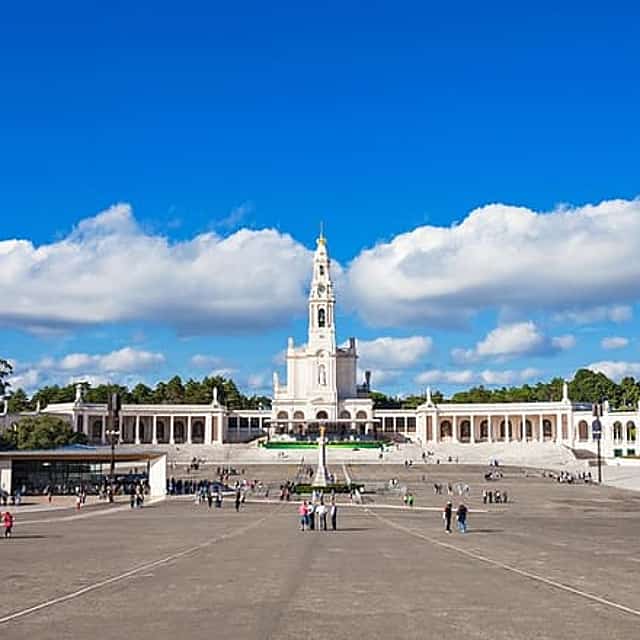
Nowadays, the Valinhos are visited by thousands of Portuguese and foreign pilgrims who take the route of the Via-Sacra to the Hungarian Calvary, visit the Chapel of St. Stephen of Hungary and then visit the House of Lucy and the House of Francis and Jacinta Marto in the village of Aljustrel. In Valinhos, the sculptures of the Angel of Portugal and the various stations of the Via-Sacra are all written by Maria Amélia Carvalheira da Silva.
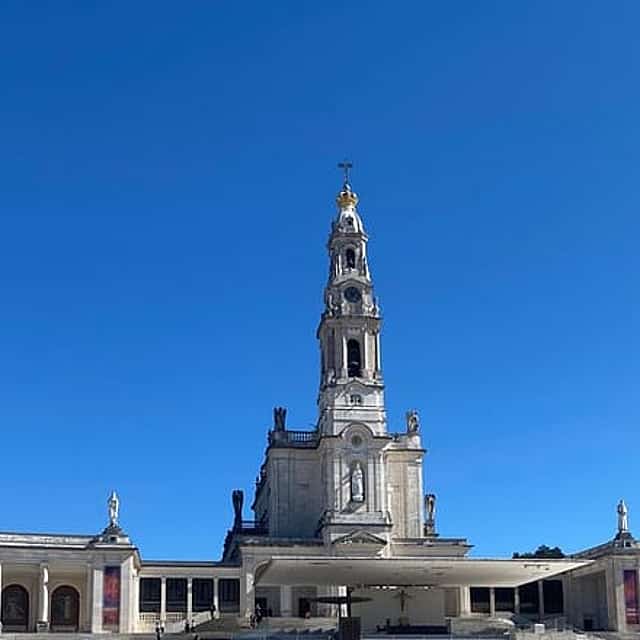
Basílica da Santíssima Trindade Monuments The Church of the Most Holy Trinity is situated within the enclosure of the Sanctuary of Fátima, on the opposite side of the Basilica. It was inaugurated in 2007 but had been planned since 1973. In fact since then there had been the need to build a new church because the Basilica wasn’t large enough to accommodate the great number of pilgrims who wanted to attend services within the Sanctuary, on days of average turnout. The Church is a modern, round, white building, the color of the stone that covers it, a local stone known as “white of the sea”. This huge building is 125 m in diameter, with no intermediate support; it has a volume of 130,000 m3 and 8,633 seats and it can be divided into two areas by a moving partition. There are 76 seats for disabled people.
Capela das Aparições - Fátima ABOUT FEEDBACK FROM USERS Capela das Aparições - Fátima Monuments The Chapel, in the heart of the current Fátima Sanctuary, was built by local people in 1919 in response to the request made by Our Lady during one of the apparitions. The first mass to be held there was in 1921. Although subject to certain changes, due to preservation and maintenance requirements over recent years, the modestly sized chapel retains its rough design similar to a simple hermitage. The image of Our Lady marks the spot of the holm-oak tree, the site of the apparitions. The actual tree itself disappeared piecemeal as more fervent believers made off with it twig by twig. It was here that the shepherds came to say the rosary accompanied by other believers.
The Basilica of Our Lady of the Rosary (commonly called the Basilica of the Rosary) is a basilica that integrates the Sanctuary of Fatima, located in the place of the Cova da Iria, in Fatima, in the municipality of Ourém, Portugal.
Monuments Monastery of Santa Maria da Vitória (or Monastery of Batalha) One of the most fascinating places in the Iberian Peninsula. A decisive event for the consolidation of the Portuguese nation took place on August 14, 1385, near the spot where the Monastery of Batalha stands: D. João, Master of Avis and the future king of Portugal, overcame the Castilian armies in the battle of Aljubarrota. This victory put an end to a dynastic crisis that had dragged on since 1383, since the death of King Ferdinand, whose only daughter was married to the King of Castile, an aspirant to the throne of Portugal.
The Sítio da Nazaré offers one of the most impressive and wide views of the entire Portuguese coast. Largo de Nossa Senhora da Nazaré has one of the best balconies over the region: you can see the Serra de Mira de Aire and Serra dos Candeeiros, all the coast from Nazaré to Peniche
The mediaeval town of Óbidos is one of the most picturesque and well preserved in Portugal. Quite close to the capital and located on high ground near the Atlantic coast, Óbidos has had a strategic importance in the territory. It had already been settled prior to the Romans’ arrival in the Iberian Peninsula, and the town prospered after being chosen by the royal family. King Dinis offered it to his wife, Queen Isabel, in the 13th century, and it became part of Casa das Rainhas (Queens’ Estate), who improved and enriched it throughout the various dynasties. This is one of the main reasons for the high concentration of churches in this small place.
Estrada da Pena, 2710-609 Sintra, Portugal
Infants must not sit on laps Not recommended for people with heart conditions Not suitable for pets Not wheelchair accessible • Dress code is smart casual • Comfortable walking shoes are recommended • A current valid passport is required on the day of travel We also pick up our guests at their accommodation, train station, and any other destinations on agreement.
Verified Local Host
Sur GetExperience depuis 2026
Sintra, Portugal
7 h 30 min
12 vues récemment
À partir de€550.00/ personne
Sintra, Portugal
2 jours
À partir de€1,000.00/ personne
Sintra, Portugal
8 h 30 min
À partir de€440.00/ personne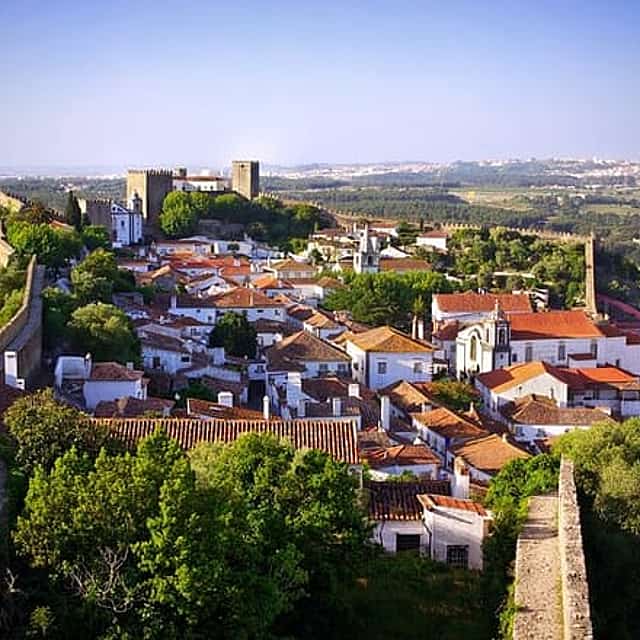

Sintra, Portugal
8 h 30 min
À partir de€400.00/ personne
Sintra, Portugal
2 jours
À partir de€690.00/ personne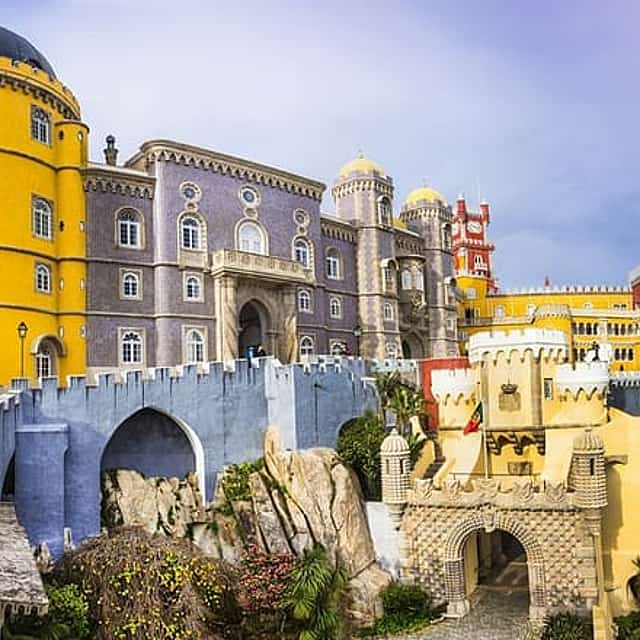
Sintra, Portugal
2 jours
À partir de€550.00/ personne
Sintra, Portugal
3 jours
À partir de€1,000.00/ personne
À partir de€740.00 / groupe