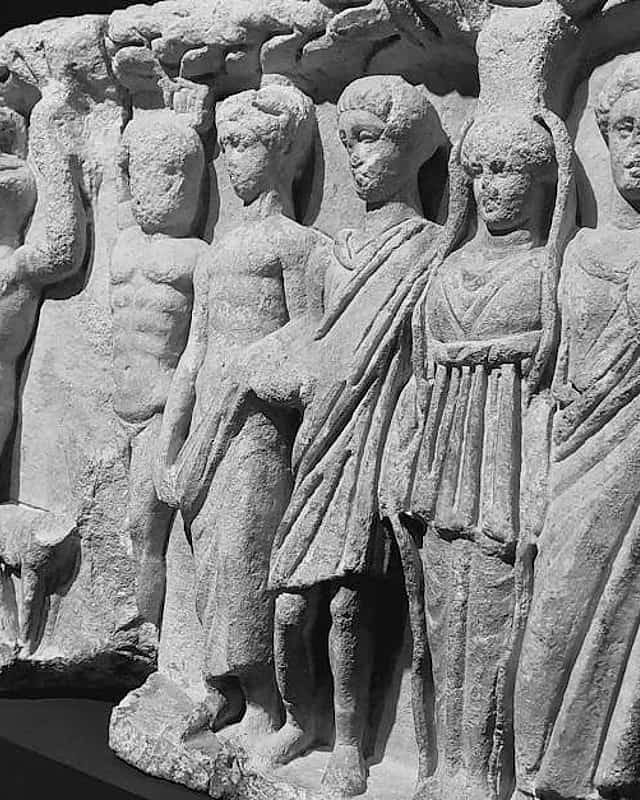
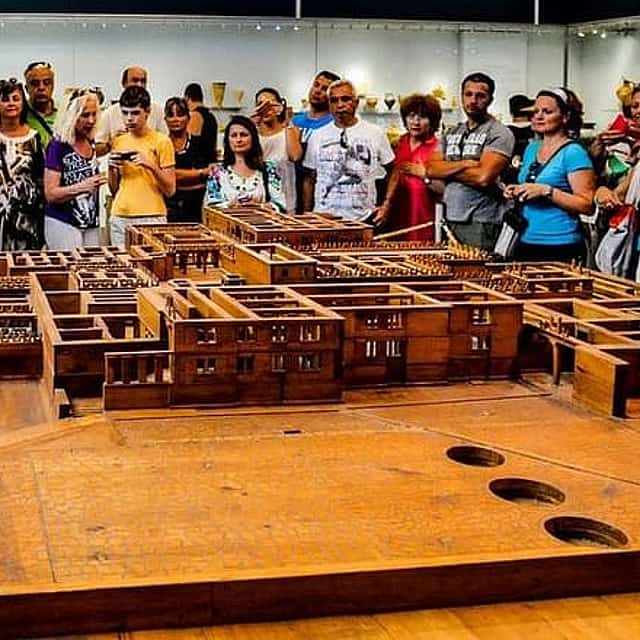
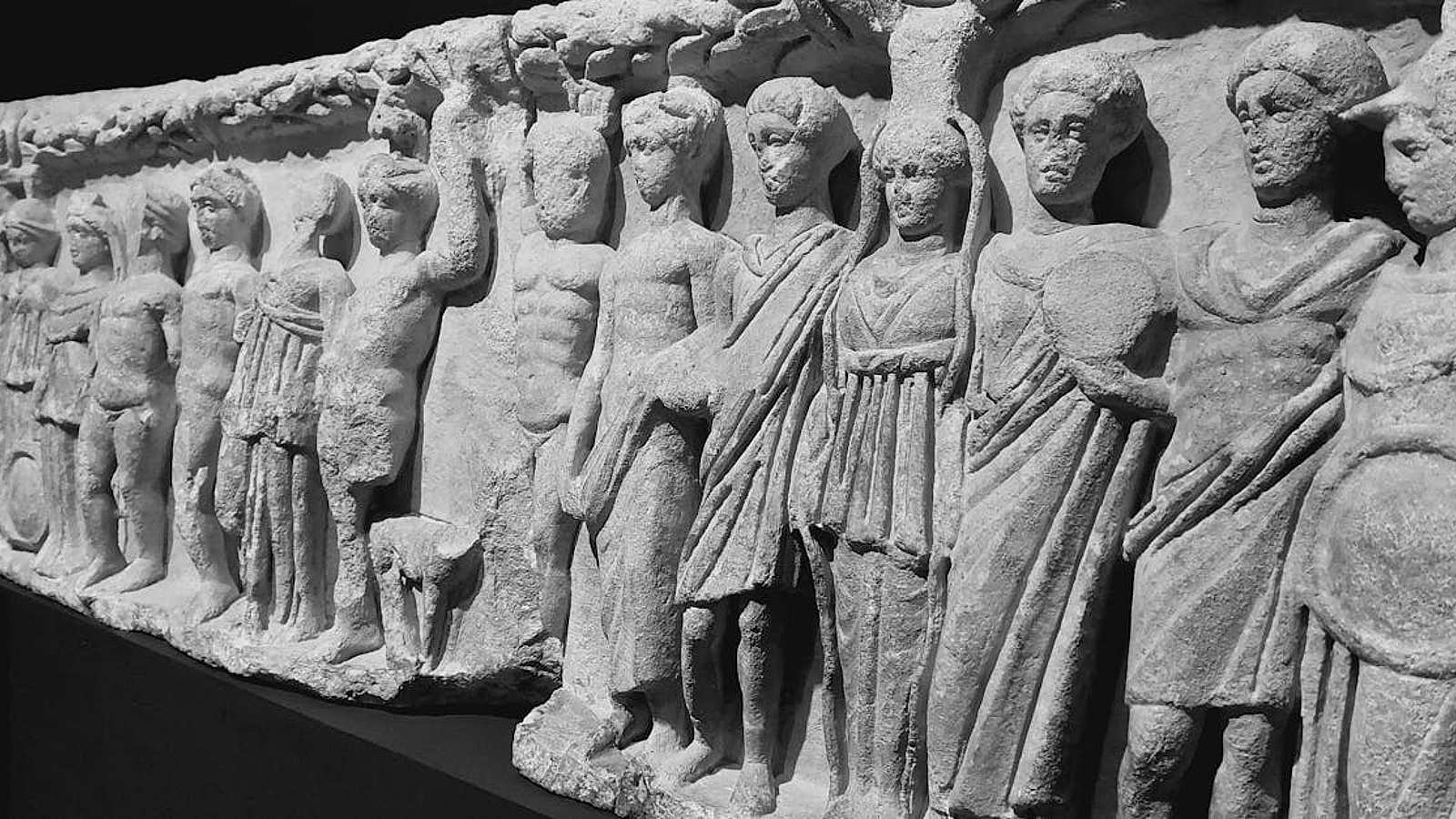
Chania has an odd advantage: its cultural history is not in a museum but underfoot. The town stands on Minoan Kydonia, one of the few settlements on Crete inhabited without a break for four thousand years, and the dig on the Kastelli hill lies open in the middle of a residential quarter. From there the layers run in sequence: the Venetian harbour with the arsenals where galleys were repaired, the Kucuk Hasan mosque at the water's edge, the Topanas and Splantzia quarters with their consular mansions and workshops. All of it can be walked, but it takes a guide to tie the layers together — the street on its own shows only fragments.
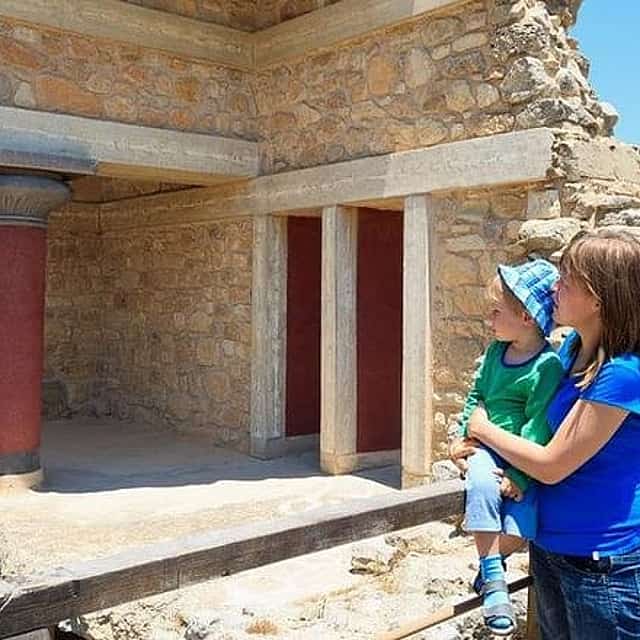
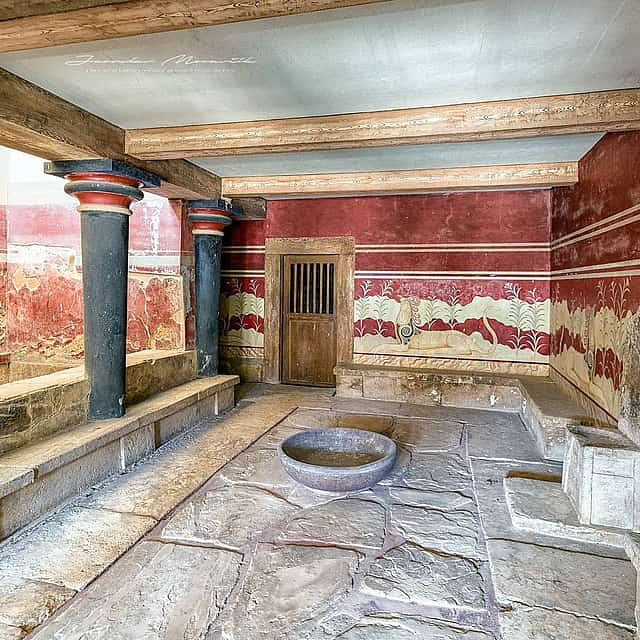
For the main Minoan story you head east. Knossos with Evans's reconstructions and the Heraklion archaeological museum, home of the original frescoes, the Phaistos Disc and the snake goddess figurines, are usually taken in one day: from Chania it is two and a half hours each way, so departures are early. There is also an accessible version — a Knossos and Heraklion route planned for a wheelchair, with suitable transport and gradients worked out in advance.
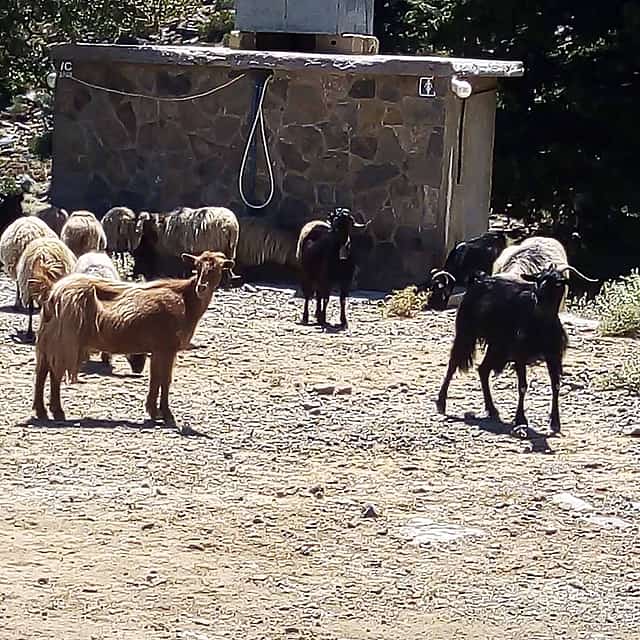
The third layer is rural, and it is the closest. Private trips into Apokoronas show the Crete that existed before tourism: the stone lanes of Vamos and Gavalochori, where people still weave and carve wood, and the chapel of Prophet Elias on a hill above Souda Bay. Along the way you learn why nearly every village on the island has its own olive press, and how Venetian, Ottoman and Cretan details end up sharing a single facade.
Art & Culture in nearby cities
Discover other Art & Culture
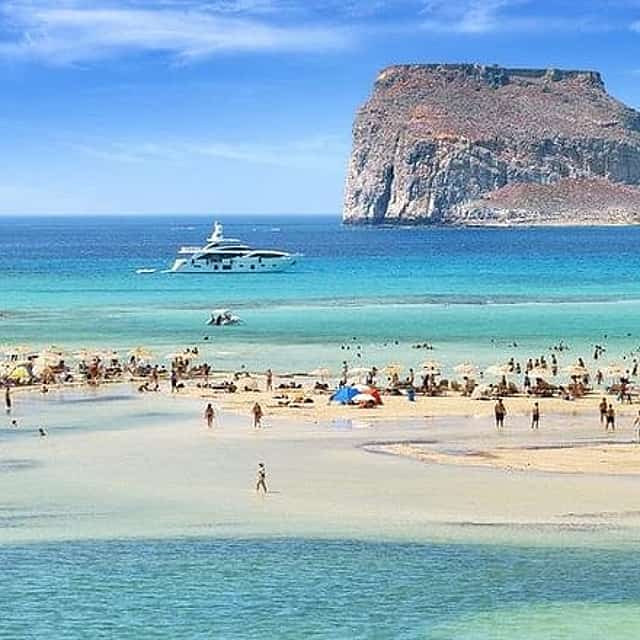
Chania, Greece
Knossos Palace-Archaeological Museum and Heraklion City Private Tour
7 hours
16 views recently
From€420.00/ person
Chania, Greece
CHQ04. Private Tour to Cretan Villages of Apokoronas and Prophet Ilias
7 hours
20 views recently
From€400.00/ personMore things to do in Chania
Can’t find the right experience?
Tell us what you are planning and local hosts will send options tailored to your dates, group and budget.