

Country guide
Wine Tasting in Italy
262 experiences
Book Unique Wine Tasting in Italy 2026. Top Tours, Activities, and Excursions in IT. Pick from our wide selection of top-rated activities for your trip.
Wine Tasting in nearby cities
Discover other Wine Tasting
Palermo, Sicily, Italy
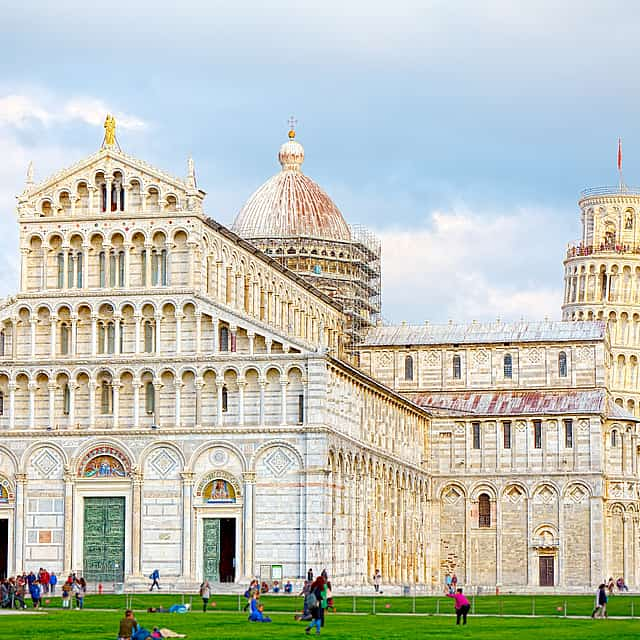
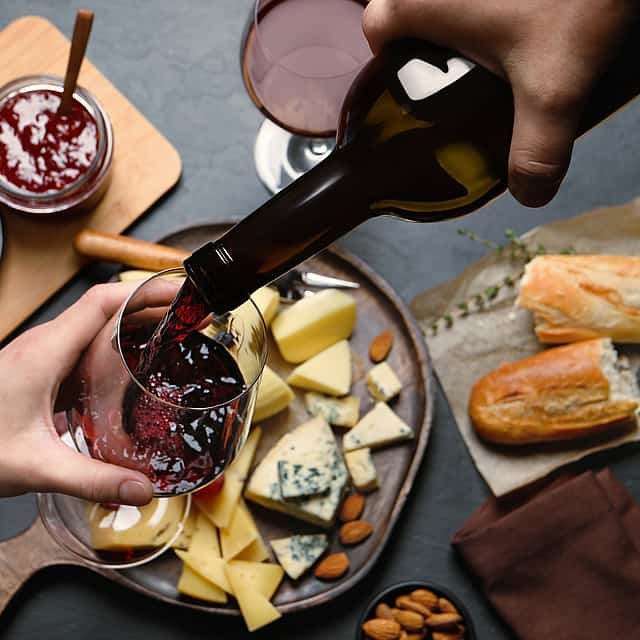
Sicilian Wine and Cheese Tasting in Palermo
2 hours
14 views recently
From€335.30/ person
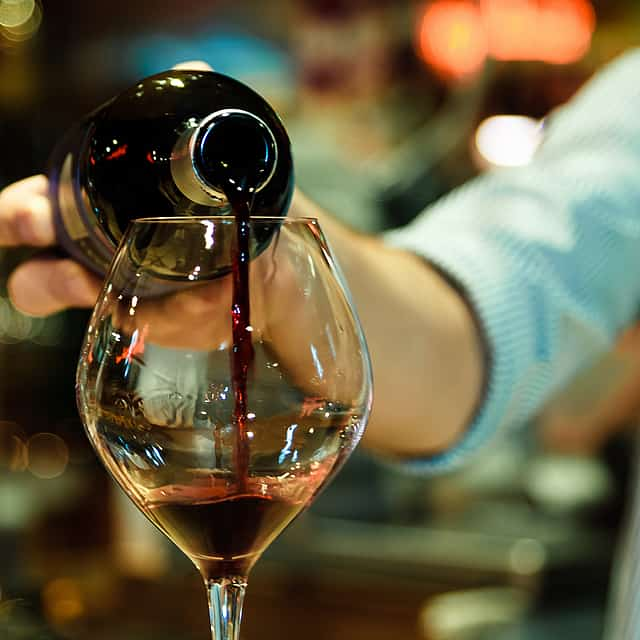
Venice Wine Tour, Venice, Italy
Private Venetian Wine Tasting Tour - Drink as a Venetian
40 minutes
From€39.00/ person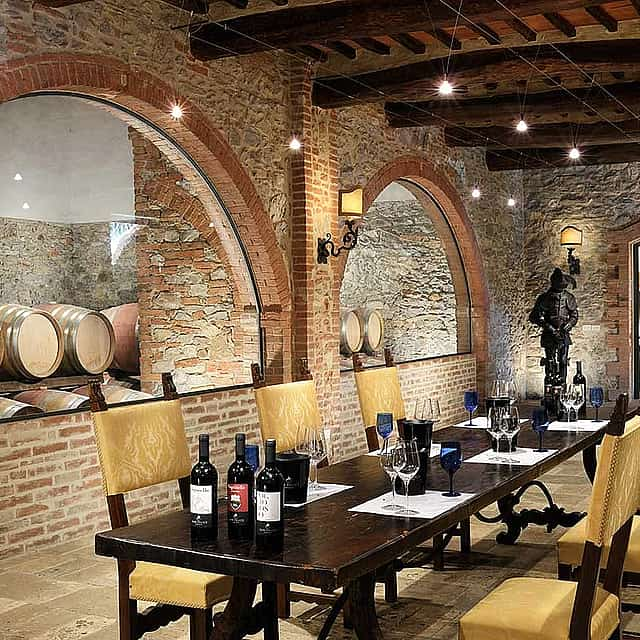
Florence, Italy
Private Tour and Wine Tasting at Castle Wineries in Chianti from Florence
10 hours
From€595.00/ person Request only
Florence, Italy
Private Carmignano Half-day Tour from Florence: The First Cabernet Sauvignon in Tuscany
5h 30m
From€359.00/ person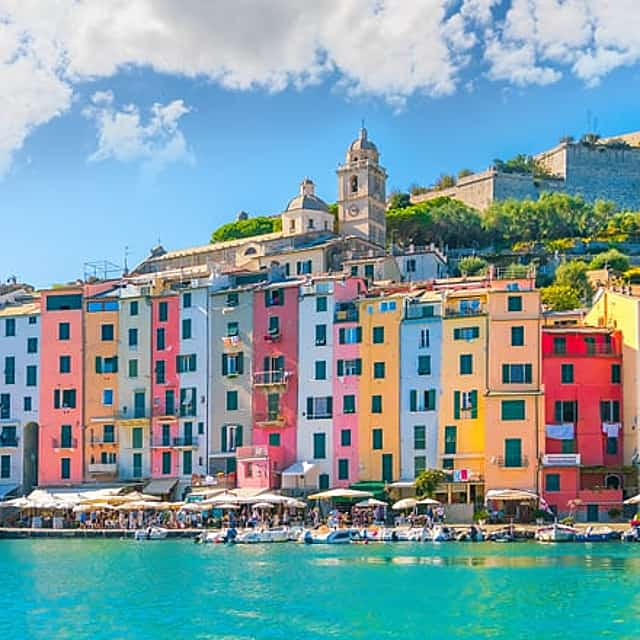
Genoa, Italy
Liguria Coastal Escape: Genoa, Portovenere & the Gulf of Poets
6 days
From€1,425.00/ person
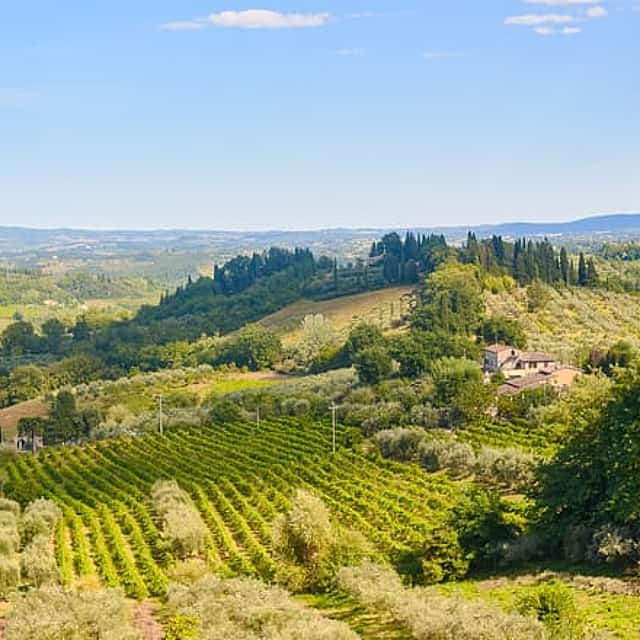
Rome, Italy
Day Trip from Rome to Tuscany by high speed train: Medieval Towns & Chianti Wine Tasting
12 hours
14 views recently
From€235.00/ person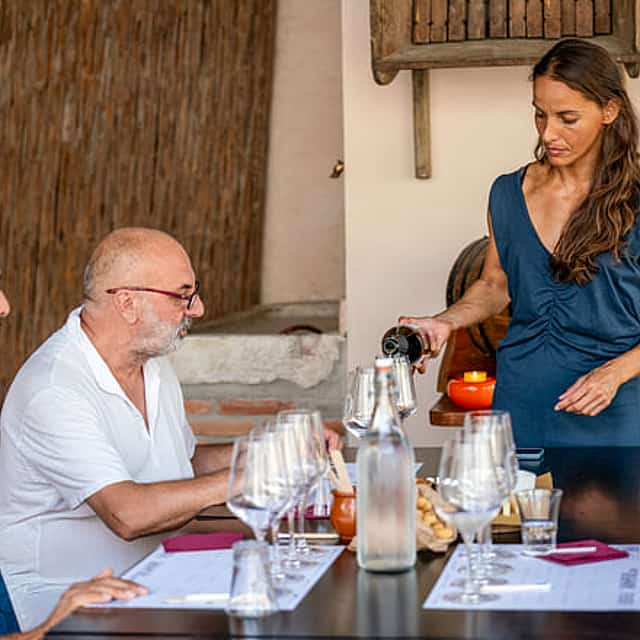
Bardolino, Italy
Taste 4 Wines with cellar tour in a Historic Countryside Winery
2 hours
From€35.00/ person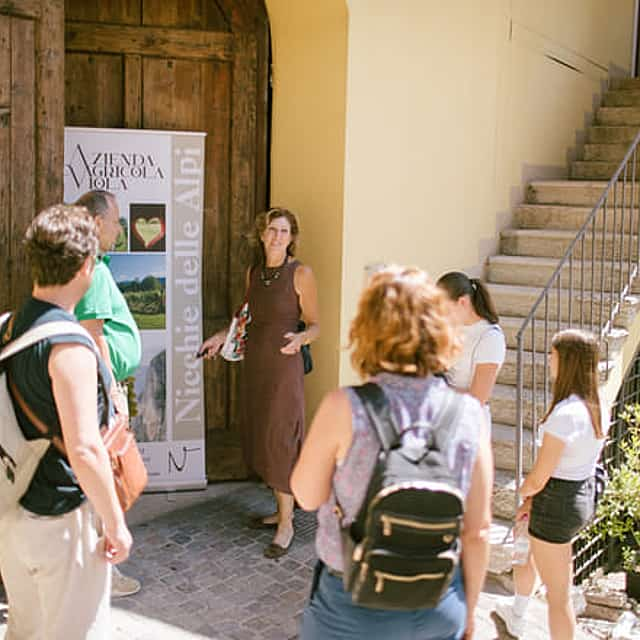
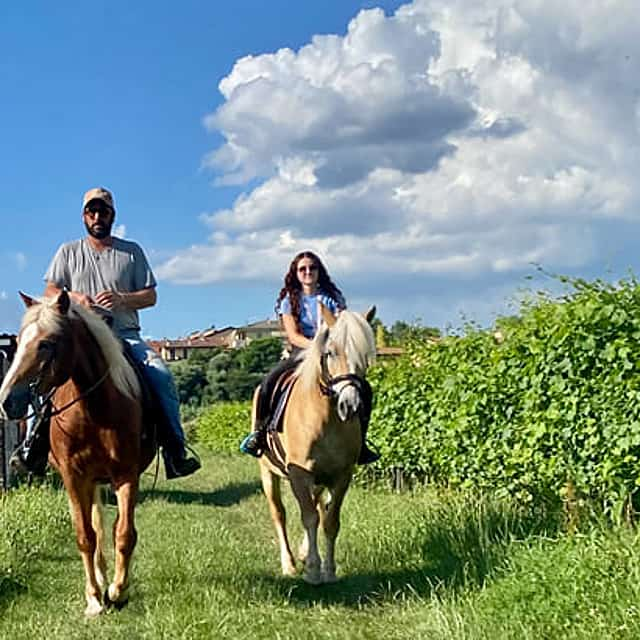
Bardolino, Italy
Horseback Riding with wine tasting in Lake Garda vineyards
3 hours
From€120.00/ person
Italy
Soave Wine Tasting and Vineyard Tour in the Historical Center
2 hours
12 views recently
From€25.00/ person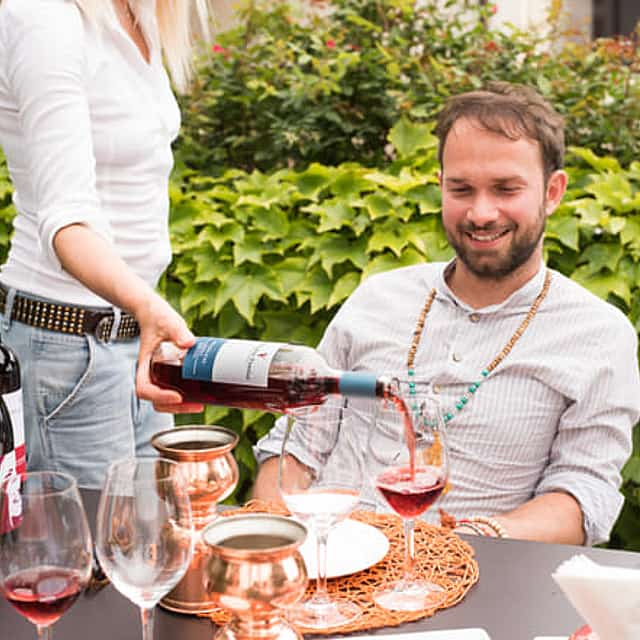
Sirmione, Italy
Corvina Wine Tasting Experience with Vineyard Walk
1h 30m
16 views recently
From€49.00/ person
Sirmione, Italy
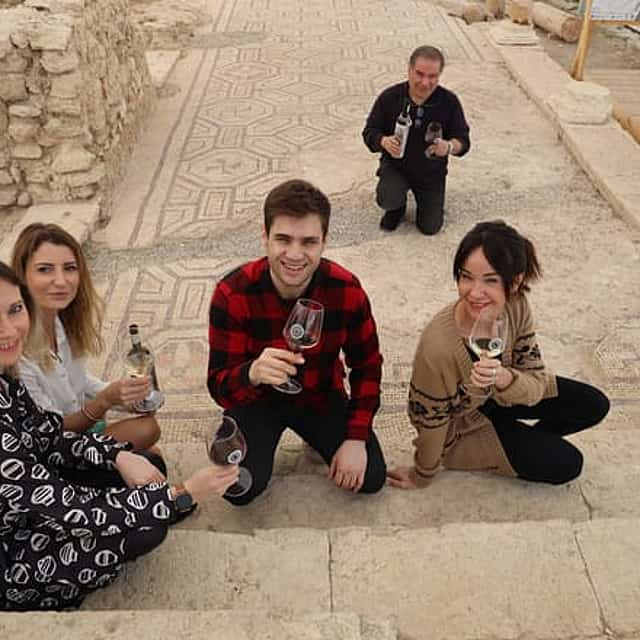
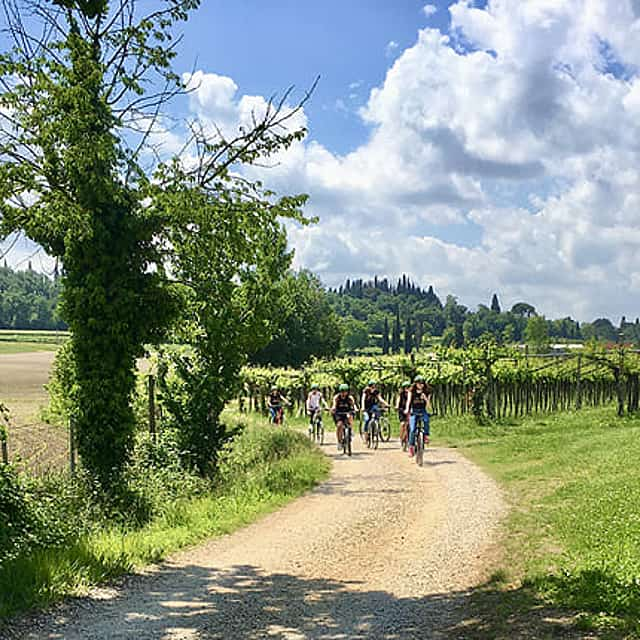
Tasting of 6 wines with vineyard and cellar tour in Lazise
2 hours
14 views recently
From€39.00/ person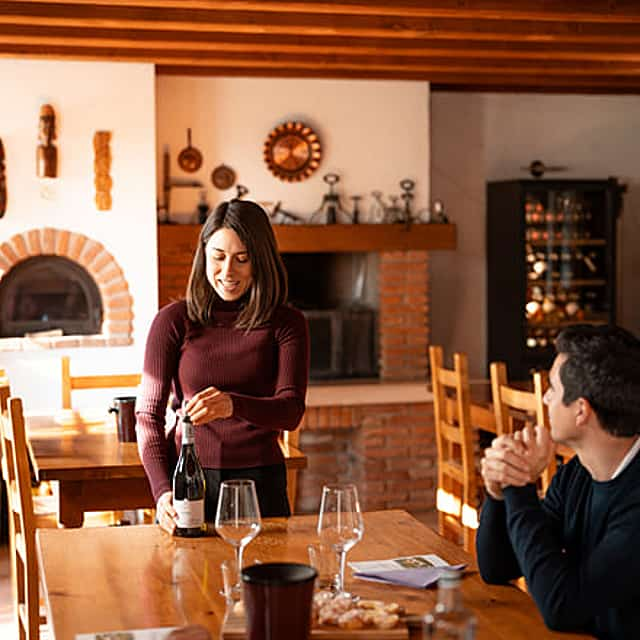

Sirmione, Italy
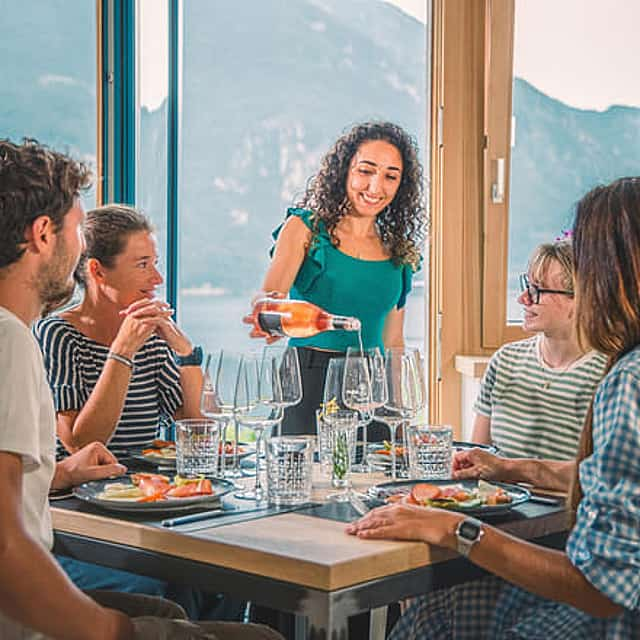
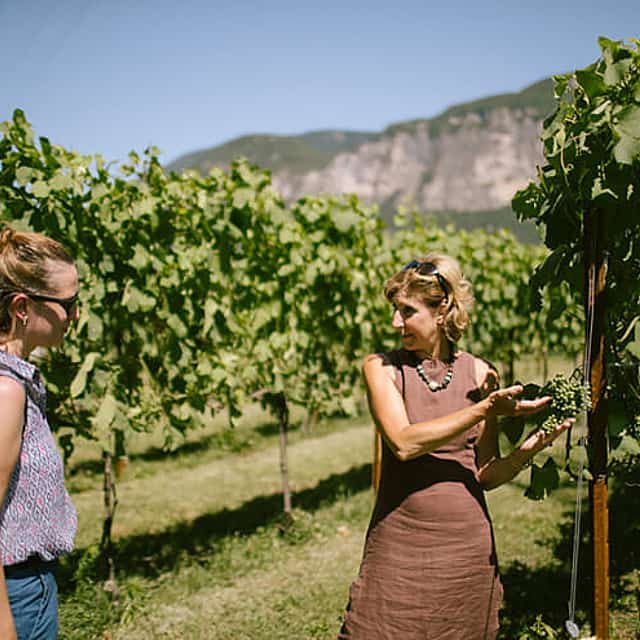
Tasting of 4 Valtenesi wines with local food in Salò
1h 30m
45 views recently
From€39.00/ person
Sirmione, Italy
Wine Tour and Tasting of 4 Rosè Valtenesi Wines in Polpenazze
2 hours
19 views recently
From€35.00/ person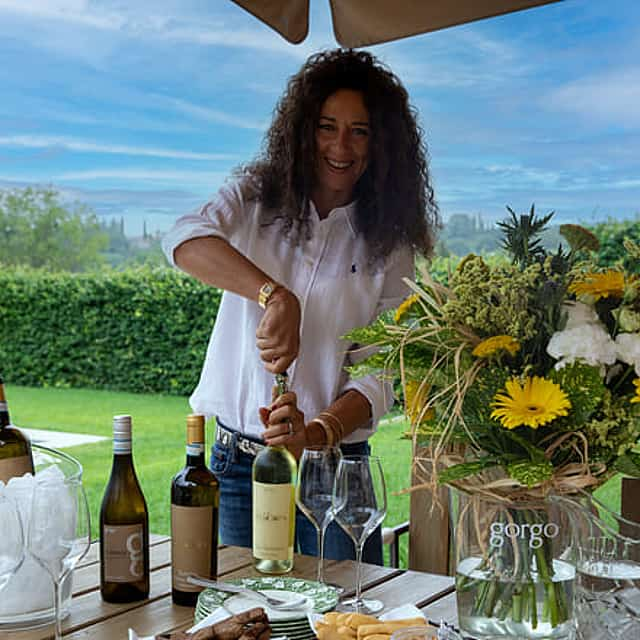
Verona, Italy
Custoza: tasting of 5 organic wines with vineyard and cellar tour
1h 30m
23 views recently
From€40.00/ personQuestions travelers ask
Ten days make the classic first trip: three in Rome, two or three in Florence, two in Venice, and the rest on trains. A week works if you drop one city. Add the Amalfi Coast, Puglia or Sicily and you need two weeks. Fast trains join Rome, Florence and Venice, so that route needs no car.
Not in the cities, where a car is a liability. Historic centres are restricted traffic zones, marked ZTL, and cameras fine every car that enters without a permit, rentals included. Trains join Milan, Venice, Florence, Rome and Naples. A car earns its keep in the Tuscan hill towns, Puglia, Sicily and the Dolomites, where buses are few.
For cities, no. Around Ferragosto, the holiday on 15 August, Italians leave for the coast: family-run restaurants and shops in Rome, Florence and Milan close for a week or more, and the heat passes 30C. Most museums and the main sights stay open, though the Vatican Museums shut on the 15th itself. For beaches August works, at the highest prices of the year. May, June, September and October are easier everywhere.
For cities and museums, yes. Rome, Florence and Venice are at their emptiest from November to February, outside Christmas and Carnival, and hotel prices fall. Days are short, and the Amalfi Coast, the lakes and the small islands largely shut down. The Alps and Dolomites run the other way: the ski season lasts from December to early April.
Two companies, Trenitalia and Italo, run fast trains on the same main line, so compare both. Seats are reserved and fares climb as the date approaches. Regional trains have fixed prices and no reservations. A paper regional ticket must be stamped in the machine on the platform before you board, or the conductor can fine you.
Yes. Tap water is safe across the country, and towns keep public drinking fountains running: Rome alone has more than two thousand of the small iron ones called nasoni. Carry a bottle and refill it. Restaurants bring bottled water by default; you can ask for tap water, though some will refuse.
Most Italian towns charge visitors a tax per person per night. It is paid at the hotel, usually on top of the price you booked, and runs from about one euro to ten depending on the town and the hotel's star rating, with Rome at the top of the range. Venice also charges day visitors an entry fee on its busiest days.
Many are. State museums close one day a week, most often Monday: the Uffizi and the Accademia in Florence both do. The Vatican Museums close on Sundays instead, except the last Sunday of the month, when entry is free. The Colosseum and Pompeii open seven days a week. Check the closing day before you fix the order of your cities.
A drink before dinner, taken between about six and nine, that arrives with something to eat. In Turin, where vermouth was invented, and in Milan the snacks can stand in for a light meal; elsewhere expect crisps and olives. A spritz or a Negroni is the standard order, and standing at the bar costs less than a table.
Yes: shoulders and knees covered, for men and women alike. St Peter's enforces it strictly, and St Mark's in Venice and Florence cathedral can turn people away at the door. Smaller churches rarely check but expect the same. In summer a light scarf or shirt in your bag solves it.
In the big tourist cities, yes, while violent crime against visitors is rare. The classic spots are Rome's metro and the 64 bus, the main stations in Rome and Milan, and the crowds at the Trevi Fountain and outside the cathedrals. Keep your phone out of back pockets and wear your bag zipped and in front.
More things to do in Italy
Can’t find the right experience?
Tell us what you are planning and local hosts will send options tailored to your dates, group and budget.