Chamarel, Mauritius
Shared Underwater Waterfall Helicopter Tour from Chamarel
15 minutes
100 views recently
From€200.00/ person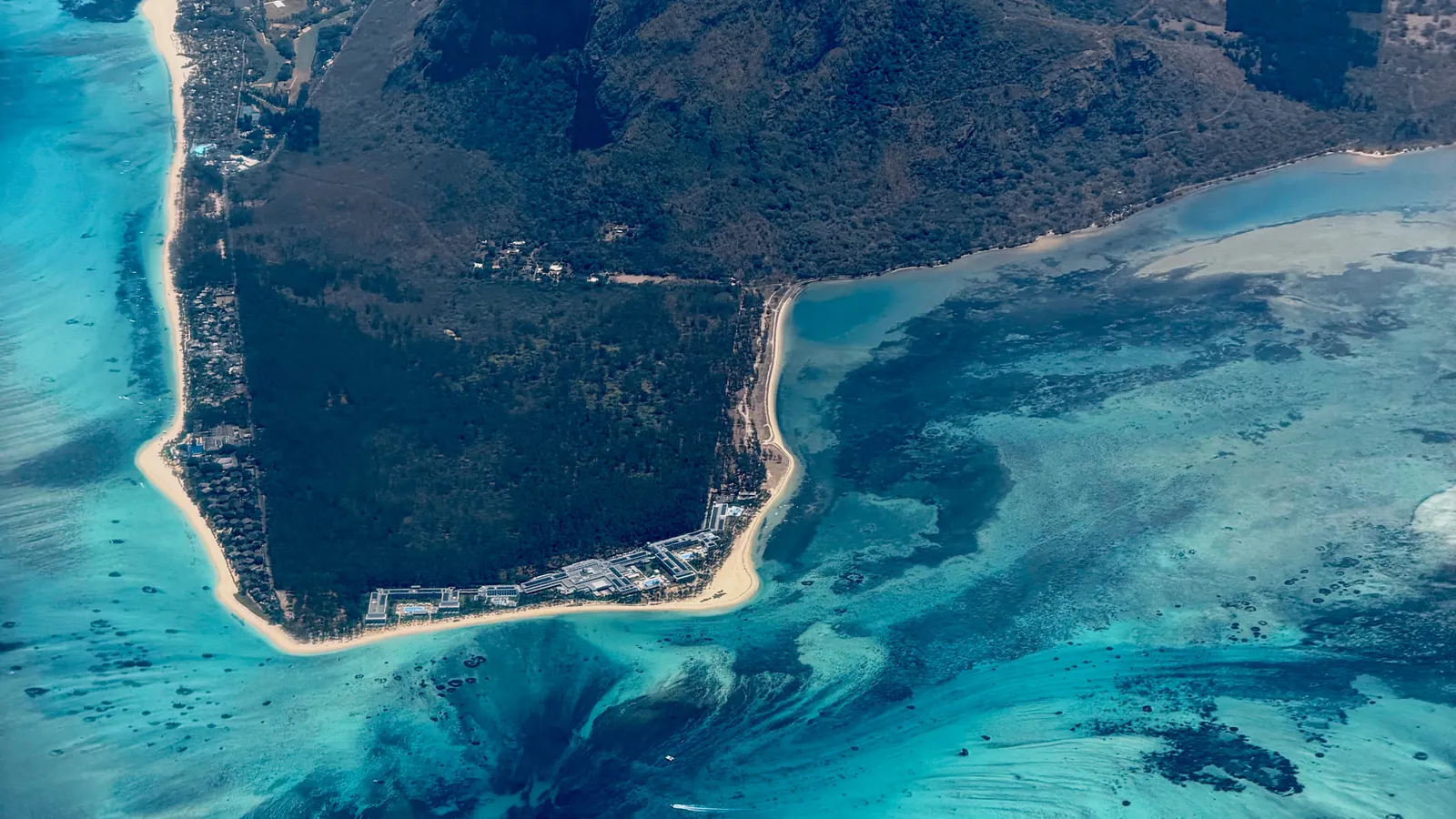
Country guide
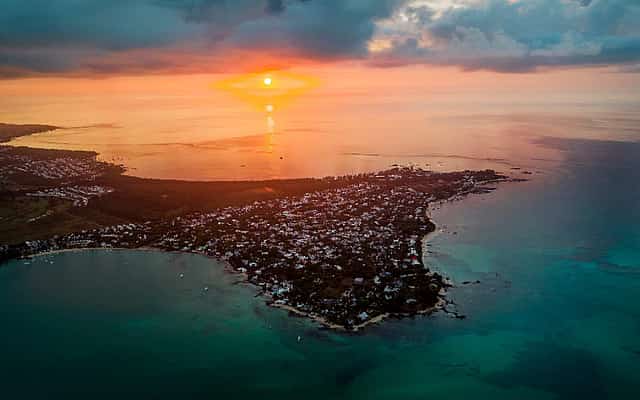
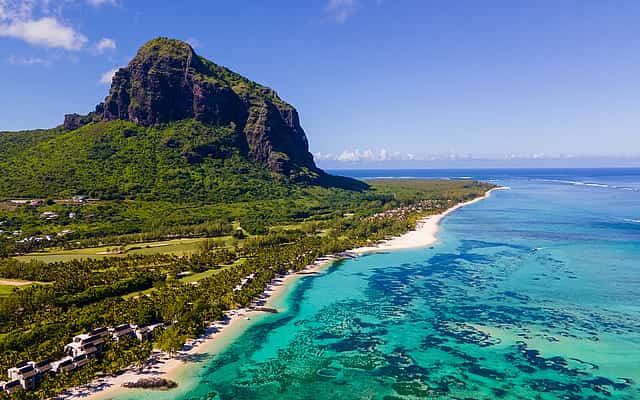
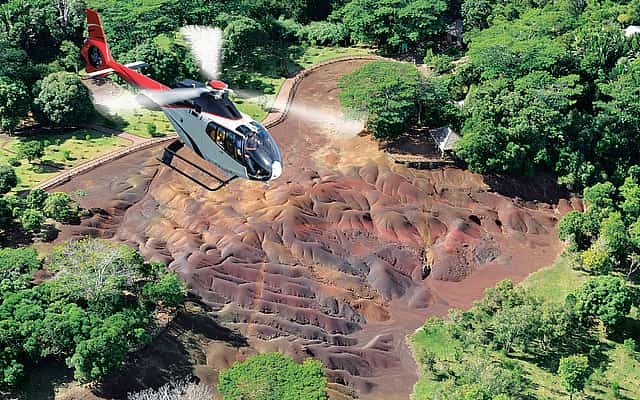
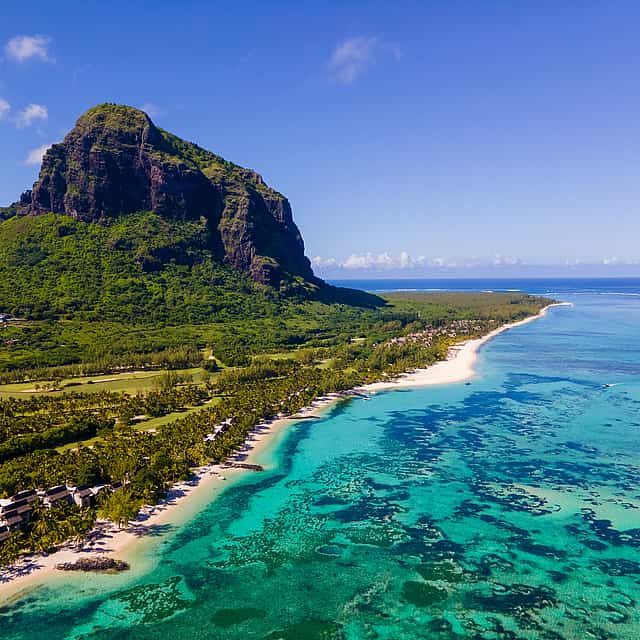
Mauritius is 65 kilometres long and 45 across, and that shapes every holiday on it: nothing is more than about two hours away, so where you sleep matters less than it would anywhere else. The north is the busy corner — Grand Baie, Pereybere, Trou-aux-Biches and Triolet, where the boats leave from and the restaurants stay open late. The west coast has Flic en Flac and Tamarin, where the dolphins come into the bay in the early morning. The southwest is the dramatic end: Le Morne, the basalt monolith that carries a UNESCO listing for its history as a refuge for runaway slaves, and Chamarel above it, with the seven-coloured earths and the waterfall. The south around Bel Ombre and Mahebourg is quieter and greener, the east has the long lagoon at Belle Mare and Ile aux Cerfs offshore, and the middle holds Port Louis, the botanical garden at Pamplemousses, and the Black River Gorges, where the forest still looks the way the island did before the sugar.
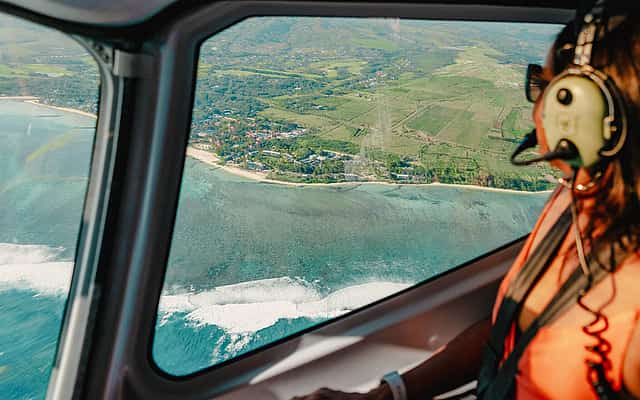
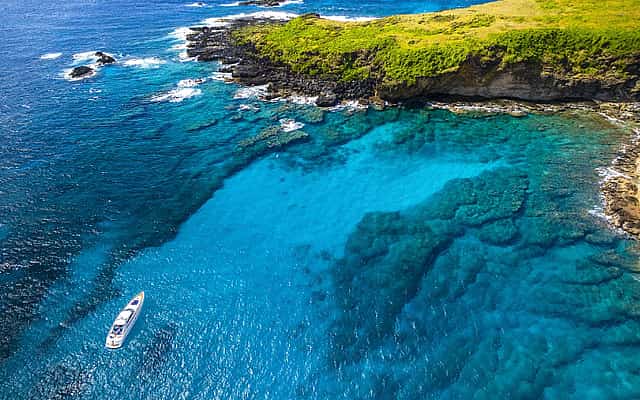
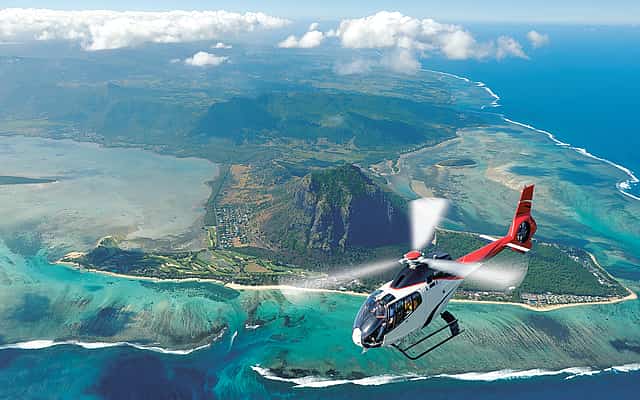
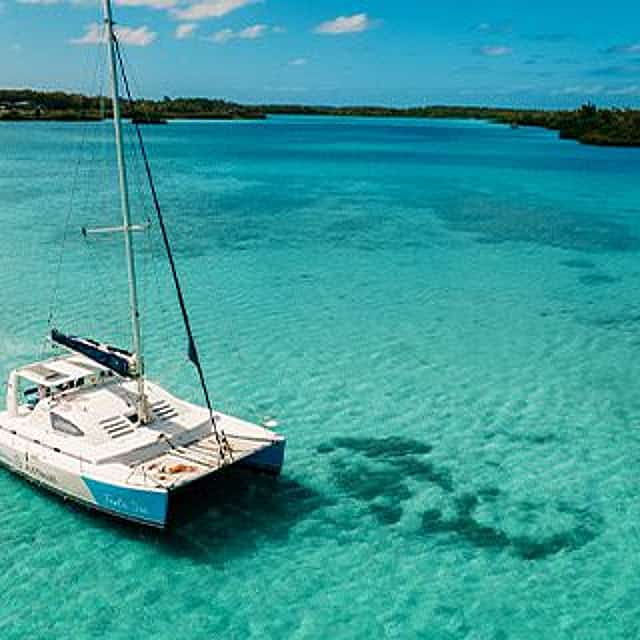
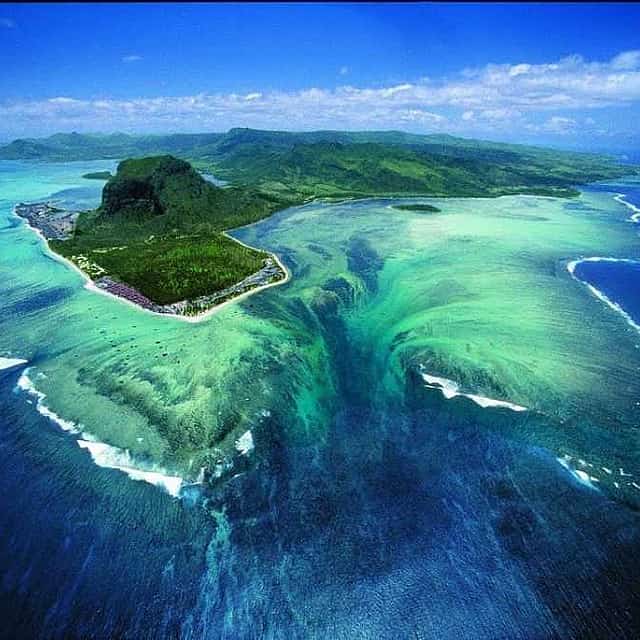
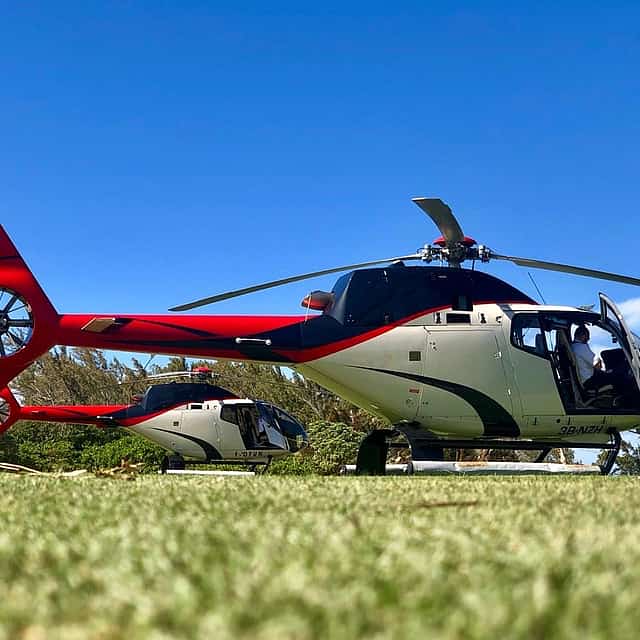
Most of what people do here happens on water or above it. The lagoon is the main event: catamaran days out to Ile aux Benitiers with a dolphin stop on the way, glass-bottom boats over the reef, and the sheltered swimming that the reef makes possible almost all the way round the island. The air is the surprise — helicopter flights are unusually popular here, largely because the island's most famous sight, the underwater waterfall off Le Morne, is an optical trick of sand channels running off the shelf and only exists when seen from above. Inland there is walking: the Seven Cascades, the gorges, the coloured earths. And there is a culture side visitors often miss until the last day, in the market at Port Louis, the sugar museum, the rum distilleries, and the Aapravasi Ghat, where indentured labourers first landed.
Practical. The seasons run the other way round here. The dry, cooler half is May to November and it is the better one for flying, walking and the windier east coast; December to April is hot and humid, with the cyclone window falling between January and March. Boat trips leave early and are usually back before the wind gets up at midday, and helicopter flights are the first thing cancelled when it blows. Driving is on the left, the roads are good and nothing is far, so a car or a driver opens the island quickly — a driver for the day costs less than two long taxi runs. The rupee is the currency; cards work in hotels and restaurants, cash works better in the markets, where the first price is an opening position rather than a price. Tipping is not obligatory and is warmly received: around ten per cent in a restaurant, a few hundred rupees for a boat crew or a guide. Bring reef shoes, because the lagoon floor has sea urchins, and stronger sun protection than you think you need — the breeze off the water hides how hard the sun is working. And once you go private, excursions are priced per boat or per aircraft rather than per person, which makes four or six people a very different proposition from two.
Chamarel, Mauritius
15 minutes
100 views recently
From€200.00/ person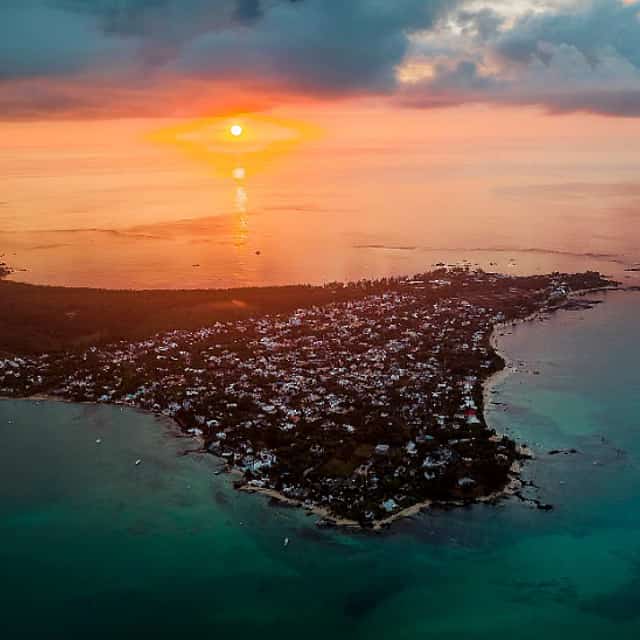
Triolet, Mauritius
10 minutes
From€100.00/ person
Mauritius
7 hours
14 views recently
From€100.00/ person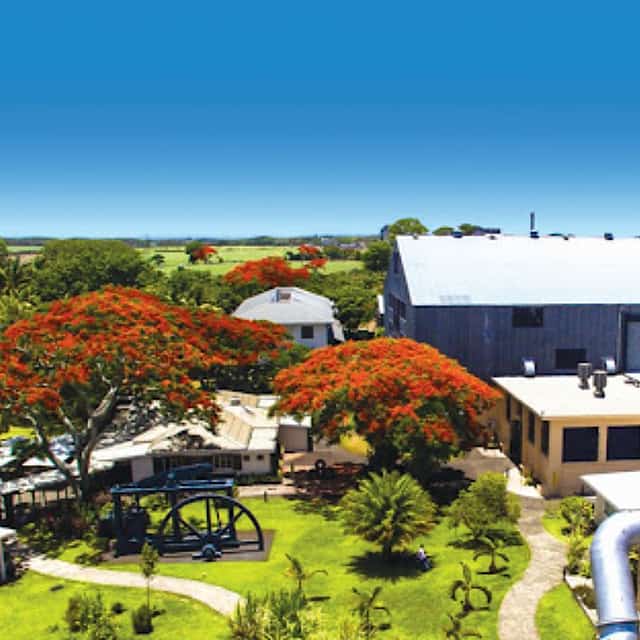
Mauritius
7 hours
13 views recently
From€130.00/ person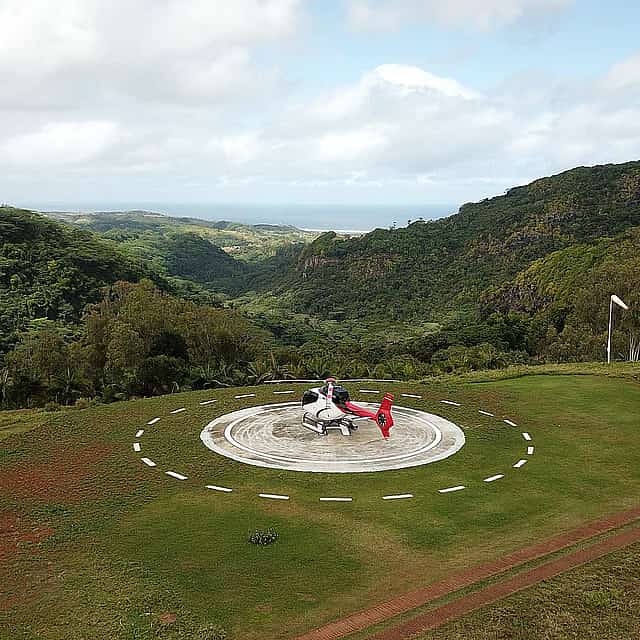
Chamarel, Mauritius
15 minutes
19 views recently
From€1,300.00/ person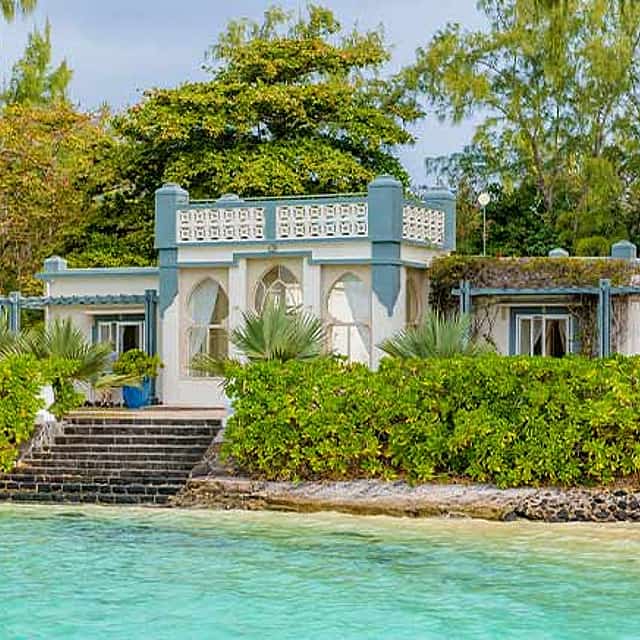
Cocos island, Mauritius
7 hours
From€171.00/ person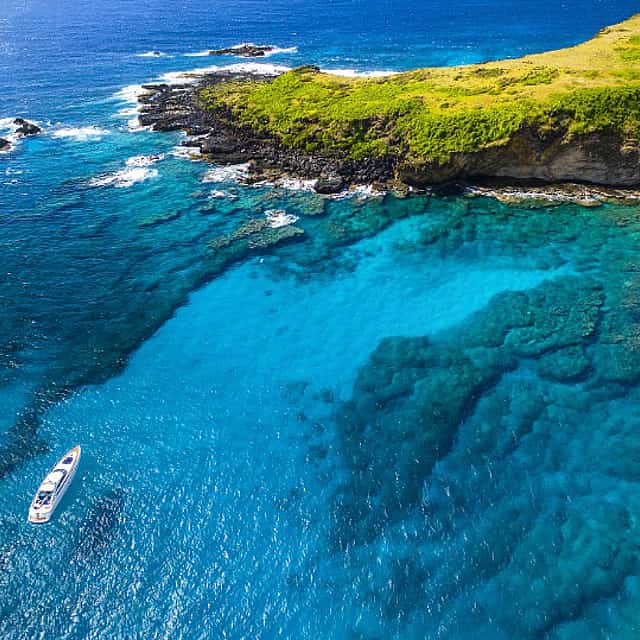
Grand Baie, Grand Baie, Mauritius
25 minutes
From€250.00/ person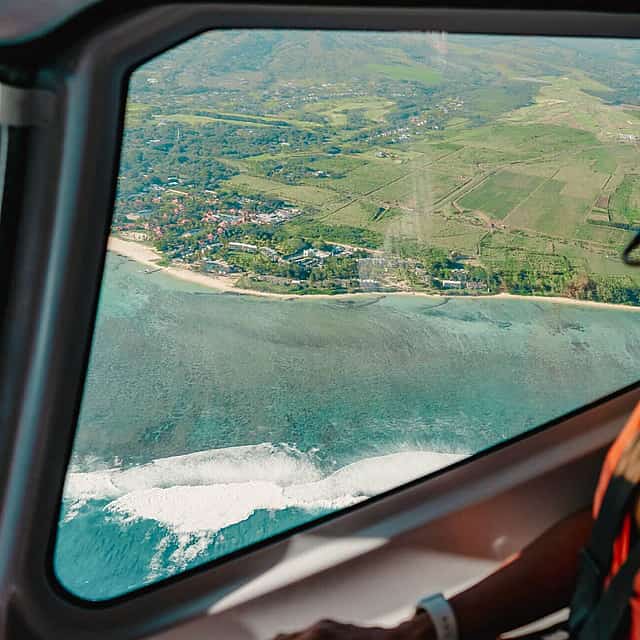
Chamarel, Mauritius
15 minutes
27 views recently
From€1,200.00/ person
Triolet, Mauritius
45 minutes
From€375.00/ person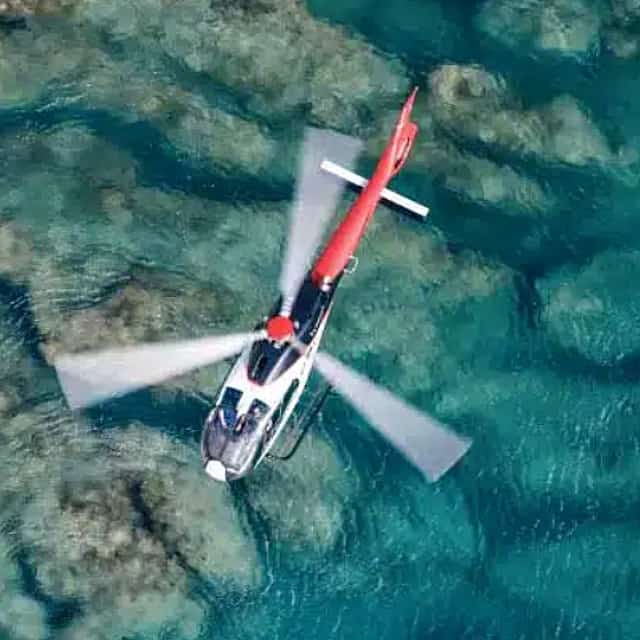
Grand Baie, Grand Baie, Mauritius
10 minutes
From€400.00/ person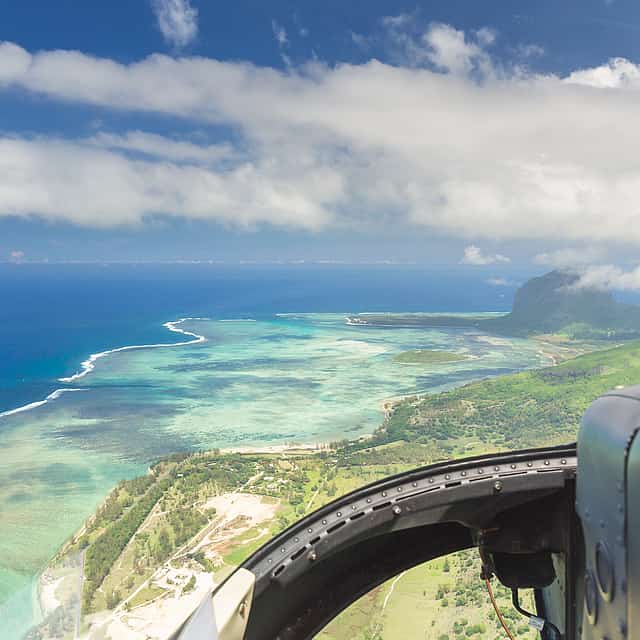
Triolet, Mauritius
25 minutes
From€1,100.00/ person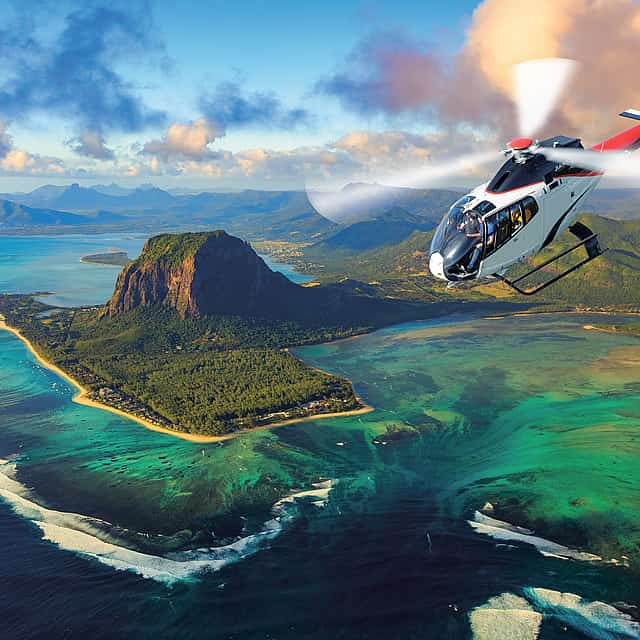
Triolet, Mauritius
45 minutes
From€1,500.00/ person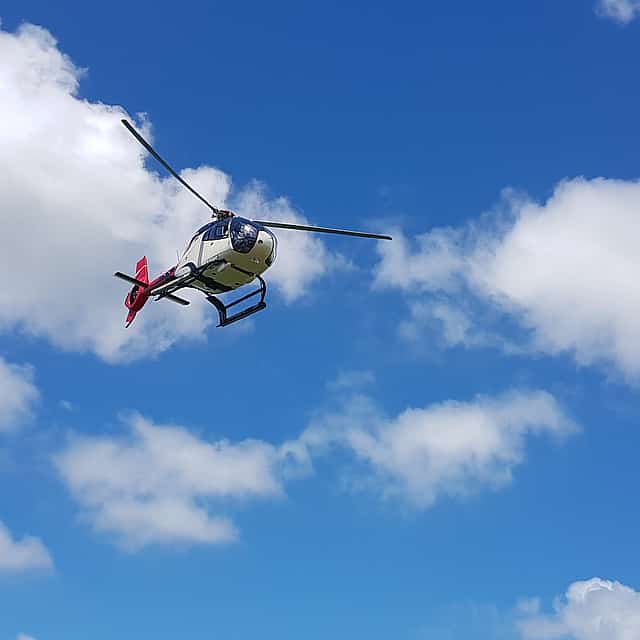 Request only
 Request only
Mauritius
15 minutes
14 views recently
From€1,300.00/ person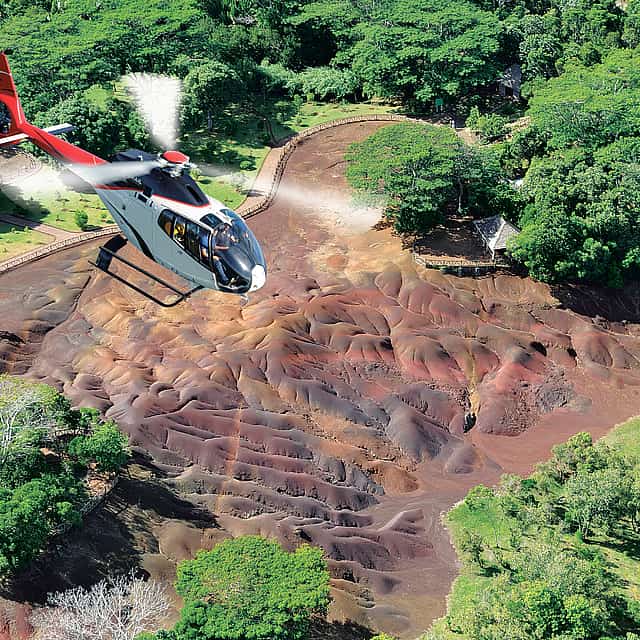
Black River Gorges National Park, Mauritius
25 minutes
15 views recently
From€1,800.00/ person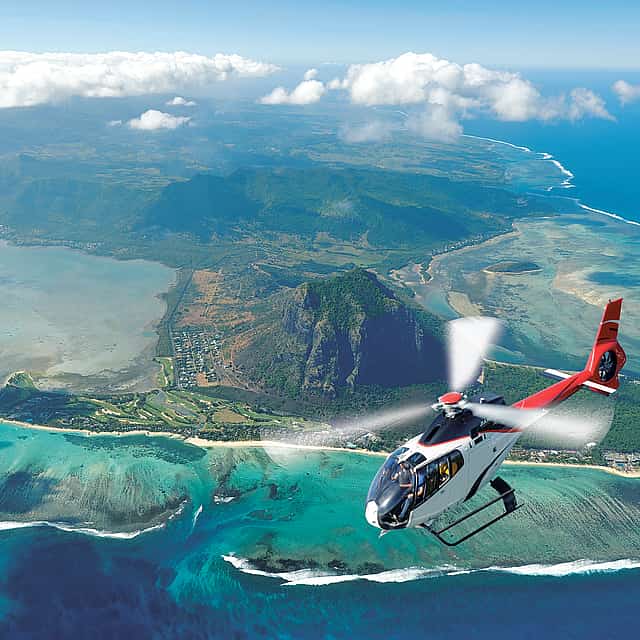
Riviere Noire District, Mauritius
1h 15m
From€2,400.00/ person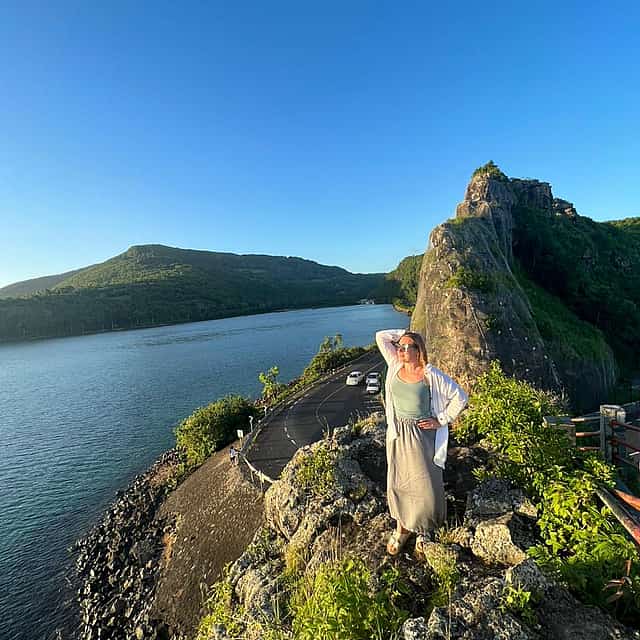
Tell us what you are planning and local hosts will send options tailored to your dates, group and budget.