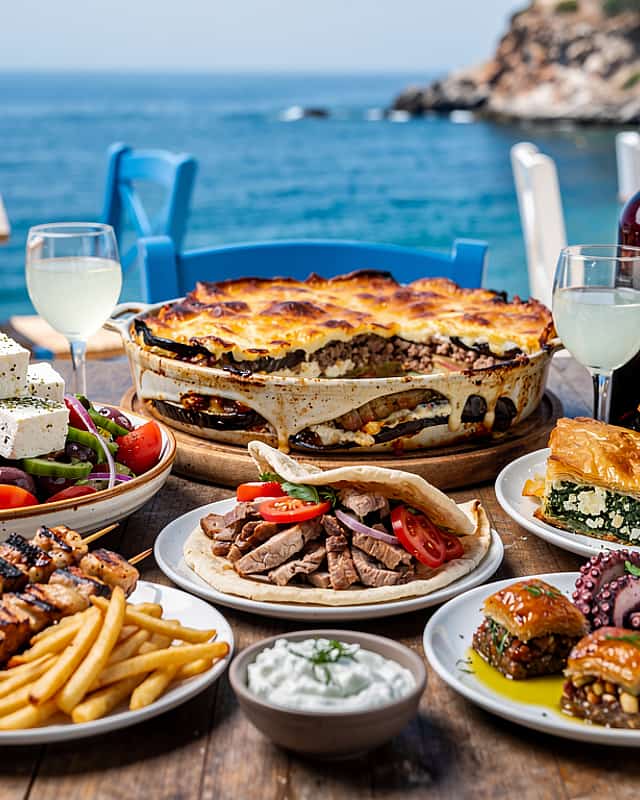
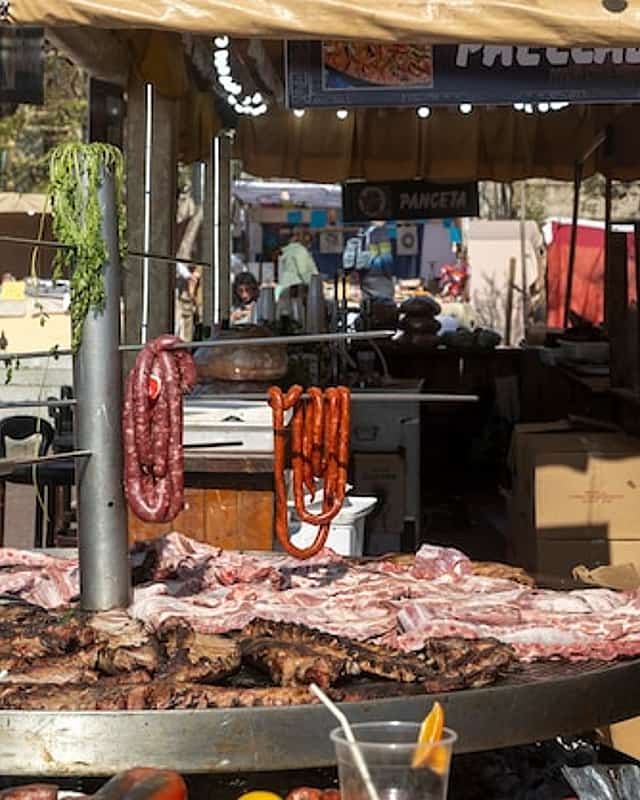
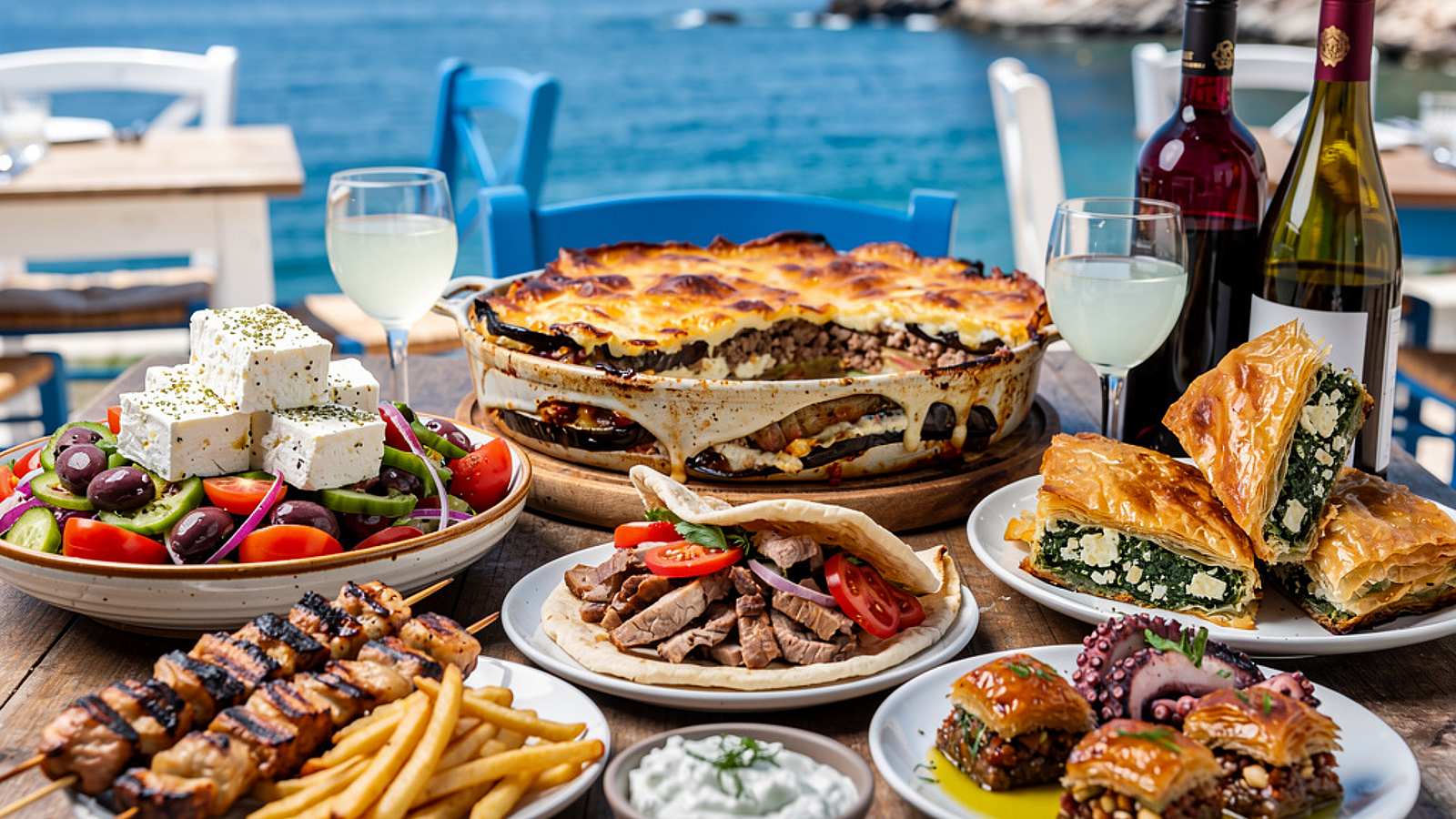
Критская кухня — та самая средиземноморская диета, которую в пятидесятые изучали врачи, приехавшие разбираться, почему островитяне живут дольше. Основа простая: оливковое масло вместо жира, дикая зелень, бобовые, сыр и вино, мяса немного. В Ретимно это можно попробовать не в ресторане, а у источника. Выезды на фермы показывают огород и хозяйство целиком: собираете то, что растёт, а обед готовят при вас из собранного. В пастушьих хижинах в горах варят гравьеру в медном котле — из овечьего молока, на дровах, как делали до всякой сертификации.
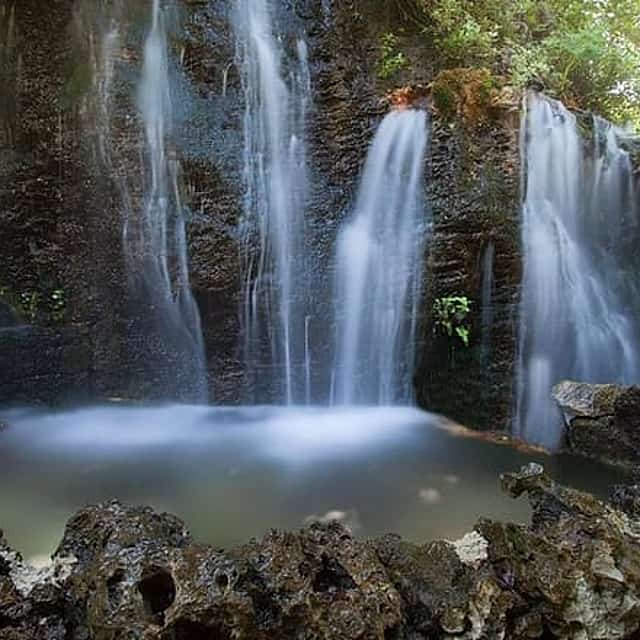
Вино и масло идут отдельной линией. На Крите сохранились автохтонные сорта винограда — вилана, котсифали, лиатико, — которых почти нет за пределами острова, и дегустации обычно строят вокруг них. Маслодавильни объясняют, чем первый холодный отжим отличается от остального: разница в кислотности и в сроке между сбором и прессом, и её дают почувствовать на вкус. Часть маршрутов совмещает винодельню с озером Курна, единственным пресноводным на Крите.
Вечерний формат — критская ночь. Это не шоу для зрителей: в горной таверне играют на лире и лауто, танцуют в кругу, наливают раки, а стол собирают из дакоса, антикристо и сыров с гор. Иногда такие вечера соединяют с закатным сафари — сначала видовые точки предгорий Псилоритиса, потом деревня и ужин. Дорога обратно в город занимает меньше часа.
Еда и напитки в ближайших городах
Ищите дальше в категории «Еда и напитки»
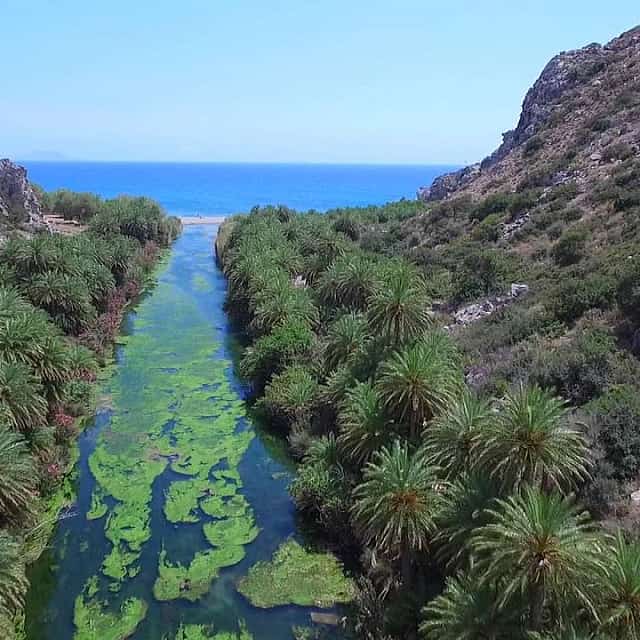
Ретимно, Греция
Оригинальный Крит: Местная ферма, сад и еда из Ретимно
10 ч.
просмотров за последнее время: 14
От€29.00/ чел.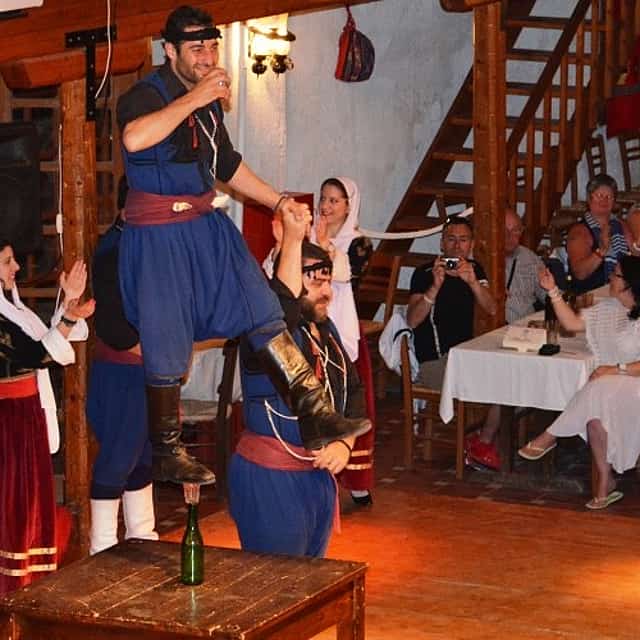
Ретимно, Греция
Критская ночь: музыка, еда и танцы.
6 ч.
просмотров за последнее время: 21
От€65.00/ чел. По запросу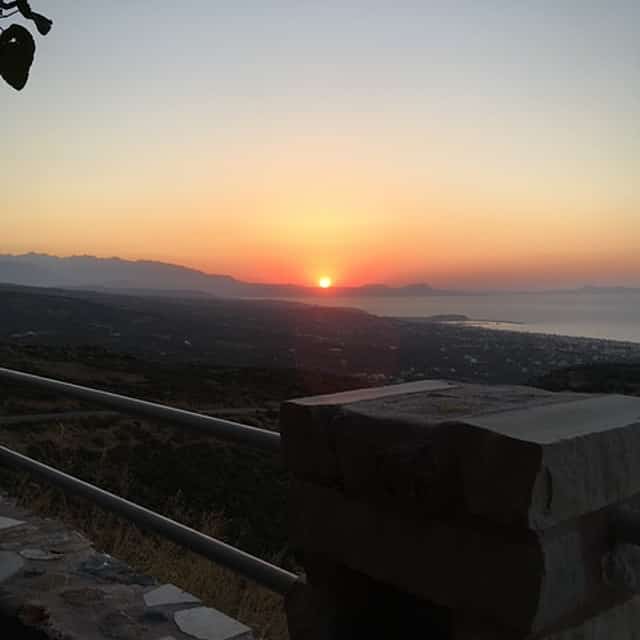
Ретимно, Греция
RTH03. Сафари-тур на закате в Ретимноне Премиум
4 ч.
просмотров за последнее время: 24
От€79.00/ чел.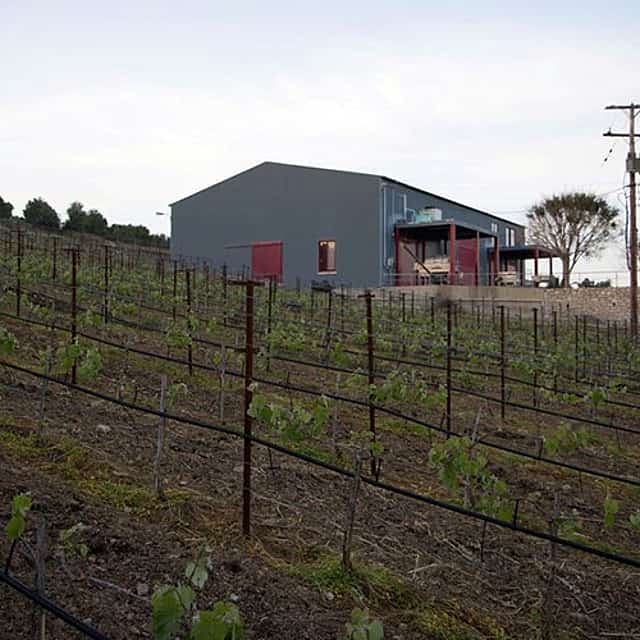
Ретимно, Греция
RTH02. Откройте для себя секреты вина и оливок
6 ч.
просмотров за последнее время: 22
От€95.00/ чел.Чем ещё заняться: Ретимно
Не нашли подходящее впечатление?
Расскажите, что вы планируете, и местные организаторы пришлют варианты под ваши даты, компанию и бюджет.