Dubai, United Arab Emirates
Dubai Half Day City Tour - Group Tour with Iconic Landmarks
5 hours
21 views recently
From€24.66/ person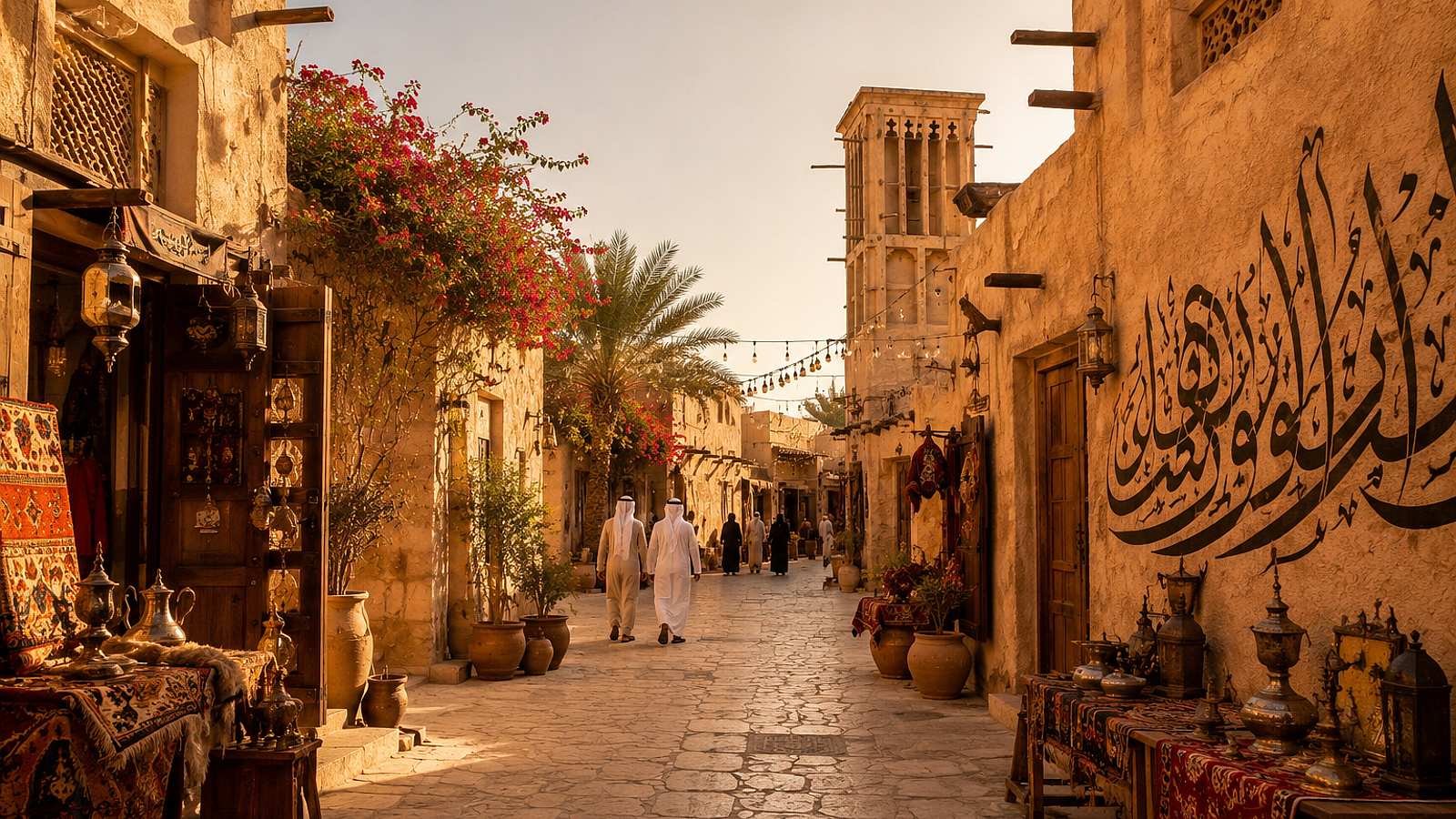
Dubai is young by regional standards: as a settlement it is barely two centuries old. The Al Maktoum family came from Abu Dhabi in 1833 and settled on the bank of the creek, and before oil the town lived on pearling and trade. Diving fed the whole coast until the 1930s, when Japanese cultured pearls broke the market in a few years. Earlier, in 1901, the port scrapped its customs duties and drew Persian and Indian merchants from Lingah on the Iranian shore.
That wave built Al Bastakiya, now Al Fahidi: blank walls, narrow lanes, wind towers raised by Iranian traders. Oil was found only in 1966 and there was little of it, so the bet went on Jebel Ali port, a free zone and an air hub; the UAE was declared on 2 December 1971. Less of the old town survives than people expect, but it stands close together — Al Fahidi Fort of 1787, the oldest building in the city, holding the Dubai Museum; the Shindagha house of Sheikh Saeed Al Maktoum, the rulers' residence until 1958; Al Seef, which continues the old building line at the water.
Almost all of it sits around Dubai Creek, half a day on foot; an abra, the open wooden boat, crosses to the far bank for one dirham. In summer walk before ten in the morning or after sunset; the waterfront at midday is not something you get through. Many museums shut on Friday mornings and cut hours during Ramadan, so check on the day itself. When booking, ask which buildings you actually enter and whether museum tickets are included.
Dubai, United Arab Emirates
5 hours
21 views recently
From€24.66/ person Request only
Tell us what you are planning and local hosts will send options tailored to your dates, group and budget.