


Country guide
Shopping in Vietnam
5 experiences
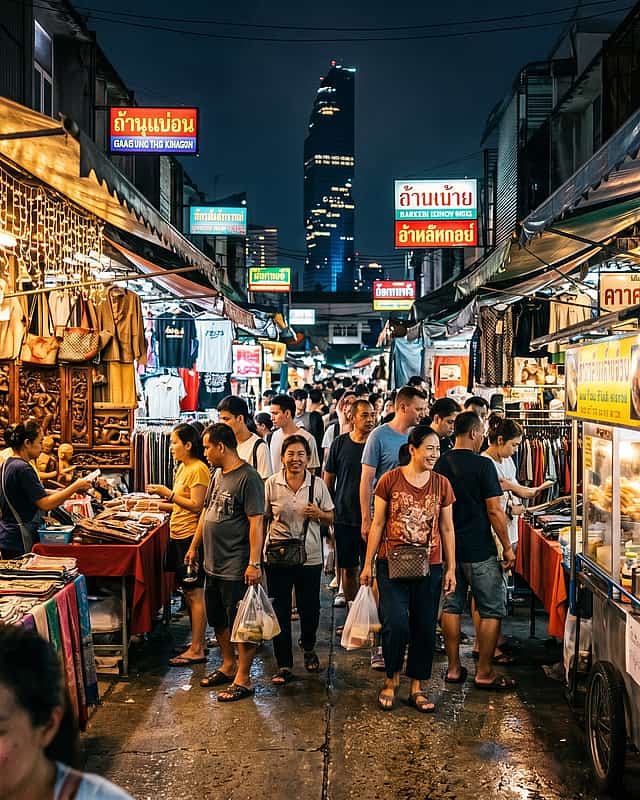
Shopping in Vietnam means markets and craft streets rather than malls. Hanoi's Old Quarter was arranged by trade, and the street names still show it: Hang Bac is the silver street, and Dong Xuan is a covered market at the northern end of the quarter. A ceramics village, Bat Trang, sits at the edge of the city. Hoi An is the place for tailors and lanterns. In Saigon the two markets are Ben Thanh in District 1 and Binh Tay in Cholon, the Chinese quarter. Near Da Nang, a village of stone-carving workshops sits at the foot of the Marble Mountains.
Shopping is rarely a tour of its own here; it is an afternoon inside a longer day. The one dedicated format is a private walk in Hoi An, about two and a half hours, mixing shopping, food tastings and a massage stop. In Saigon, a full-day city tour puts the French colonial centre in the morning and Binh Tay Market in the afternoon, with lunch included and a possible stop at a souvenir shop. From Da Nang, a day to My Son and Hoi An leaves free time in the old town. A half-day Saigon tour of the pink church, the temples and the mosque stays out of shops.
Practical. Markets expect bargaining; shops with price tags do not. Cards work in shops and at tailors; stalls want cash, in small dong notes. In Hanoi the night market runs Friday to Sunday evenings. At Tet, the Lunar New Year in late January or February, markets and many shops close for days, so shop before it. Saigon is hot from December to April, 32 to 35C, which is why markets are best before noon. The Hoi An walk is free to cancel until the day before; on the Saigon and Da Nang tours the terms are set by the operator, so read them before paying.
Shopping in nearby cities
Discover other Shopping
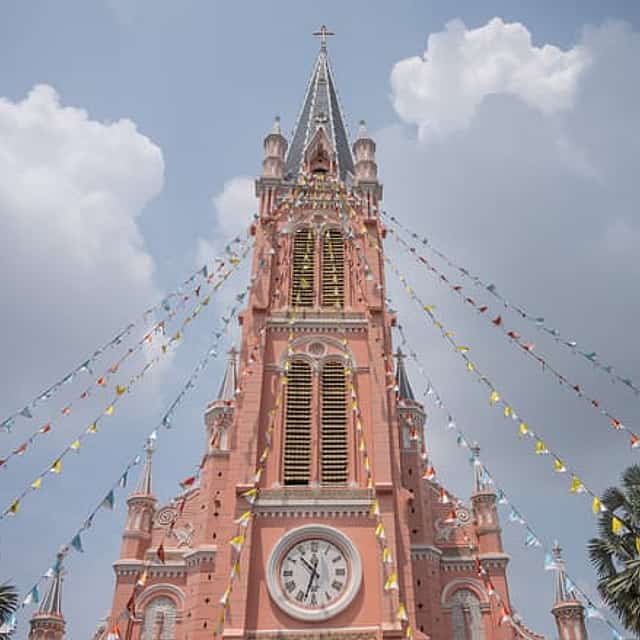
Ho Chi Minh City, Vietnam
Saigon in Color: Pink Church, Sacred Temples & Mosque
3 hours
31 views recently
From€18.98/ person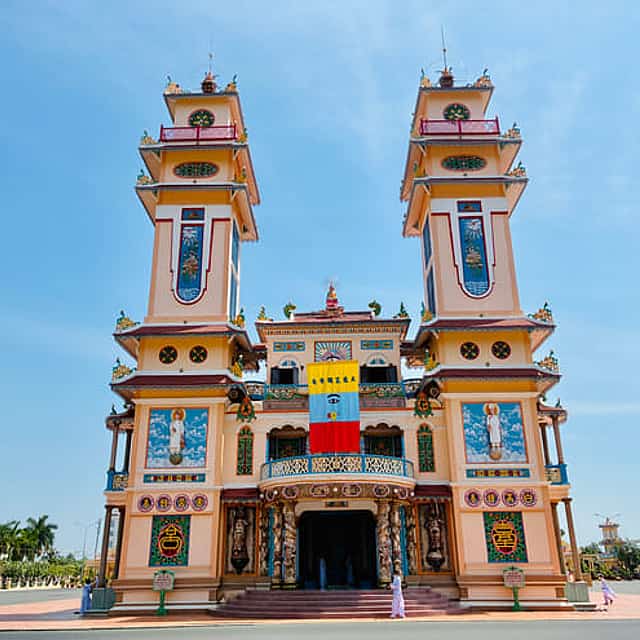
Vietnam
Cu Chi Tunnel - Cao Dai Temple - Moc Bai Border (Multilingual Tour Guide)
8 hours
33 views recently
From€57.84/ person
Hoi An, Vietnam
From Da Nang: My Son Sanctuary & Hoi An Full Day Tour (Lunch & Dinner included)
12 hours
35 views recently
From€80.44/ person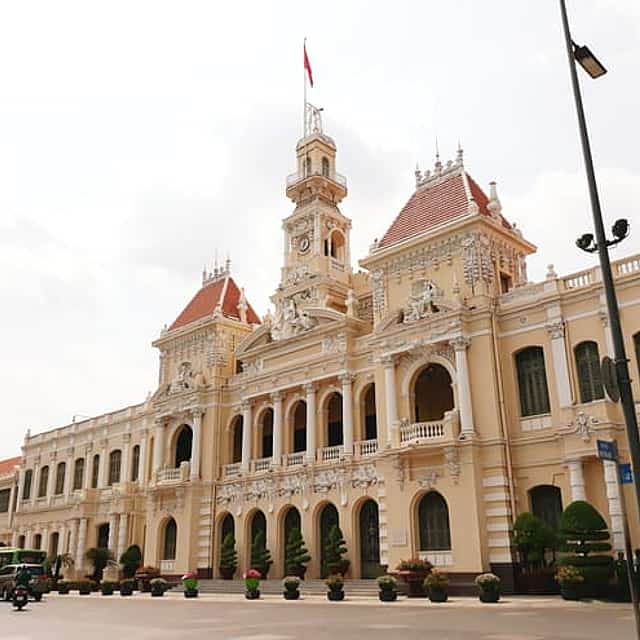
Ho Chi Minh City, Vietnam
Full-Day Ho Chi Minh City Tour: Discover the Heart of the City
8 hours
30 views recently
From€48.81/ personCan’t find the right experience?
Tell us what you are planning and local hosts will send options tailored to your dates, group and budget.