Hersonissos, Greece
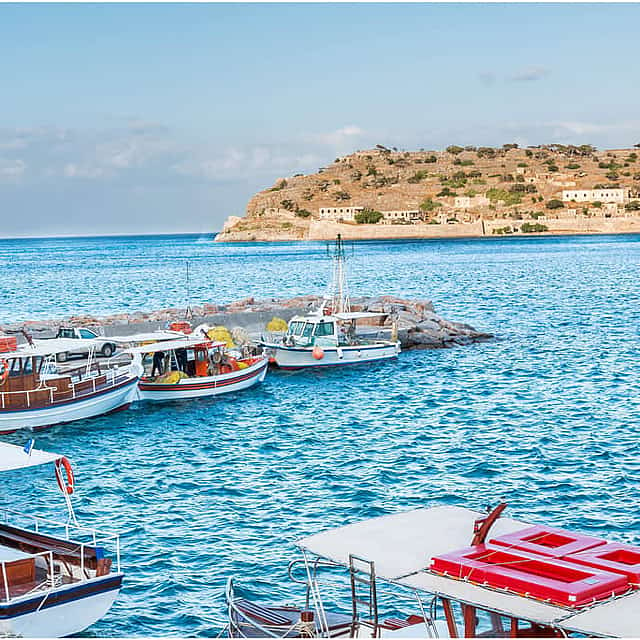
Agios Nikolaos and Spinalonga Island Cruise
9 hours
21 views recently
From€55.00/ person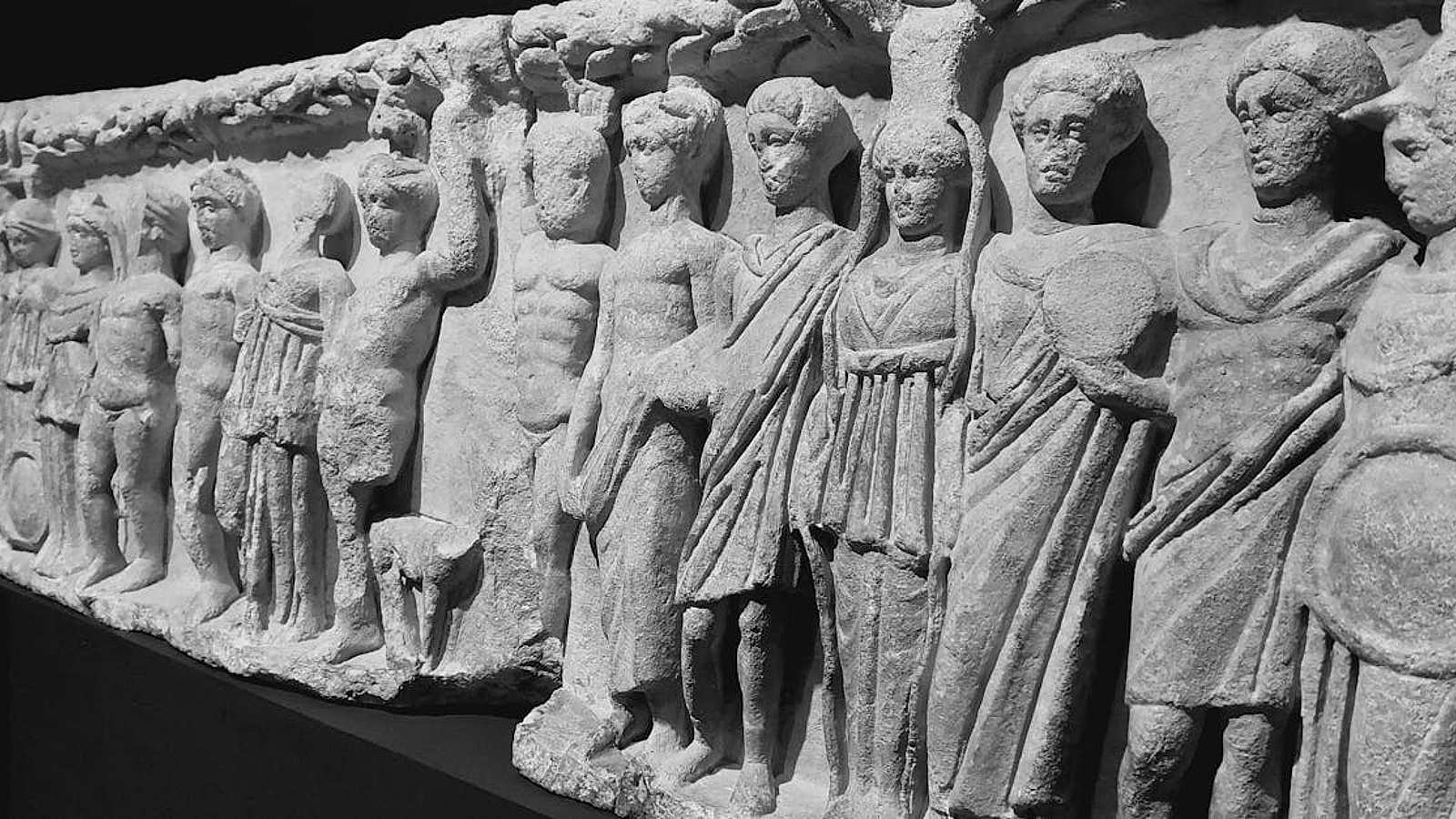
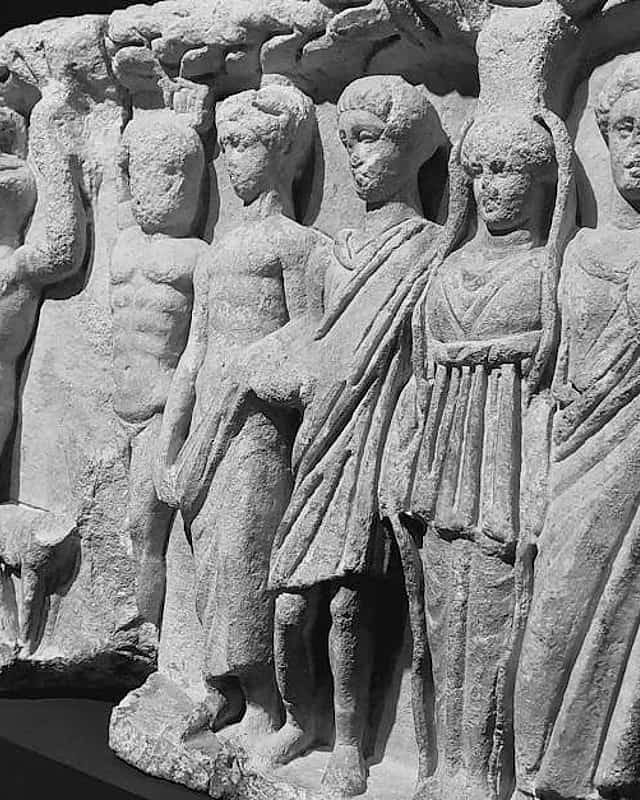
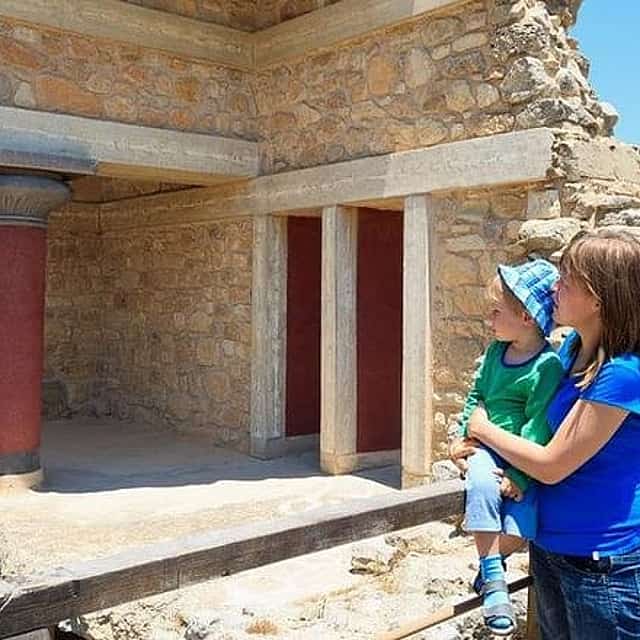
Art and culture in Crete has an unusually long memory. The Minoans were painting frescoes here around 1600 BC — the bull-leapers, the dolphins, the blue monkeys — and the originals hang in the Heraklion Archaeological Museum a few kilometres from where they were found. Nothing else in Europe goes back that far with pictures still attached, and seeing the museum before Knossos rather than after changes how the site reads.
The second layer is Byzantine and Venetian. El Greco was born near Fodele in 1541 and trained as an icon painter here before Toledo; the Historical Museum in Heraklion holds two of his early panels. Rethymno and Chania kept whole Venetian quarters, and in the mountain villages the small painted churches — Panagia Kera at Kritsa is the best — carry fourteenth-century frescoes on walls a metre thick.
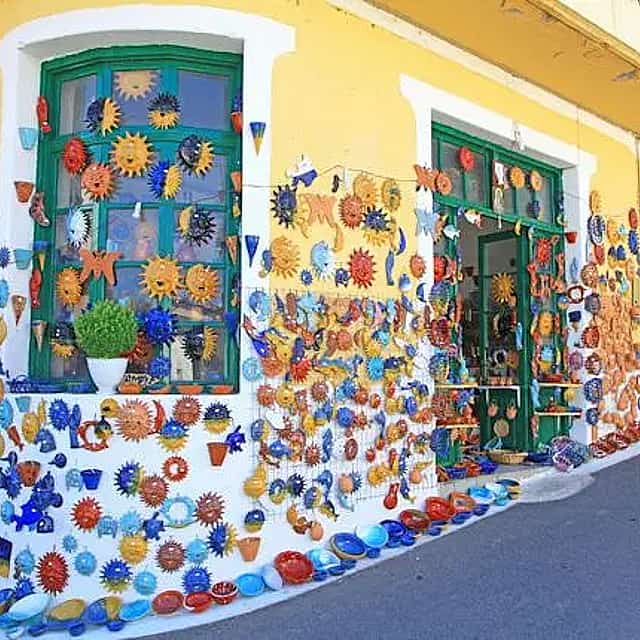
The living part is music and food. The Cretan lyra is a three-string bowed instrument played upright on the knee, and at a proper village kentro it goes with mantinades, rhyming couplets improvised on the spot, often at someone's expense. Cooking classes in Crete usually start at a garden or a cheese maker rather than a kitchen; the diet here was the one the 1960s Seven Countries Study measured, and the cooks know it. Cultural tours in Crete pair a village, a workshop and a table — the table is not the filler, it is the point.
Hersonissos, Greece
9 hours
21 views recently
From€55.00/ person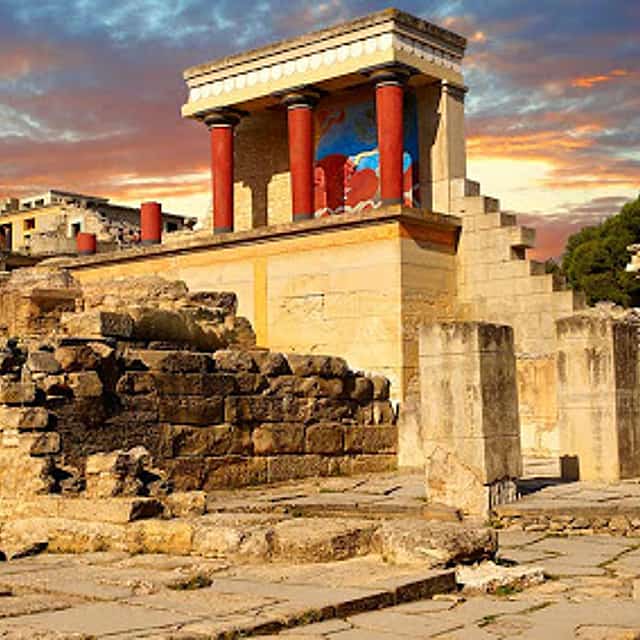
Heraklion, Greece
6 hours
19 views recently
From€38.00/ person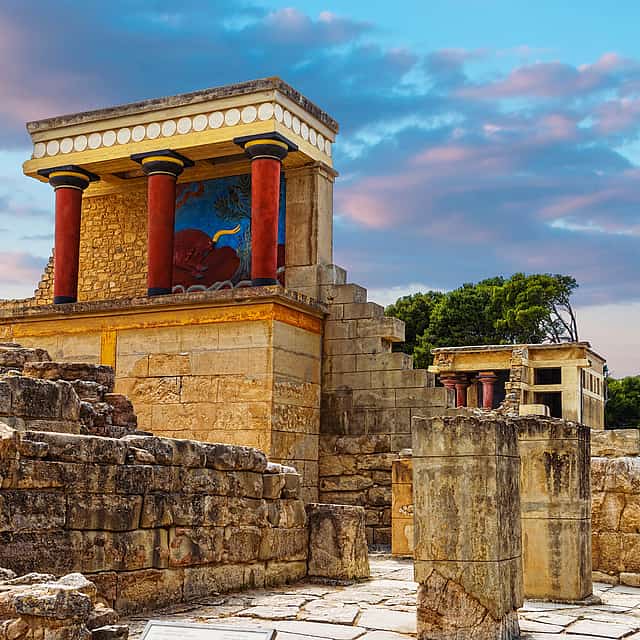 Request only
Palace of Knossos, Heraklion, Crete, Greece
5h 30m
15 views recently
From€220.00/ person
Chania, Greece
7 hours
16 views recently
From€420.00/ person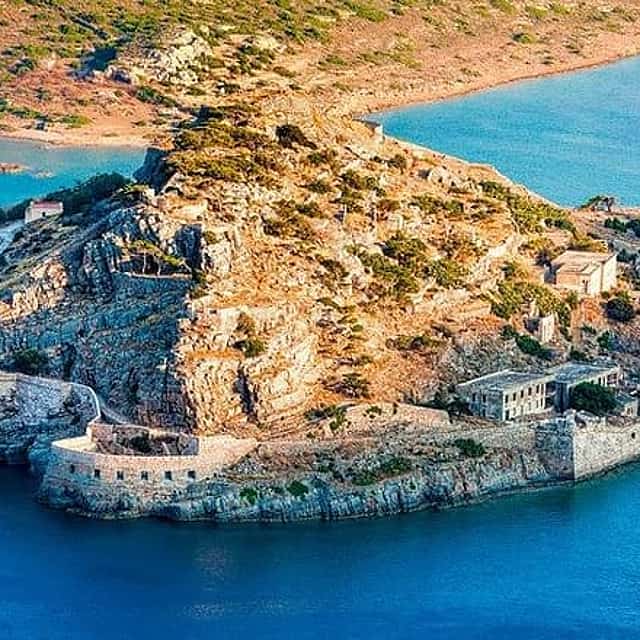
Iraklio, Greece
10 hours
23 views recently
From€50.00/ person
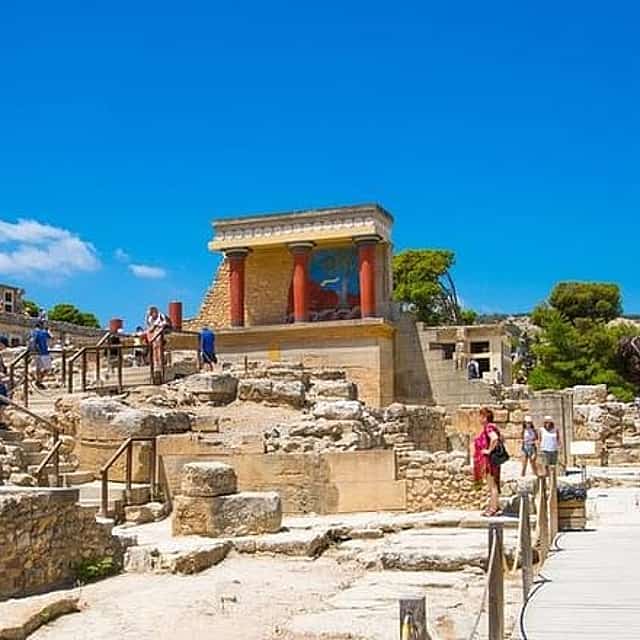
Rethymno, Greece
9 hours
20 views recently
From€39.50/ person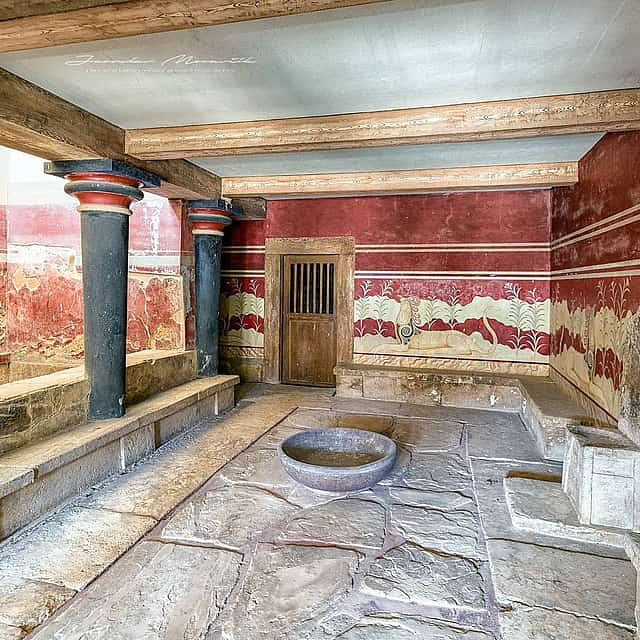
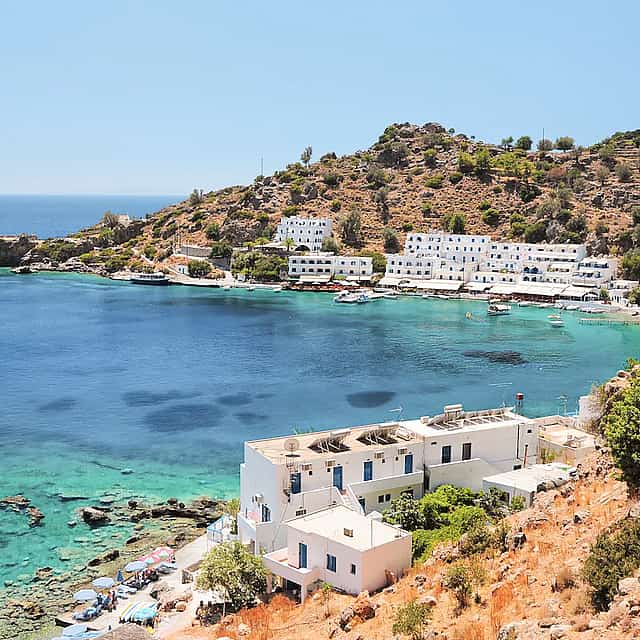
Heraklion, Greece
8 hours
19 views recently
From€30.00/ person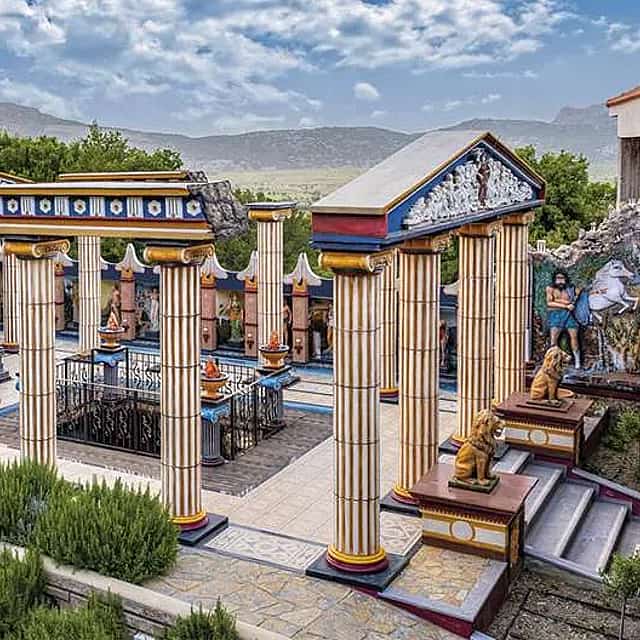
Heraklion, Greece
10 hours
From€45.00/ person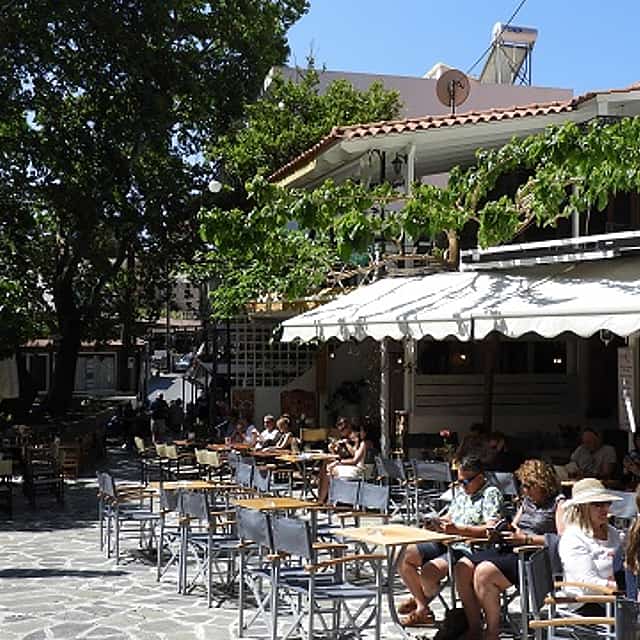
Rethymno, Greece
9 hours
10 views recently
From€37.00/ person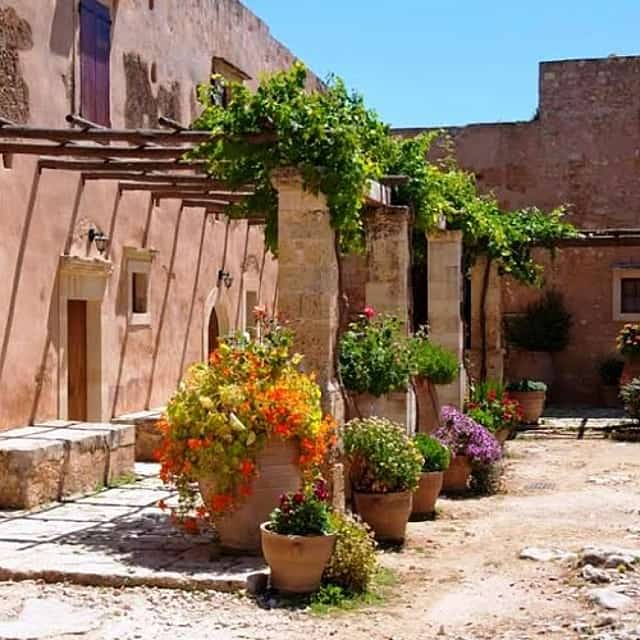
Rethymno, Greece
7h 30m
From€25.00/ person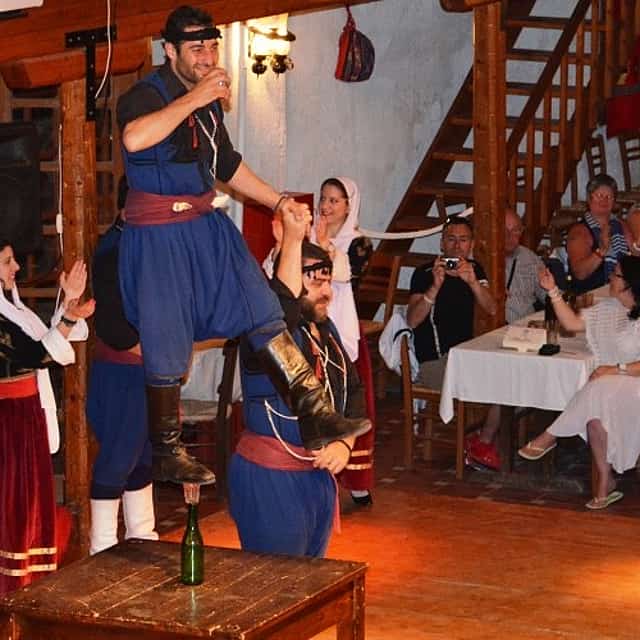
Rethymno, Greece
10 hours
20 views recently
From€29.00/ person
Chania, Greece
7 hours
20 views recently
From€400.00/ person
Rethymno, Greece
4 hours
20 views recently
From€79.00/ person
Rethymno, Greece
6 hours
19 views recently
From€95.00/ person Request only
Heraklion, Greece
31h 30m
20 views recently
From€90.00/ person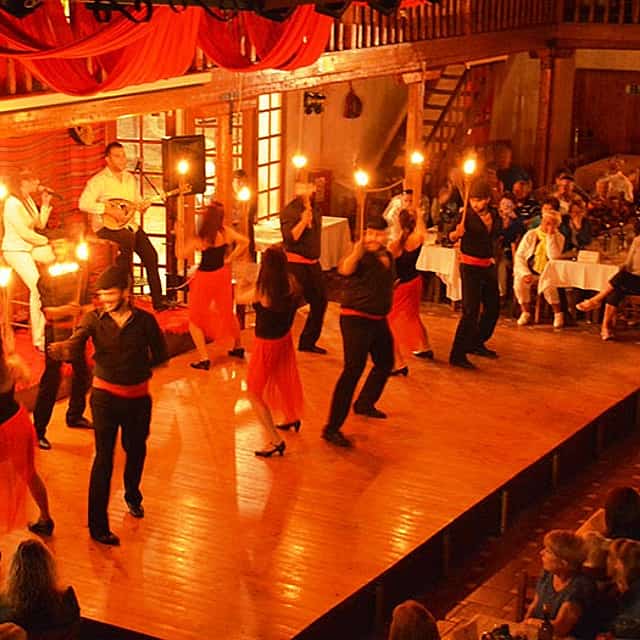 Request only
Heraklion, Greece
6 hours
16 views recently
From€42.00/ personTell us what you are planning and local hosts will send options tailored to your dates, group and budget.