The Top Art And Culture in Cyprus 2026: GetExperience
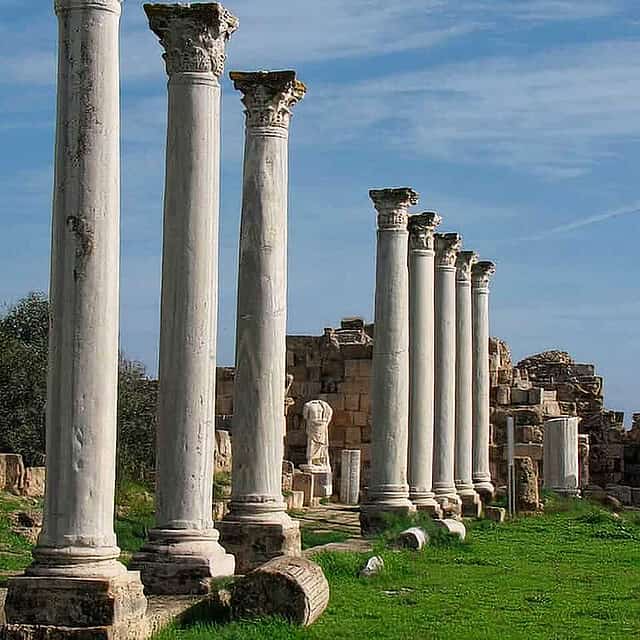
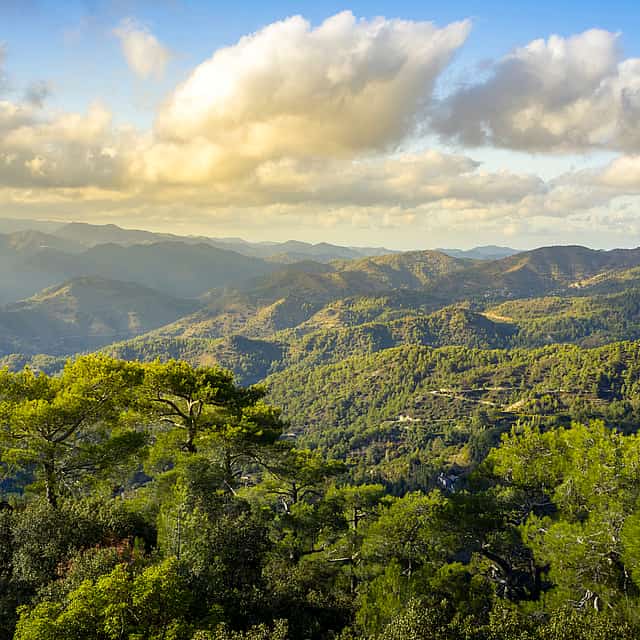
The cultural routes of Cyprus run in three directions, and that is a matter of the island's history rather than of taste. The first is antiquity: Kourion with its mosaic floors and a theatre above the cliff, Salamis near Famagusta, and Kolossi castle left by the Knights Hospitaller. The second is Byzantine: the painted mountain churches of Troodos under UNESCO protection and the Kykkos monastery with its golden mosaics. The third is the dividing line of 1974.
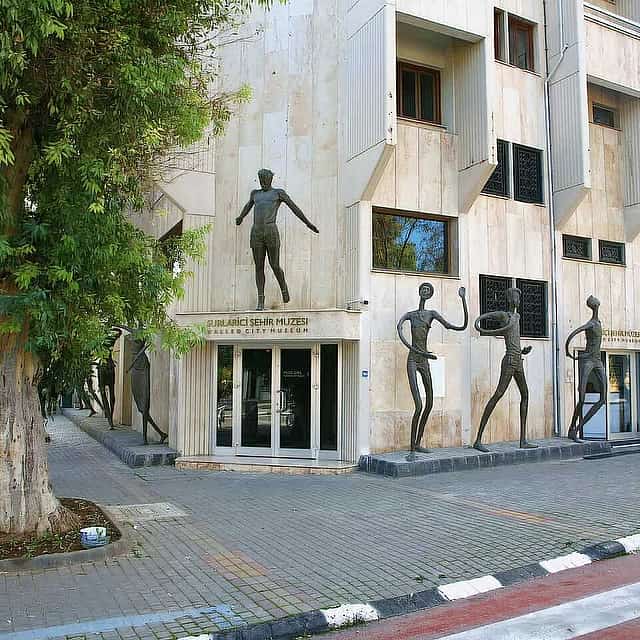
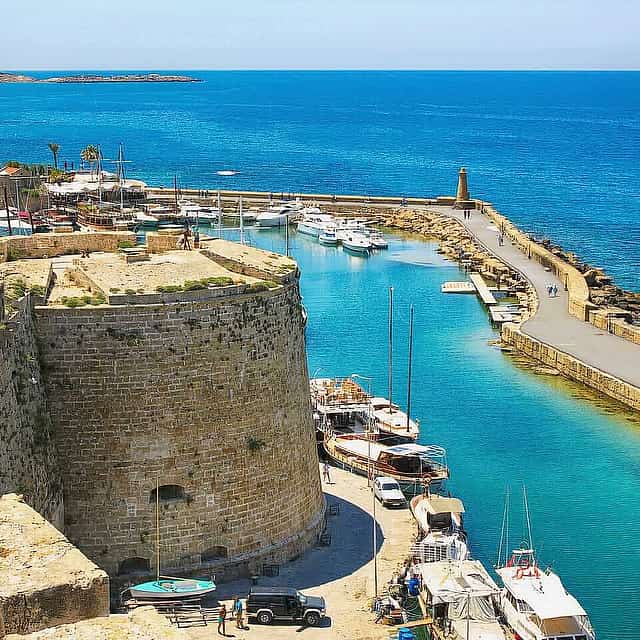
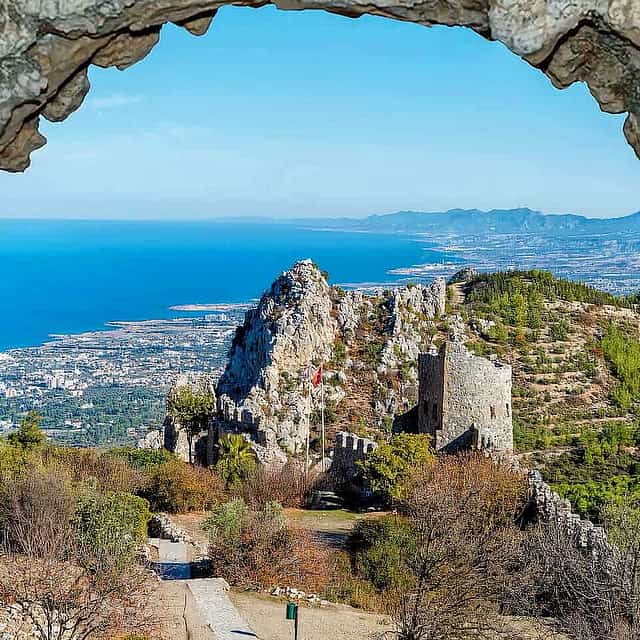
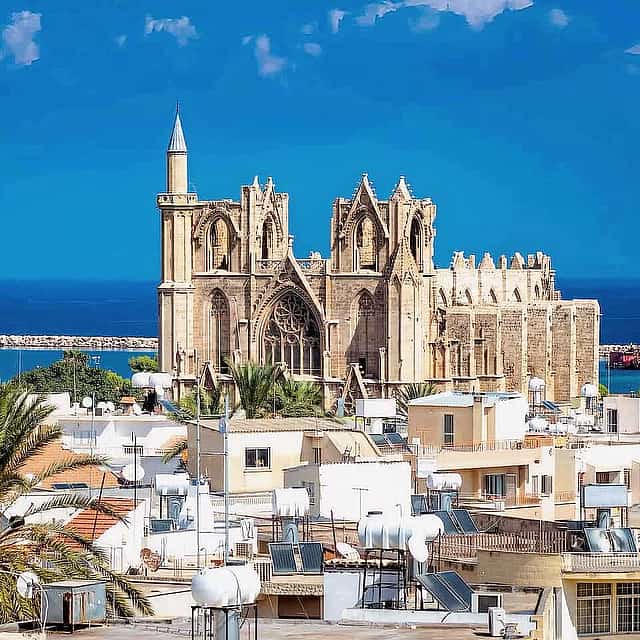
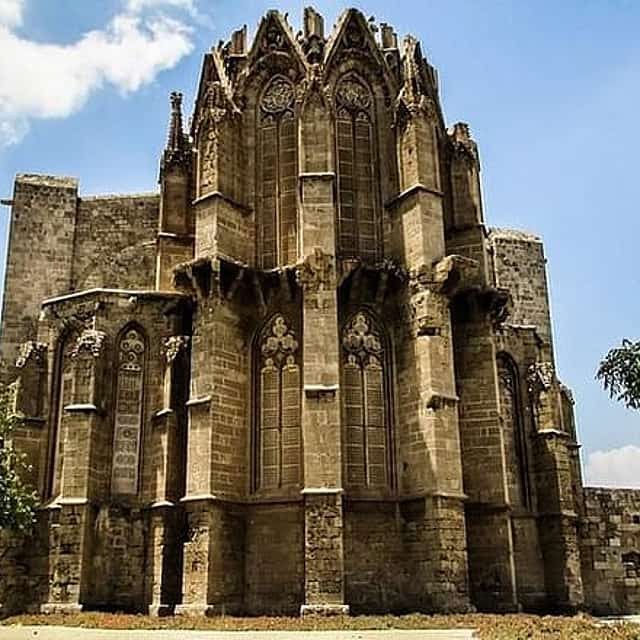
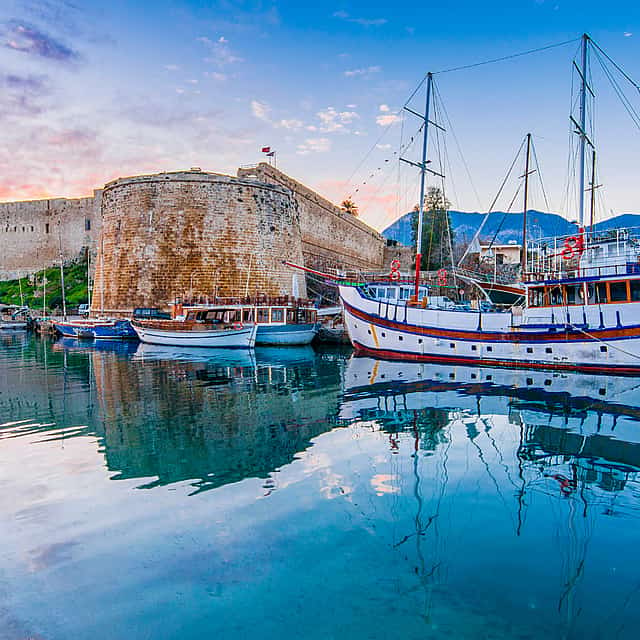
Nicosia remains the last divided capital in Europe, and tours here are arranged so that you cross from south to north on foot through the checkpoint on Ledra Street. In the north the programmes lead to Kyrenia with its round Venetian harbour, to the castle of Saint Hilarion on its crag, to the Gothic abbey of Bellapais and to Famagusta, beside which stands Varosha, a quarter sealed off since seventy-four — an empty resort no one entered for decades.
Practical notes. A passport is needed to cross to the north, insurance on a car hired in the south usually does not apply there, so such routes are almost always taken with a driver. Monasteries and churches enforce a dress code: shoulders and knees covered, with wraps sometimes handed out at the entrance. The mosaics of Kourion stand in the open — midday in summer is hard there, and morning is better.