






Bali, Indonesia
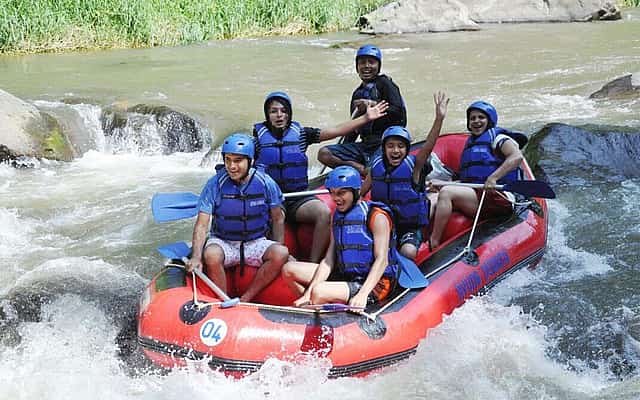
Bali: Exclusive Combo Thrilling Adventure of UTV/BUGGY + River Rafting + Swing Experience
6 hours
From€116.96/ person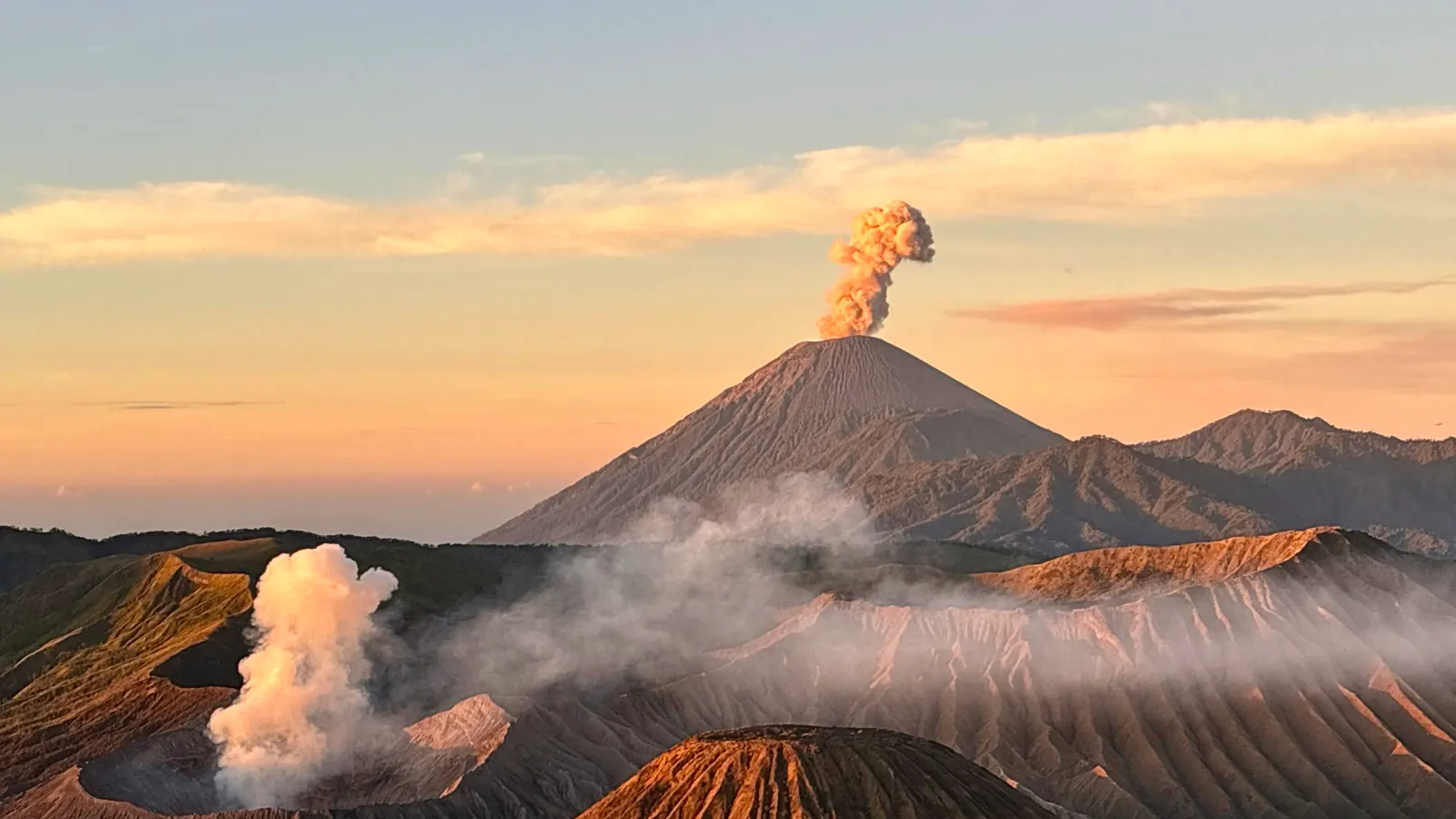
Country guide
Indonesia is seventeen thousand islands spread across three time zones. No visitor sees more than a corner of it. In practice the country divides into a handful of trips that have little to do with each other.
What visitors actually do is shaped by that geography.
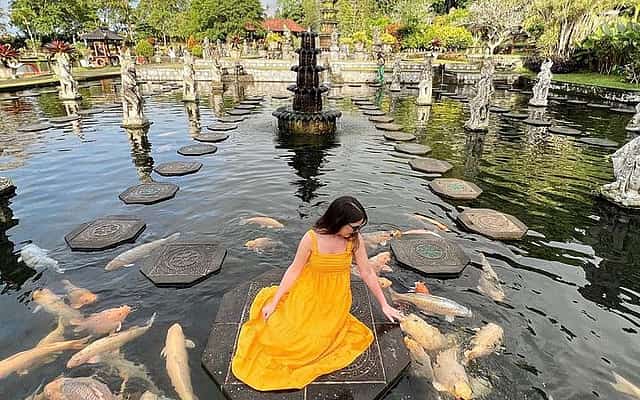
One line there is not a tourist activity. The purification ceremonies at the water temples are a living religious practice rather than a show. Across all the islands the money goes further than almost anywhere else in Asia. A private driver for a full day costs less than a taxi across a European capital.
Bali, Indonesia
6 hours
From€116.96/ person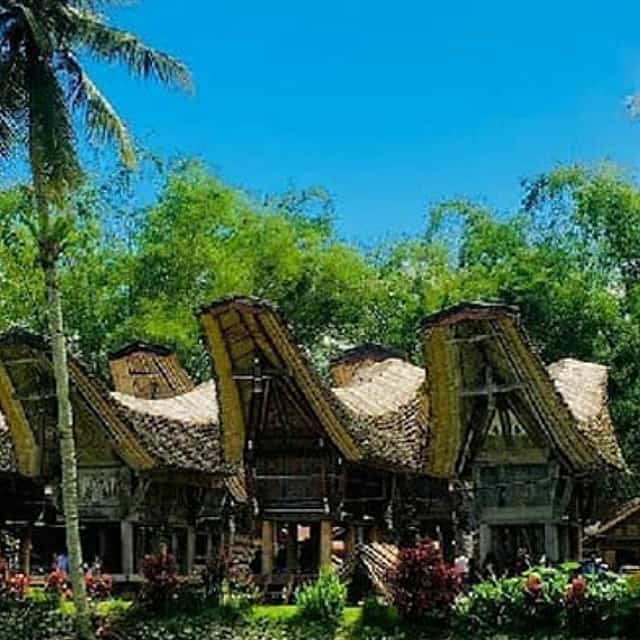
Indonesia
3 days
From€286.18/ person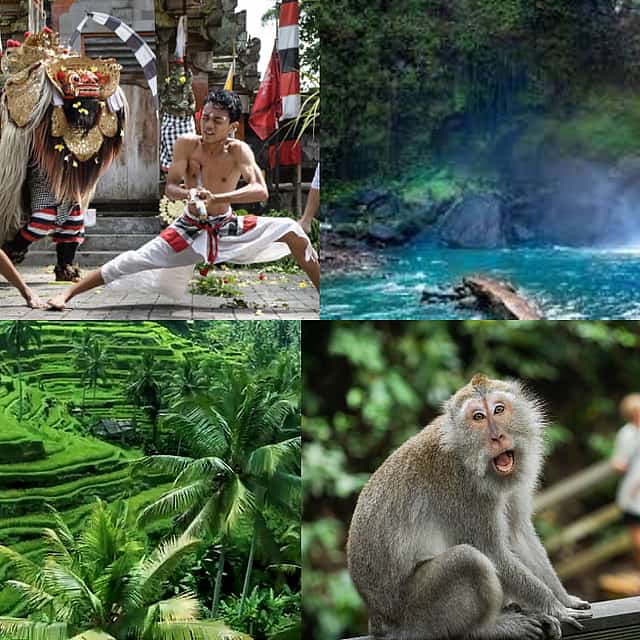
Bali, Indonesia
10 hours
From€22.40/ person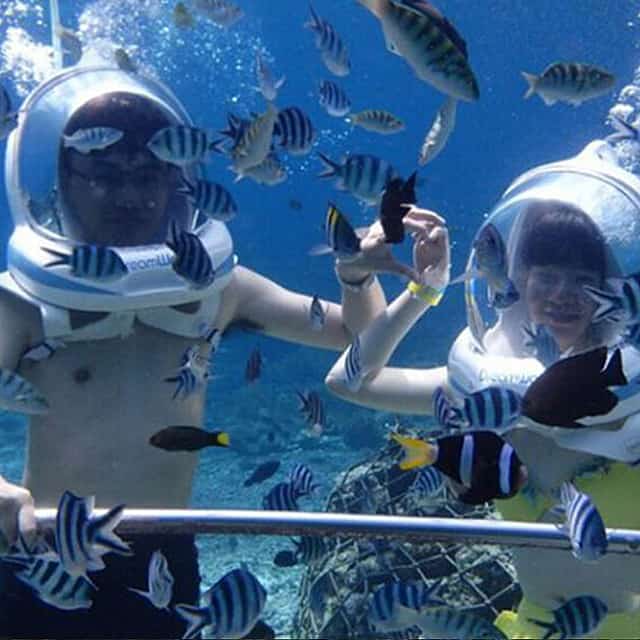
Bali, Indonesia
1h 20m
From€111.98/ person
Bali, Indonesia
6 hours
From€107.01/ person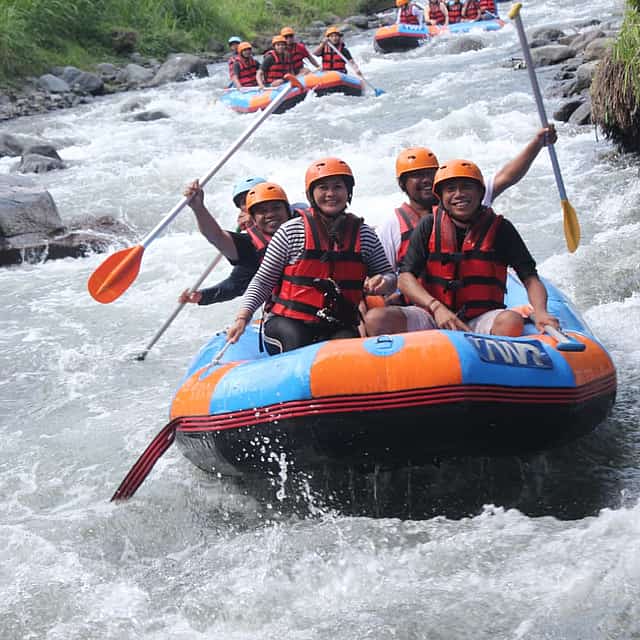

Bali, Indonesia
1 hour
From€37.33/ person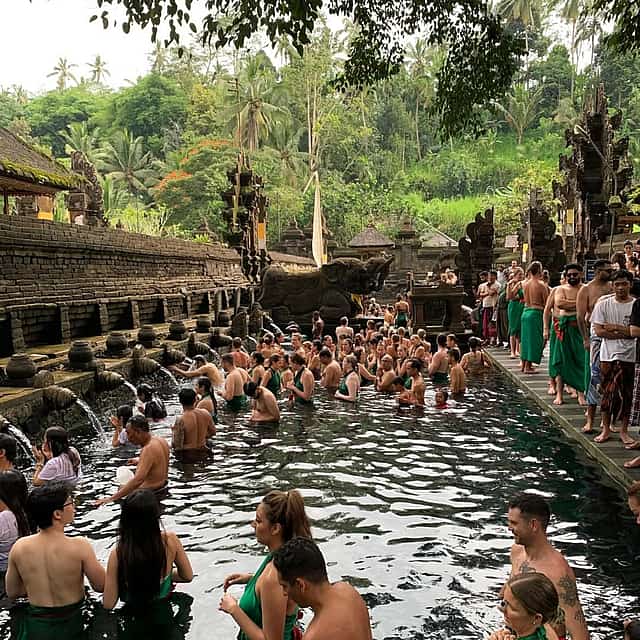
Bali, Indonesia
8 hours
From€44.30/ person
Bali, Indonesia
10 hours
From€43.80/ person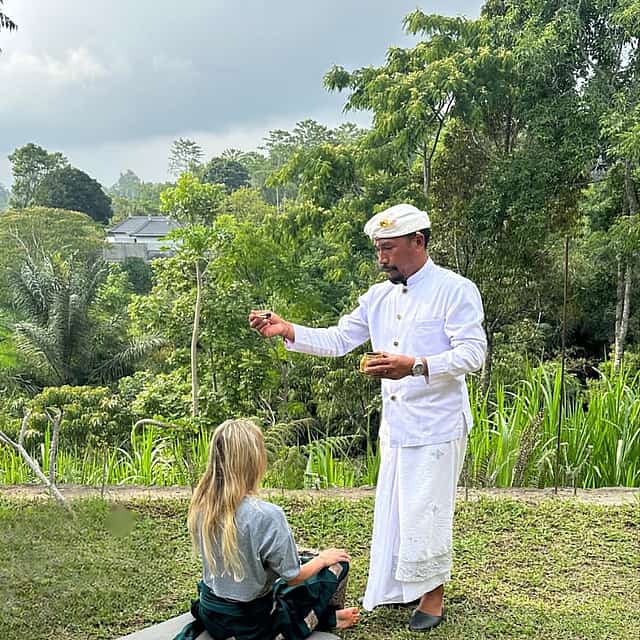
Bali, Indonesia
8 hours
From€97.05/ person
Bali, Indonesia
10 hours
From€59.72/ person
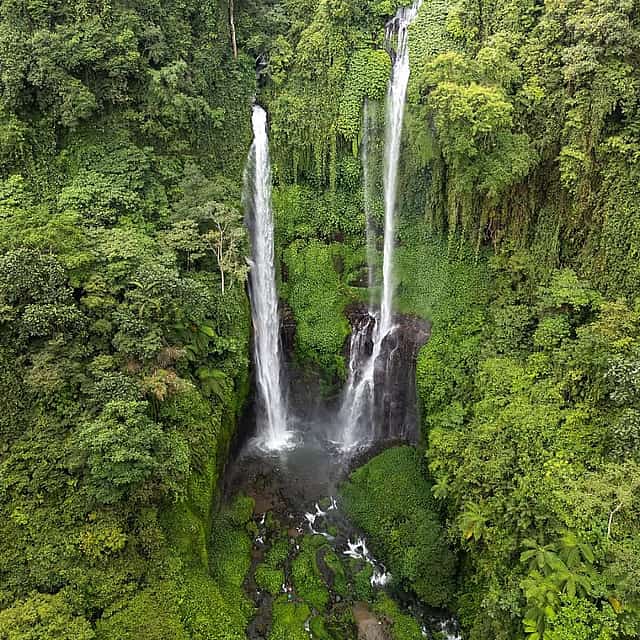
Bali, Indonesia
8 hours
12 views recently
From€67.19/ person

Bali, Indonesia
2 hours
From€62.21/ person
Bali, Indonesia
10 hours
10 views recently
From€54.75/ person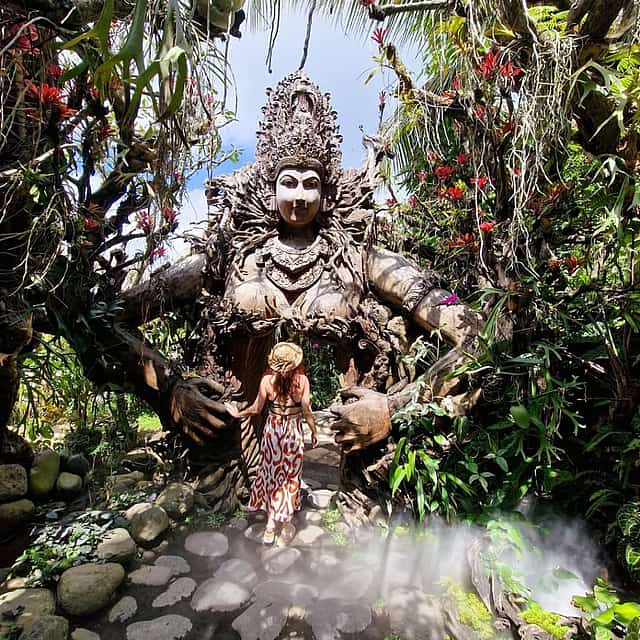
Bali, Indonesia
10 hours
10 views recently
From€29.86/ person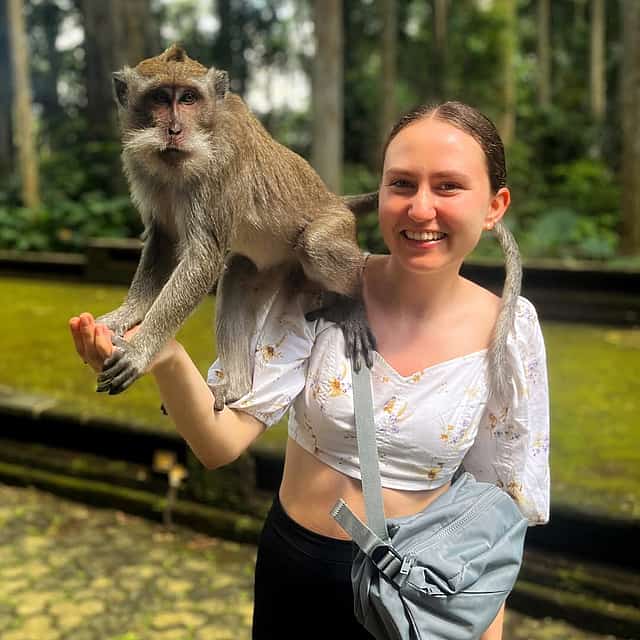

Bali, Indonesia
10 hours
From€37.33/ person

Bali, Indonesia
7 hours
From€62.21/ person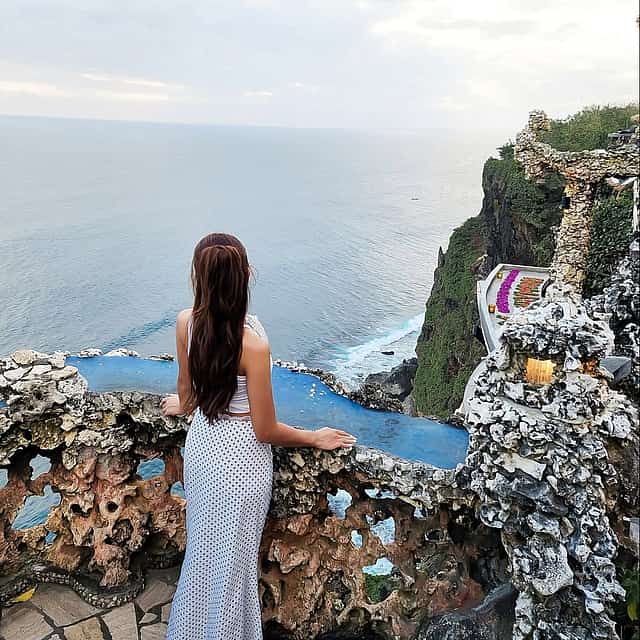
Bali, Indonesia
6 hours
From€29.86/ person
Ubud, Indonesia
2 hours
From€29.86/ personTell us what you are planning and local hosts will send options tailored to your dates, group and budget.