Tarragona, Spain
Tarragona Scavenger Hunt & Highlights Self-Guided Walking Tour
2 hours
25 views recently
From€4.50/ person
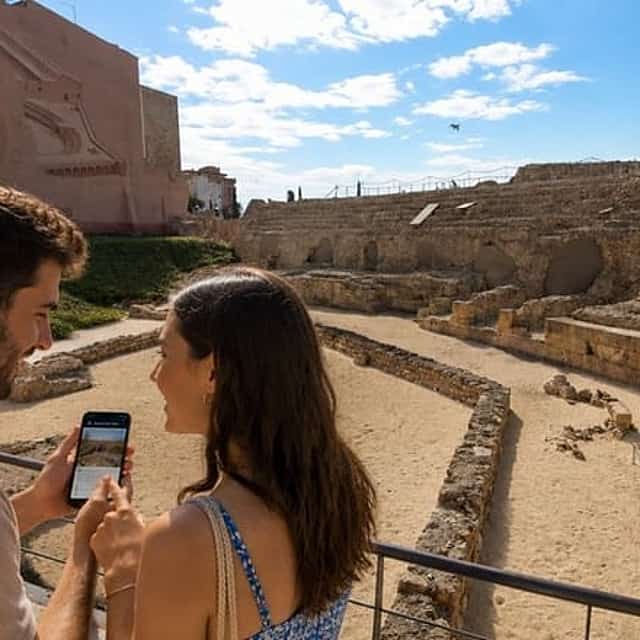
Tarragona was Tarraco two thousand years ago, capital of Roman Spain, and the city never fully built over what came before. Roman walls cut straight through the medieval streets of the old town. The amphitheatre still faces the sea.
The Part Alta sits on the hill. Two thousand years of building show here, one layer stacked on the next. The amphitheatre held up to 15,000 people for gladiator fights, and a church rose inside the ring centuries later.
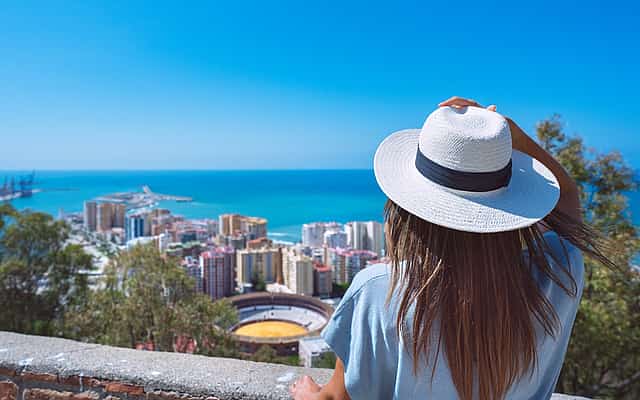
Rambla Nova runs straight down to the water. Modernista buildings line much of the avenue, more ornate than the streets around it. It ends at the Balcó del Mediterrani, a railed viewpoint over the amphitheatre and the sea.
A Roman aqueduct rises just outside the city, arches stacked two levels high over a valley. It's known as the Devil's Bridge. Reus, about fifteen minutes off by train, is Gaudí's birthplace and calls itself the capital of vermouth.
Tarragona, Spain
2 hours
25 views recently
From€4.50/ person
Tarragona, Spain
9 hours
22 views recently
From€285.00/ person
Tarragona, Spain
9 hours
27 views recently
From€800.00/ person
Tarragona, Spain
3h 30m
17 views recently
From€436.00/ person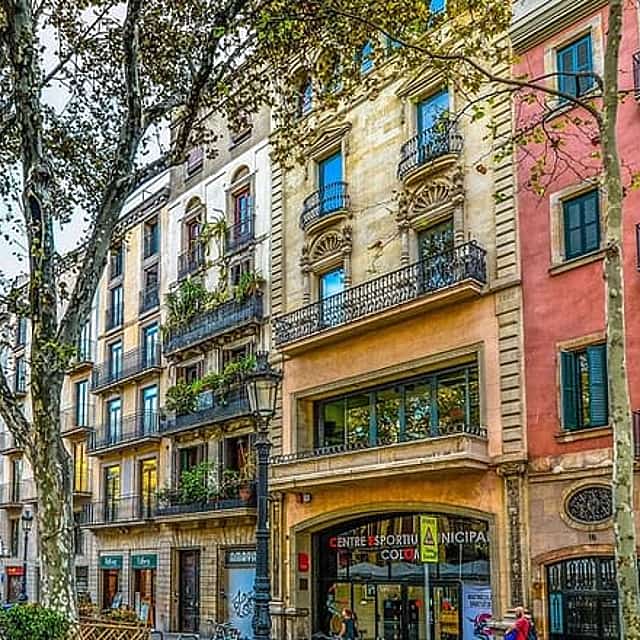
Tarragona, Spain
1h 30m
16 views recently
From€370.00/ person
Tarragona, Spain
2 hours
22 views recently
From€5.00/ personTell us what you are planning and local hosts will send options tailored to your dates, group and budget.