

Seville, Spain
Hidden Gems of Seville: City Centre Walking Tour
1h 30m
21 views recently
From€20.00/ person
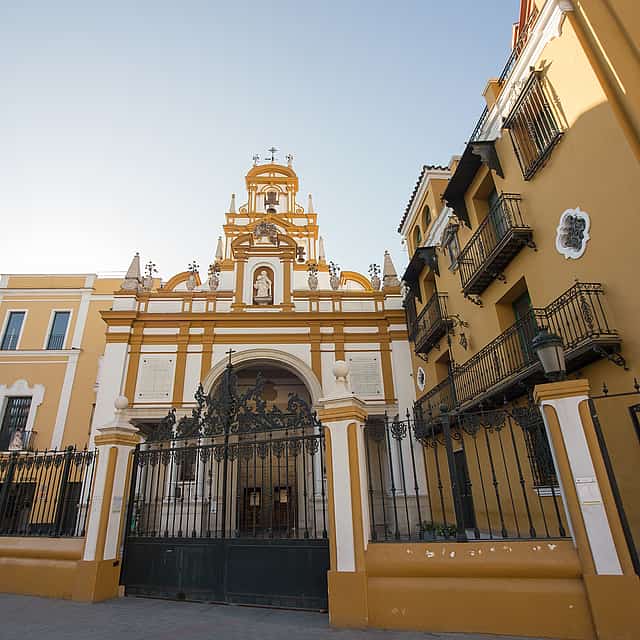
Seville is 80 kilometres from the sea and still built its wealth on ships. Everything arriving from the Americas was registered here for two centuries. That money paid for what you walk through now.
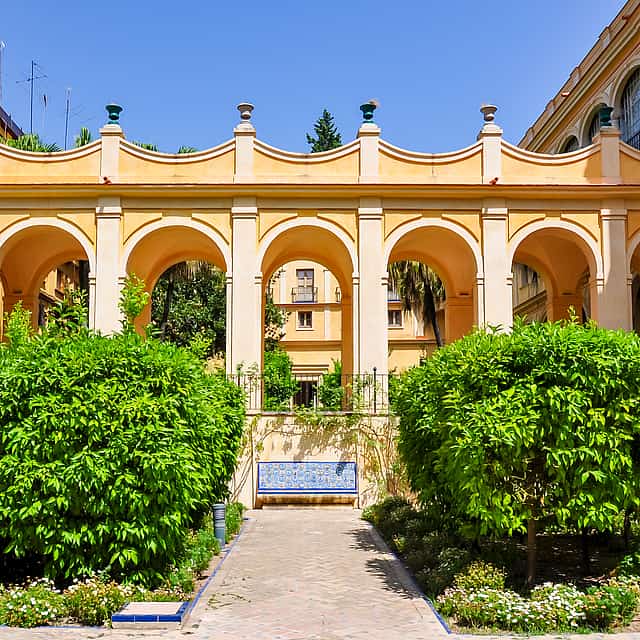
The cathedral, the royal palace and the trade archive stand in one block, and all three carry UNESCO listing. You can see the outside of them in an hour. Inside is another day.
Triana sits on the far bank and thinks of itself as separate. It made the tiles that cover half the city. Food tours start at its market, built over an old castle.
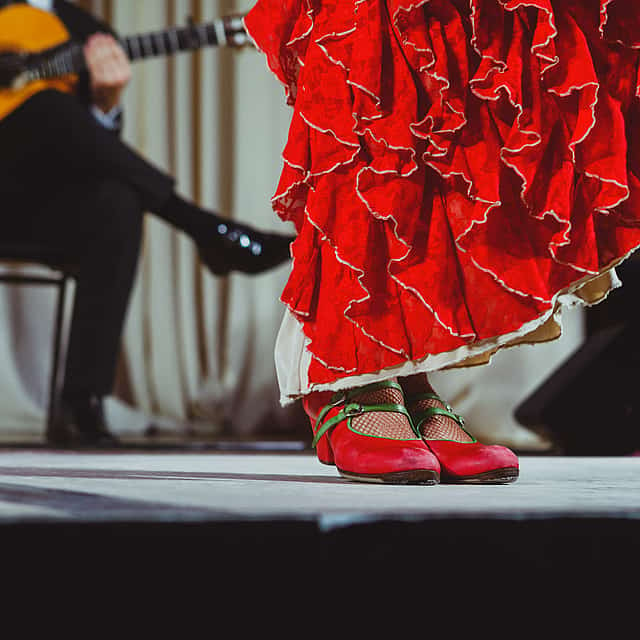
Flamenco here comes in two forms, and they are not the same evening. A tablao is a show with a ticket. A peña is a members' club where things begin late and nobody explains anything.
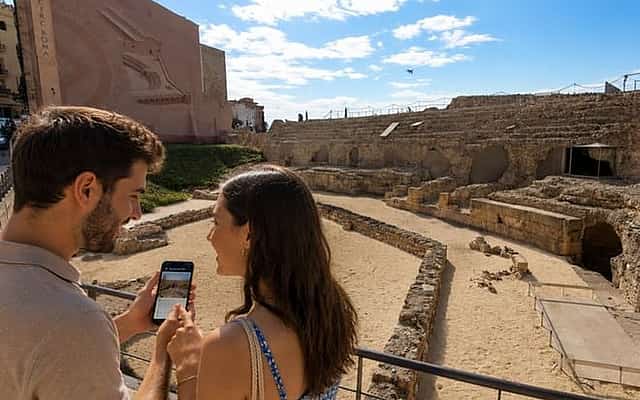
Itálica lies nine kilometres north, founded in 206 BC and the home town of the emperor Trajan. Its amphitheatre held 25,000. Television used it as the dragon pit and the Alcázar as Dorne, which brings its own visitors.
Seville, Spain
1h 30m
21 views recently
From€20.00/ person

Seville, Spain
10 hours
26 views recently
From€899.00/ person
Seville, Spain
10 hours
24 views recently
From€899.00/ person
Seville, Spain
10 hours
25 views recently
From€899.00/ person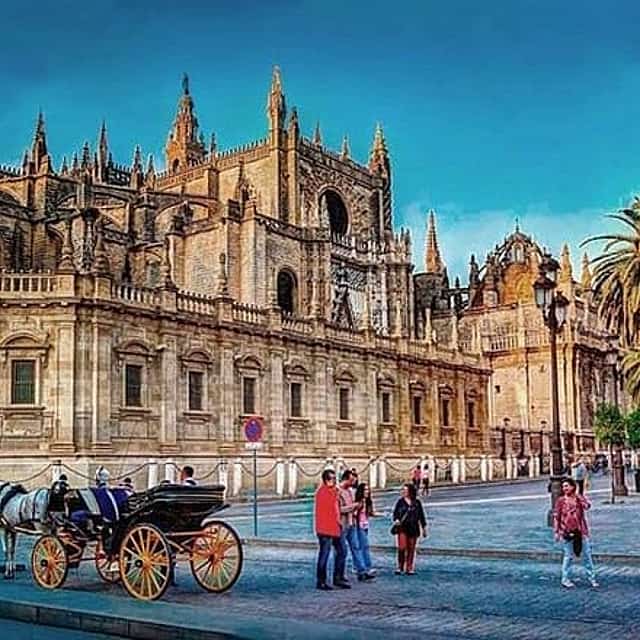
Seville, Spain
5 hours
19 views recently
From€599.00/ person
Seville, Spain
2 days
31 views recently
From€325.00/ person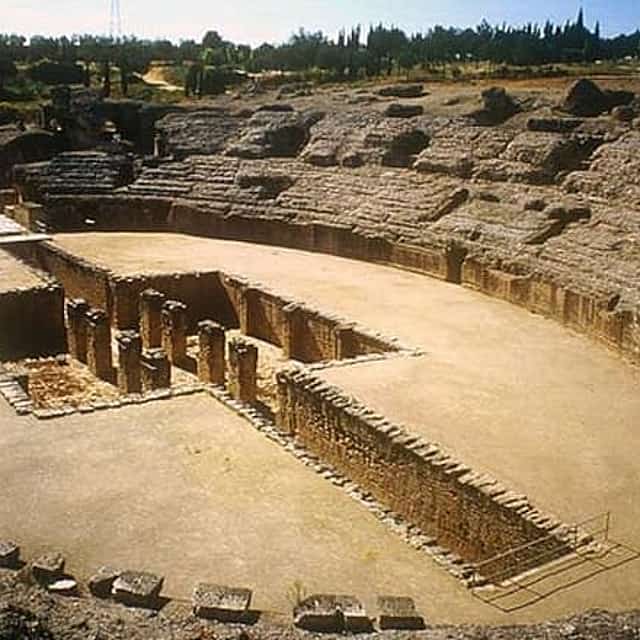
Seville, Spain
2 days
22 views recently
From€325.00/ person

Seville, Spain
2 hours
29 views recently
From€15.90/ person
Seville, Spain
2 hours
27 views recently
From€15.90/ person
Seville, Spain
2 hours
14 views recently
From€5.00/ person
Seville, Spain
6h 30m
14 views recently
From€710.00/ person
Seville, Spain
8 hours
19 views recently
From€119.00/ person
Seville, Spain
1h 20m
21 views recently
From€9.02/ person

Seville, Spain
5h 30m
15 views recently
From€249.00/ person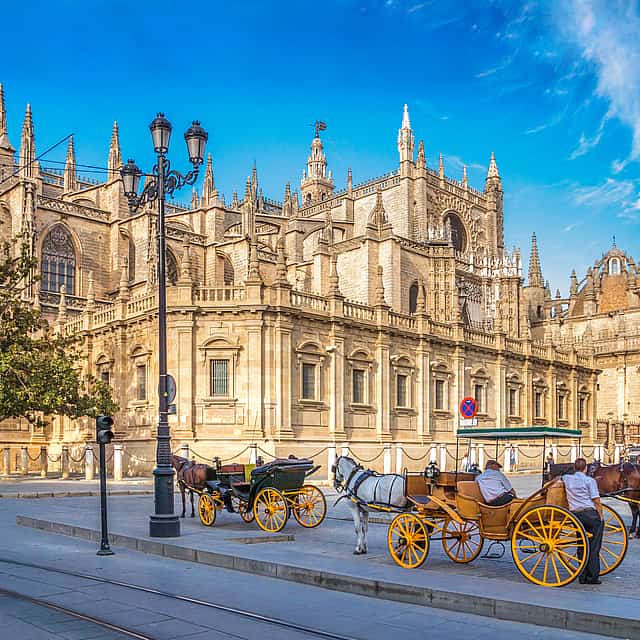
Seville, Spain
1h 30m
14 views recently
From€114.00/ person
Tell us what you are planning and local hosts will send options tailored to your dates, group and budget.