



Bazaars and Shopping Tours in Turkey 2026: GetExperience
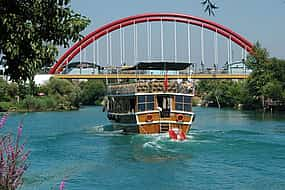
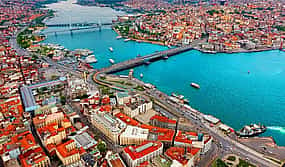
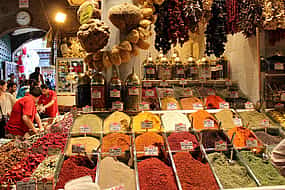
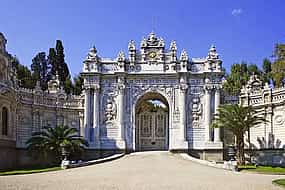
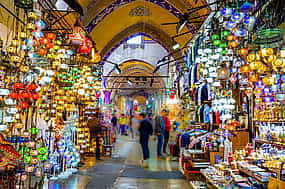
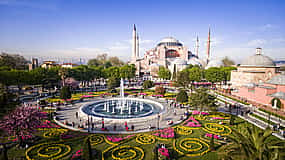
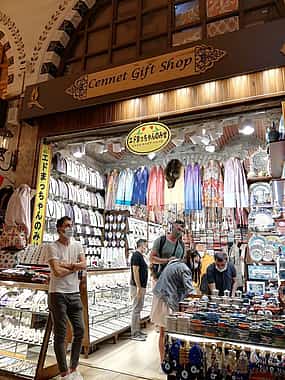
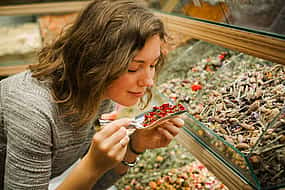
Shopping in Turkey is rarely sold as a line of its own — the bazaar is usually built into a route. The Egyptian spice market in Istanbul is taken together with the Dolmabahçe palace as a half day, or with a morning Bosphorus cruise: water first, then stalls of spices, lokum and dried fruit. The Grand Bazaar turns up inside private old-town tours, where it follows Hagia Sophia and the Cistern. The Manavgat river tour works the same way: a waterfall, then the town bazaar, departing from Belek, Side and Alanya.
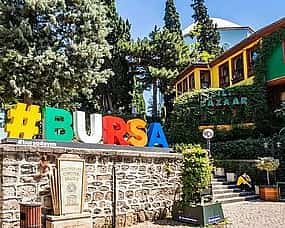
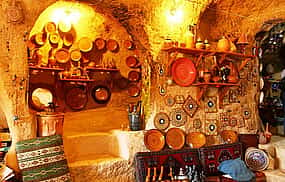
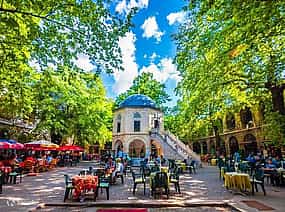
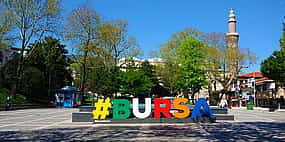
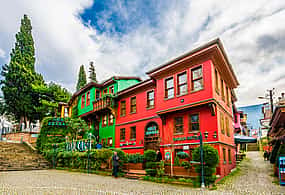
A separate matter is what you buy away from a bazaar. Cappadocia has a pottery workshop where you first watch the master work, then try it yourself and take the piece home. Bursa, reached by private tours from Istanbul, historically traded in silk, and its market is still about cloth rather than souvenirs. The Princes' Islands are visited for something else entirely — small shops instead of trading rows.
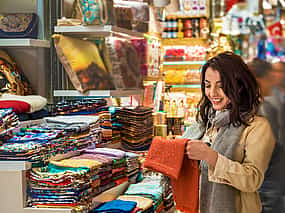
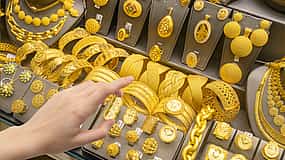
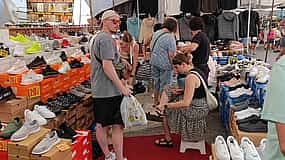
Practical notes. At the Grand Bazaar and the spice market haggling is expected and appropriate, and starting around half the quoted price is normal; in shops with price tags it is not. Carpets, leather and gold are sold with a certificate — ask for it at once, since without one export can be a problem. Large bazaars close on Sundays, the Grand Bazaar included. And mind the weight: Cappadocian ceramics travel badly in hand luggage, so arrange shipping at the workshop.

Popular Shopping
Discover Other Shopping



Shopping in nearby cities


