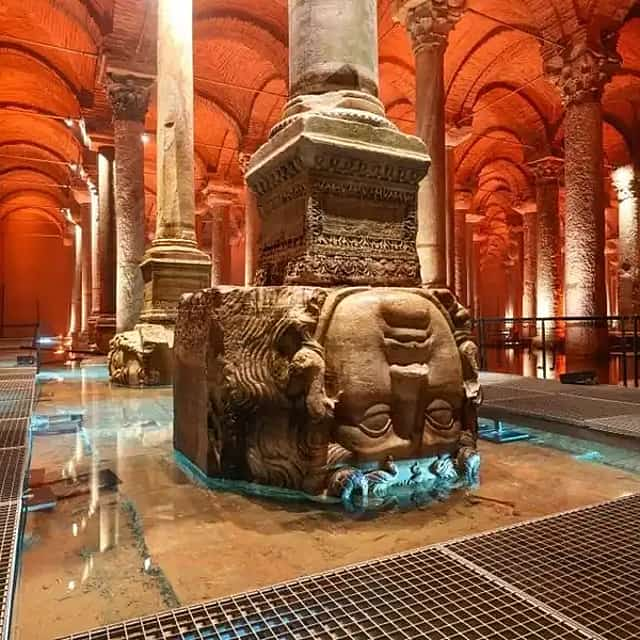
Basilica Cistern, Istanbul, Turkey
Skip-the-line Basilica Cistern Tour With Audio Guide
30 minutes
37 views recently
From€45.00/ person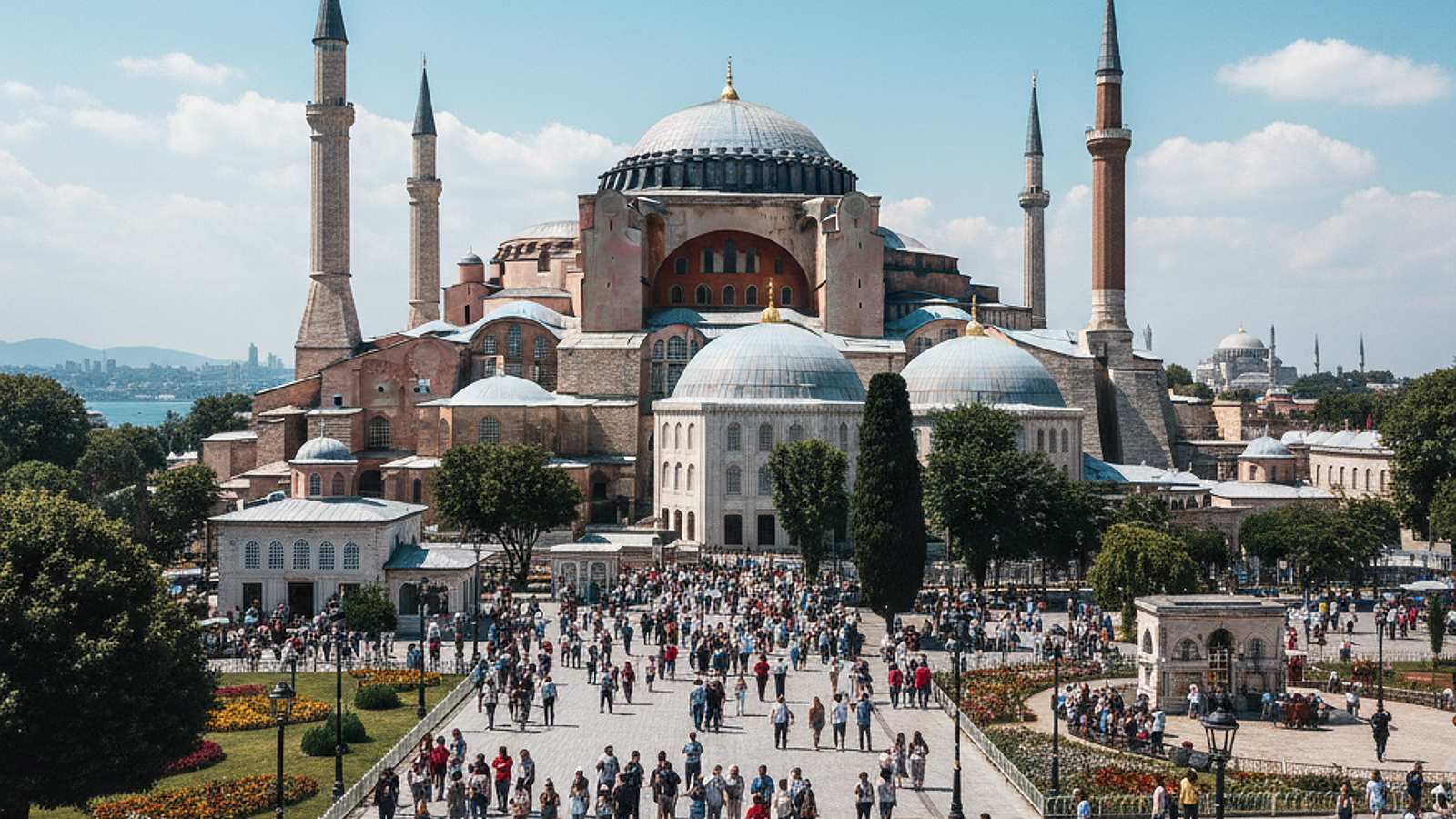
Country guide
Sightseeing in Türkiye splits between two kinds of place: cities that are still working, and ancient sites that stopped. Istanbul holds the first kind, stacked around a strait. Ephesus, near Selçuk, holds the second: the façade of the Library of Celsus, a marble street that still slopes toward the old harbour, and a theatre cut for some twenty-five thousand people. Pamukkale is a third thing entirely, white terraces of calcium carbonate stepped down a hillside with the ruins of Hierapolis on the ridge above them.
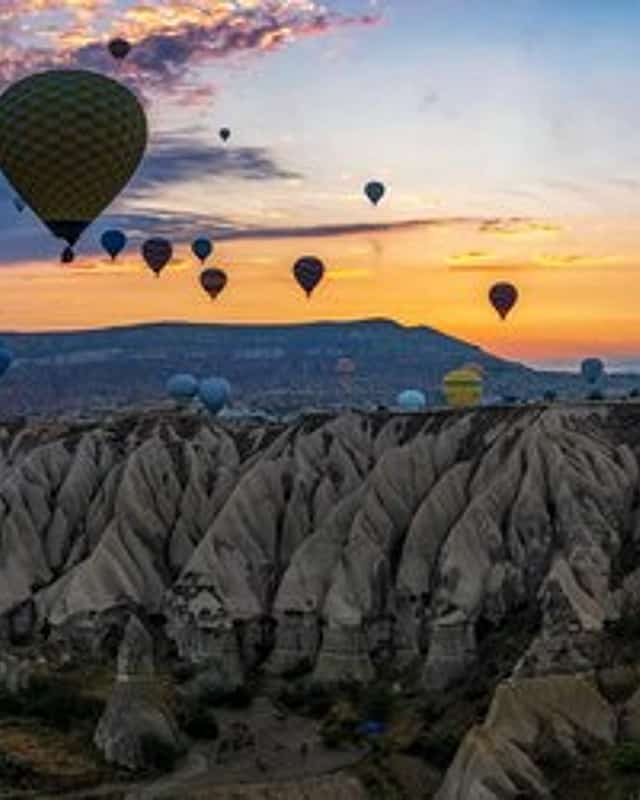
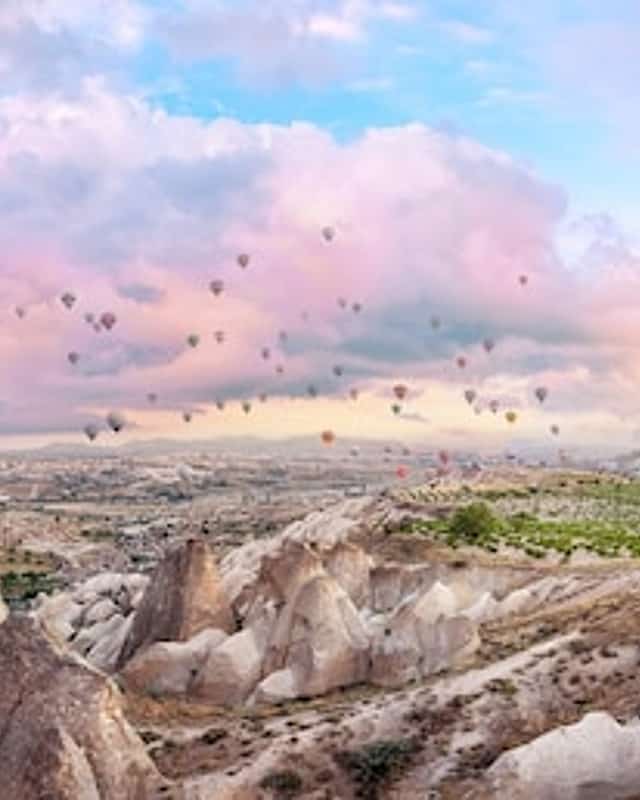
Inland, Cappadocia is the landscape people come for: valleys of soft volcanic rock carved into churches and pigeon houses at Göreme, and underground cities at Derinkuyu and Kaymaklı that go down eight levels. The south coast keeps its Roman theatres, Aspendos still in use for performances and Perge spread out flat beside it. Further east the country gets bigger and emptier: the stone heads on Mount Nemrut above two thousand metres, the monastery of Sumela built into a cliff face near Trabzon, and Ani on the Armenian border, a medieval capital now standing alone in grassland.
Practical: distances here are the main planning problem. Istanbul to Cappadocia is around seven hundred kilometres, and domestic flights are normal rather than a luxury, so most multi-site trips fly and pick up a guide on arrival. Spring and autumn are the working seasons; inland summers pass thirty-five degrees and almost no ancient site has shade. The Museum Pass covers state sites but not private museums, and it pays off only if you visit several. Ask whether entrance fees are included, because many tours quote transport and guide alone.
Basilica Cistern, Istanbul, Turkey
30 minutes
37 views recently
From€45.00/ person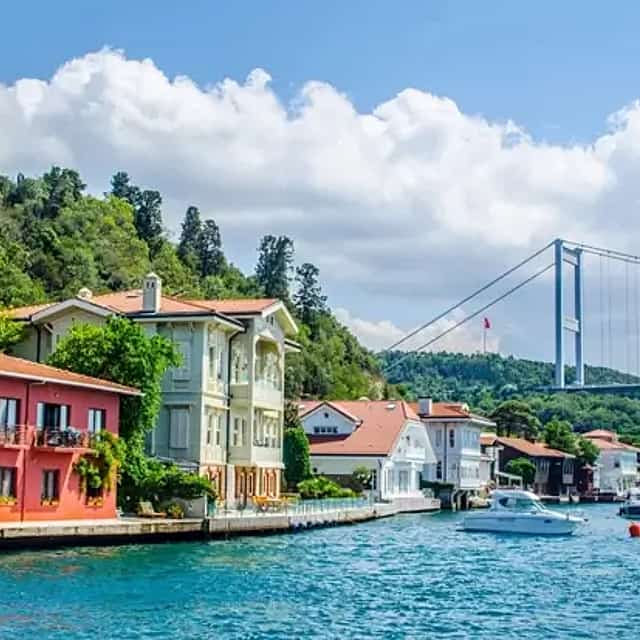
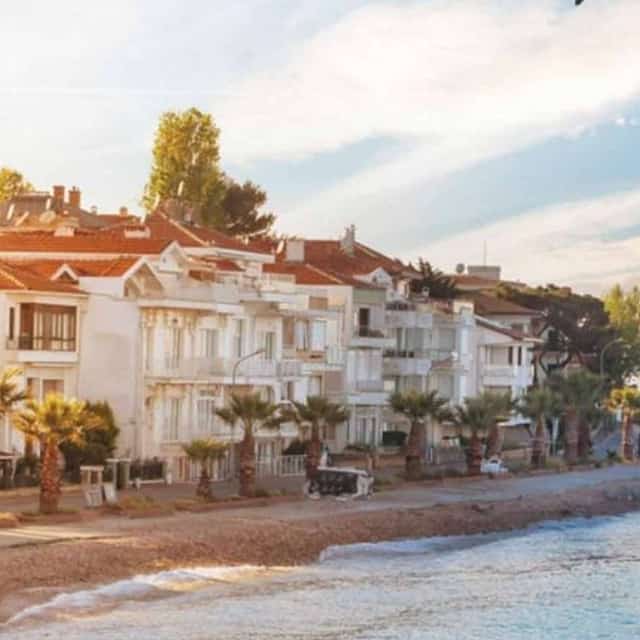
Princes Islands, Istanbul, Turkey
8 hours
23 views recently
From€30.00/ person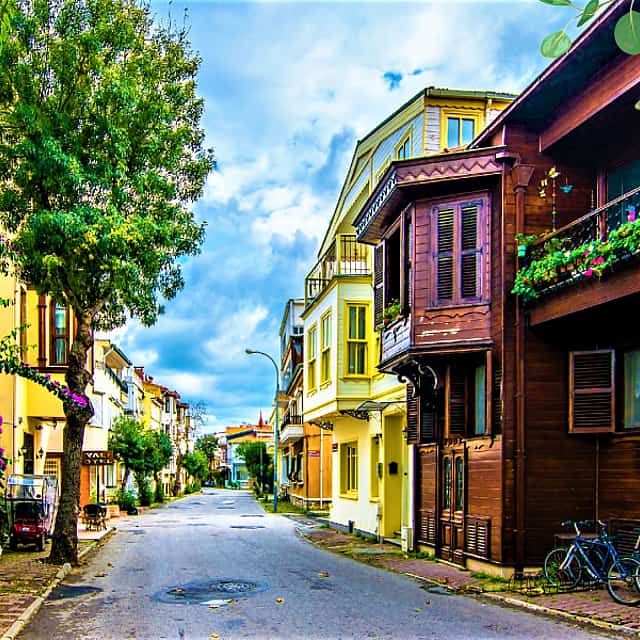
Princes Islands, Istanbul, Turkey
8 hours
24 views recently
From€25.00/ person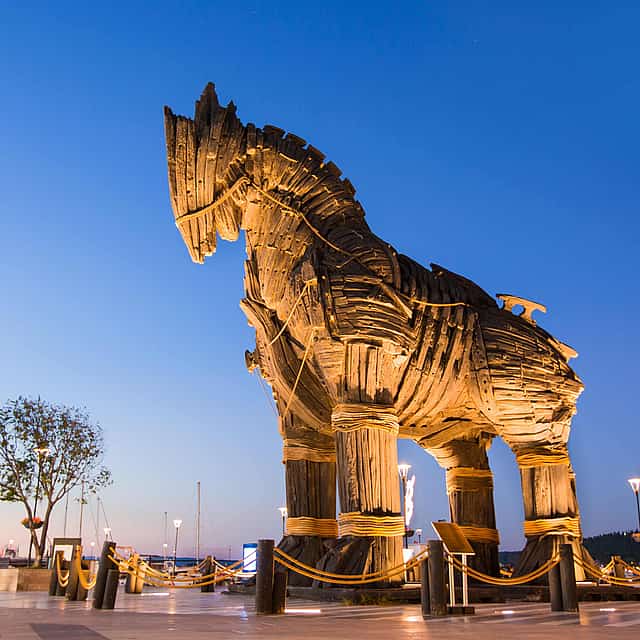
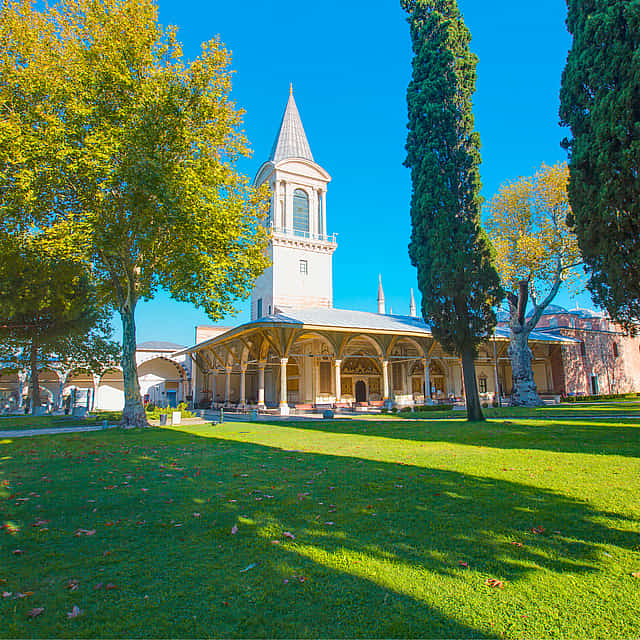
Topkapi Palace Museum, Istanbul, Turkey
1 hour
From€75.00/ person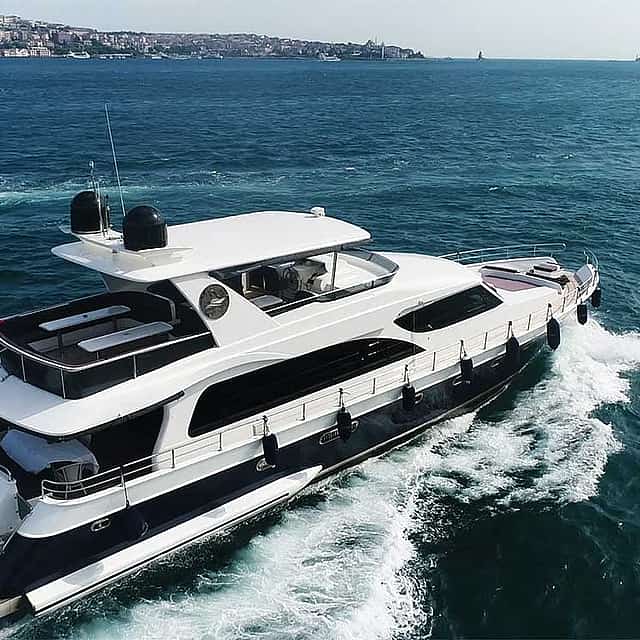
Istanbul, Turkey
2h 30m
21 views recently
From€54.00/ person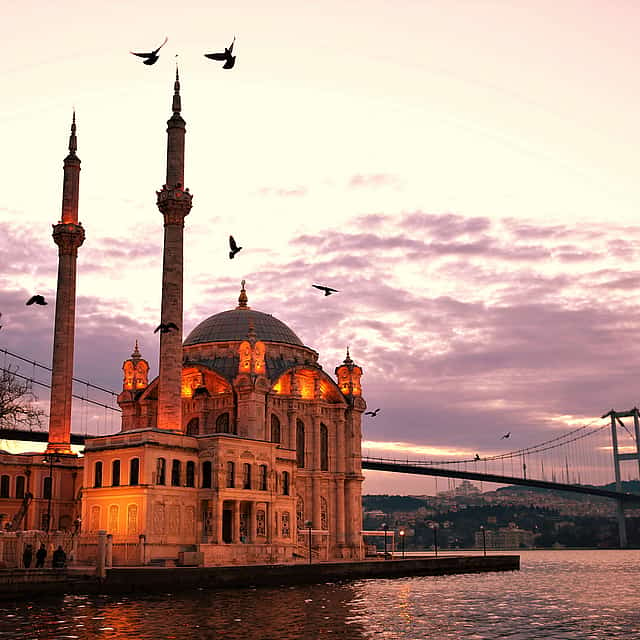
Istanbul, Turkey
2h 30m
13 views recently
From€72.00/ person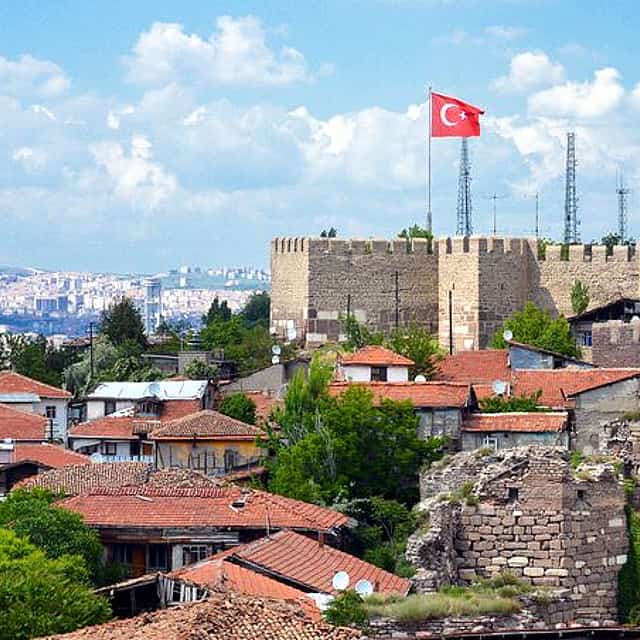
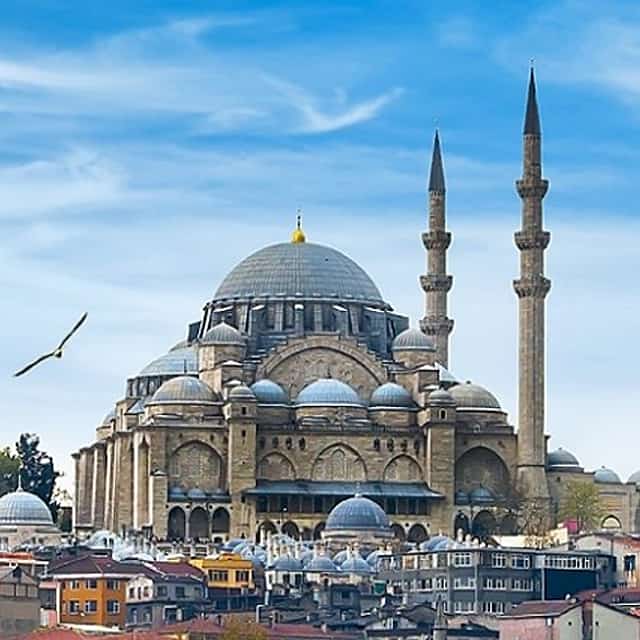
Istanbul, Turkey
12 hours
14 views recently
From€85.00/ person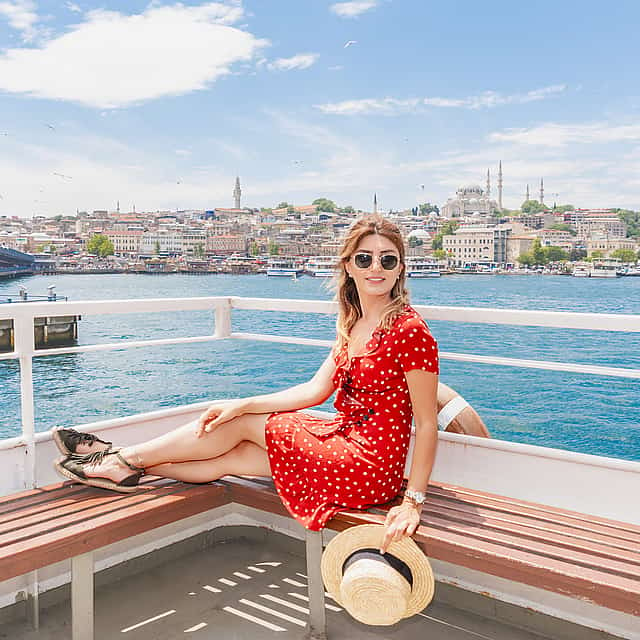
Istanbul, Turkey
2 hours
26 views recently
From€20.00/ personBasilica Cistern, Istanbul, Turkey
30 minutes
37 views recently
From€45.00/ person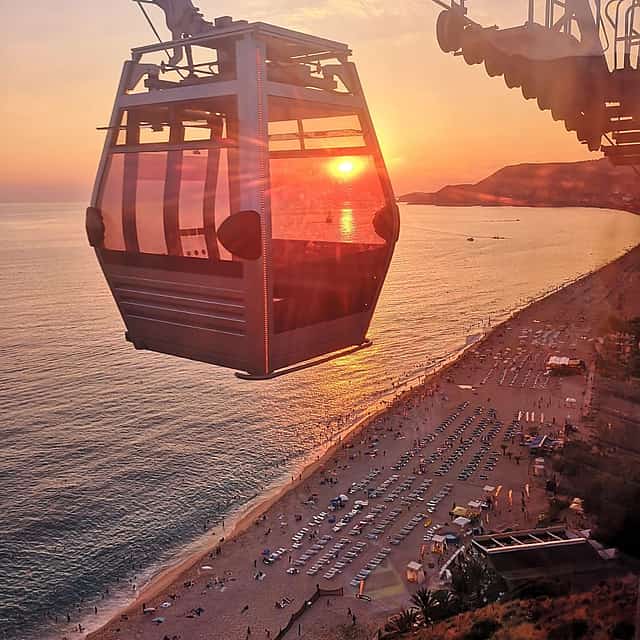
Alanya, Turkey
3h 30m
17 views recently
From€40.00/ person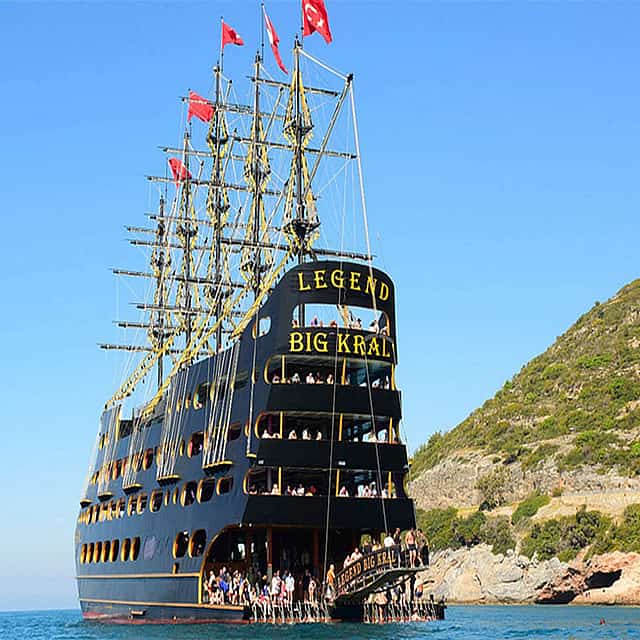
Alanya, Turkey
7 hours
26 views recently
From€36.58/ person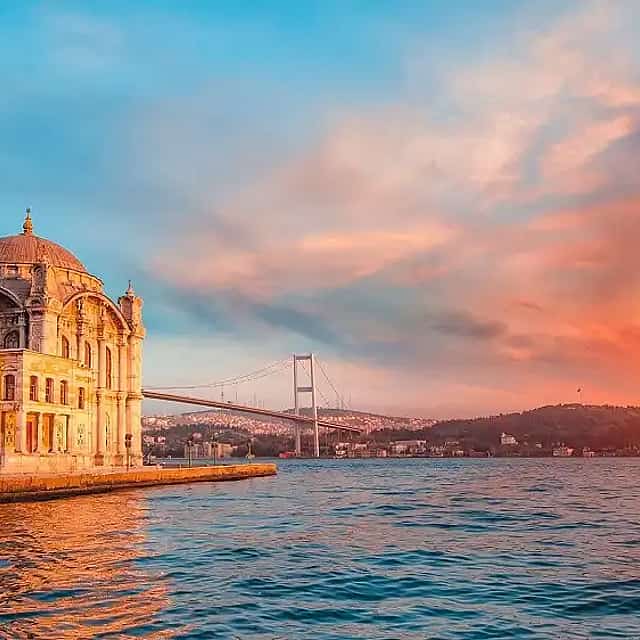
Bosphorus Bridge, Turkey
4 hours
25 views recently
From€25.00/ person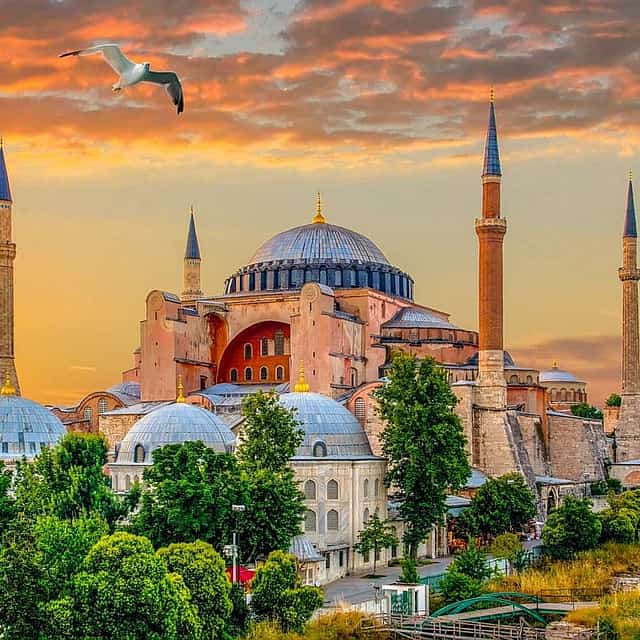
Hagia Sophia, Turkey
30 minutes
22 views recently
From€35.00/ person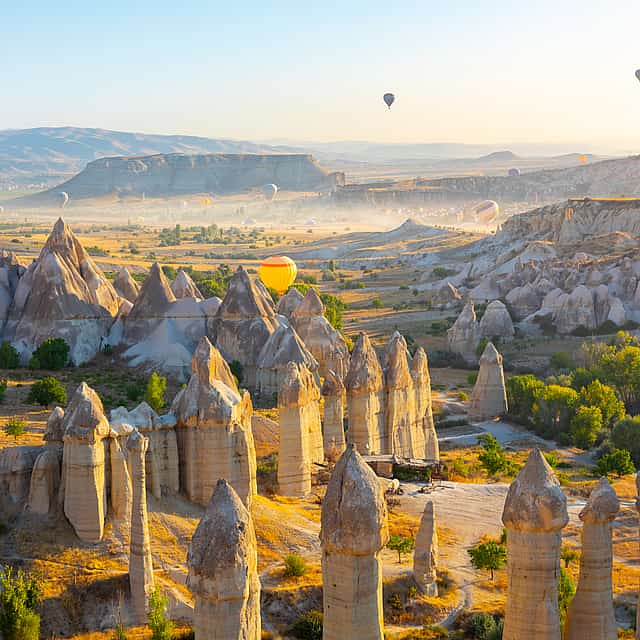
Zelve Open Air Museum, Nevşehir, Cappadocia, Turkey
6 hours
From€70.00/ person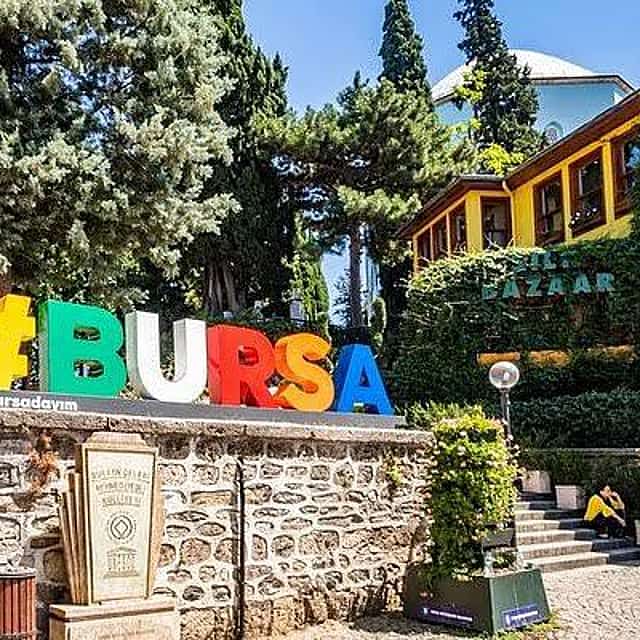
Istanbul, Turkey
10 hours
21 views recently
From€30.00/ person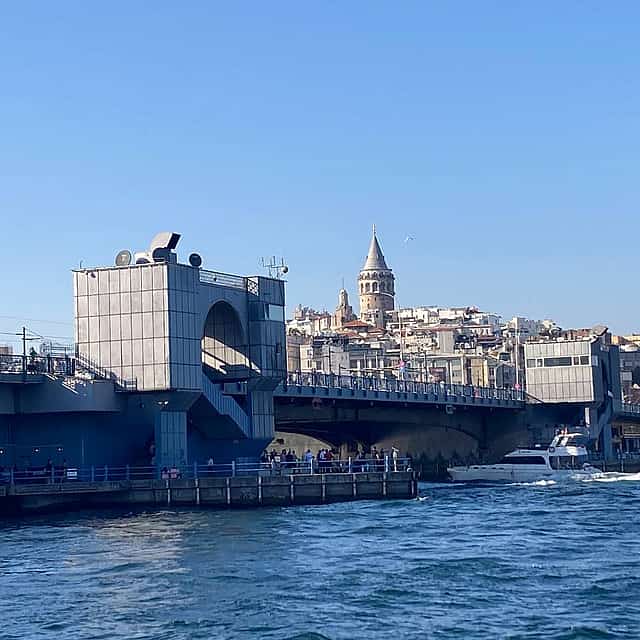
Princes Islands, Istanbul, Turkey
8 hours
23 views recently
From€30.00/ person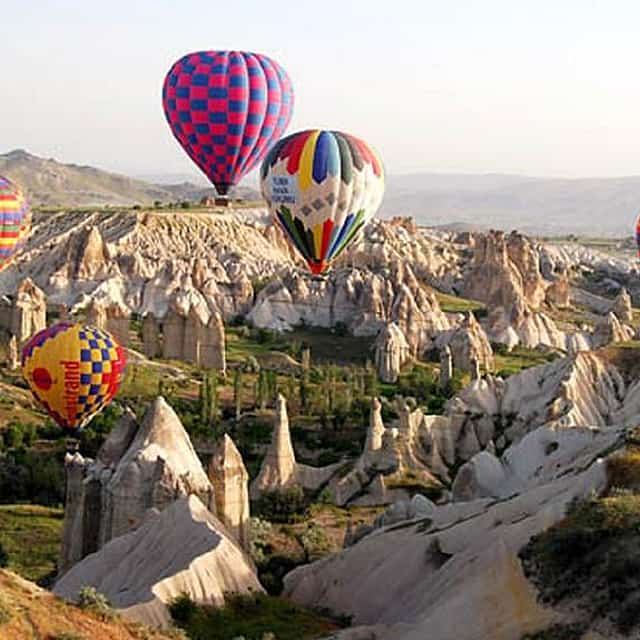
Princes Islands, Istanbul, Turkey
8 hours
24 views recently
From€25.00/ person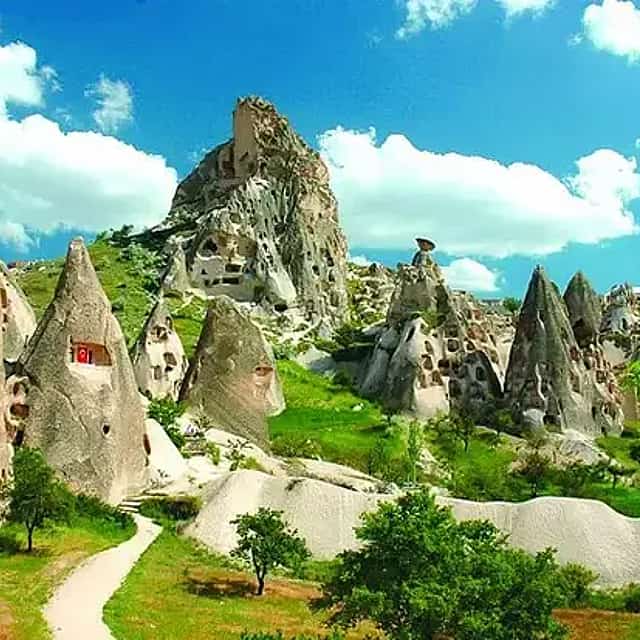
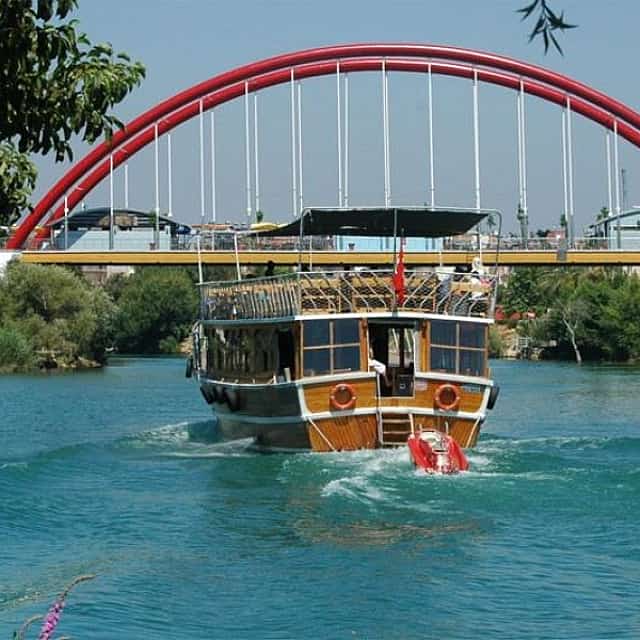
Manavgat Small Waterfall, Turkey
8 hours
From€50.00/ person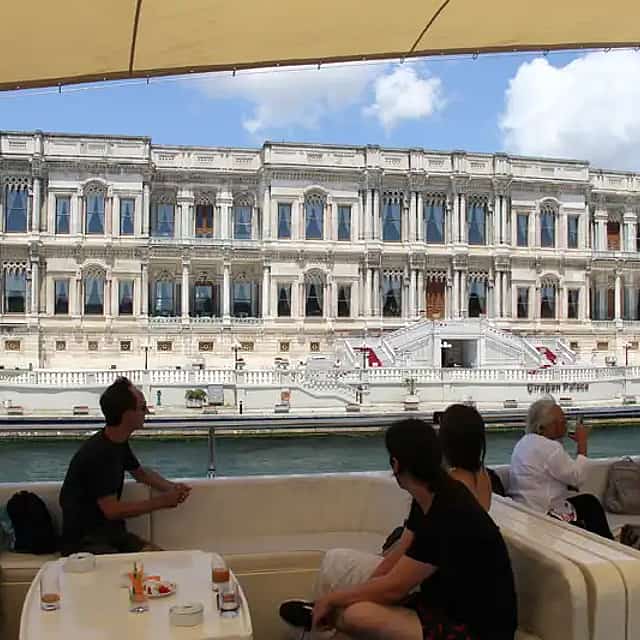
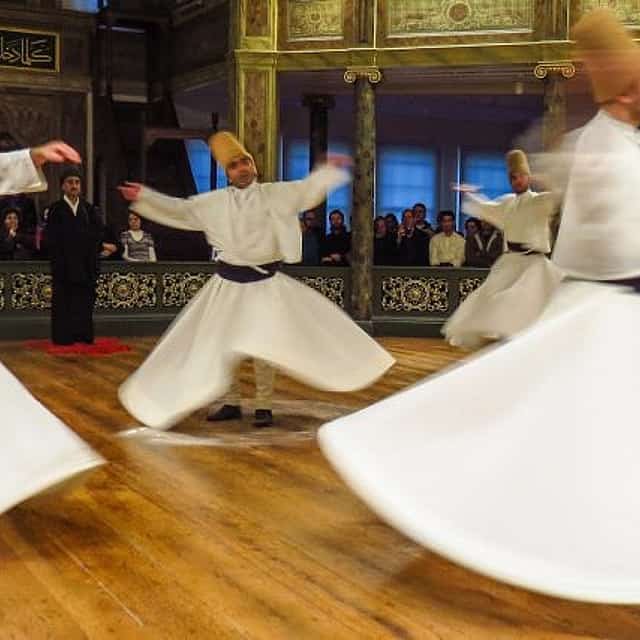
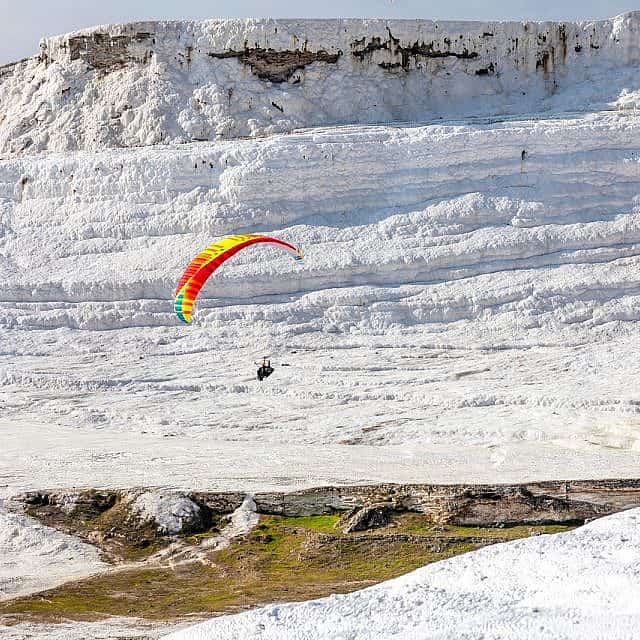
Pamukkale, Turkey
30 minutes
15 views recently
From€110.00/ person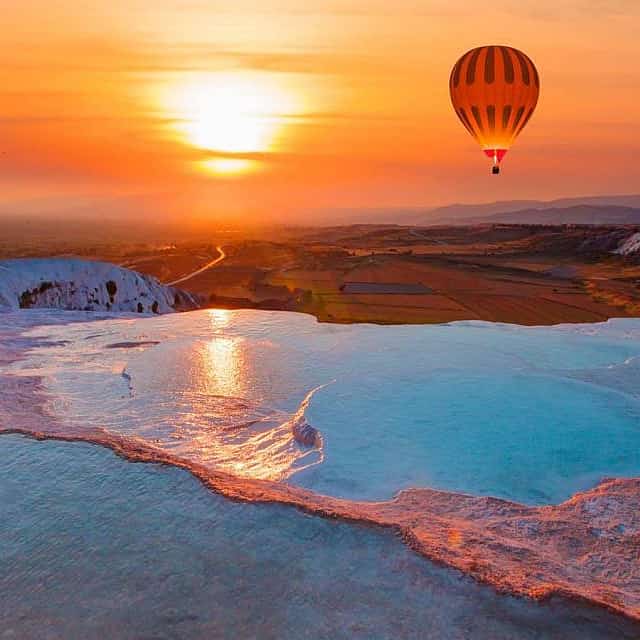
Pamukkale, Turkey
2 hours
From€125.00/ person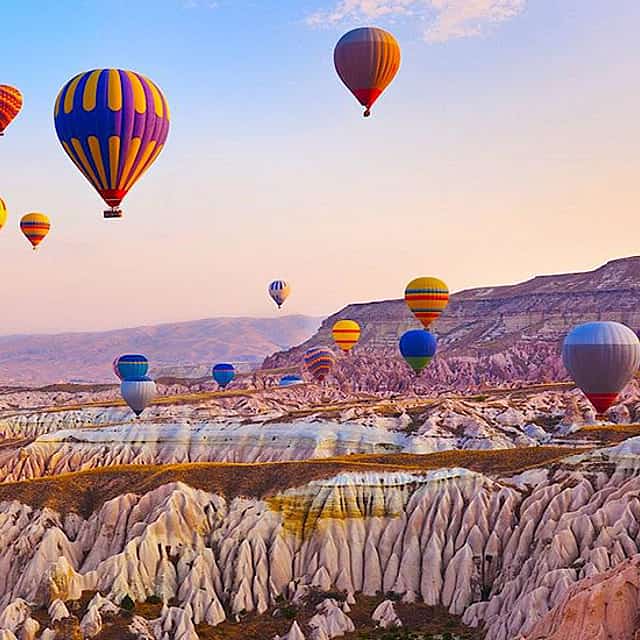
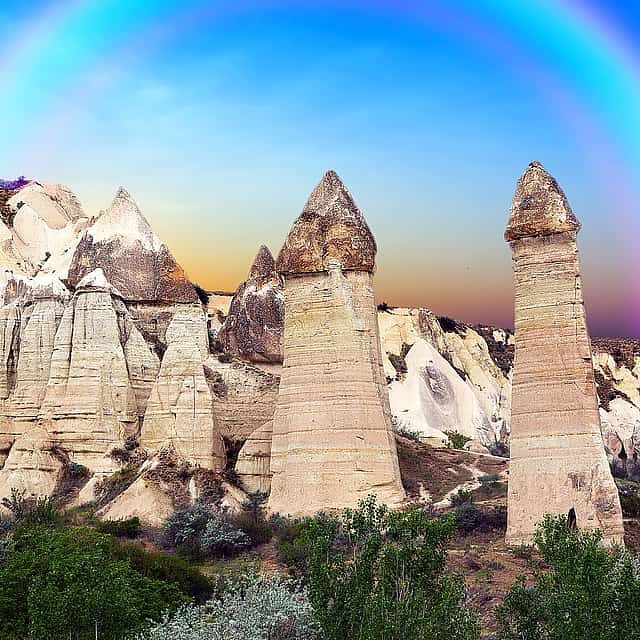
Goreme Open Air Museum, Nevşehir, Cappadocia, Turkey
6 hours
13 views recently
From€95.00/ person
Ihlara Valley, Aksaray, Turkey
3 days
18 views recently
From€150.00/ personTell us what you are planning and local hosts will send options tailored to your dates, group and budget.