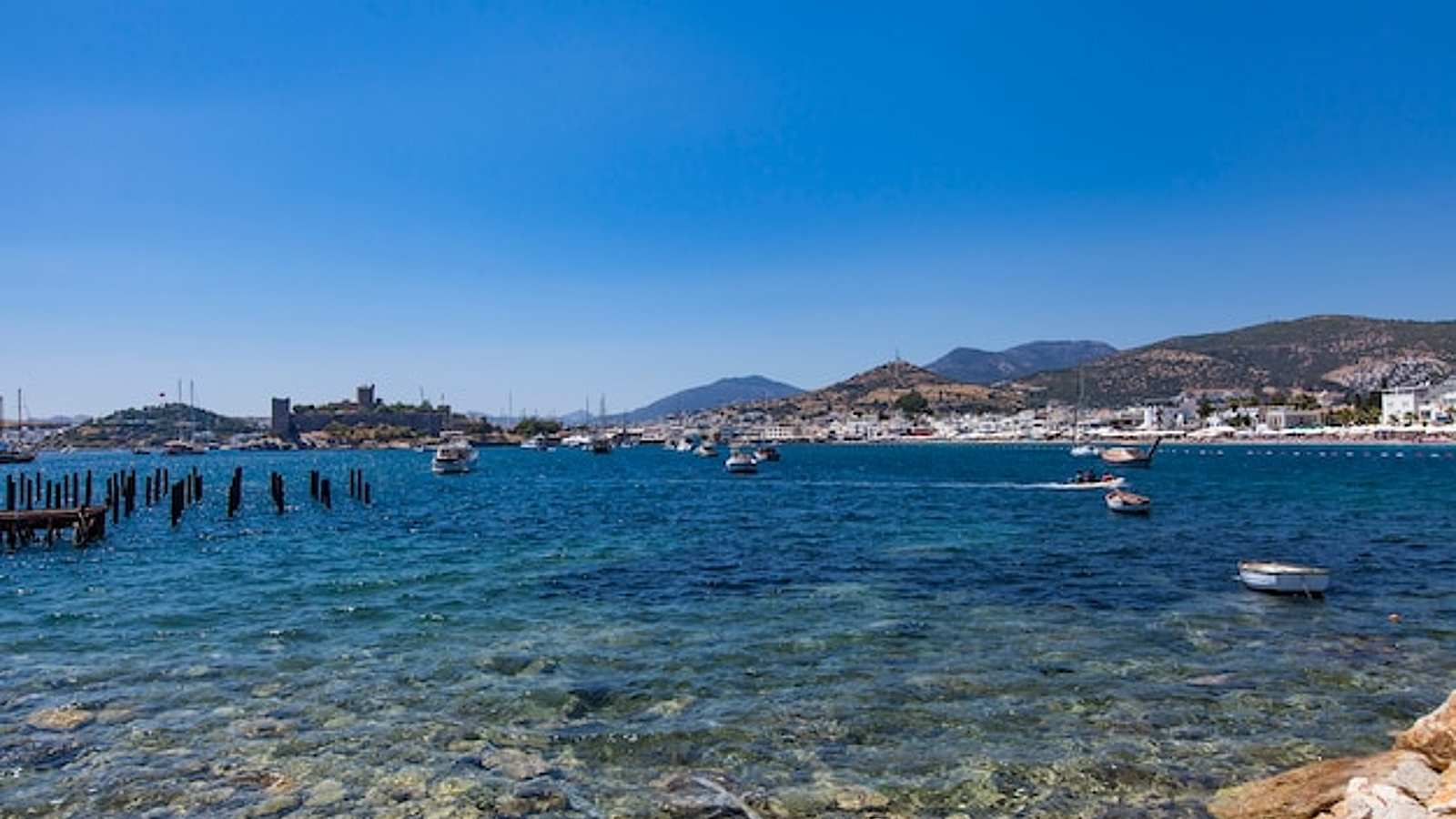
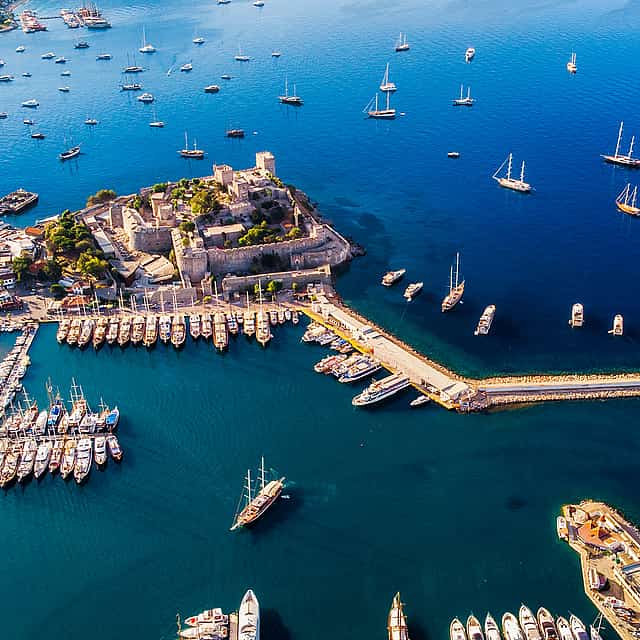
Nature around Bodrum works differently from the southern coast: instead of pine-covered mountains there are dry stony hills, olive groves and mastic scrub, and the shoreline is cut by dozens of coves. The peninsula juts into the Aegean, and almost every bay is easier to reach by water than by land — some of them have no road at all.
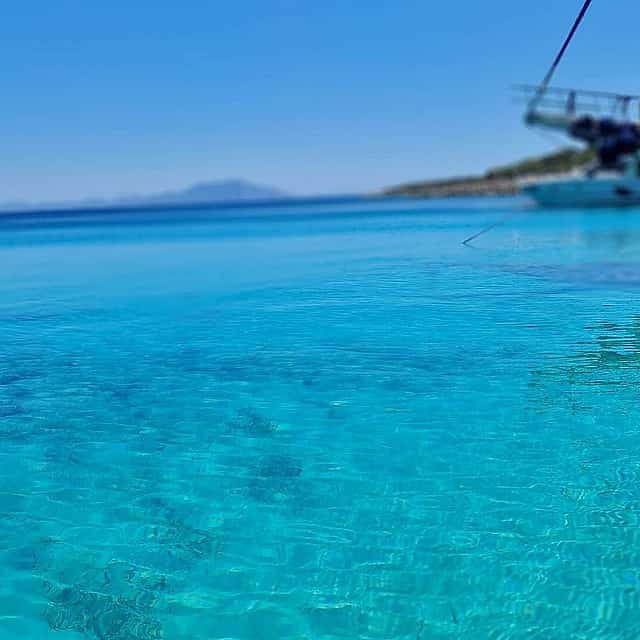
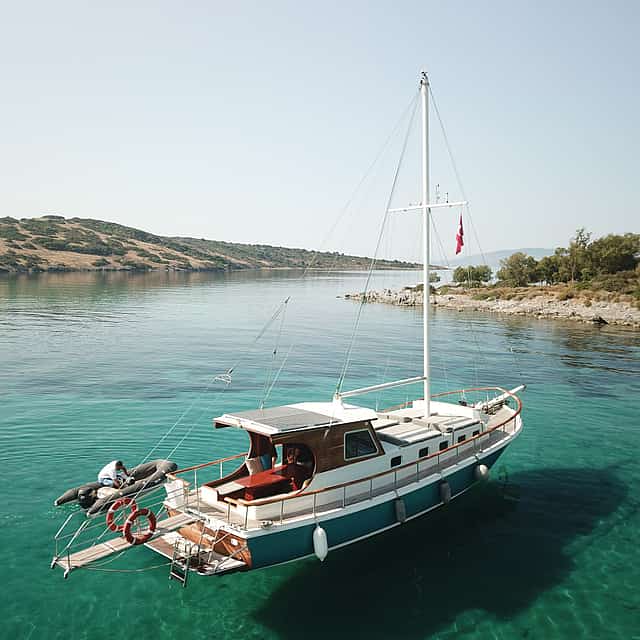
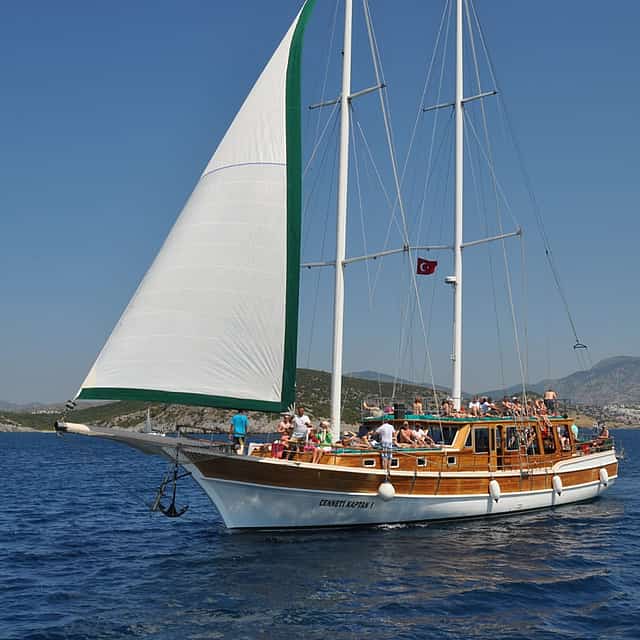
Hence the main format: a boat trip round the bays fills the daylight hours, with the vessel anchoring in several inlets for an hour each so people can swim. Aegean water is clearer and a couple of degrees colder than the Mediterranean off Antalya, and the bottom is stony, so swim shoes are more useful here than on the sand of the southern resorts.
On land the choice is thinner: paths over the hills between bays, olive groves, and old windmills on the ridges from where the whole peninsula is visible. Practical notes: a fresh wind picks up here regularly in the afternoon — swimming and sailing are calmer in the morning. There is little shade on deck or on the stony paths, so a hat and water are needed either way. The season runs from May to October, and the wind is strongest in July and August.
Nature & Outdoors in nearby cities
Discover other Nature & Outdoors
 Request only
More things to do in Bodrum
Can’t find the right experience?
Tell us what you are planning and local hosts will send options tailored to your dates, group and budget.