The Top Art And Culture in Bodrum, Turkey: GetExperience
Bodrum carries a cultural weight that its reputation as a glamorous resort town sometimes obscures. This is the birthplace of Herodotus — the 5th-century BC historian widely regarded as the father of the discipline — and the site of the Mausoleum of Halicarnassus, one of the Seven Wonders of the Ancient World. The mausoleum was built in 353 BC for the Persian satrap Mausolus, and its fame was so enduring that the word mausoleum entered every major language as a direct result. The ruins that remain at the center of the modern town are fragmentary, but the scale of the original platform and the quality of the surviving sculpture give a clear sense of what was once here.
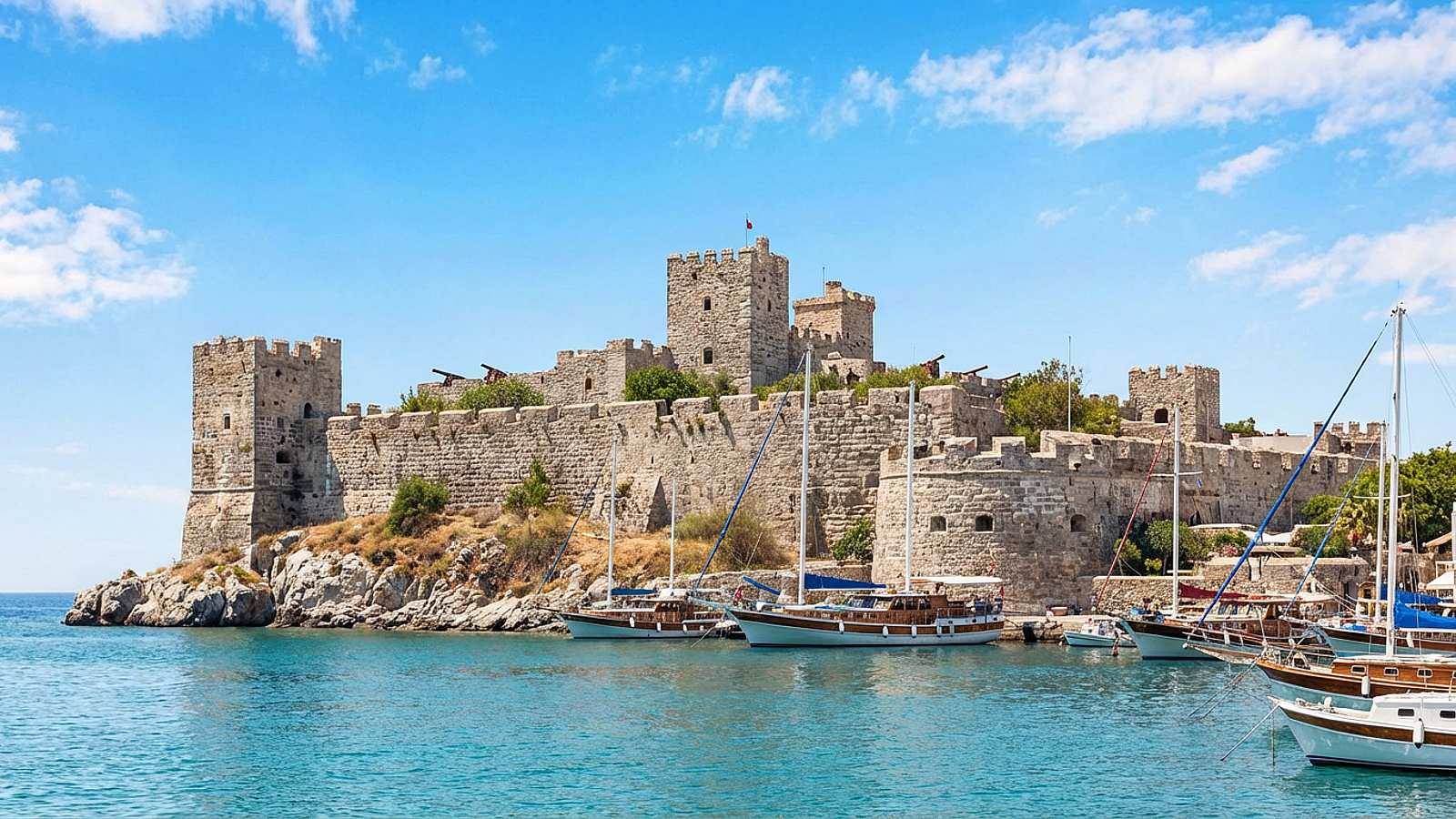
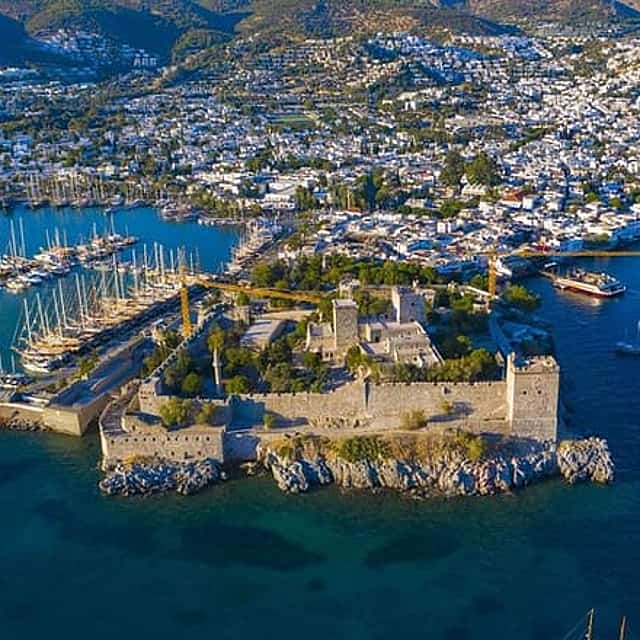
The Castle of St. Peter, built by the Knights Hospitaller in 1402 using stone taken from the mausoleum itself, houses the Museum of Underwater Archaeology — a collection that rivals anything in the world for its subject matter. The Bronze Age Uluburun shipwreck, discovered off the Bodrum coast in 1982 and dated to around 1300 BC, is the oldest known shipwreck and its cargo — gold, copper ingots, exotic wood, pottery, and personal objects from a dozen different cultures — provides an extraordinary window into Bronze Age trade networks across the Mediterranean.
Bodrum's contemporary cultural life is equally active. The town has attracted writers, painters, and intellectuals since the mid-20th century — the novelist Cevat Şakir Kabaağaçlı, who wrote under the name Halikarnas Balıkçısı, effectively invented the mythology of the Blue Voyage from his home here, and his influence on Turkish literary culture is still felt. Galleries, independent bookshops, and an active calendar of summer cultural events reflect a town that has always valued the life of the mind alongside the pleasures of the coast.