
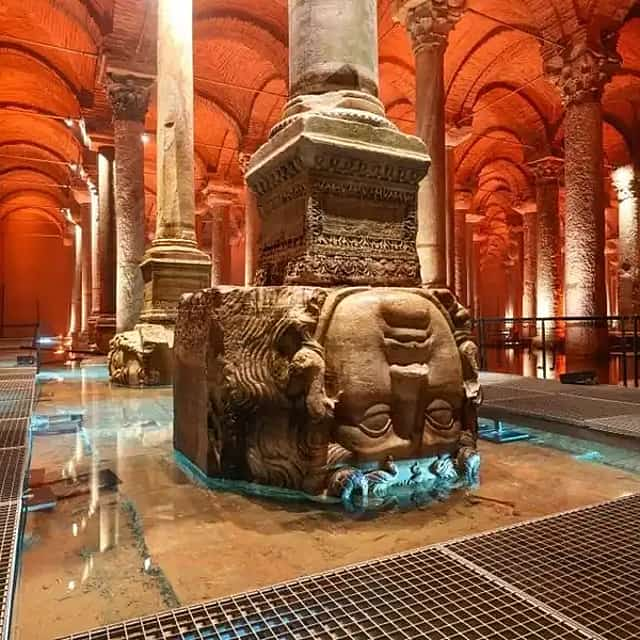
อ่างเก็บน้ำใต้ดินบาซิลิกา, อิสตันบูล, ไก่งวง
"ทัวร์อุโมงค์เก็บน้ำใต้ดินบาซิลิกาแบบไม่ต้องต่อคิวพร้อมเครื่องบรรยายออดิโอไกด์"
30 นาที
37 การเข้าชมเมื่อเร็ว ๆ นี้
จาก€45.00/ คน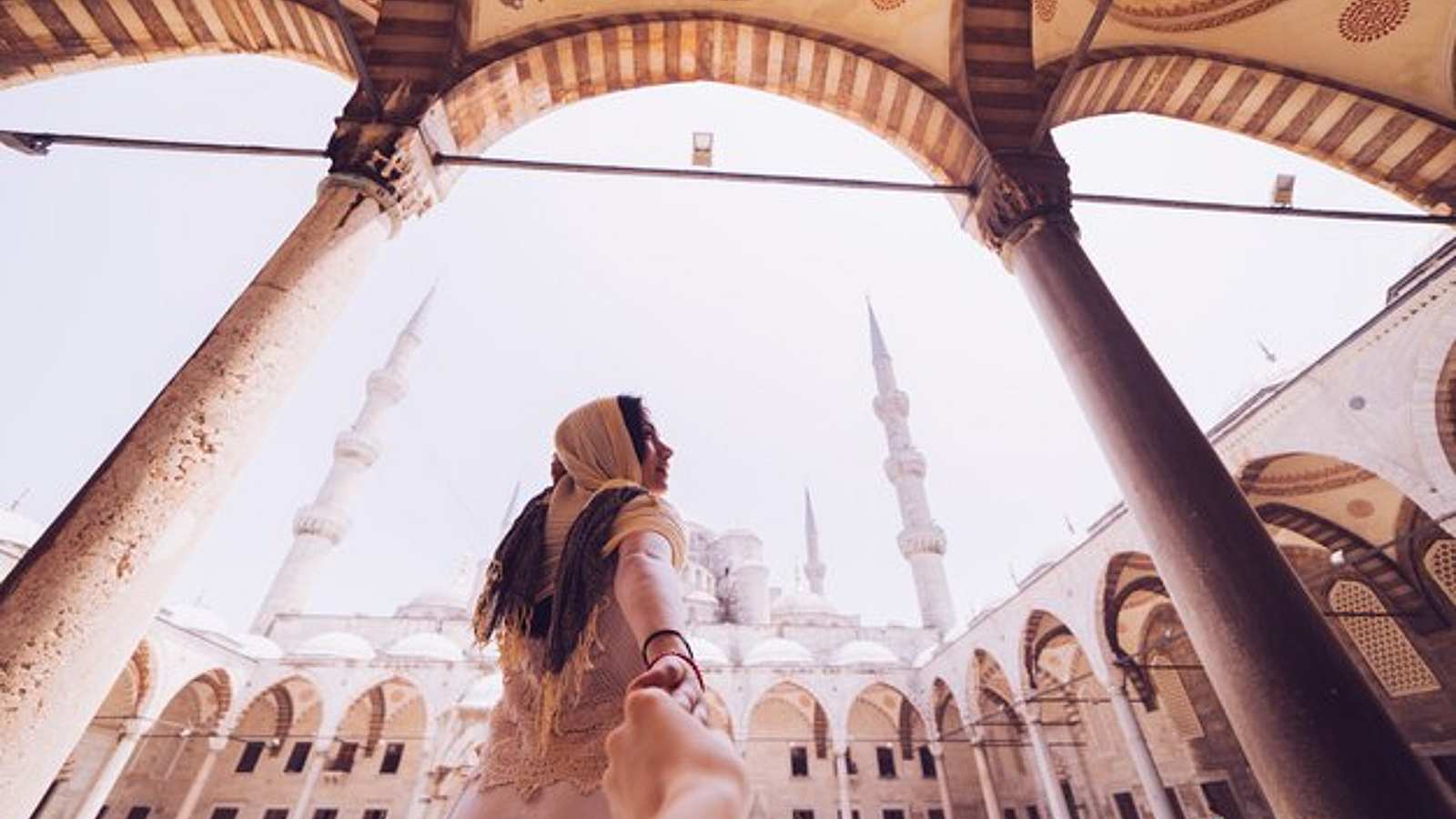
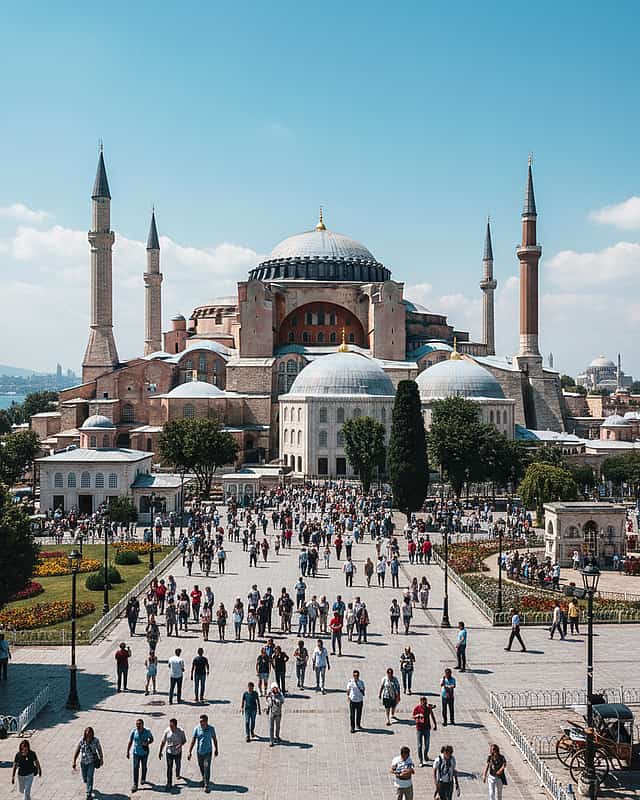
การเที่ยวชมอิสตันบูลแบ่งตามผืนน้ำ ฝั่งยุโรป ย่านสุลต่านอาห์เหม็ดรวมสิ่งที่คนส่วนใหญ่ตั้งใจมาดูไว้เกือบทั้งหมด ทั้งฮาเกียโซเฟียซึ่งสร้างเสร็จเมื่อปี 537 และเคยเป็นทั้งโบสถ์ มัสยิด พิพิธภัณฑ์ แล้วกลับมาเป็นมัสยิดอีกครั้ง มัสยิดสีน้ำเงินที่อยู่ตรงข้ามโดยมีสวนคั่นกลาง พระราชวังทอปกาปึบนแหลมที่ช่องแคบบอสฟอรัสบรรจบกับโกลเดนฮอร์น และอ่างเก็บน้ำใต้ดินสมัยศตวรรษที่หกที่รับน้ำหนักด้วยเสา 336 ต้น ทั้งหมดอยู่ในระยะเดินยี่สิบนาที ทัวร์พร้อมไกด์เกือบทุกเส้นทางจึงเริ่มจากที่นี่
เหนือโกลเดนฮอร์นขึ้นไป เมืองเปลี่ยนน้ำเสียง หอคอยกาลาตาที่พ่อค้าชาวเจนัวสร้างเมื่อปี 1348 ตั้งอยู่เหนือย่านตรอกชันที่ไต่ขึ้นสู่ถนนอิสติกลาลและรถรางสีแดงย้อนยุค ส่วนแกรนด์บาซาร์และตลาดเครื่องเทศยังอยู่บนคาบสมุทรเมืองเก่า ทั้งสองปิดวันอาทิตย์ มัสยิดสุไลมานิเยฝีมือสถาปนิกซินานให้วิวโกลเดนฮอร์นที่ดีที่สุดโดยไม่เสียเงิน ถัดขึ้นไปตามฝั่งคือบาลัตและเฟเนอร์ซึ่งเงียบกว่า มีบ้านสีสด ราวตากผ้า และบันไดแทนถนนใหญ่ ฝั่งเอเชียอยู่ห่างออกไปยี่สิบนาทีโดยเรือ และที่คาดึเคยกับย่านโมดา เมืองนี้เลิกแสดงให้นักท่องเที่ยวดู
ข้อควรรู้ มัสยิดปิดไม่ให้เข้าชมช่วงละหมาดทั้งห้าเวลา และปิดนานกว่านั้นราวเที่ยงวันศุกร์ ควรเผื่อไว้ในแผน ต้องปิดไหล่และเข่า ผู้หญิงใช้ผ้าคลุมผมที่แจกตรงทางเข้า และถอดรองเท้า บัตร Museum Pass คุ้มตั้งแต่จุดที่สามเป็นต้นไป ส่วนบัตรอิสตันบูลการ์ดใช้ได้กับเรือข้ามฟาก รถราง และรถกระเช้า ควรทำตั้งแต่วันแรกที่มาถึง เดือนที่เหมาะกับการเดินคือเมษายนถึงมิถุนายนและกันยายนถึงตุลาคม ส่วนกรกฎาคมและสิงหาคม คิวที่ฮาเกียโซเฟียและทอปกาปึยาวที่สุดในรอบปี และทนได้เฉพาะช่วงเช้าตรู่เท่านั้น
อ่างเก็บน้ำใต้ดินบาซิลิกา, อิสตันบูล, ไก่งวง
30 นาที
37 การเข้าชมเมื่อเร็ว ๆ นี้
จาก€45.00/ คน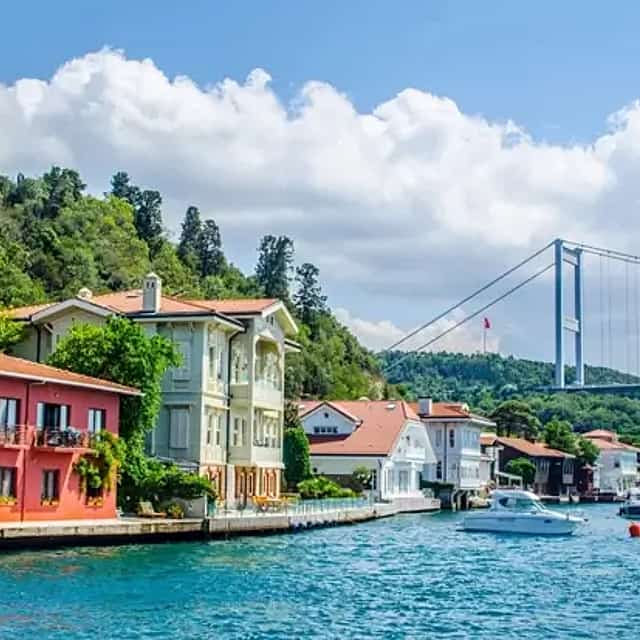
อิสตันบูล, ไก่งวง
4 ชั่วโมง
18 การเข้าชมเมื่อเร็ว ๆ นี้
จาก€25.00/ คน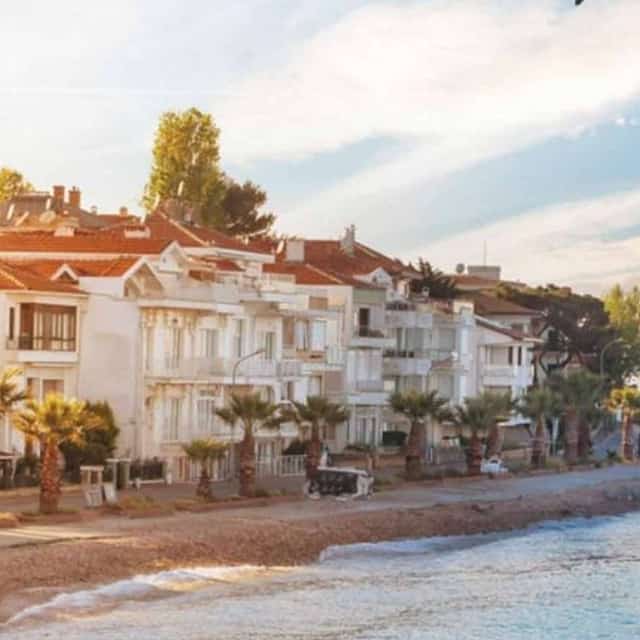
Princes Islands, Istanbul, Turkey
8 ชั่วโมง
23 การเข้าชมเมื่อเร็ว ๆ นี้
จาก€30.00/ คน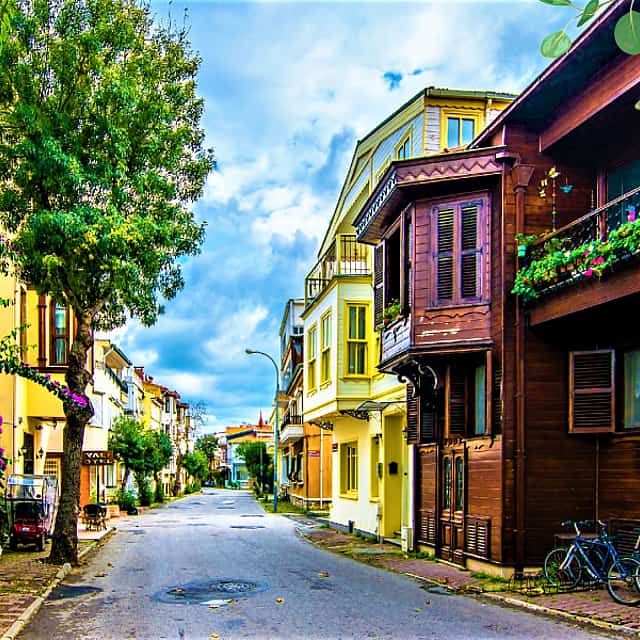
Princes Islands, Istanbul, Turkey
8 ชั่วโมง
26 การเข้าชมเมื่อเร็ว ๆ นี้
จาก€25.00/ คน
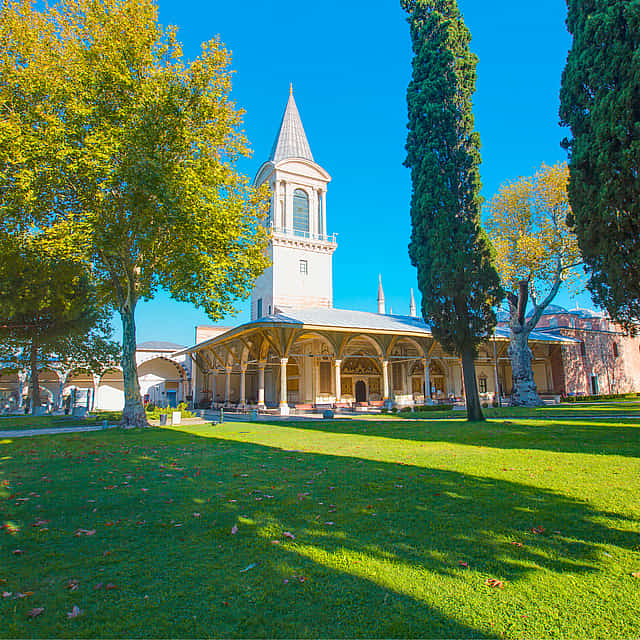
พิพิธภัณฑ์พระราชวังโทพคาปี, อิสตันบูล, ไก่งวง
1 ชั่วโมง
จาก€75.00/ คน
อิสตันบูล, ไก่งวง
2 ชม. 30 น.
21 การเข้าชมเมื่อเร็ว ๆ นี้
จาก€54.00/ คน
อิสตันบูล, ไก่งวง
2 ชม. 30 น.
15 การเข้าชมเมื่อเร็ว ๆ นี้
จาก€72.00/ คน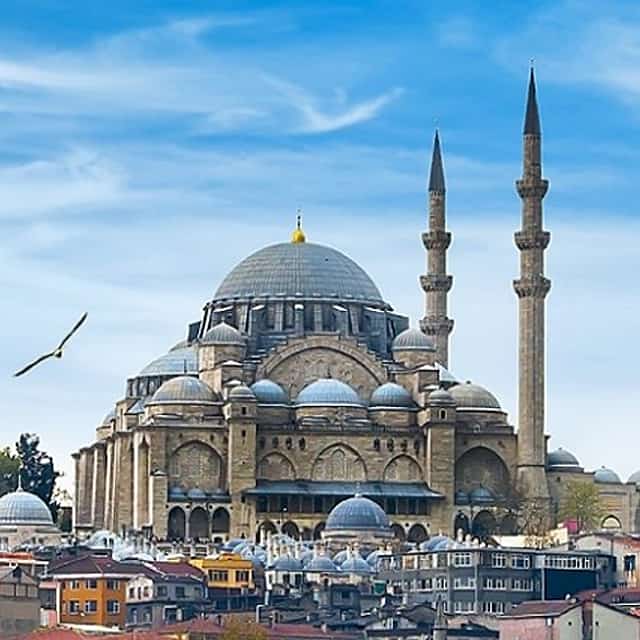
อิสตันบูล, ไก่งวง
12 ชั่วโมง
15 การเข้าชมเมื่อเร็ว ๆ นี้
จาก€85.00/ คน
อิสตันบูล, ไก่งวง
2 ชั่วโมง
26 การเข้าชมเมื่อเร็ว ๆ นี้
จาก€20.00/ คนอ่างเก็บน้ำใต้ดินบาซิลิกา, อิสตันบูล, ไก่งวง
30 นาที
37 การเข้าชมเมื่อเร็ว ๆ นี้
จาก€45.00/ คนอิสตันบูล, ไก่งวง
4 ชั่วโมง
18 การเข้าชมเมื่อเร็ว ๆ นี้
จาก€25.00/ คน
อิสตันบูล, ไก่งวง
10 ชั่วโมง
21 การเข้าชมเมื่อเร็ว ๆ นี้
จาก€30.00/ คน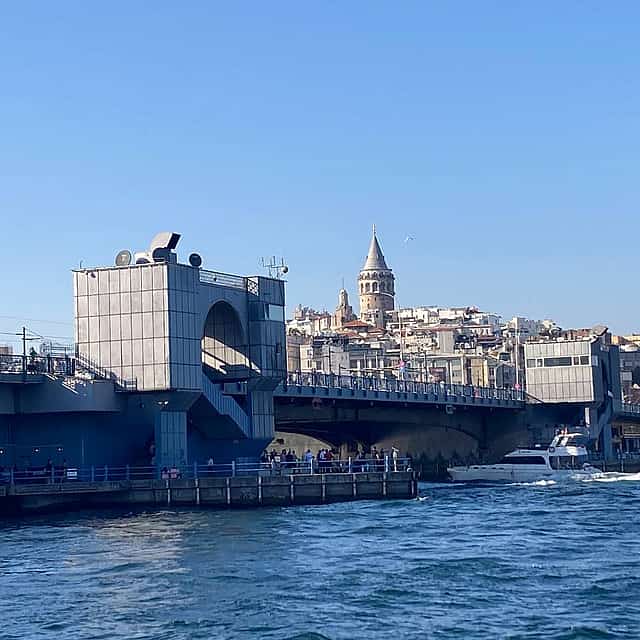
อิสตันบูล, ไก่งวง
8 ชั่วโมง
10 การเข้าชมเมื่อเร็ว ๆ นี้
จาก€115.00/ คนPrinces Islands, Istanbul, Turkey
8 ชั่วโมง
23 การเข้าชมเมื่อเร็ว ๆ นี้
จาก€30.00/ คนPrinces Islands, Istanbul, Turkey
8 ชั่วโมง
26 การเข้าชมเมื่อเร็ว ๆ นี้
จาก€25.00/ คน
อิสตันบูล, ไก่งวง
3 ชั่วโมง
17 การเข้าชมเมื่อเร็ว ๆ นี้
จาก€35.00/ คน

อิสตันบูล, ไก่งวง
2 ชม. 30 น.
26 การเข้าชมเมื่อเร็ว ๆ นี้
จาก€54.00/ คน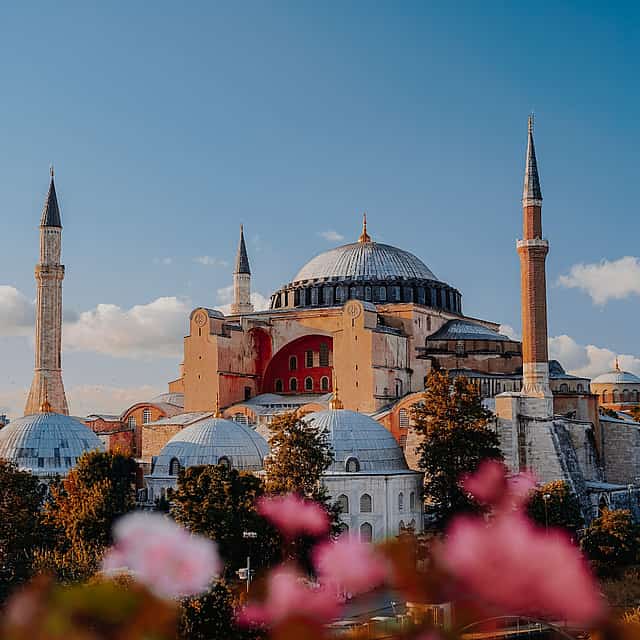
อิสตันบูล, ไก่งวง
3 ชั่วโมง
15 การเข้าชมเมื่อเร็ว ๆ นี้
จาก€89.00/ คนพิพิธภัณฑ์พระราชวังโทพคาปี, อิสตันบูล, ไก่งวง
1 ชั่วโมง
จาก€75.00/ คน
อิสตันบูล, ไก่งวง
2 ชม. 30 น.
21 การเข้าชมเมื่อเร็ว ๆ นี้
จาก€54.00/ คน
อิสตันบูล, ไก่งวง
10 ชั่วโมง
19 การเข้าชมเมื่อเร็ว ๆ นี้
จาก€35.00/ คน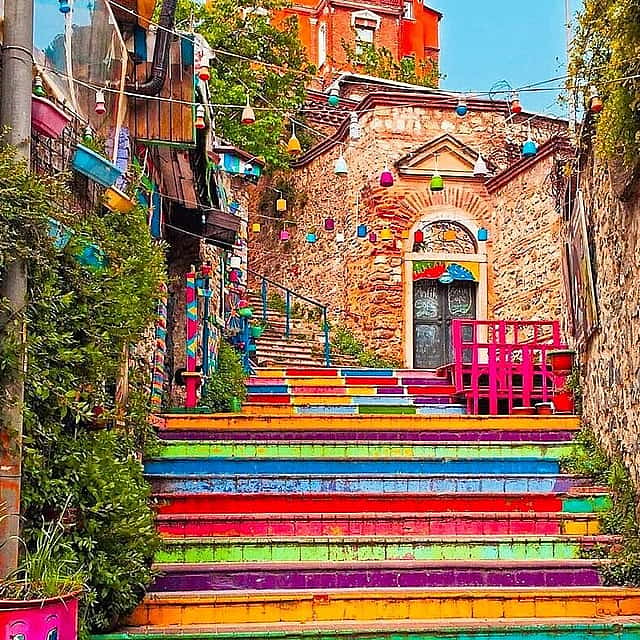
เนินปิแยร์ โลตี, อิสตันบูล, ไก่งวง
6 ชั่วโมง
18 การเข้าชมเมื่อเร็ว ๆ นี้
จาก€70.00/ คน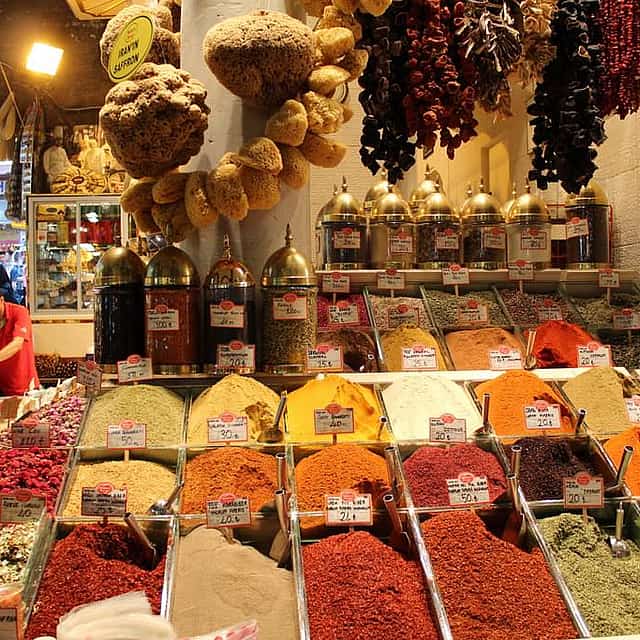
อิสตันบูล, ไก่งวง
3 ชั่วโมง
15 การเข้าชมเมื่อเร็ว ๆ นี้
จาก€59.00/ คน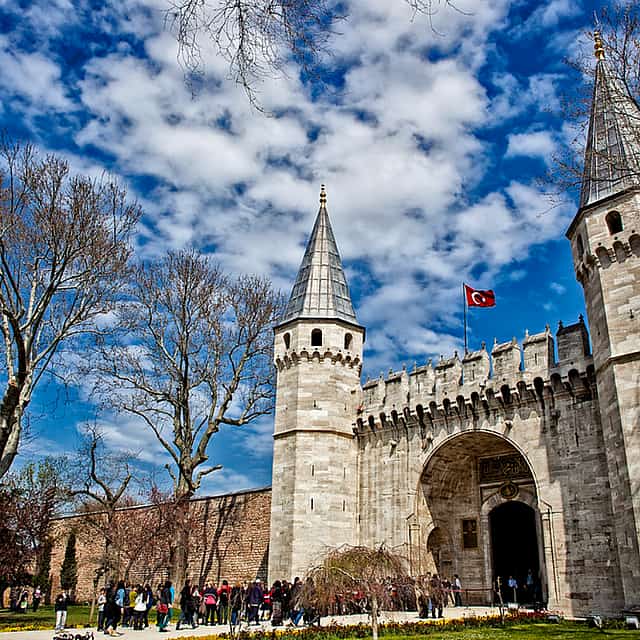
อิสตันบูล, ไก่งวง
3 ชั่วโมง
13 การเข้าชมเมื่อเร็ว ๆ นี้
จาก€79.00/ คน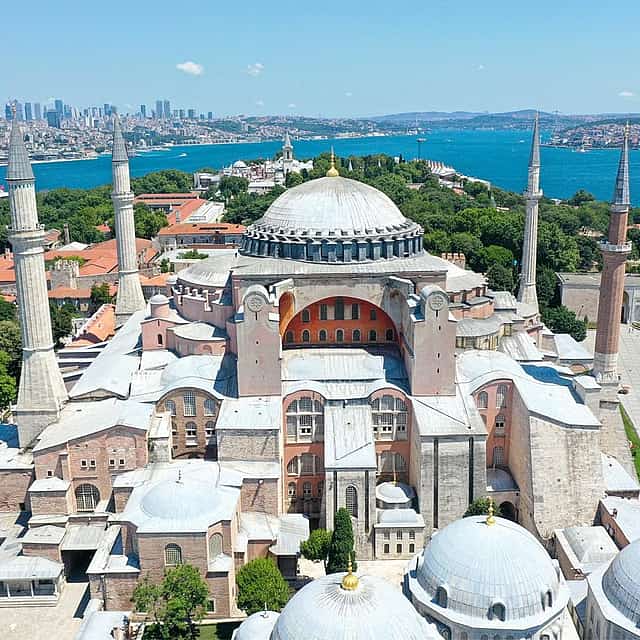
อิสตันบูล, ไก่งวง
8 ชั่วโมง
29 การเข้าชมเมื่อเร็ว ๆ นี้
จาก€100.00/ คน
อิสตันบูล, ไก่งวง
8 ชั่วโมง
22 การเข้าชมเมื่อเร็ว ๆ นี้
จาก€80.00/ คนบอกเราว่าคุณวางแผนอะไรไว้ แล้วเจ้าบ้านในพื้นที่จะส่งตัวเลือกที่ตรงกับวันเดินทาง จำนวนคน และงบประมาณของคุณ