Rethymno, Creta, Grécia
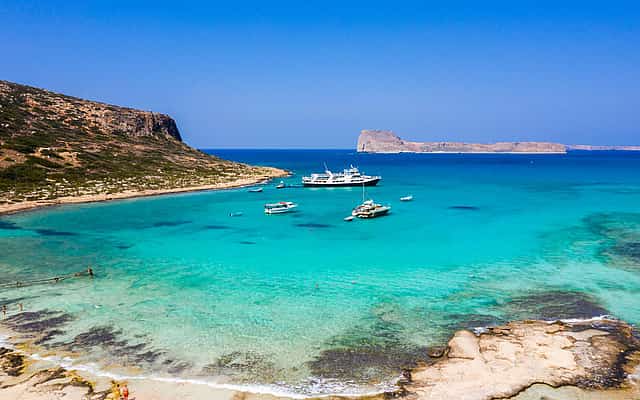
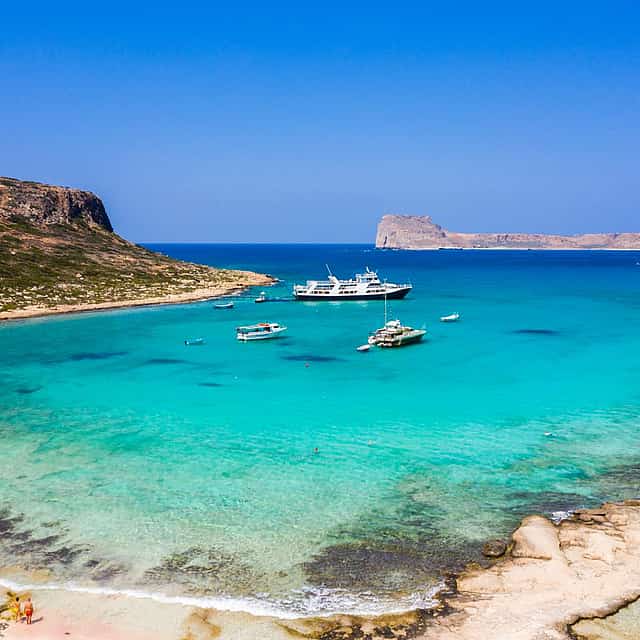
Gramvousa e Balos: Excursão de um dia com partida de Rethymno
10 horas
54 visualizações recentemente
A partir de€18.00/ pessoa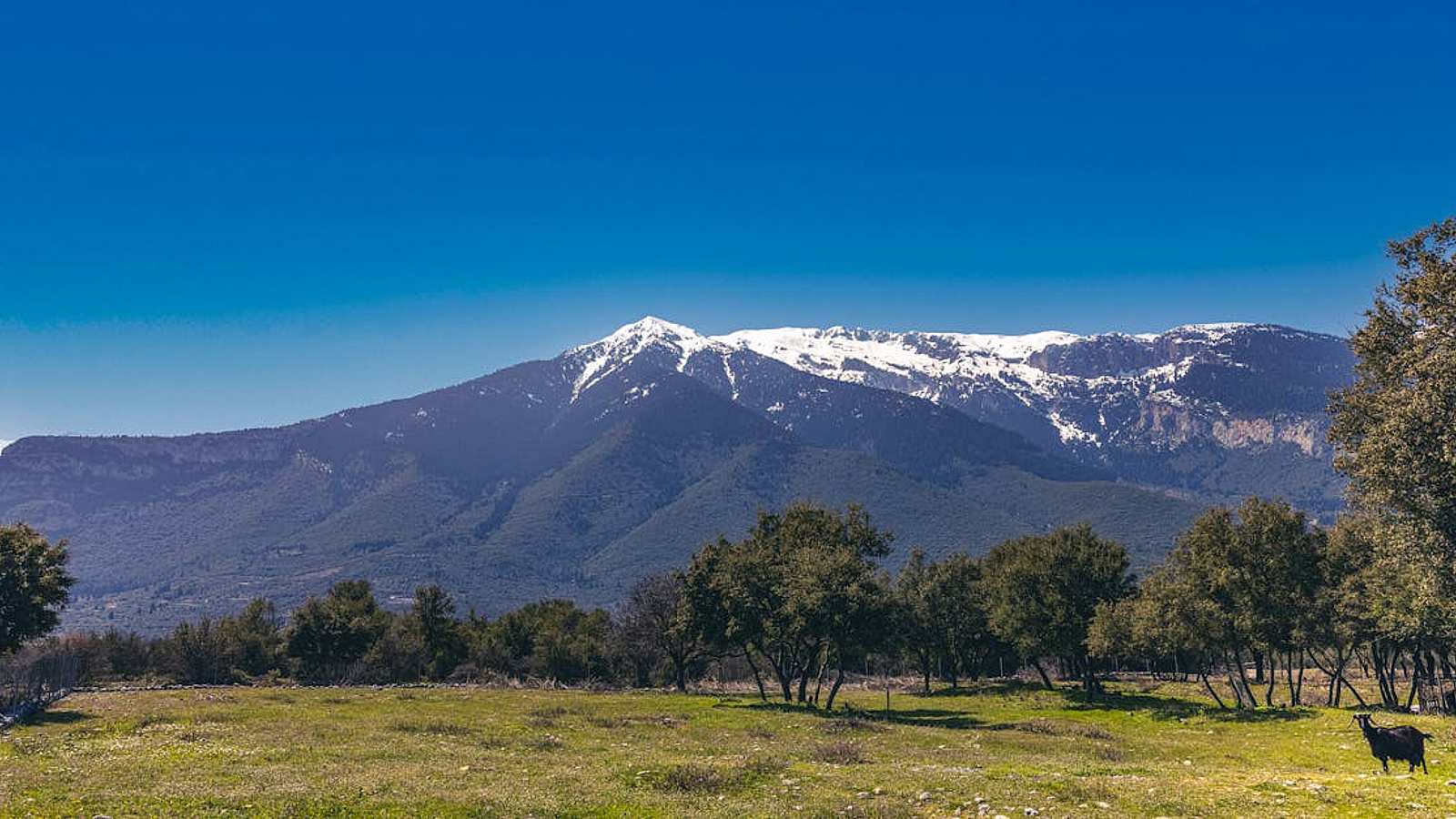
Creta estende-se por 260 quilómetros de leste a oeste e em ponto nenhum passa dos sessenta de norte a sul. Uma espinha de montanhas ocupa o meio. Quatro unidades regionais, as antigas prefeituras, dividem-na ao comprido, e escolher entre elas é a primeira decisão a sério.
Quase toda a gente dorme na costa norte, e o sul comporta-se como uma ilha à parte. Os rios abriram desfiladeiros dos planaltos altos até ao mar da Líbia. Atravessar demora mais do que o mapa sugere.
Duas das aldeias do sul não têm estrada nenhuma. Loutro e Agia Roumeli são servidas pelo barco costeiro de Chora Sfakion e de Sougia. Planeie a partir do barco.
Os dias aqui vêm num punhado de formatos, e quase todos incluem recolha no hotel.
Um lugar em autocarro custa o que custa um jantar de taberna. Um carro privado custa várias vezes mais. Começa a compensar a partir de quatro pessoas.
Rethymno, Creta, Grécia
10 horas
54 visualizações recentemente
A partir de€18.00/ pessoa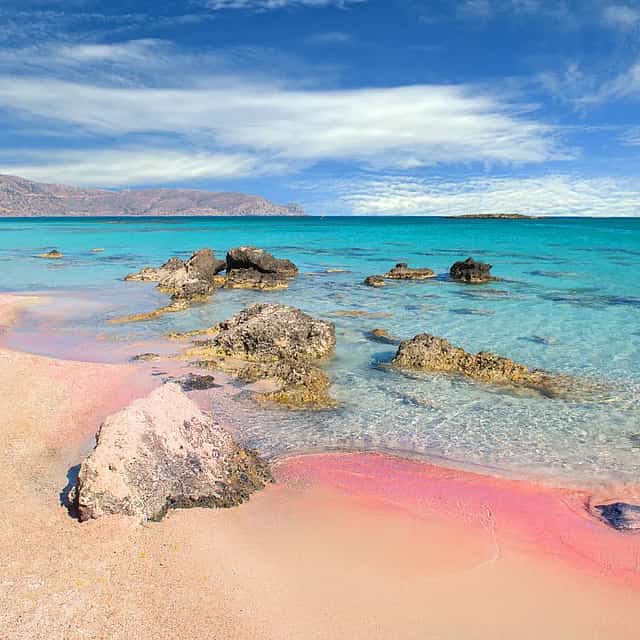
Rethymno, Creta, Grécia
10 horas
46 visualizações recentemente
A partir de€29.00/ pessoa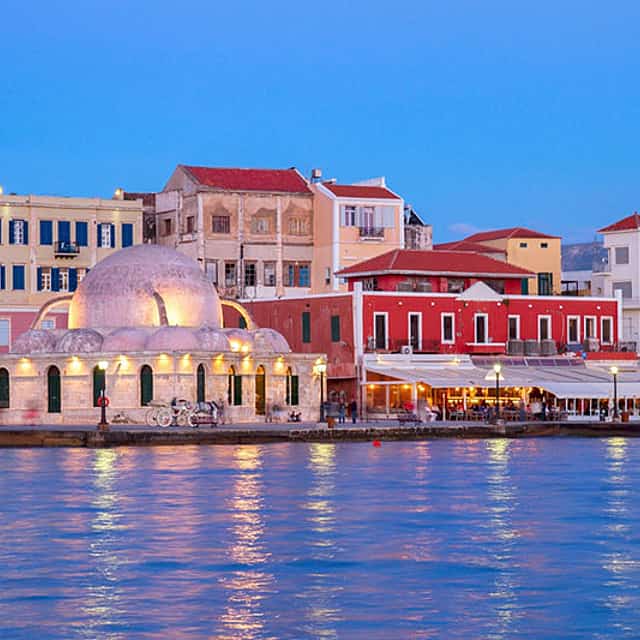
Rethymno, Creta, Grécia
8 horas
29 visualizações recentemente
A partir de€25.00/ pessoa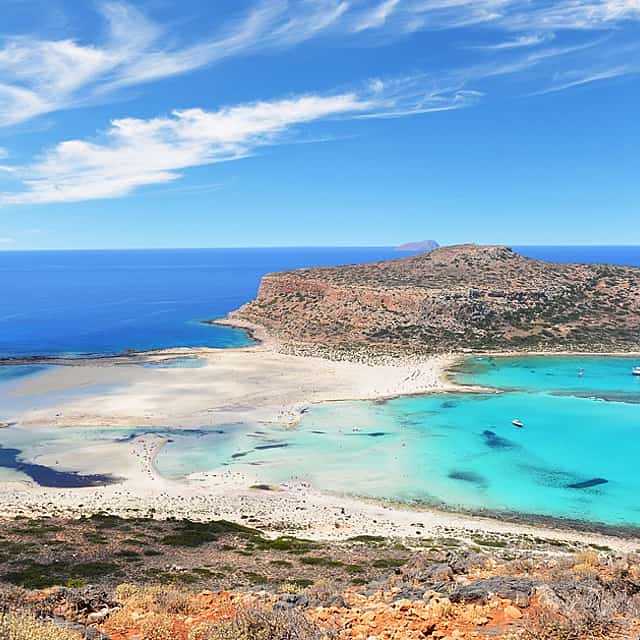
Chania, Creta, Grécia
10 horas
17 visualizações recentemente
A partir de€23.00/ pessoa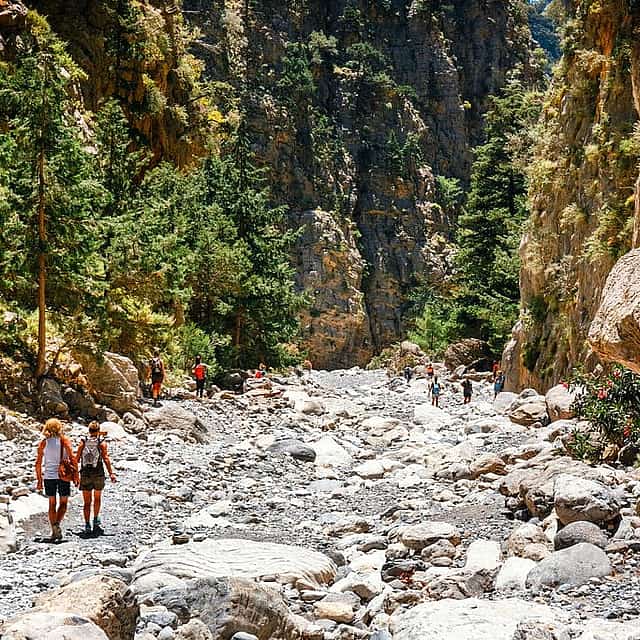
Chania, Creta, Grécia
11 horas
21 visualizações recentemente
A partir de€29.00/ pessoa
Rethymno, Creta, Grécia
9 horas
11 visualizações recentemente
A partir de€29.00/ pessoa
Chersonissos, Creta, Grécia
1 h 30 min
20 visualizações recentemente
A partir de€65.00/ pessoa
Iráklio, Creta, Grécia
13 horas
A partir de€42.00/ pessoa
Chania, Creta, Grécia
9 horas
A partir de€40.00/ pessoa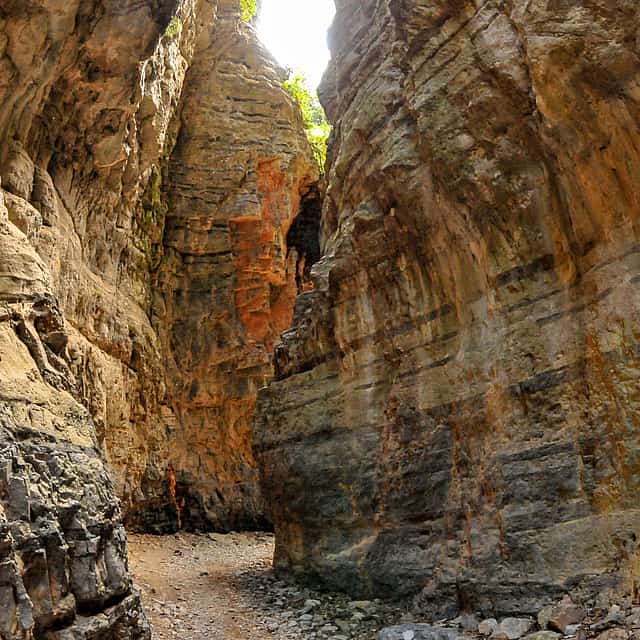
Rethymno, Creta, Grécia
10 horas
26 visualizações recentemente
A partir de€29.00/ pessoa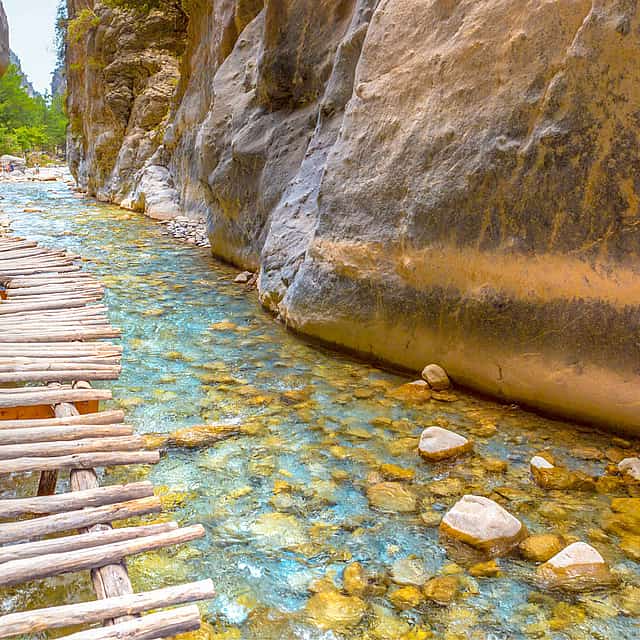
Rethymno, Creta, Grécia
14 horas
18 visualizações recentemente
A partir de€33.00/ pessoa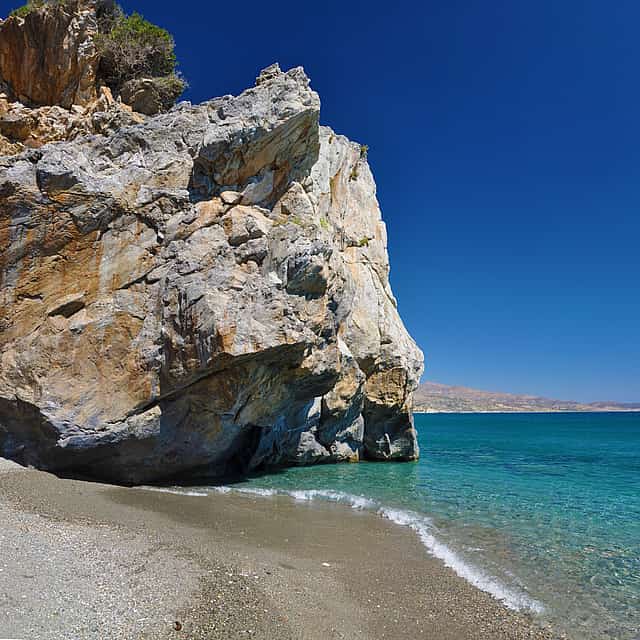
Rethymno, Creta, Grécia
11 horas
21 visualizações recentemente
A partir de€25.00/ pessoa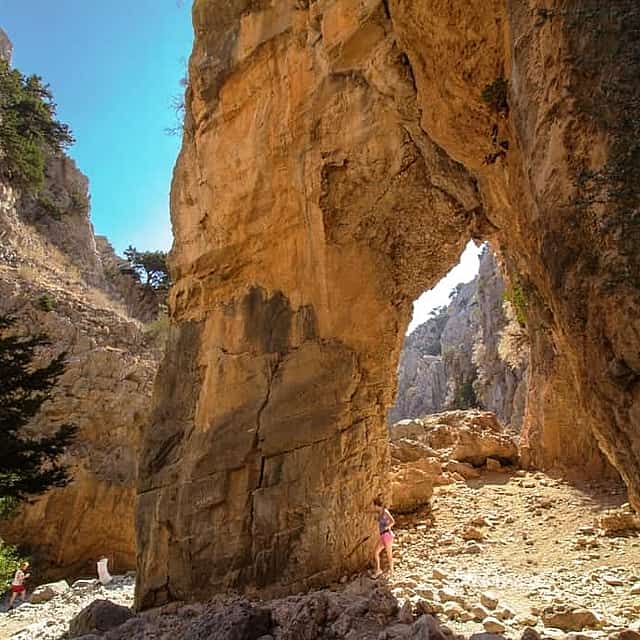
Chania, Creta, Grécia
9 horas
22 visualizações recentemente
A partir de€28.00/ pessoa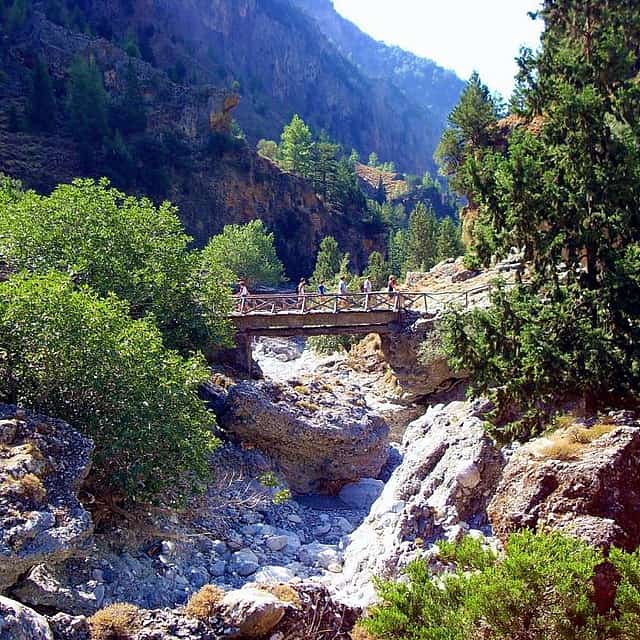
Chania, Creta, Grécia
12 horas
A partir de€28.00/ pessoa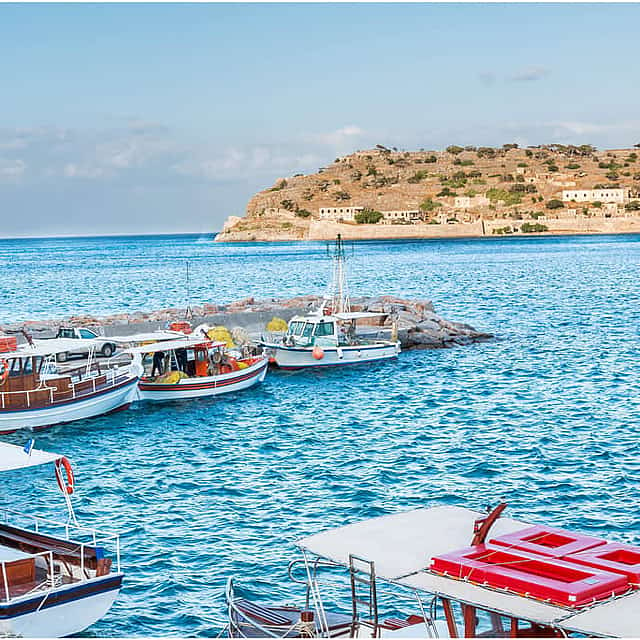
Chersonissos, Creta, Grécia
9 horas
19 visualizações recentemente
A partir de€55.00/ pessoa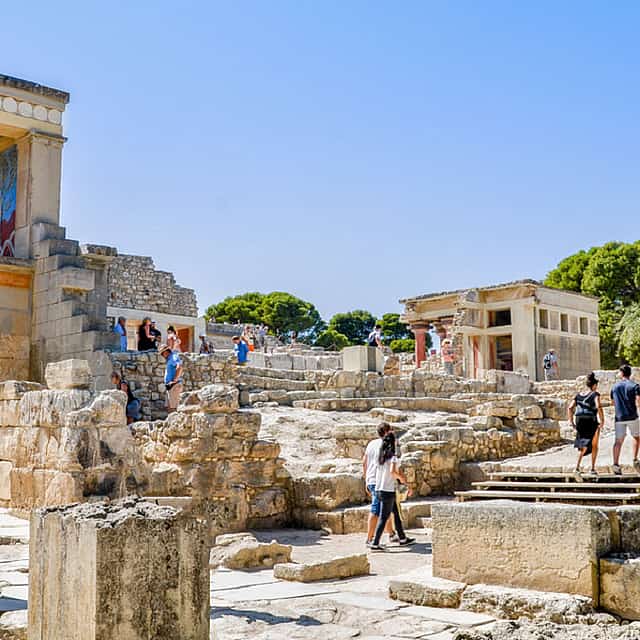
Rethymno, Creta, Grécia
9 horas
18 visualizações recentemente
A partir de€25.00/ pessoa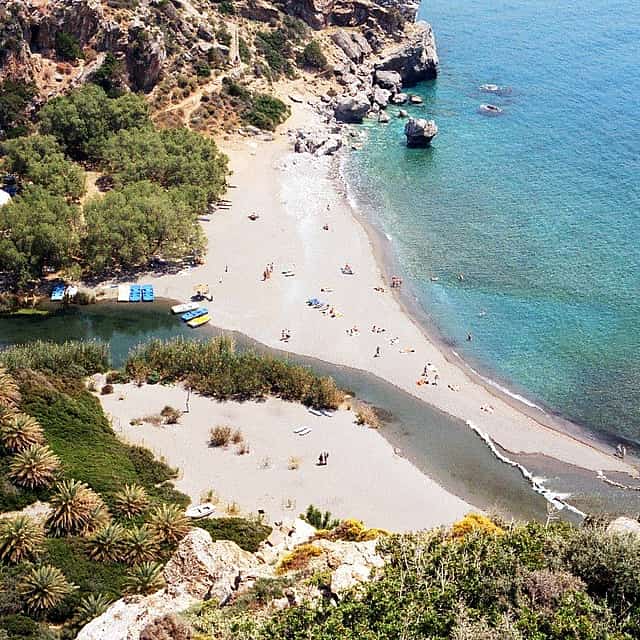
Chania, Creta, Grécia
9 horas
18 visualizações recentemente
A partir de€42.00/ pessoa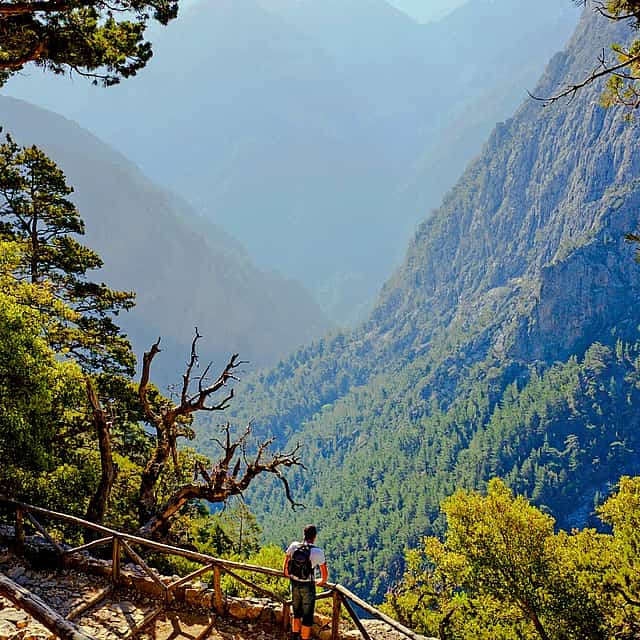
Samaria Gorge, Iráklio, Creta, Grécia
15 horas
A partir de€40.00/ pessoa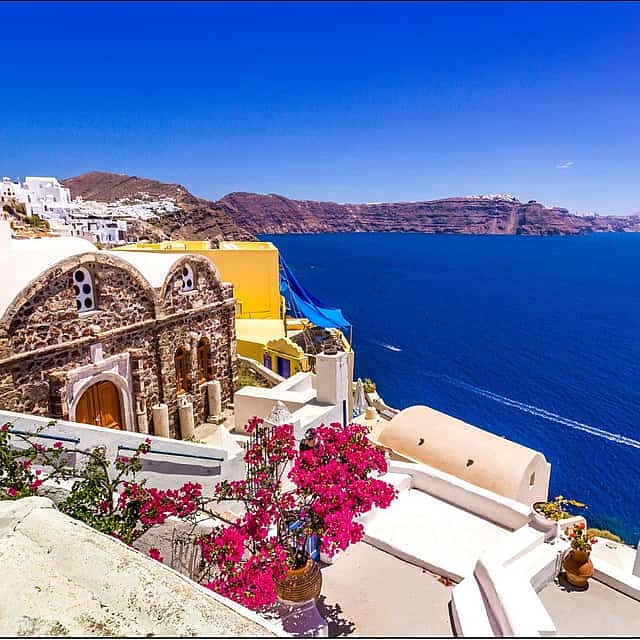
Chersonissos, Creta, Grécia
11 horas
28 visualizações recentemente
A partir de€192.00/ pessoa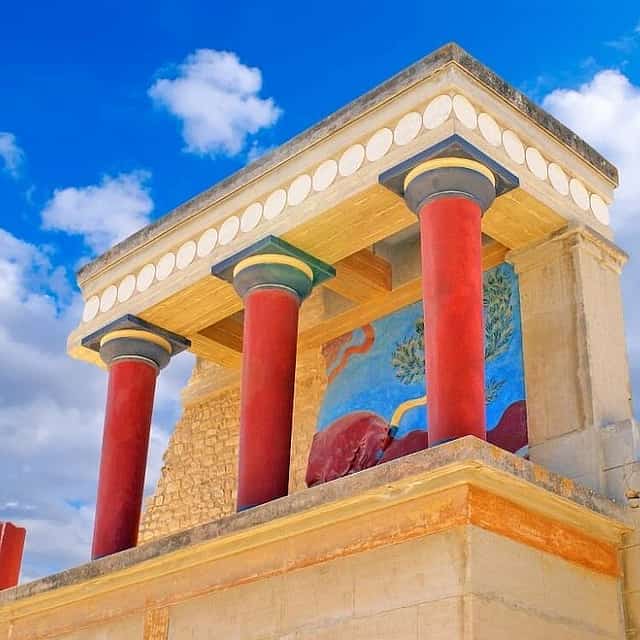
Iráklio, Creta, Grécia
6 horas
17 visualizações recentemente
A partir de€50.00/ pessoa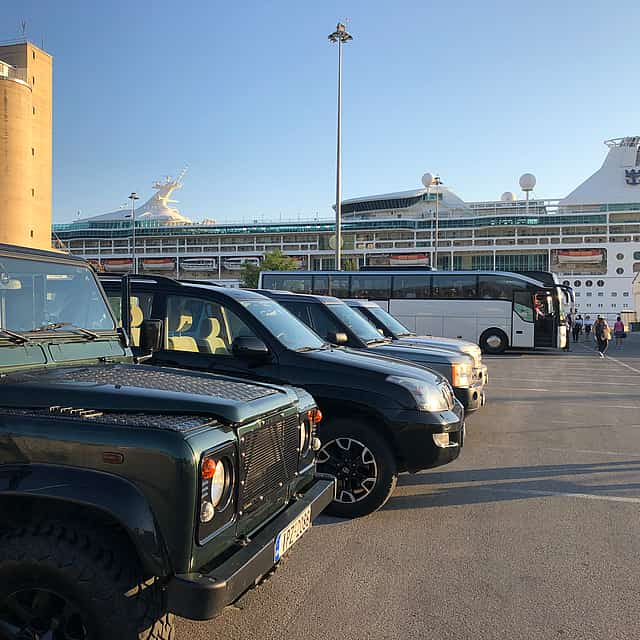
Chania, Creta, Grécia
4 horas
A partir de€89.00/ pessoa
Chania, Creta, Grécia
3 horas
A partir de€55.00/ pessoa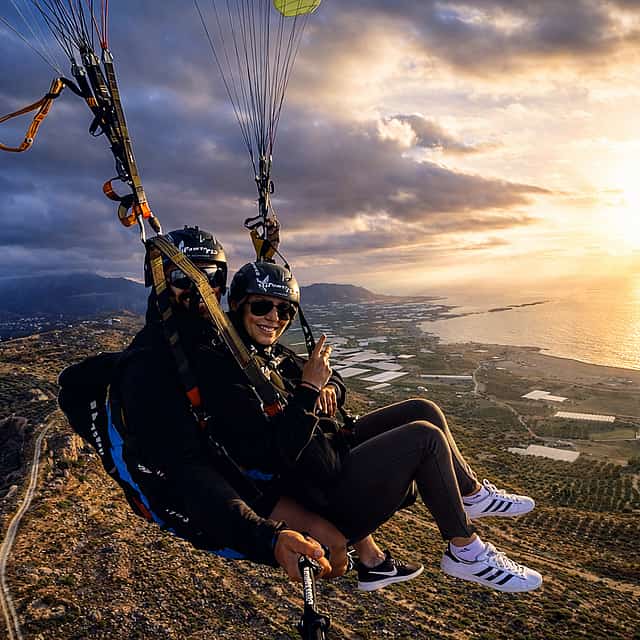
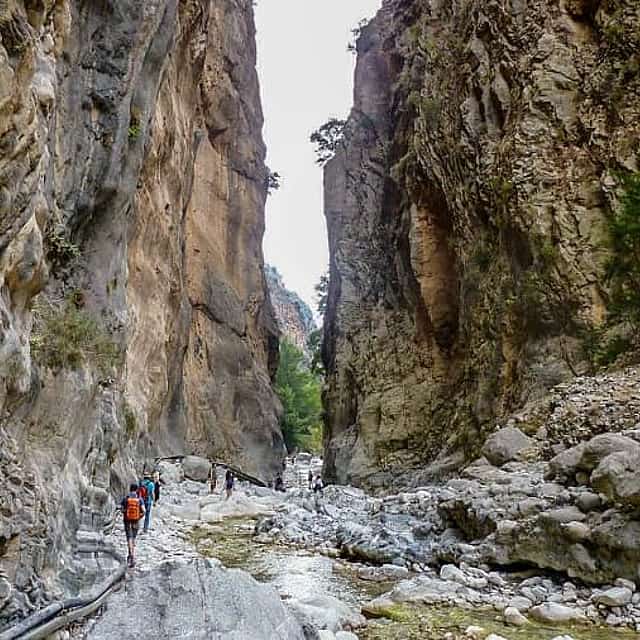
Samaria Gorge, Iráklio, Creta, Grécia
11 horas
13 visualizações recentemente
A partir de€58.00/ pessoaDiga-nos o que está a planear e os anfitriões locais enviam-lhe opções à medida das suas datas, do seu grupo e do seu orçamento.