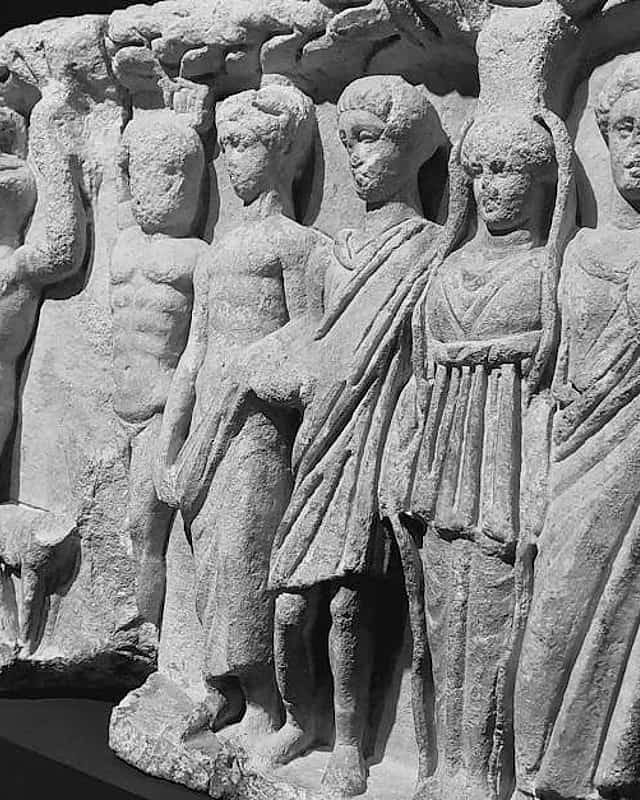
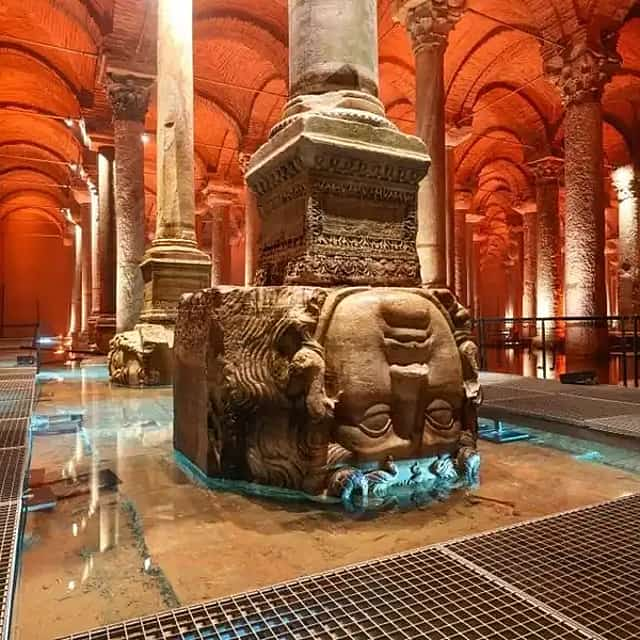
Basilica Cisterne, Istanbul, Turkije
"Sla de wachtrij over: Basilica Cisterne Tour met audiogids"
30 minuten
31 weergaven onlangs
Vanaf€45.00/ persoon
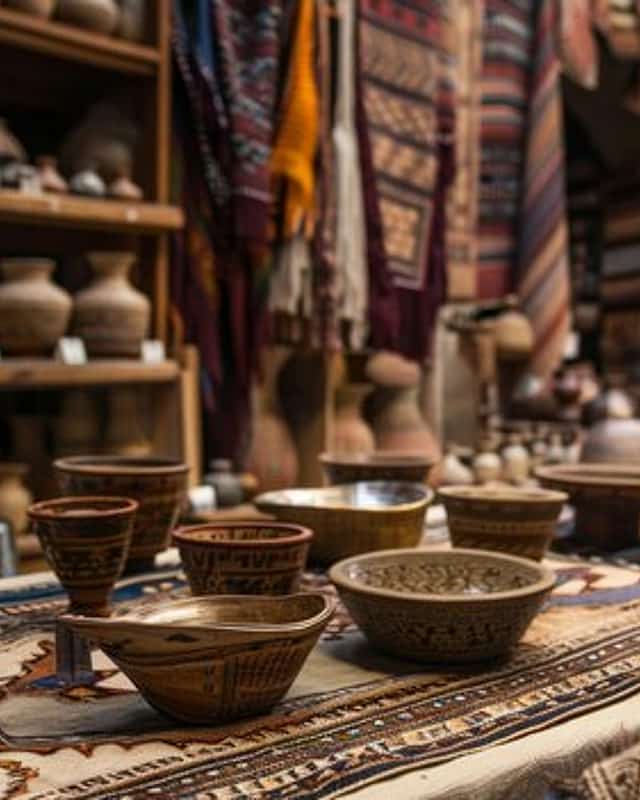
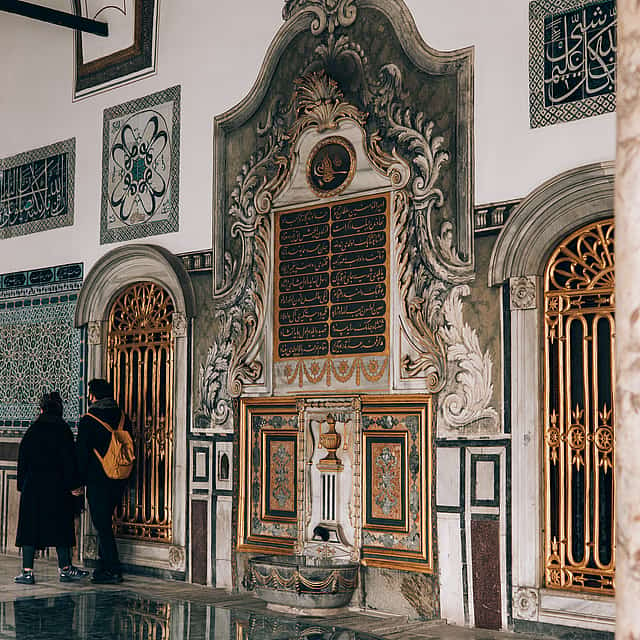
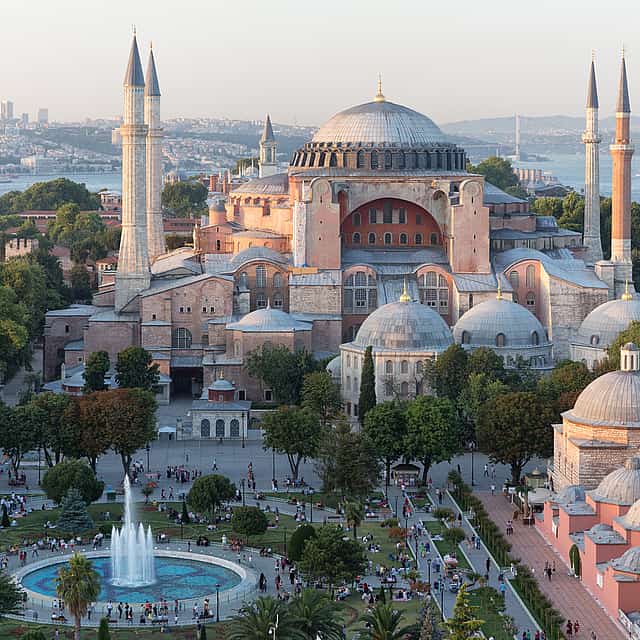
Cultuur in Istanbul ligt gestapeld, niet uitgespreid. In Sultanahmet draagt de Hagia Sophia Byzantijnse mozaïeken en Ottomaanse kalligrafiemedaillons in dezelfde ruimte, het Topkapı-paleis herbergt de schatkamer en de harembuurt, en het Museum voor Turkse en Islamitische Kunst zit in het paleis van een zestiende-eeuwse vizier aan het Hippodroom, met een tapijtcollectie die in de dertiende eeuw begint. De Archeologische Musea ernaast bewaren de Alexandersarcofaag, gehouwen in de vierde eeuw voor Christus en nog met sporen van de oorspronkelijke beschildering.
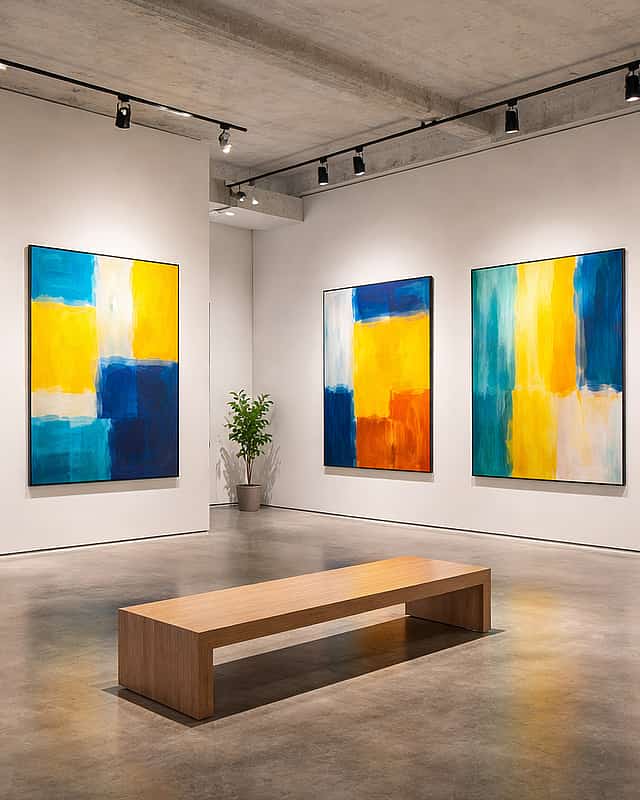
Ten noorden van de Gouden Hoorn wordt de stad modern. Istanbul Modern zit in een nieuw gebouw aan het water in Karaköy, het Pera Museum in Beyoğlu bewaart De schildpaddentemmer van Osman Hamdi Bey, en SALT Galata werkt vanuit een voormalige Ottomaanse bank. In Edirnekapı bewaart het Chora-gebouw enkele van de mooiste Byzantijnse mozaïeken en fresco's die er zijn. Levende ambachten liggen dichterbij dan het lijkt: ebru, kalligrafie en keramiek worden in korte workshops rond Süleymaniye en Beyoğlu onderwezen, en de Mevlevi-sema vindt plaats in de loge in Galata.
Praktisch: de meeste staatsmusea zijn op maandag gesloten en enkele op dinsdag, dat is het controleren waard voordat je een dag eromheen bouwt. De Museum Pass geldt voor staatsmusea, niet voor particuliere zoals Pera of Istanbul Modern. De Hagia Sophia en de gebruikte moskeeën sluiten voor bezoekers tijdens de gebedstijden en langer rond vrijdagmiddag; schouders en knieën blijven bedekt en vrouwen dragen een sjaal. Vraag voor het boeken of de workshop in het Engels wordt gegeven, en of een sema-avond een religieuze ceremonie of een voorstelling is, want beide worden onder dezelfde naam verkocht.
Basilica Cisterne, Istanbul, Turkije
30 minuten
31 weergaven onlangs
Vanaf€45.00/ persoon
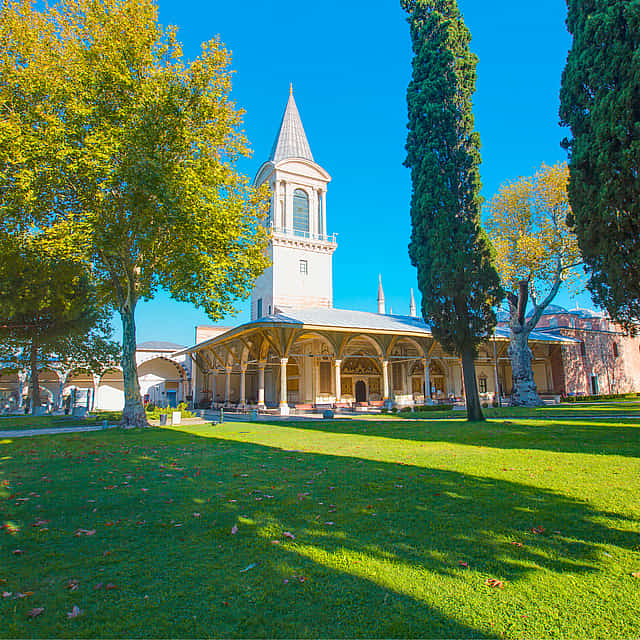
Topkapi Paleis Museum, Istanbul, Turkije
1 uur
Vanaf€75.00/ persoonBasilica Cisterne, Istanbul, Turkije
30 minuten
31 weergaven onlangs
Vanaf€45.00/ persoon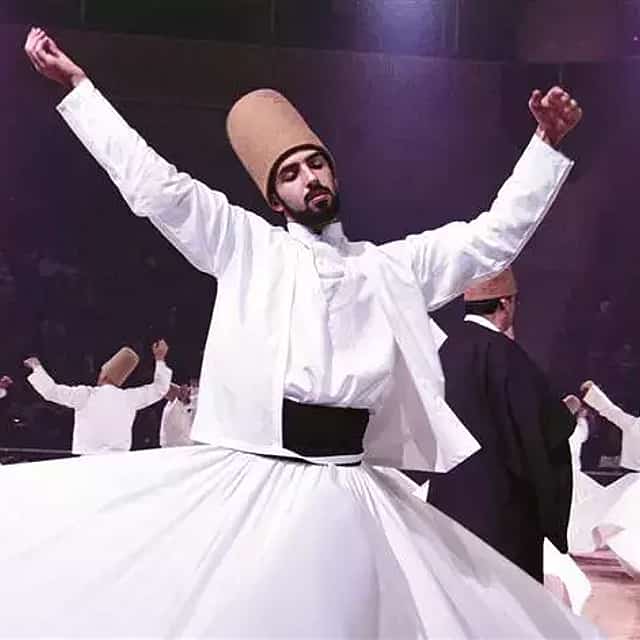
Istanbul, Turkije
1 uur
13 weergaven onlangs
Vanaf€25.00/ persoon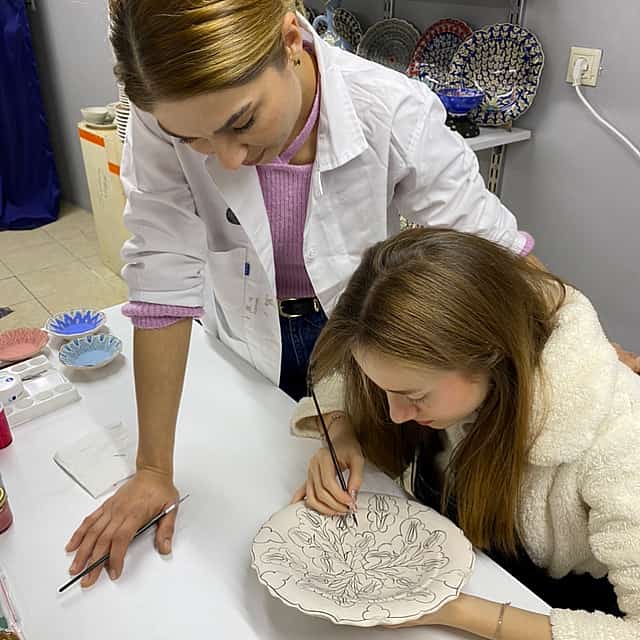
Istanbul, Turkije
2 uur
22 weergaven onlangs
Vanaf€90.00/ persoonTopkapi Paleis Museum, Istanbul, Turkije
1 uur
Vanaf€75.00/ persoon
Pierre Loti Heuvel, Istanbul, Turkije
6 uur
15 weergaven onlangs
Vanaf€70.00/ persoon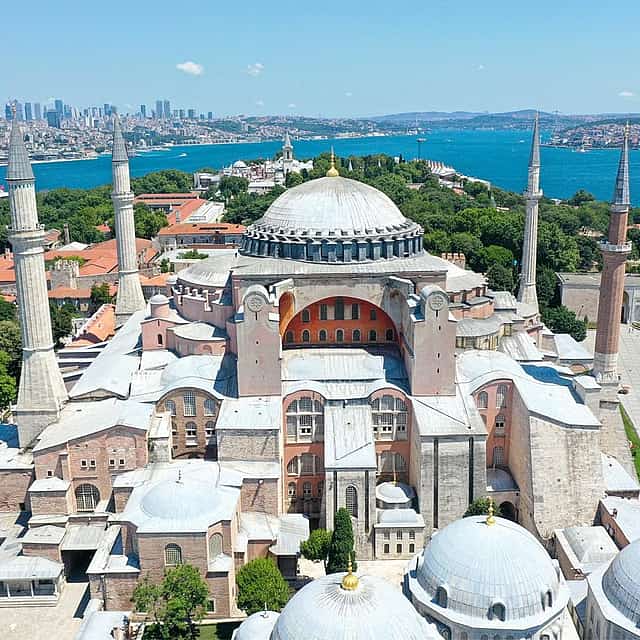
Istanbul, Turkije
8 uur
27 weergaven onlangs
Vanaf€100.00/ persoon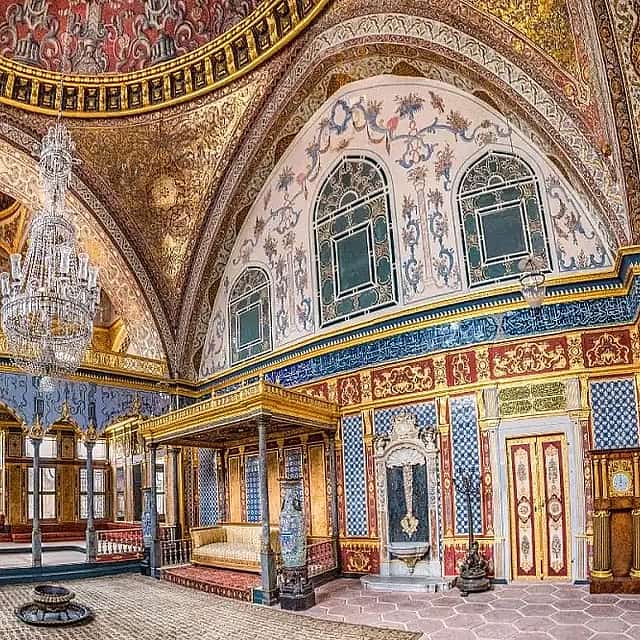 Alleen op aanvraag
Topkapi Paleis Museum, Istanbul, Turkije
1 u 30 min
12 weergaven onlangs
Vanaf€100.00/ persoon Alleen op aanvraag
Istanbul, Turkije
7 uur
16 weergaven onlangs
Vanaf€8.88/ persoon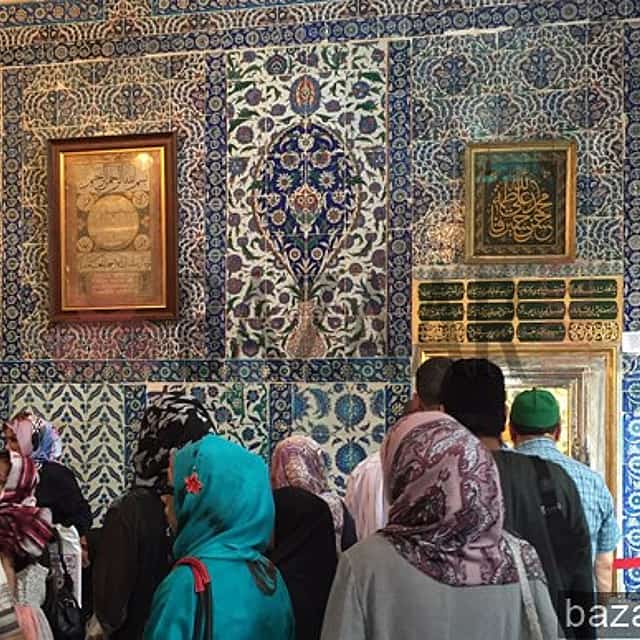
Topkapi Paleis Museum, Istanbul, Turkije
2 u 30 min
12 weergaven onlangs
Vanaf€180.00/ persoon
Istanbul Airport, Istanbul, Turkije
8 uur
19 weergaven onlangs
Vanaf€330.00/ persoon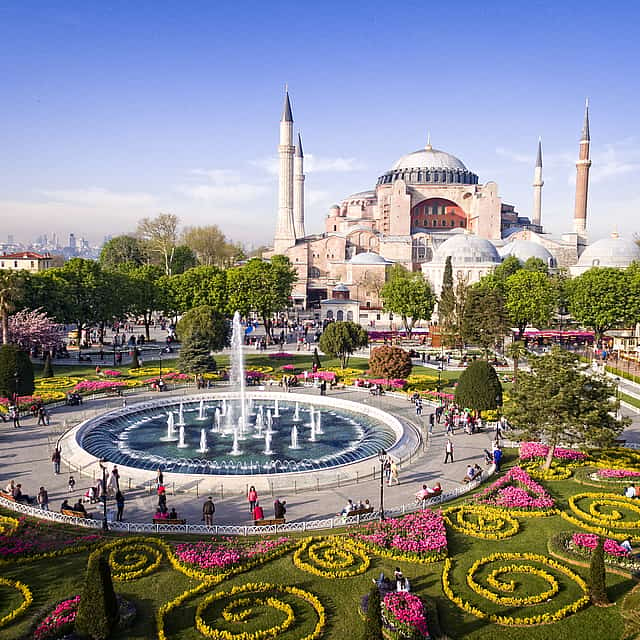
 Alleen op aanvraag
Istanbul, Turkije
13 uur
12 weergaven onlangs
Vanaf€178.79/ persoon
Istanbul, Turkije
5 uur
14 weergaven onlangs
Vanaf€135.00/ persoon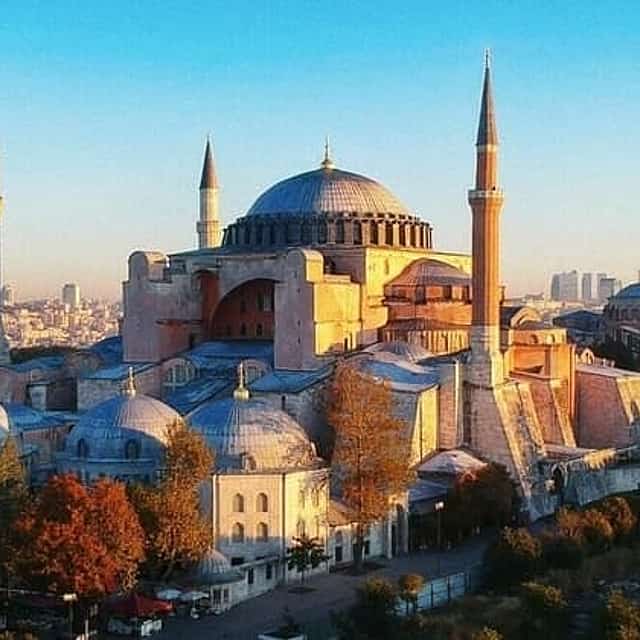
Basilica Cisterne, Istanbul, Turkije
3 u 30 min
Vanaf€278.01/ persoon Alleen op aanvraag
Istanbul, Turkije
2 dagen
23 weergaven onlangs
Vanaf€340.00/ persoon
 Alleen op aanvraag
Istanbul, Turkije
20 uur
15 weergaven onlangs
Vanaf€178.79/ persoon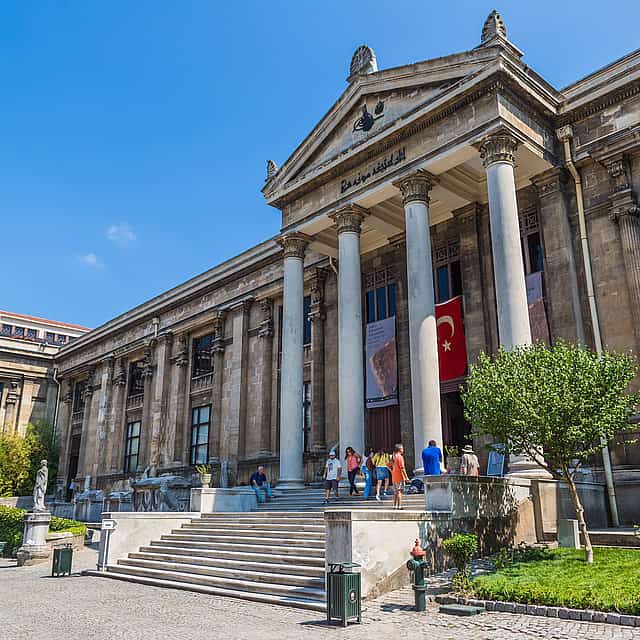 Alleen op aanvraag
Istanbul, Turkije
1 u 30 min
21 weergaven onlangs
Vanaf€78.00/ persoon
Istanbul, Turkije
3 uur
22 weergaven onlangs
Vanaf€2.99/ persoon
Vertel ons wat je van plan bent en lokale hosts sturen je opties die passen bij je data, je gezelschap en je budget.